In the modern landscape of elite athletics, small nations face a perennial challenge: how to compete against global powers with vastly superior financial and human resources. For Finland, the answer lies not in scaling up quantity, but in sharpening the quality of its specialized infrastructure. By evolving its two primary Olympic Training Centers (OVK)—Urhea in Helsinki and Vuokatti-Ruka—Finland is pivoting toward a strategy rooted in collaborative expertise, technological integration, and a ruthless commitment to the "sharp end" of the competitive spear.
The Strategy: Importing Excellence
In January 2026, the Finnish sports community received a stark reminder of the value of international benchmarks. The British national gymnastics team, widely considered one of the best in the world, completed an eight-day training camp at the Urhea facility in Helsinki.
This was not merely a logistical arrangement; it was a masterclass in knowledge transfer. Finnish coaches worked alongside their British counterparts, trading insights and deconstructing the training methodologies that have propelled the UK to the top of the medal tables.
"We had the British national gymnastics team with us, and for eight days, our coaches lived and breathed their processes alongside them," says Simo Tarvonen, CEO of the Helsinki Olympic Training Center. "There is a profound difference between traveling abroad to find a benchmark and having that benchmark brought directly into your daily environment. When you build personal connections with the world’s best, the barrier to learning disappears."
This incident underscores a broader shift in Finnish sports policy: the world no longer needs to be a distant destination. By inviting global leaders to its centers, Finland is transforming its domestic hubs into international meeting points where professional networks are forged, and the "international standard" becomes an everyday reality rather than an abstract concept.
Chronology of Evolution: From Facilities to Ecosystems
The development of Finland’s Olympic Training Centers has not been linear. Initially conceived as high-level training grounds, their mandate has expanded significantly over the last decade.
- Early 2020s: The focus was primarily on infrastructure—building the physical halls, tracks, and medical facilities necessary for elite training.
- 2025: A strategic realignment began, emphasizing the "human element" of coaching and the integration of research into daily practice.
- January 2026: The British gymnastics residency at Urhea serves as a proof-of-concept for the "open-door" knowledge exchange policy.
- June–August 2026: New long-term agreements are signed between the Finnish Olympic Committee and the training centers, cementing their roles through 2030. This marks a formal commitment to a unified national high-performance strategy.
Supporting Data: Two Centers, Two Pillars
While both Urhea and Vuokatti-Ruka share the ultimate goal of medal-winning excellence, they operate through distinct, complementary lenses.
The Human-Centric Model (Urhea, Helsinki)
Urhea’s philosophy is built on the "collisions of talent." In an environment where coaches from disparate disciplines—from fencing to gymnastics to basketball—share the same canteen and administrative spaces, the potential for cross-pollination is immense.
"It would be easy to categorize these centers merely as training facilities," says Janne Hänninen, Director of the High-Performance Unit at the Finnish Olympic Committee. "But their true value lies in the encounters between experts. We are creating collision points where tacit knowledge flows between sports, allowing for a more creative approach to coaching."
The "Science to Practice" Model (Vuokatti-Ruka)
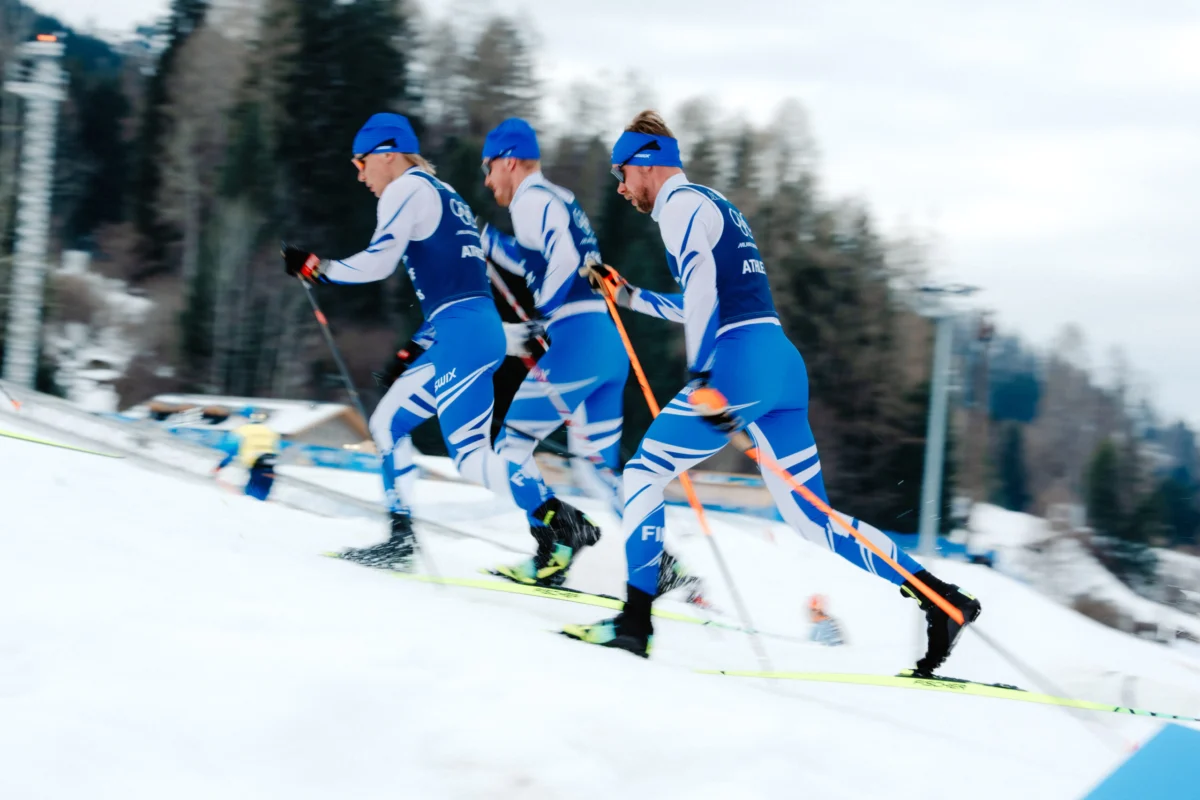
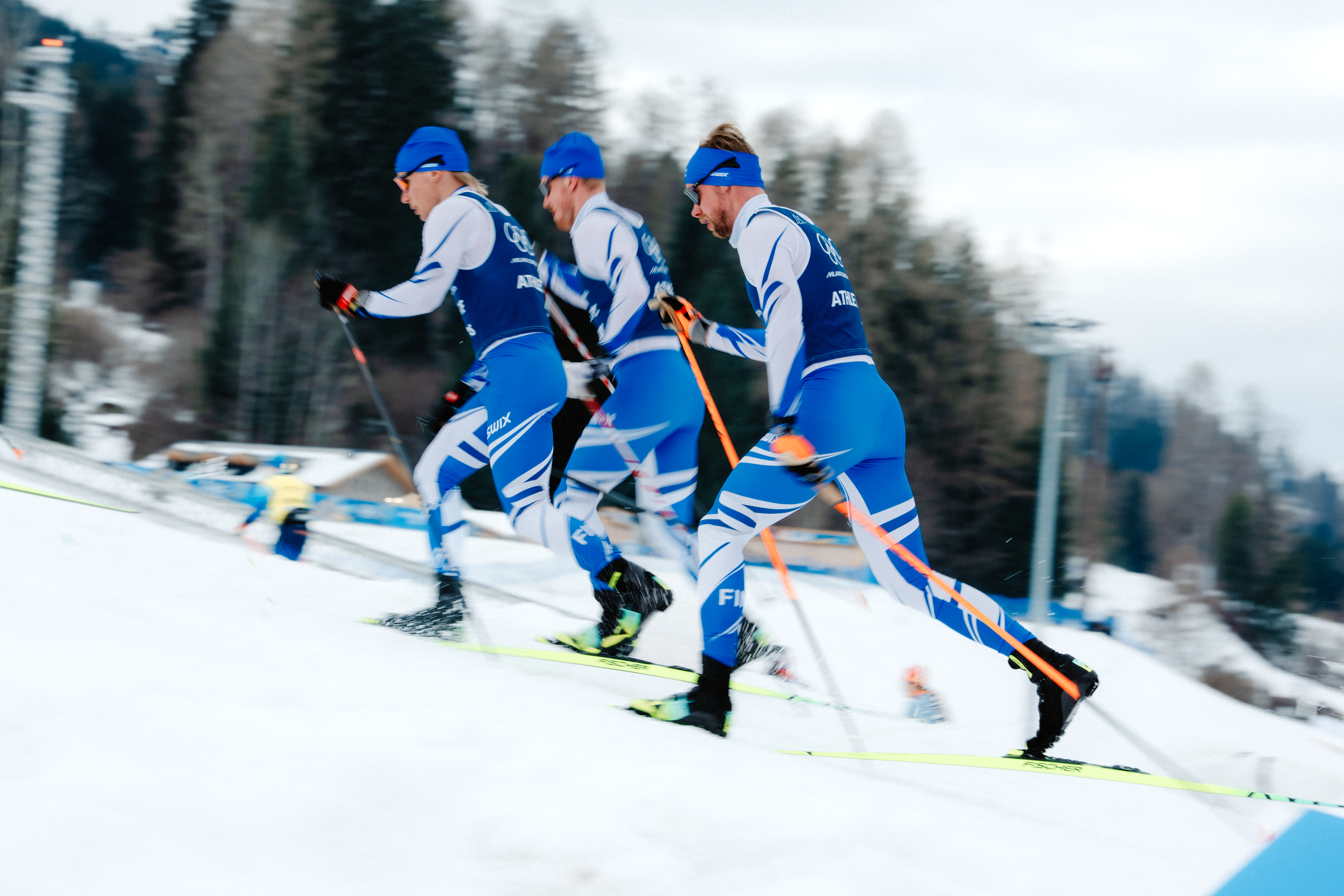
In contrast, the Vuokatti-Ruka center focuses on the tight integration of scientific research, technology, and applied training. This center serves as a laboratory for winter sports, working in tandem with the University of Jyväskylä.
The model is defined by the mantra "From Science to Practice." A prime example is the shooting technology developed for biathletes. While the system was designed for the world’s elite, it is used daily by academy-level students, effectively shortening the time it takes for a young athlete to reach professional standards. By the time an athlete reaches the senior national team, they have been working with world-class, data-driven tools for years.
Official Perspectives: The "Sharp End" of Success
The shift toward focusing resources on the "sharpest end" of the competitive spear has been a point of debate, yet it remains the cornerstone of the new national strategy.
"Historically, we have spread our resources too thin," notes Janne Vuorinen, director of the Vuokatti-Ruka center. "We supported many, but perhaps not enough to ensure true breakthrough success. Now, we are concentrating our efforts on those with the highest potential to succeed at the absolute top."
However, this is not an exclusionary policy. Vuorinen stresses that the knowledge generated at the top must "trickle down" to the grassroots level. The same physical facility that hosts an Olympic champion also hosts a local junior athlete. This proximity ensures that the standards of the elite become the norm for the next generation.
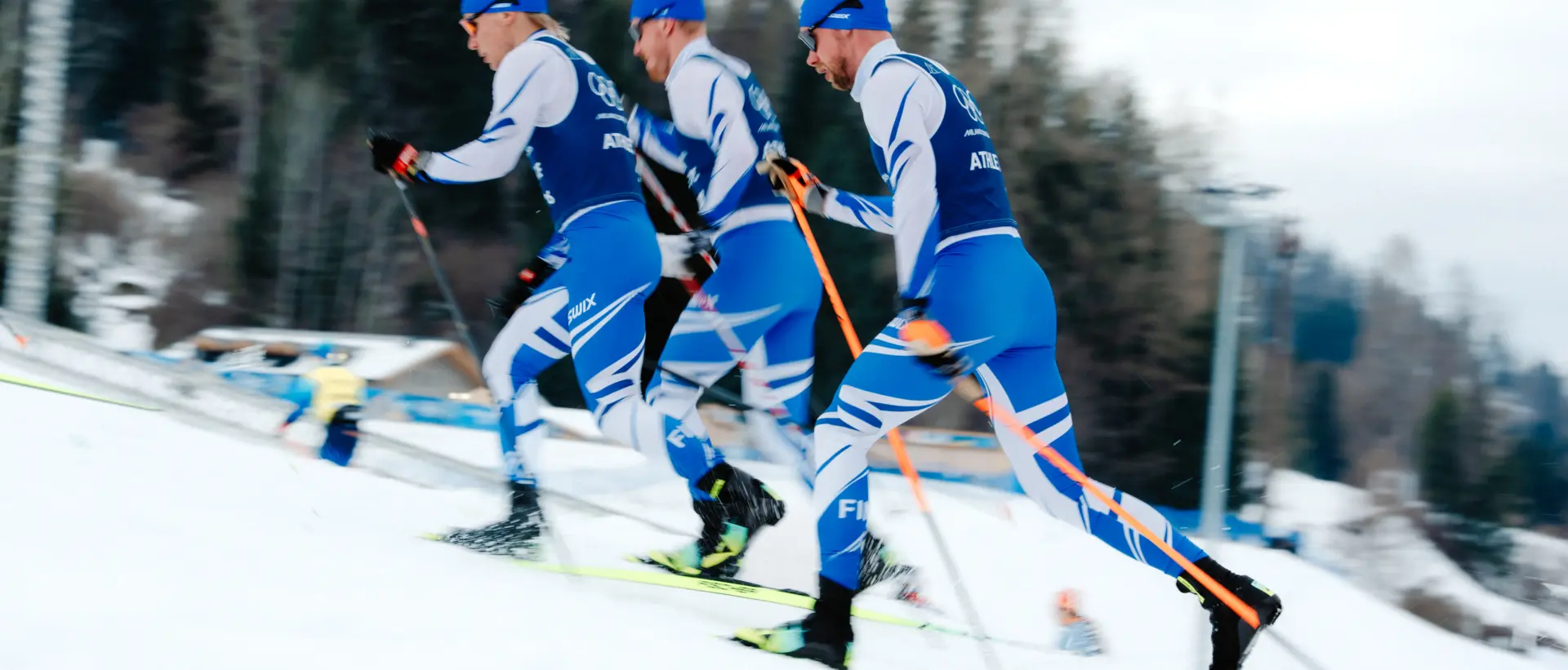
Olli Ohtonen, a professor of practice in snow sports at the University of Jyväskylä, highlights the efficacy of this cross-disciplinary collaboration. "Our recent project on ski base grinding and lubrication is a perfect case study. By pooling the needs of cross-country skiing, biathlon, and Nordic combined, we created a competitive advantage that is recognized even on the international stage. This kind of inter-sport collaboration is something larger nations often struggle to organize, but it is our strength."
The Moral and Professional Implications
The implications of this strategy reach beyond medals. It fundamentally changes the culture of Finnish coaching.
"Every day, when I walk into the facility and see an athlete pushing themselves to the brink for a World Championship, I have to ask myself: am I doing the same in my role?" says Tarvonen. "The passion of the athlete must be matched by the professionalism of the support staff. We are fostering a culture of curiosity where we are never satisfied with the status quo."
This ethos of "bettering the system" is intended to make sports a more attractive professional career path. By integrating university research and creating high-stakes, high-intellect work environments, the OVKs are becoming hubs for the best minds in sports science, physiotherapy, and coaching.
Looking Toward 2030: A Unified Vision
The recently signed agreements extending the cooperation between the Olympic Committee and the training centers until 2030 provide the stability needed to execute these long-term plans. The goal is to move beyond the traditional "club-based" model to a holistic national ecosystem.
In this vision:
- The Elite Level sets the standard and drives innovation.
- The Academy System acts as the delivery mechanism, ensuring that young, talented athletes are trained using the same methodologies as their idols.
- The Scientific Partners (universities) act as the R&D department, providing the data that gives Finnish athletes their marginal gains.
As Finland looks toward the 2030 Winter Olympics and beyond, the message is clear: success is not a byproduct of chance. It is the result of a deliberate, data-backed, and community-driven approach that turns a small nation’s limitations into a cohesive, highly efficient machine. By fostering a environment where the best from home and abroad meet to innovate, Finland is proving that in the race for gold, the depth of your network is just as important as the strength of your lungs.