In the high-stakes world of river running, the margin between a successful multi-day expedition and a catastrophic equipment loss—or worse, a life-threatening injury—is often measured in inches and pounds of tension. Among the most fundamental skills for any expedition leader or private boater is the ability to unpin a stuck vessel. Yet, there is a dangerous complacency currently plaguing the whitewater community: the over-reliance on "off-the-shelf" commercial pin kits.
While these kits provide a foundation for rescue, experts increasingly argue that they are designed for the lowest common denominator, failing to account for the harsh realities of remote, high-volume river environments. If your safety gear is chosen solely based on a manufacturer’s packaging, you are likely ill-equipped for the worst-case scenario.
The Illusion of Preparedness: A Tactical Failure
The core problem with commercially available pin kits is their standardized nature. Most kits are sold with 150 feet of ½-inch static rope and a basic assortment of hardware. To the novice, this appears substantial. To a veteran rescue instructor, it is a recipe for failure.
Consider the physics of a "Z-drag"—the gold standard for mechanical advantage in river rescue. By the time you navigate a complex rigging setup, the actual length of your haul line is drastically reduced. A 150-foot rope, once tied off to an anchor, threaded through a series of pulleys, and subjected to the inevitable knots required for prusiks and terminations, can quickly become insufficient. When you account for the fact that a single Figure-8 on a bight knot consumes approximately four feet of rope, the "standard" kit begins to look remarkably short.
Chronology of a Crisis: The Middle Fork Scenario
To understand why standard kits fail, one must visualize a typical rescue scenario on a river like the Middle Fork of the Salmon.
Phase 1: The Incident. A raft carrying the expedition’s entire kitchen and food supply strikes a rock mid-rapid due to a broken oar. The boat is pinned 100 feet from the nearest shore in a river 250 feet wide.
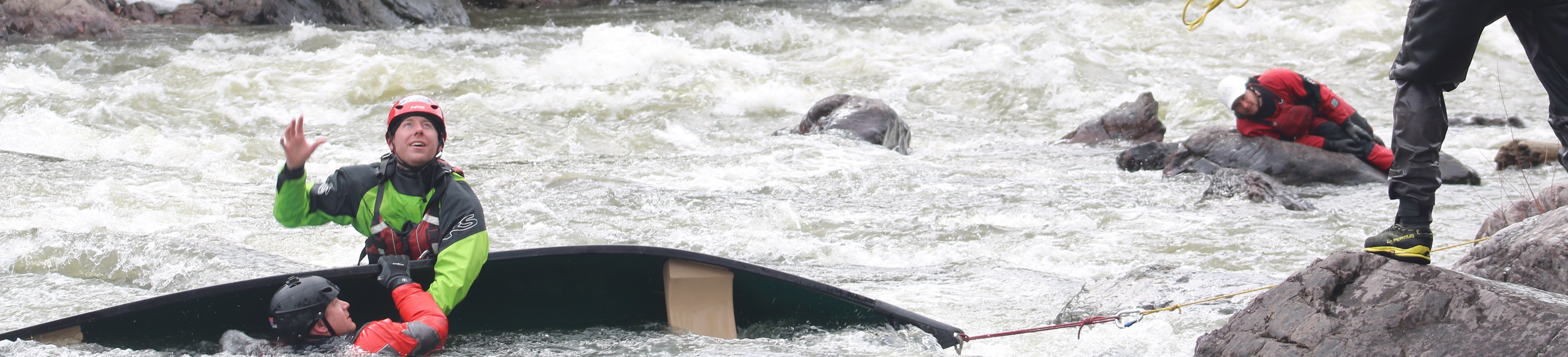
Phase 2: The Deployment. The group retrieves their pre-packed commercial pin kit from the sweep boat. They successfully deploy a throw line to secure the pinned raft.
Phase 3: The Anchor Selection. The rescuers move to the shoreline to establish a high-strength anchor. Because the shoreline is rocky or sparsely vegetated, the optimal anchor point is not at the water’s edge, but deep in the timber, perhaps 30 to 50 feet away from the bank.
Phase 4: The Mechanical Advantage. As the rescuers begin to rig a 3:1 Z-drag, the reality sets in. Between the distance to the anchor, the path to the boat, and the segments of rope lost to knots and the "Z" configuration itself, the 150 feet of rope is exhausted before a single pound of tension can be applied. The rescue stalls, the boat remains pinned, and the risk of the craft filling with water or shifting increases.
Supporting Data: The Physics of Rescue
The transition from ½-inch line to 9mm rope is not merely about weight savings; it is about strategic capacity. A standard ½-inch static rope may boast a breaking strength of 10,000 lbs (40 KN). While impressive, this strength is rarely the deciding factor in a rescue. The real challenge is the length of the line and the geometry of the pull.
By opting for a high-quality 9mm rope with a 5,000 lb (22 KN) rating, a boater can carry 330 feet of line in the same volume and weight profile as a 150-foot ½-inch line. This doubling of effective length provides the crucial reach needed to navigate complex shorelines or establish remote anchors, which are often the only safe options in high-water conditions.
Essential Components of a Pro-Grade Kit
Beyond the rope, the individual components of your kit must be curated with the same rigor as your medical supplies.
- Webbing and Slings: Ten feet of tubular webbing is rarely enough to wrap a large boulder or a cluster of trees. Modern rescue professionals recommend carrying at least 25 feet of 1-inch tubular webbing, augmented by manufactured slings like Dynex "Rabbit Runners." These are lighter, stronger, and more efficient than bulky knots.
- Pulleys: The difference between a high-quality Prusik Minding Pulley (PMP) and a budget alternative is significant. A PMP is designed to keep the prusik knot from jamming into the pulley housing, a common failure point that can halt a rescue in seconds. A minimum of three pulleys is recommended to allow for complex redirection.
- Carabiners: Rescue carabiners must be dedicated to the kit. Using a "water bottle carabiner" or one that has been dropped on a rock surface is a gamble. Only locking, rated steel or high-grade aluminum carabiners should be used.
- Prusiks: These should be pre-tied or pre-sewn using cord that is 70-80% the diameter of your main line to ensure proper bite.
Official Perspectives: The Professional Standard
Industry leaders and search-and-rescue (SAR) instructors emphasize that a pin kit is not a "set it and forget it" item. It requires maintenance, regular inspection, and—most importantly—practice.
"The best tool in the world is useless if the person holding it hasn’t practiced the rigging under stress," notes one senior swiftwater rescue instructor. "We see people buy a kit, put it in the bottom of a boat, and never touch it for three years. By the time they need it, the rope is degraded from sun exposure, the pulleys are seized with grit, and the carabiners are corroded. Your kit is your lifeline; treat it like your primary equipment."
Implications for the Future of River Safety
The trend toward "kit-buying" rather than "kit-building" reflects a broader shift in the outdoor industry toward convenience. However, as river traffic increases and access to remote wilderness areas remains a staple of the sport, the responsibility for safety must shift back to the individual.
Strategic Recommendations
- Dry Storage is Mandatory: Storing gear in a high-quality, floating dry bag—such as a Watershed—does more than protect your gear; it ensures the rope remains dry and free of abrasive sand, which can significantly shorten the lifespan of synthetic fibers.
- Customization: Consult with specialized whitewater shops rather than relying solely on big-box outdoor retailers. They can help you source components that match the specific rivers you frequent.
- The "Worst-Case" Mindset: When building your kit, assume the worst: an anchor that is too far away, a rope that needs to be doubled for strength, and a teammate who is exhausted. If your kit can handle that, it can handle anything.
Conclusion: Take Responsibility
There is a profound difference between being "equipped" and being "prepared." A commercial pin kit is a starting point, not a finish line. By investing in higher-capacity ropes, reliable hardware, and a dedicated storage system, boaters can transform their pin kits from a mere formality into a genuine safety net.
The river is an unforgiving environment that respects only those who acknowledge its power through preparation. Do not wait for the sound of a boat crushing against a rock to discover the limitations of your gear. Assess your kit today, audit your components, and ensure that when the current turns against you, you have the tools to turn the tide back in your favor.
For those seeking guidance on auditing their current rescue kits or purchasing high-performance components, contact local whitewater safety experts or reach out to authorized rescue equipment providers to ensure your gear meets current professional standards.