In the high-stakes world of elite sports, the bridge between promising youth talent and podium-ready international athletes is often narrow and treacherous. Recognizing this, the Finnish Olympic Committee launched a strategic initiative last spring: the Next Generation Team Finland. Designed to identify and nurture the country’s most potent medal prospects between the ages of 15 and 22, the program recently took a significant step forward with a high-impact team day that brought together the nation’s future stars, their coaches, and seasoned mentors.
Main Facts: Building a Sustainable Path to the Podium
The Next Generation Team Finland is not merely a funding initiative; it is a holistic development ecosystem. At its core, the program seeks to address the "gap years"—those critical developmental phases where talented juniors must transition into the rigors of senior international competition.
The program currently supports 21 athletes, representing a diverse array of disciplines. Each athlete is provided with a bespoke support package valued at over €10,000. This package is multi-dimensional, comprising:
- Direct Financial Support: To offset the rising costs of international travel and specialized training.
- Expert Consultation: Access to nutritionists, sports psychologists, and biomechanics experts.
- Commercial and Media Guidance: Training in personal branding, communication, and digital presence.
- Network Integration: Connecting athletes with specialized services provided by national sports federations.
By standardizing this level of support, the Finnish Olympic Committee aims to reduce the "attrition rate" of young athletes, ensuring that talent is not lost due to financial strain or a lack of institutional guidance.
Chronology: A Day of Mentorship and Strategy
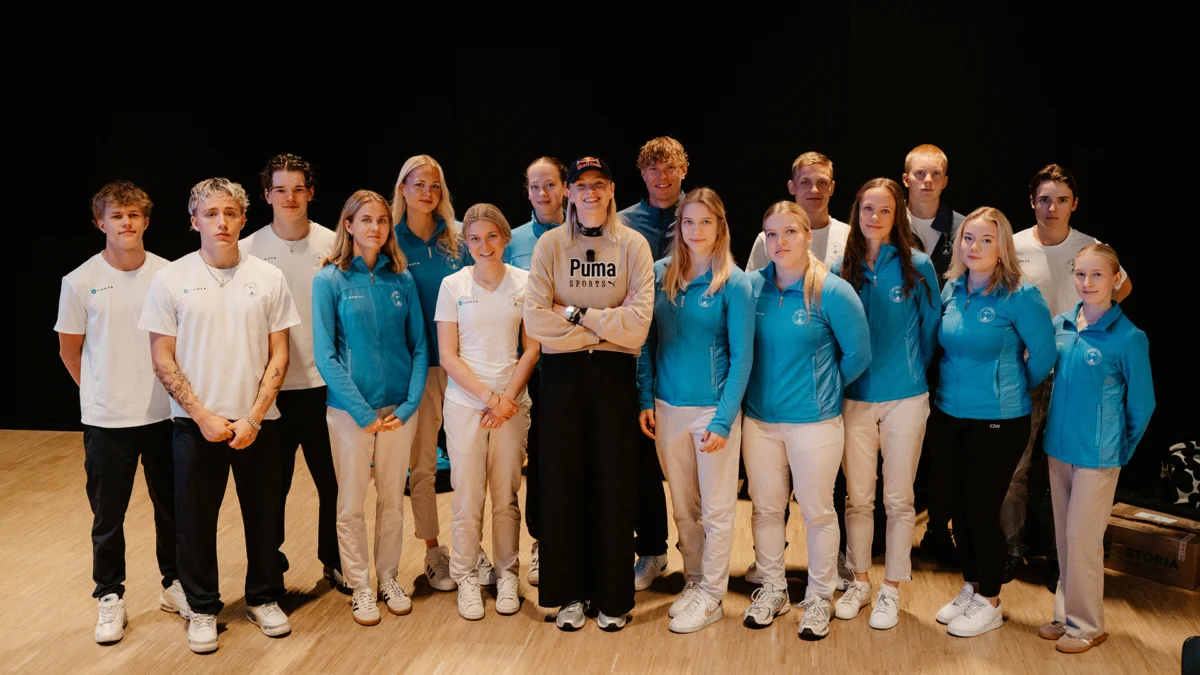
The recent team day, held on a crisp Tuesday, served as a focal point for the cohort’s collective growth. The event was structured to address the specific "pain points" identified by the athletes themselves in earlier surveys.
Morning Session: Branding and Communication
The day opened with an intensive workshop on marketing and media communication. In the modern era of athletics, an athlete’s influence extends far beyond their physical performance. Understanding how to manage a personal brand, engage with sponsors, and navigate media scrutiny is a prerequisite for professional longevity. The sessions provided actionable strategies for the athletes to build their professional profiles while maintaining the integrity of their sports careers.
Afternoon Session: Wisdom from the Elite
The highlight of the day was a keynote address by Wilma Murto, the renowned pole vaulter and multiple-time international championship medalist. Murto, who has navigated the transition from a teenage prodigy to an established world-class athlete, provided a candid look at the realities of the professional circuit.
She spoke at length about the psychological toll of high-level competition, the necessity of patience during injury recovery, and the importance of maintaining an "inner circle" of trusted advisors. For the 21 young athletes in attendance, Murto’s presence was not just inspirational; it was a blueprint. Her ability to synthesize her personal trials and triumphs into clear, tactical advice underscored the value of the Next Generation program’s peer-to-peer networking philosophy.
Supporting Data: Why "Next Gen" Matters
The necessity of this program is backed by significant data regarding the challenges faced by young athletes in the Nordic region. Studies consistently show that the transition from junior to senior elite sports is where the highest percentage of dropouts occurs.
Factors contributing to this include:
- Financial Disparity: As athletes reach the 18–22 age bracket, the costs of international training camps and high-level medical support often exceed the capacity of local clubs.
- Specialization Pressure: The risk of overtraining or injury is highest during this phase, necessitating higher-quality coaching and medical oversight.
- Mental Fatigue: The shift from a supportive school-sport environment to the solitary, results-driven nature of professional sports can lead to burnout.
The €10,000-per-athlete investment is calculated to alleviate these specific pressures. By providing a stable financial foundation, the Finnish Olympic Committee is essentially buying the athletes "time"—time to recover properly, time to travel to higher-quality competitions, and time to focus on mental health without the looming anxiety of training costs.
Official Responses and Strategic Vision
Representatives from the Finnish Olympic Committee emphasize that the program is designed to be agile. "We are not just handing out funds," noted a program spokesperson. "We are building a community. The strength of this program lies in the fact that it connects the athlete to the coach, and the coach to the broader Finnish sports infrastructure."
The decision to involve coaches in the team days is a deliberate strategic choice. The Committee recognizes that an athlete is only as strong as their support team. By fostering a network where coaches can exchange best practices regarding strength training, injury prevention, and tactical analysis, the program creates a "rising tide" effect that lifts the standard of coaching across all involved disciplines.
Wilma Murto’s participation also highlights the cultural shift the Committee is aiming for: a "mentorship-first" culture where successful veterans take an active role in grooming the next generation. Murto’s insights into the "mental game" of pole vaulting—where precision and fear management are equally important—mirrored the broader lessons the program hopes to impart to all its members, regardless of their specific sport.
Implications: The Future of Finnish Athletics
The long-term implications of the Next Generation Team Finland are significant. If successful, the program will effectively shorten the time it takes for a Finnish athlete to reach the world top. It aims to turn the "uncertainty" of elite sports into a "manageable process."
1. Competitive Advantage
By professionalizing the youth experience, Finland is positioning itself to be more competitive at future European Championships, World Championships, and Olympic Games. The data collected from the 21 athletes will also serve as a pilot study for future cohorts, allowing the Committee to refine their support models based on real-time performance and feedback.
2. A New Standard for Sports Governance
This initiative signals a move away from fragmented support systems toward a centralized, high-performance model. It forces collaboration between the national committee and various individual sports federations, ensuring that the athlete is the priority, not the administrative silos.
3. Societal Impact
Beyond the medals, the program aims to develop well-rounded individuals. The focus on media training and personal branding encourages athletes to view themselves as professionals and role models. This not only benefits the athlete’s career but also strengthens the public perception of sports in Finland, creating a more engaged fan base and attracting potential commercial partners for the future.
Conclusion: A Long-Term Commitment
As the team day concluded, the atmosphere was one of shared purpose. The 21 athletes, ranging from endurance runners to technical athletes, left with more than just a training plan; they left with a sense of belonging to a larger, professional organization that is invested in their individual success.
The Next Generation Team Finland is a bold experiment in sports development. It acknowledges that talent is abundant, but the path to success is fragile. By providing the financial, psychological, and networking resources necessary to navigate that path, the Finnish Olympic Committee is doing more than just waiting for the next superstar to emerge—they are actively building them.
As these young athletes continue their journey, the eyes of the nation will be watching. With the right support, the right mentorship, and a clear vision, the Next Generation of Finnish sport is not just a dream—it is a work in progress, being refined, one team day at a time.