Introduction
In a landmark development for the South Asian energy landscape, Japanese industrial giant Sumitomo Corporation has announced a strategic investment in a large-scale hybrid renewable energy project located in the southern Indian state of Karnataka. By acquiring a 49% stake in Clean Solar Power (Baniyana)—the special purpose vehicle (SPV) established to spearhead this initiative—Sumitomo has solidified its commitment to the Indian market. The project, developed in partnership with Hero Future Energies (HFE), the renewable energy arm of the esteemed Hero Group, represents a sophisticated approach to grid stability, combining wind and solar power with advanced Battery Energy Storage Systems (BESS) to provide reliable, round-the-clock (RTC) green electricity.
Main Facts: The Anatomy of a Hybrid Power Project
The project is a flagship model of "firm" renewable power, designed to overcome the intermittent nature of traditional solar and wind generation. Key technical specifications of the development include:
- Generation Capacity: The facility will boast approximately 500MWp (megawatt peak) of combined solar and wind capacity.
- Storage Integration: A critical component is the 200MWh (megawatt-hour) co-located battery energy storage system. This BESS is the linchpin that allows the project to mitigate the volatility inherent in renewable generation.
- Operational Commitment: The project is underpinned by a 25-year Power Purchase Agreement (PPA) with SJVN, a central public sector undertaking under the Government of India’s Ministry of Power.
- Deliverability: The PPA mandates that the facility must deliver consistent, reliable power, particularly during the high-demand peak morning and evening hours. This ensures that the electricity grid remains stable, regardless of the time of day or weather conditions.
Chronology: From Concept to Strategic Partnership
The partnership between Sumitomo and Hero Future Energies did not emerge in a vacuum but is the result of a deliberate, long-term strategic alignment.
- Initial Development Phase: HFE identified the Baniyana project in Karnataka as a high-potential site for a hybrid installation, leveraging the region’s high solar irradiation and wind velocity.
- Strategic Engagement: Discussions between the two firms began as both sought to capitalize on India’s massive energy transition. Sumitomo, which has been expanding its global footprint in sustainable infrastructure, recognized HFE’s strong track record in executing complex green energy projects.
- The Agreement: In October 2026, the two companies formalized their partnership, with Sumitomo taking its 49% stake in Clean Solar Power (Baniyana).
- Project Execution: With the capital infusion from Sumitomo and the technical expertise of HFE, the project is now entering a critical construction and implementation phase, aimed at meeting the stringent requirements of the SJVN PPA.
Supporting Data: The Global Context of Sumitomo’s Investment
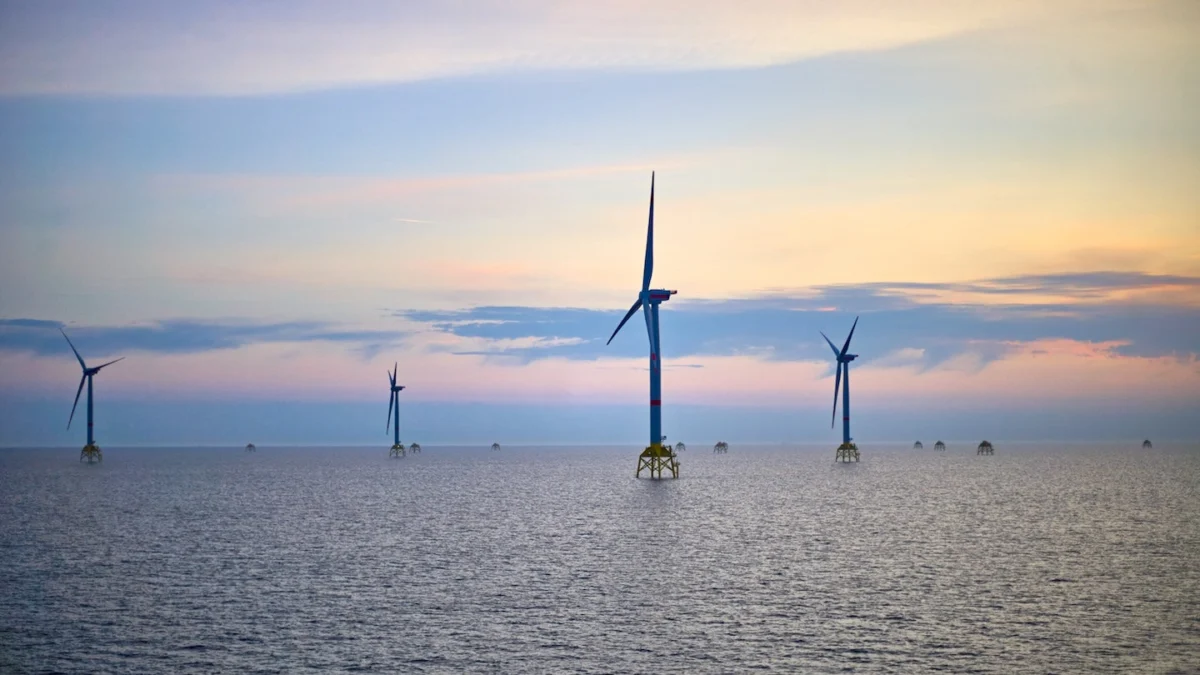
Sumitomo’s entry into the Indian market is not an isolated event; it is part of a wider, aggressive strategy to build a diversified, global green energy portfolio. This move follows the company’s recent acquisition of a 33.3% equity stake in the Gwynt Glas Offshore Wind Farm in the Celtic Sea, a project spearheaded by EDF and the Electricity Supply Board (ESB).
India’s Energy Landscape
The investment is strategically timed to support India’s national objective of achieving 500GW of non-fossil fuel-based power generation capacity by 2030. According to data from the Ministry of New and Renewable Energy (MNRE), India is currently one of the world’s fastest-growing markets for renewable energy, with massive demand driven by industrialization and the electrification of transportation.
The Role of Hybridization
The shift from standalone solar or wind farms to "hybrid" projects—coupled with BESS—is considered the "holy grail" of the energy transition. Without storage, solar generation peaks during the day and wind fluctuates, leading to potential grid congestion or shortages during peak evening hours. By co-locating these assets with 200MWh of battery storage, the Baniyana project can "shift" its output, effectively acting as a base-load power source that can compete with traditional coal-fired thermal power plants.
Official Responses and Strategic Perspectives
The collaboration was celebrated by leadership from both organizations, emphasizing the convergence of capital and technical capability.
Rahul Munjal, Founder and Chairman of Hero Future Energies:
"We are delighted to welcome Sumitomo Corporation as a strategic partner in this project. This partnership is an endorsement of HFE’s capabilities to execute complex renewable energy projects at scale. As India enters the next phase of its energy transition, partnerships such as the one with Sumitomo will play a critical role in bringing together capital and execution excellence to accelerate all-round adoption of clean energy."

Jun Minase, General Manager of the Overseas Energy Solution Strategic Business Unit at Sumitomo Corporation:
"We are very pleased to collaborate with Hero Future Energies. We see significant potential in HFE’s clearly defined growth ambitions, particularly as the share of renewable energy continues to grow rapidly within India’s energy mix. Our expertise in aggregation services and battery storage control will complement HFE’s on-ground execution capabilities."
Implications: A New Era for Indian Power Markets
The implications of the Sumitomo-HFE partnership extend far beyond the 500MW capacity of the Karnataka project.
1. Market Validation
For international investors, this partnership serves as a vote of confidence in India’s regulatory framework and the viability of long-term PPAs with government entities like SJVN. It proves that despite the complexities of land acquisition and grid integration, India remains a primary destination for global ESG (Environmental, Social, and Governance) capital.
2. Technological Evolution
The use of a 200MWh BESS to manage peak demand signals a turning point for Indian grid management. As the grid operator, the Power System Operation Corporation (POSOCO) will increasingly look to these types of hybrid projects to provide ancillary services, such as frequency regulation and voltage support, which are vital for a modern, digitalized grid.
3. Economic Impact
The investment is expected to catalyze local economic development in Karnataka. Beyond the construction phase, the project will require ongoing maintenance, technical monitoring, and supply chain logistics, creating skilled employment opportunities in a region increasingly known as a hub for renewable technology.
4. The Path to 2030
India’s goal of 500GW of non-fossil fuel capacity is ambitious, and it requires more than just generation—it requires "firming" capabilities. The HFE-Sumitomo model provides a blueprint for how future utility-scale projects can be structured to provide reliable power. By proving that renewables can be dispatched on demand, the project effectively removes one of the primary arguments against the large-scale retirement of coal plants: the need for reliable, baseload power.
Conclusion: A Collaborative Future
As the global energy sector pivots toward a decentralized and decarbonized future, the alliance between Sumitomo Corporation and Hero Future Energies stands as a testament to the power of international collaboration. By blending Japanese technological acumen in energy management with the local expertise and operational footprint of the Hero Group, the Baniyana project is more than just an energy facility; it is a vital component in the architecture of India’s sustainable future.
With the 25-year horizon of the PPA, this project is set to provide stable, clean energy for decades, supporting India’s economic growth while drastically reducing its carbon footprint. As both companies continue to explore further opportunities in the Indian market, the Karnataka project will likely serve as the benchmark for future hybrid renewable developments, paving the way for a cleaner, more resilient power grid.