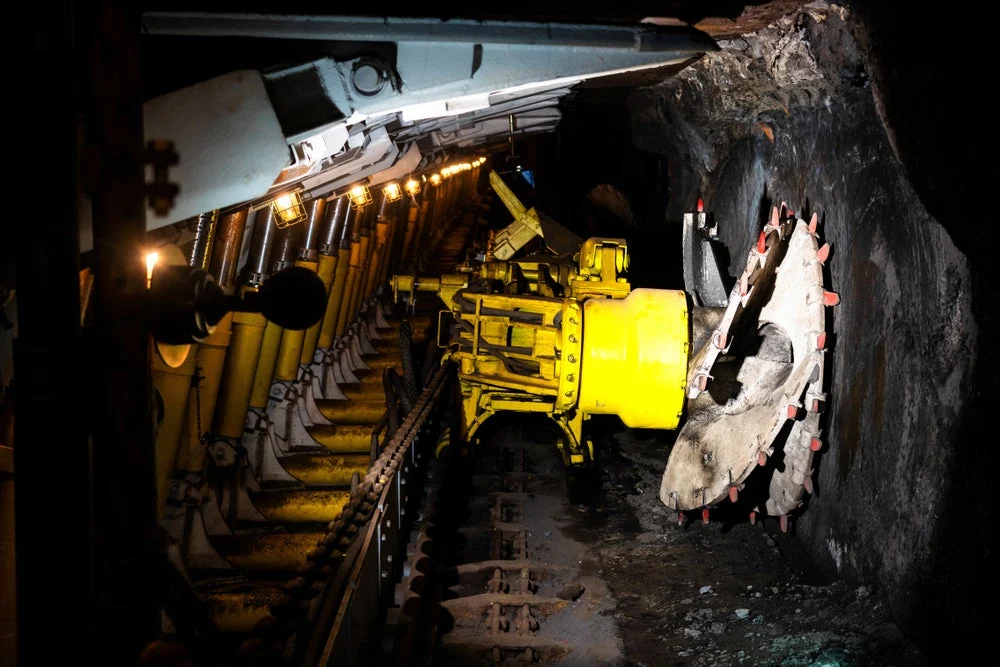
In the high-stakes world of mining, where margins are measured in uptime and productivity, hydraulic cylinders serve as the literal muscles of the operation. From the immense lifting beams of surface excavators to the critical powered roof supports in subterranean tunnels, these cylinders provide the force necessary for nearly every mechanical movement. Yet, they remain one of the most vulnerable points in a mine’s infrastructure.
As the industry shifts toward higher efficiency and longer maintenance intervals, the focus is increasingly turning to preventative solutions. Among these, protective cylinder boots—most notably the Seal Saver system—are emerging as a critical line of defense against the relentless degradation caused by the mining environment. By shielding exposed rods and seals, operators are not merely protecting parts; they are safeguarding the operational continuity of the entire mine.
The Vulnerability of Hydraulic Systems in Mining
Hydraulic cylinders are precision-engineered components designed to operate under immense pressure. However, their reliance on smooth, exposed rods creates an inherent design weakness when deployed in the field.
In a typical mining environment, a cylinder’s rod is subjected to a constant barrage of abrasive dust, mud, high-pressure water, and sharp rock fragments. As the rod extends and retracts, it acts as a conveyor belt, drawing these contaminants directly toward the critical sealing interface. Once particulate matter reaches the seal, it triggers a destructive chain reaction.
The microscopic debris scores the surface of the rod, creating pits and scratches. These imperfections then act as channels for hydraulic fluid to leak past the seal, simultaneously allowing more contaminants to enter the internal system. This cycle of wear not only leads to fluid loss—which is both a cost and an environmental hazard—but also risks catastrophic failure of the entire hydraulic circuit.
Chronology of a Failure: How Contamination Escalates
The degradation of a hydraulic cylinder rarely happens overnight; it is a progressive, cumulative process that often goes unnoticed until the damage is irreversible.
- Initial Exposure: The rod is extended into an area laden with coal dust, silica, or wet slurry. A thin film of this material adheres to the rod’s surface.
- Ingress: During the retraction cycle, the seal attempts to wipe the rod clean. If the contamination is abrasive or packed with moisture, it bypasses the wiper seal.
- Mechanical Scoring: Once inside, the trapped grit acts like sandpaper against the polished steel of the rod. Even a single deep score can compromise the integrity of the hydraulic seal.
- Seal Deterioration: The compromised seal loses its ability to hold pressure. Internal leakage begins, leading to a loss of power and efficiency in the machinery.
- Systemic Failure: If ignored, the pitted rod continues to tear the seals until the cylinder can no longer hold its load. At this point, the machine must be taken out of service, leading to unplanned downtime and the necessity of a full overhaul.
The Seal Saver Solution: Engineering a Flexible Barrier
To interrupt this cycle, Fluid Control Services developed the Seal Saver, a protective boot engineered to act as an external armor for hydraulic cylinders. Unlike rigid covers that may impede the motion of the equipment, the Seal Saver is a flexible, accordion-style boot that expands and contracts in synchronization with the cylinder’s movement.
"Hydraulic systems deliver exceptional power and precision in mining, but their exposed rods and seals are often the first components to suffer when dirt, water, chemicals, or extreme temperatures enter the equation," explains Leigh Carlson, CEO of Fluid Control Services.
The effectiveness of this technology lies in its material composition. Modern Seal Saver boots are manufactured from advanced polymers designed to withstand the extreme chemical and physical stresses found in mining. Whether it is exposure to caustic chemicals, the searing heat of underground operations, or the biting cold of surface pits, these boots provide an impermeable barrier. Furthermore, because each boot is custom-fitted to the specific geometry of the machine, it provides a tailored seal that does not restrict the machine’s range of motion.
Official Perspectives: The Reliability Challenge
The industry’s move toward "preventative reliability" is a response to the rising costs of field maintenance. Removing a massive hydraulic cylinder in an underground drift or on a remote surface site is a logistical nightmare. It requires specialized equipment, safety lockdowns, and highly skilled labor, often in environments that are poorly suited for precision mechanical work.
By installing a protective boot, the maintenance paradigm shifts from reactive repair to proactive preservation. "A protective boot acts as a first line of defense, shielding exposed rods and seals from the contaminants that can lead to scoring, fluid degradation, and eventual system failure," notes Carlson.
This perspective is supported by maintenance managers across the mining sector who have identified that the cost of a protective boot is often a fraction of the cost of a single seal kit replacement or rod re-chroming job. By extending the mean time between failures (MTBF), mine operators can align their maintenance schedules with planned production shutdowns, rather than reacting to machine breakdowns that stop the flow of ore.
Implications for Mine Safety and Operational Efficiency
The decision to implement cylinder protection has far-reaching implications that extend beyond the balance sheet.
1. Enhanced Safety Protocols
Maintenance on large mobile equipment is a significant safety risk. Disassembling hydraulic lines under pressure or working around suspended loads during cylinder removal increases the likelihood of workplace accidents. By reducing the frequency of these interventions, operators naturally reduce the exposure of their maintenance crews to hazardous work environments.
2. Streamlined Maintenance Logistics
One of the most praised aspects of the Seal Saver design is its ease of installation. Traditional bellows or rigid guards often require the hydraulic system to be fully disassembled—a process that can take hours or even days. The Seal Saver, however, is designed to be installed without removing the cylinder. With simple fasteners and basic tools, technicians can retrofit existing fleets in the field. This "field-ready" capability means that reliability upgrades can be integrated into regular maintenance intervals without needing to move equipment to a central workshop.
3. Sustainability and Fluid Management
Hydraulic fluid leaks are not just a financial loss; they are a significant environmental concern. By preventing seal failure, protective boots ensure that hydraulic fluid remains contained within the closed-loop system. This contributes to better environmental compliance and reduces the risk of soil or water contamination, a key performance indicator (KPI) for modern, ESG-conscious mining companies.
The Future of Mining Reliability
As mining operations delve deeper and move into increasingly harsh environments, the machinery used to extract resources must become more resilient. While there is no way to eliminate the presence of abrasive dust or corrosive water, the ability to isolate these elements from the most sensitive parts of the machine is a major leap forward in operational maturity.
The use of protective barriers like the Seal Saver represents a shift toward "smart maintenance." It is an acknowledgment that the environment cannot be changed, so the equipment must be adapted to survive within it.
"Protecting a hydraulic cylinder is not just about preserving a component—it’s about maintaining uptime, productivity, and the profitability of the machine it powers," Carlson concludes.
For mining executives and fleet managers, the message is clear: the path to higher profitability is paved with small, strategic investments in protection. By mitigating the risks of contamination before they translate into mechanical failure, operators can ensure that their equipment continues to perform at peak capacity, shift after shift, regardless of the challenges posed by the earth beneath them.
To learn more about how to optimize the longevity of your heavy machinery, mine operators are encouraged to consult technical whitepapers on hydraulic protection and evaluate the integration of protective shielding into their existing preventative maintenance programs.