By Samuli Haapasalo
Originally published in "Vuosi luonnossa" (A Year in Nature), September 22, 2026
As the nights grow longer and the temperature begins its steady decline toward the freezing point, the rhythm of the Finnish forest undergoes a profound transformation. For those who cherish our local birdlife, this transition marks the critical period to begin preparations for winter feeding. While many general guidelines exist on the Suomen Luonto website regarding basic bird feeding, the current season—late September—demands a more nuanced, strategic approach to truly benefit the forest’s most vulnerable inhabitants.
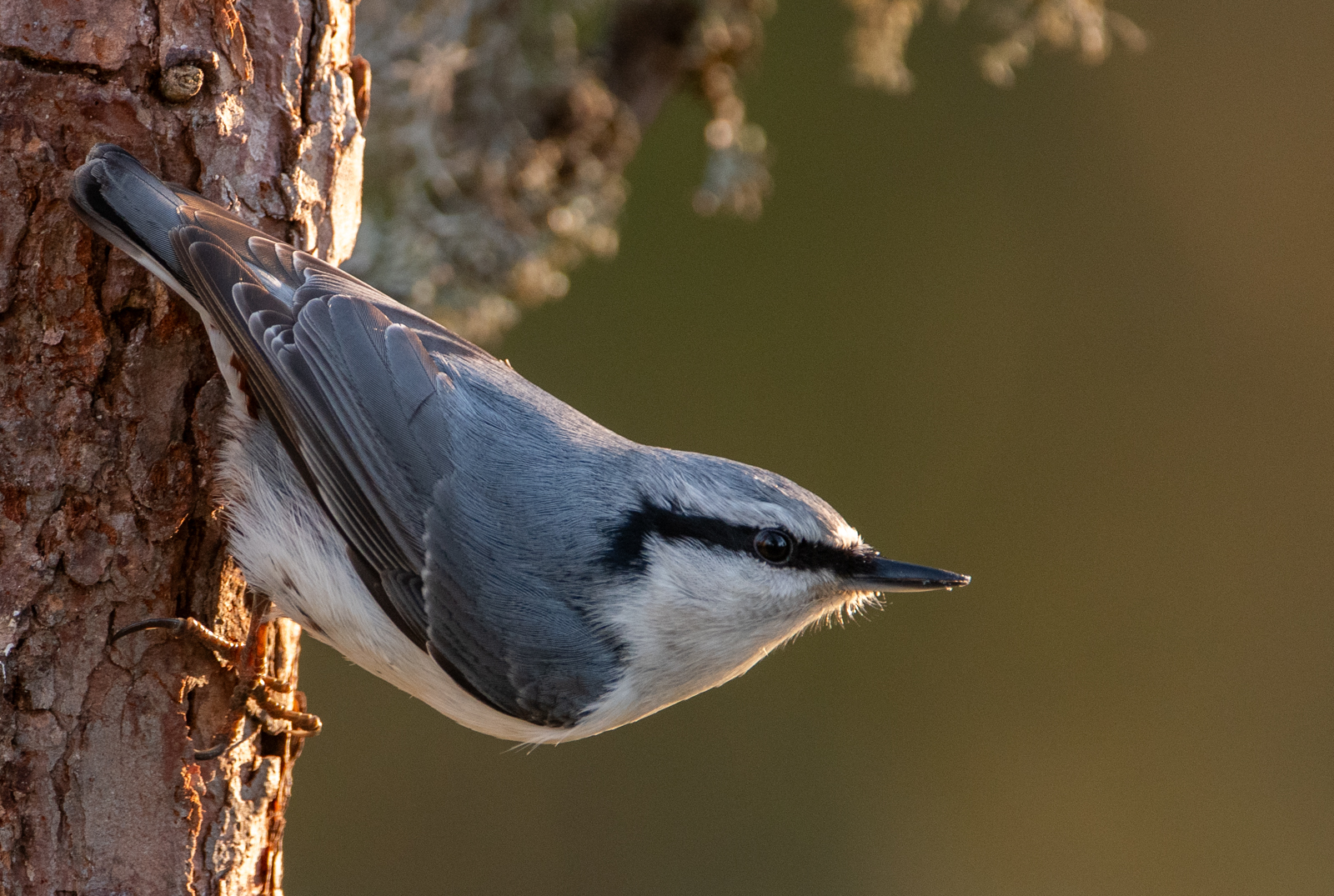
Main Facts: The Strategic Approach to Winter Feeding
Winter feeding is not merely a hobby; it is a vital intervention for many species that struggle to find enough energy to survive the harsh Nordic winter. However, the efficacy of this support depends heavily on where and how the feeding is conducted.
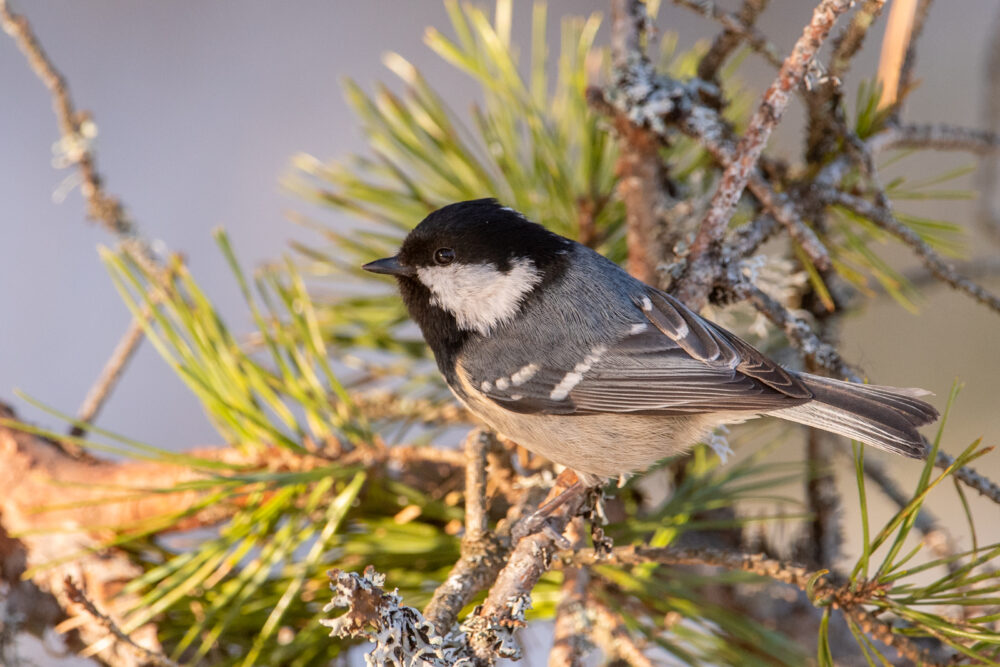
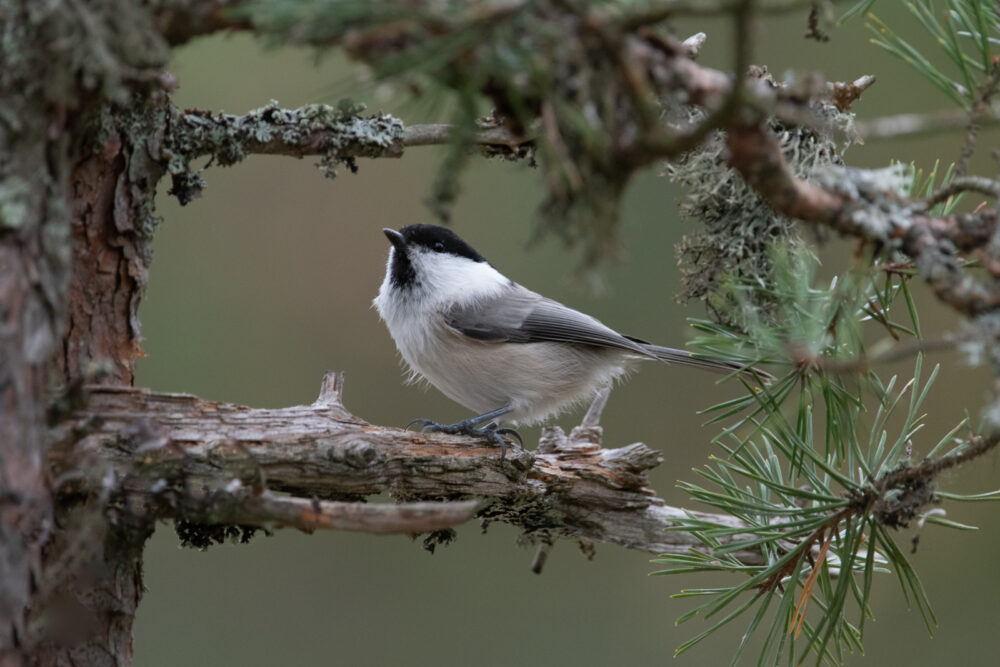
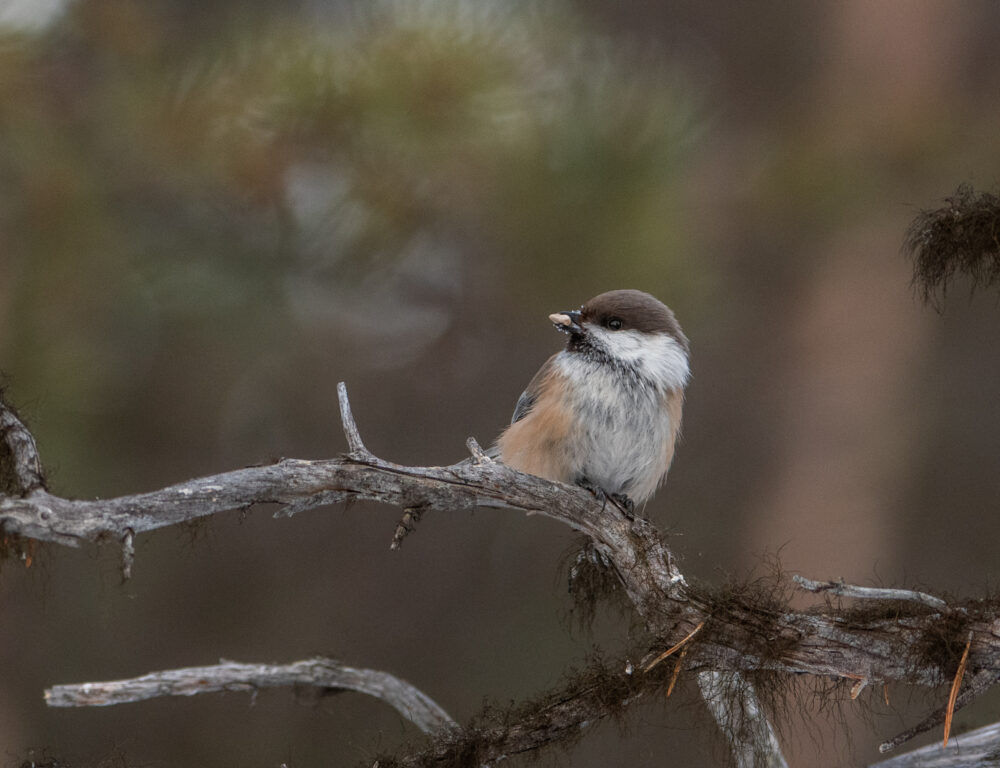
The primary goal for any bird enthusiast should be to support the "forest tits"—the willow tit (hömötiainen), crested tit (töyhtötiainen), coal tit (kuusitiainen), and in the northern reaches of the country, the Siberian tit (lapintiainen). These species are often under pressure due to habitat loss and fragmentation. By establishing feeding stations deep within forest environments where these birds naturally forage, you increase the likelihood of attracting them and providing a sustainable lifeline throughout the season.
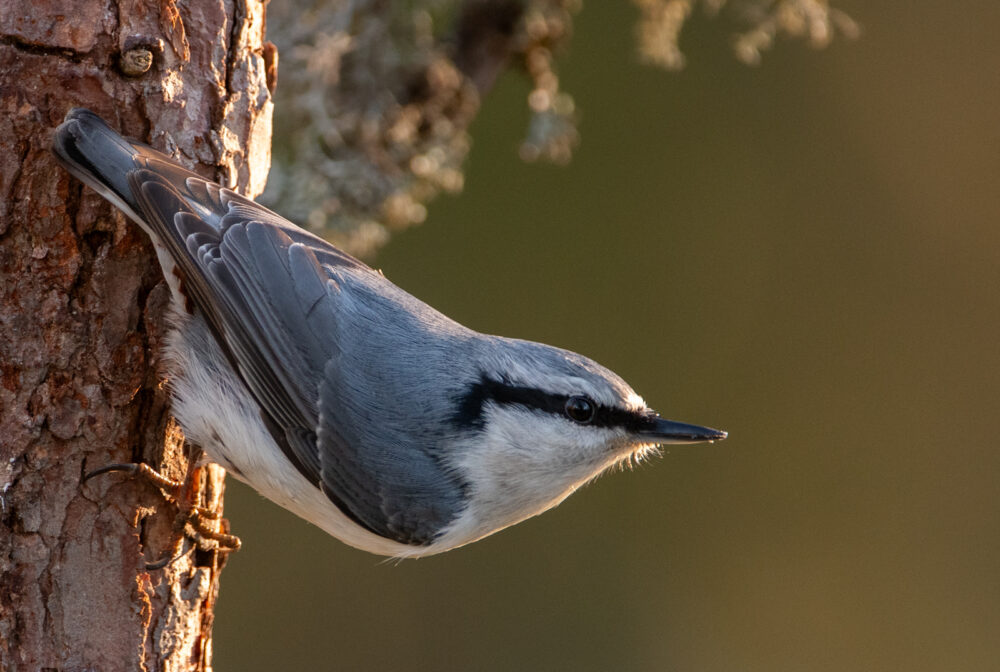
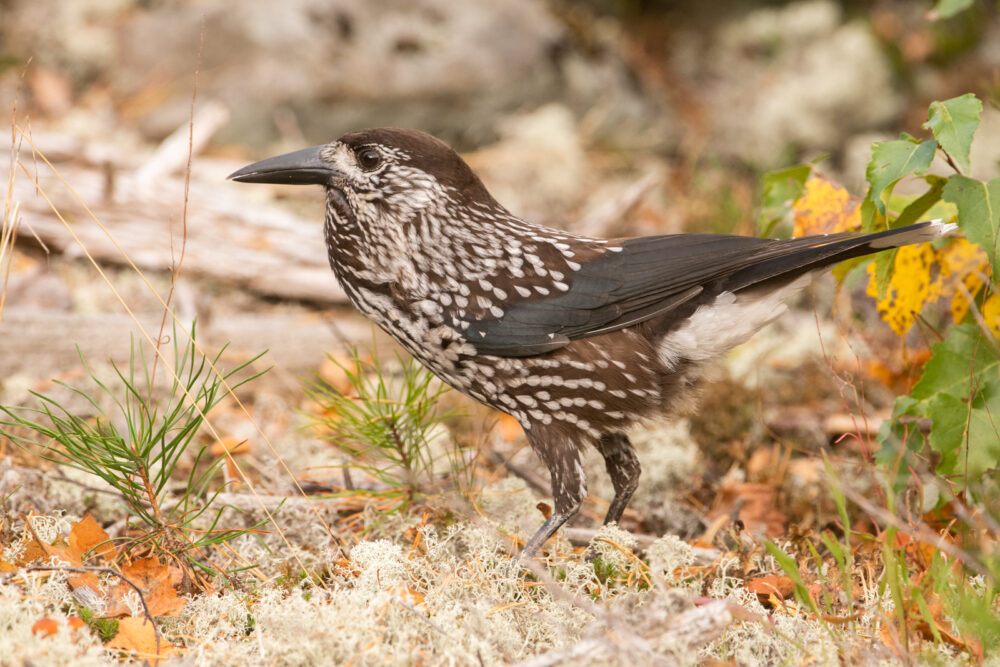
Furthermore, feeding is not just for the birds that frequent our backyards. If you are diligent, you can attract more elusive, wandering species like the nuthatch (pähkinänakkeli) and the spotted nutcracker (pähkinähakki). To succeed in this, timing is paramount. The feeding must be established early—ideally right now—before the deep frost sets in.
Chronology of the Season
Early September: The transition phase. As autumn settles in, migratory patterns shift. It is the ideal time to clear feeders from summer debris and ensure that high-quality, clean, and locally sourced seeds are available.
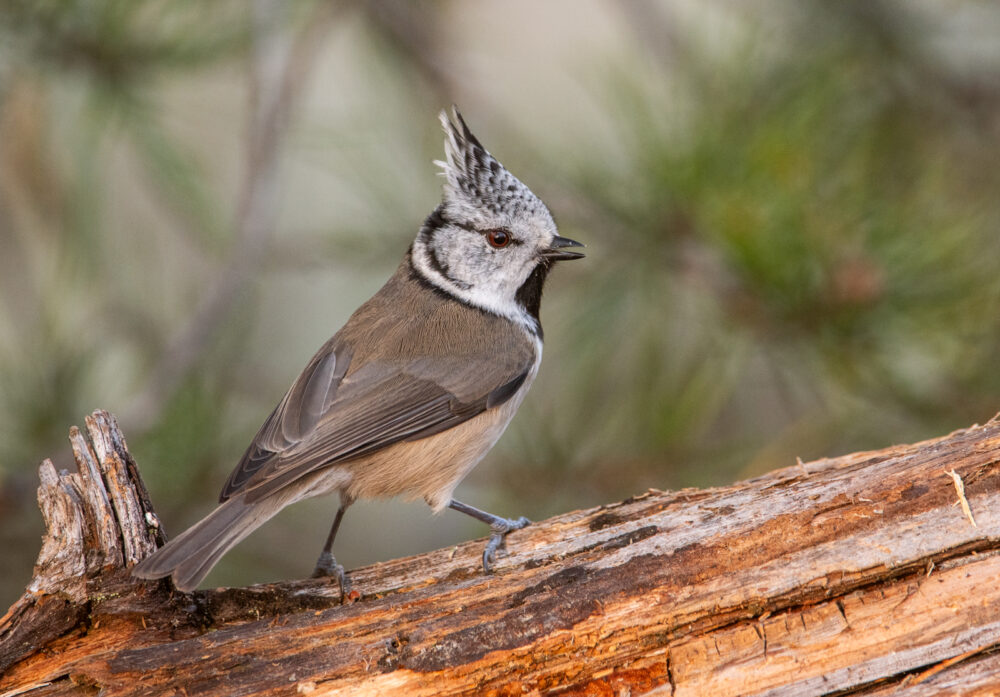
Late September: The critical window. This is the moment to start consistent feeding. The nuthatch, a clever and agile climber, begins scouting for reliable winter food sources as the nights turn colder. If a feeder is established now, these birds are more likely to adopt it as a "home base" for the winter months.
Throughout the Winter: Maintenance and monitoring. Consistent food supply is the key to avian survival. Fluctuations in supply can force birds to expend precious calories searching elsewhere.
Late Winter/Early Spring: The preparation for nesting. As winter wanes, the focus shifts from survival to reproduction. This is when the provision of nesting boxes (specifically those with 28mm entrance holes) becomes a critical supporting measure for the tits that have survived the winter on your watch.
Supporting Data and Observations
The current year has seen a significant migration of the spotted nutcracker. Observations suggest that these birds are moving in larger numbers than usual, making this an exceptional season to potentially host this beautiful, chocolate-brown visitor at your feeder.
Understanding Avian Behavior
There is a fascinating contrast in how different species manage their winter resources:
- The Nutcracker: These birds are masters of preparation. They carry nuts in their throat pouches, transporting them deep into the forest to hide them in caches for later use.
- The Nuthatch: In contrast, the nuthatch typically carries its prize in its beak, often wedging it into bark crevices to crack it open.
Providing crushed or halved nuts is the most effective way to cater to these specialized feeding habits, though standard high-quality seeds remain a staple for the broader bird population.
Woodpeckers and Specialized Diets
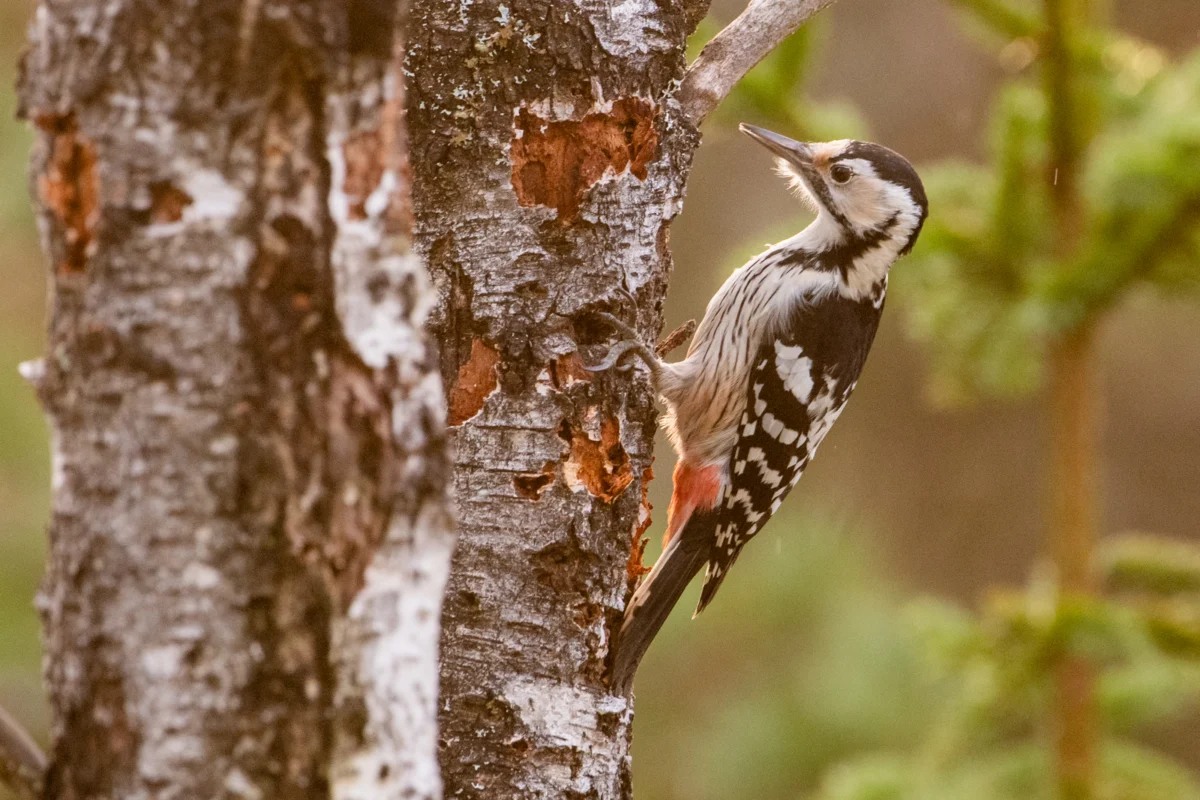
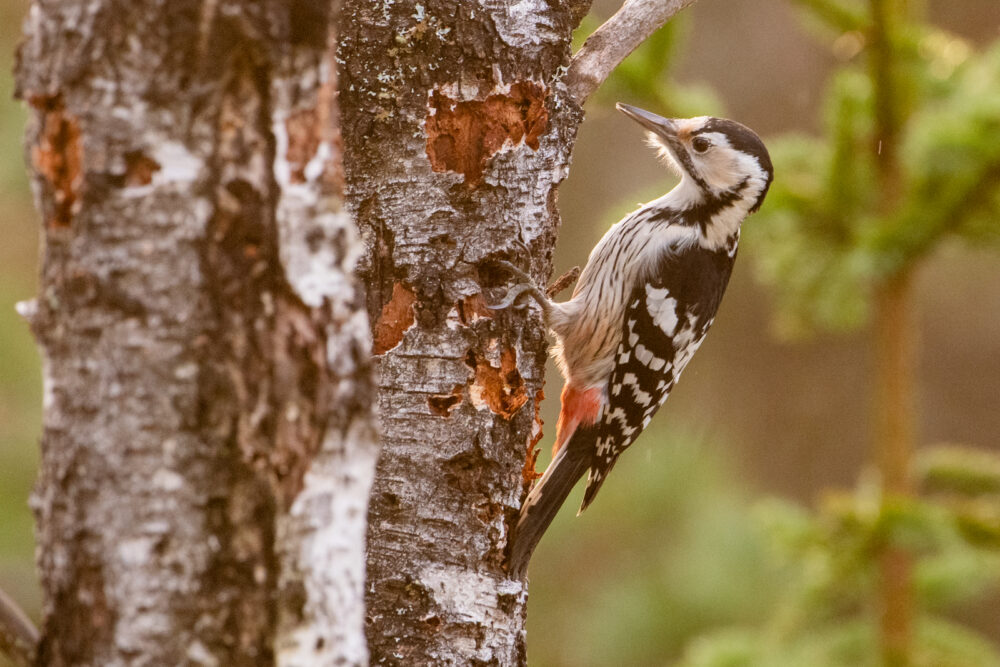
It is a common misconception that woodpeckers are difficult to attract to residential or forest-edge feeders. In reality, almost all Finnish woodpecker species—including the elusive white-backed woodpecker (valkoselkätikka), the lesser spotted woodpecker (pikkutikka), the grey-headed woodpecker (harmaapäätikka), and the black woodpecker (palokärki)—can be lured with the right approach. While fat bars and raw, unsalted lard (attached directly to the tree trunk) are the gold standard for these species, I have personally observed white-backed woodpeckers gorging themselves on shelled sunflower seeds.
Implications for Conservation
The broader implication of intentional bird feeding is the stabilization of local populations. By focusing on species that are increasingly threatened, such as the willow and crested tits, individual landowners and nature enthusiasts play a direct role in biodiversity preservation.
Beyond the Feeder: Nesting Support
Feeding is only one half of the equation. As we move through the winter, we must look toward the coming spring. Providing nesting boxes is an essential act of stewardship. For the willow and crested tits, the following measures are highly recommended:
- Filling with Wood Shavings: Some boxes can be partially filled with fine wood shavings, which these birds will then excavate, simulating a natural nesting cavity.
- The "Pökkelö" Method: Attaching a piece of decaying birch log (a "pökkelö") to a tree trunk is an excellent way to provide a natural, rot-friendly environment. Creating a small gap behind the bark allows tits to peck their own entrance holes, mirroring their natural behavior in undisturbed, old-growth forests.
Professional Best Practices
To ensure that your efforts have a positive impact rather than a negative one, adhere to these professional standards:
- Source Locally: Always prioritize seeds grown in Finland. This reduces the carbon footprint of your feeding efforts and ensures the produce is not carrying invasive seeds or contaminants from foreign regions.
- Organic and Clean: Seek out organic, weed-free seeds. Poor-quality feed can introduce unwanted pathogens to the bird population, especially in the close-contact environment of a feeder.
- Hygiene: Maintain strict cleanliness at your feeding station. Regularly scrub feeders to prevent the spread of diseases such as salmonella, which can be devastating to local flocks during the winter months.
- Prioritize the Vulnerable: While it is easy to feed the most common species, design your station with the specific needs of the willow, crested, and Siberian tits in mind. They are the true ambassadors of the Finnish forest, and they are the ones who benefit most from your commitment.
Conclusion: A Call to the Forest
Nature is not a static picture; it is an active, ongoing process that requires our participation. As we head into the winter of 2026, let us not be passive observers. Whether it is through the meticulous maintenance of a feeder in a quiet corner of the woods or the construction of a nesting box that will house the next generation of tits, our actions ripple through the ecosystem.
Enjoy the silence of the winter forest, observe the terhaka (brisk) movements of the crested tit, and take pride in the fact that you are providing a sanctuary for the creatures that define our wild landscape. Let us go to the forest, let us provide, and let us ensure that our feathered friends endure the frost to greet the spring.