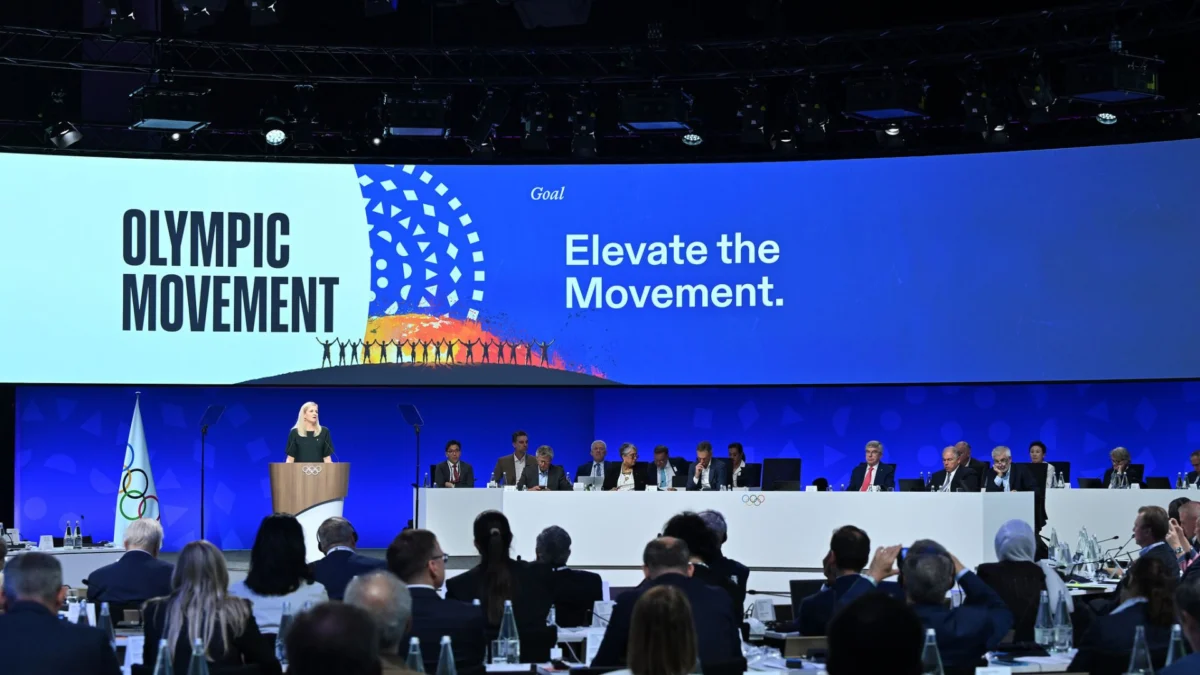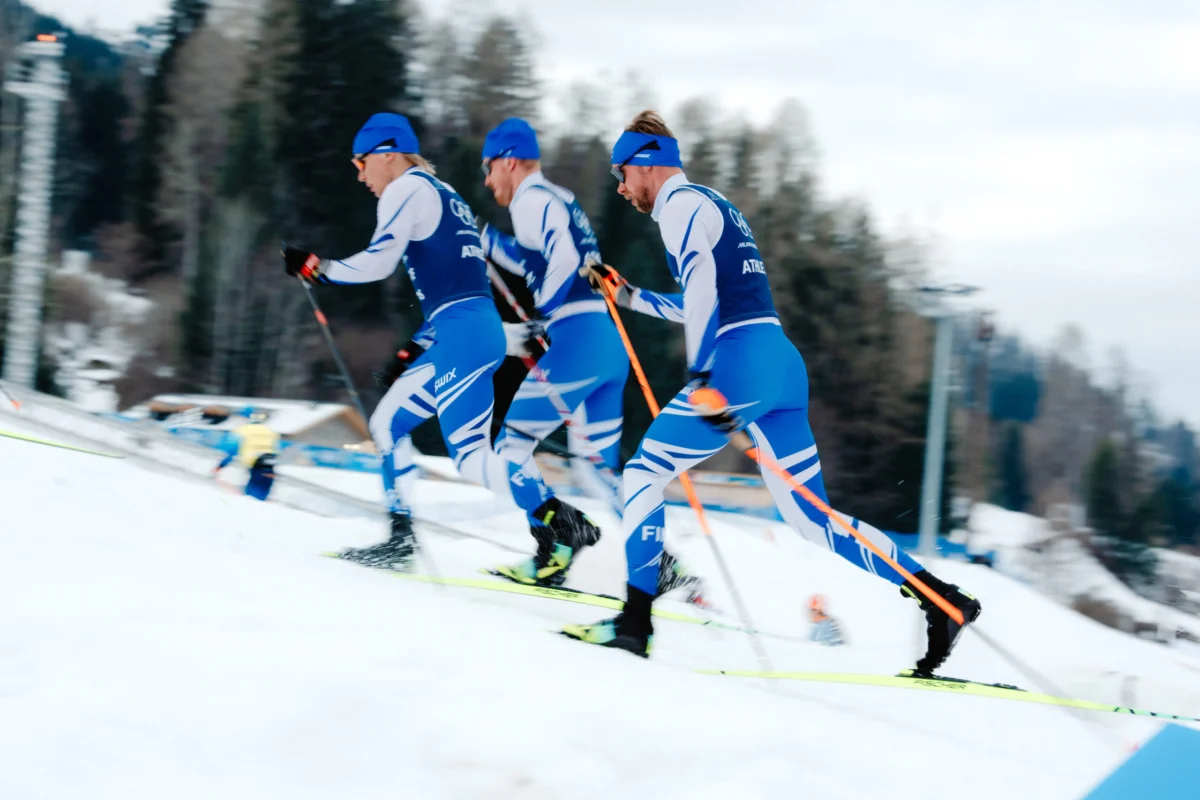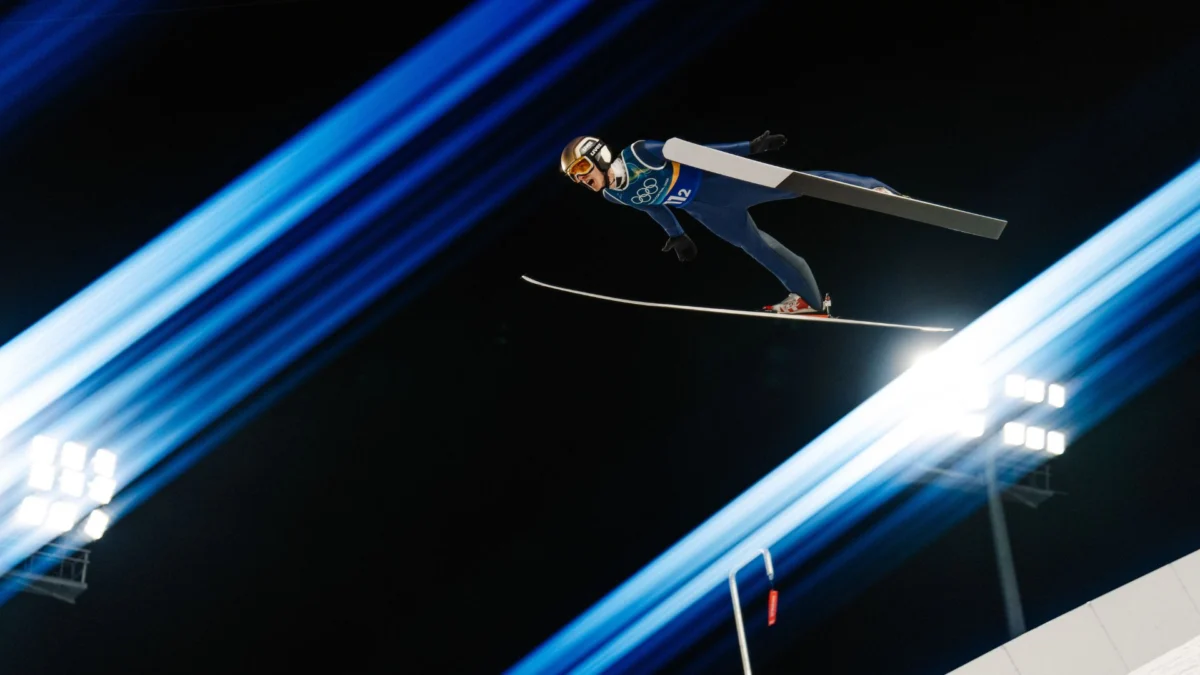
The path to athletic excellence is rarely a straight line. It is a complex, multi-layered journey that begins with a child’s first tentative steps into a sports club and often culminates in the high-pressure, global arena of the Olympic Games. In Finland, the Olympic Committee acts as the architect of this ecosystem, orchestrating a diverse network of coaches, clubs, sports academies, and academic institutions to ensure that every athlete, from the playground to the podium, has the support necessary to thrive.
As the sports landscape undergoes rapid societal changes, the Finnish Olympic Committee is recalibrating its strategy. By fostering collaboration, standardizing training methodologies, and redefining what it means to support an athlete in the 21st century, the organization is looking to secure the future of Finnish success on the international stage.
1. Main Facts: The Evolution of the Finnish Sports Ecosystem
At its core, the Finnish sports model is shifting from a fragmented, tradition-heavy structure to a more integrated, data-driven approach. The primary challenge identified by leadership is a decline in children’s physical activity, an earlier specialization in single sports, and an alarming rate of attrition in club participation.
To address these issues, the Olympic Committee is rolling out the "Children’s Sports Agreement," a landmark initiative set to launch this November. This agreement aims to harmonize competition systems, optimize training costs, and increase the sheer volume of movement for children under the age of 13. By covering over 90 percent of licensed youth athletes in Finland, the agreement serves as a foundational pillar for structural reform.
Simultaneously, the "Tähtiseura" (Star Club) program is being overhauled. Once an evaluative tool, the program is evolving into a development-centric framework. It provides clubs with the expertise and resources to audit their own internal cultures, identifying both their strengths and the areas where they fall short of modern pedagogical standards.
2. Chronology: From Playground to Olympic Podium
The journey of an athlete is defined by distinct stages, each requiring a different level of systemic support.
The Foundation: The First Years of Hobbyism
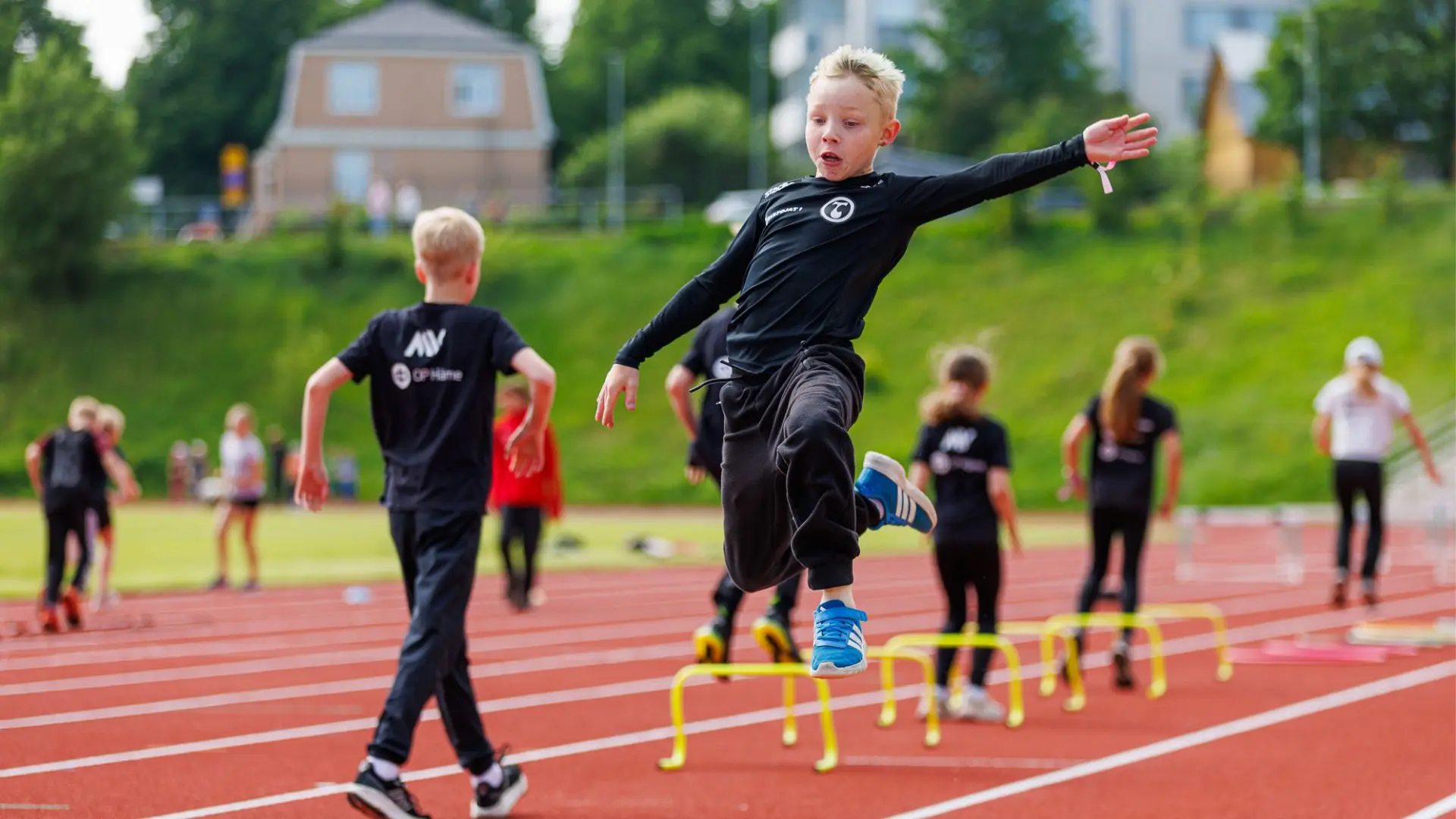
For a child, the first few years in a club are the most critical. This is where the lifelong love of physical activity is either ignited or extinguished. If the experience is positive, the child is significantly more likely to remain in the sport. However, the current trend of early specialization and early dropout presents a systemic risk. The goal for the coming years is to stabilize the grassroots level, ensuring that the "joy of movement" remains the priority over early performance metrics.
The Development Phase: The Role of the Coach
The first coach a child encounters is arguably the most influential person in their sporting career. Beyond teaching technical skills, these coaches set the tone for the child’s relationship with competition and failure. The Olympic Committee is currently working to establish a national competency system for coaching and sports management. This system aims to ensure that regardless of the sport or the region, coaches have access to a consistent, high-quality standard of education.
The Transition: The Dual-Career Pathway
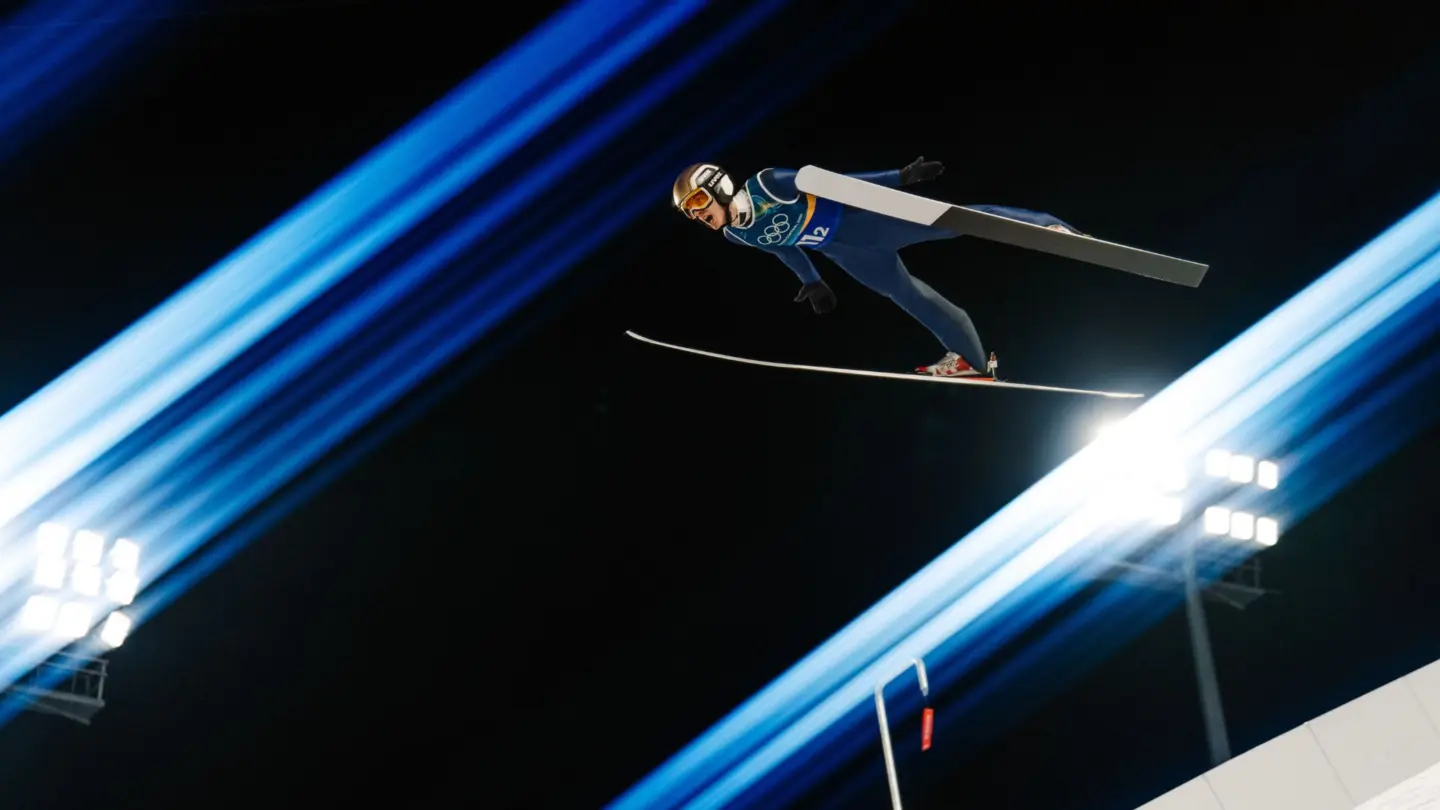
As an athlete enters the upper secondary school phase, the pressure mounts. The volume of training increases exponentially, colliding with the rigorous demands of academic education. Here, the national sports academy network plays a pivotal role. By coordinating between municipalities, schools, and federations, the academy network provides the structure necessary for a "dual career," where academic success and athletic achievement are not mutually exclusive but mutually reinforcing.
The Peak: Elite Performance and Global Competition
At the highest level, the focus shifts to optimization. Following the Paris 2024 Olympic cycle, Finland initiated a rigorous review of its elite performance model. This included a top-to-bottom re-evaluation of how state-funded athlete grants and federation subsidies are distributed. The goal is to focus resources where they have the highest potential for impact, moving away from broad-based funding toward a more targeted, performance-aligned system.
3. Supporting Data: Why Change is Essential
The urgency for these reforms is rooted in shifting demographics and changing lifestyle habits. According to internal reports from the Olympic Committee, the following trends have informed their current strategy:
- Participation Trends: While the total number of children in sports remains significant, the "retention rate" drops sharply after the age of 13.
- Economic Barriers: The rising cost of high-level training is creating a "social filter," where only families with significant resources can sustain an athlete’s path to the national level. The Children’s Sports Agreement seeks to mitigate these costs through shared administrative and competition resources.
- Competitive Disparity: Compared to top-tier "reference countries" (nations with similar populations and sports cultures), Finland has historically had a more decentralized approach to expertise. By centralizing coaching knowledge and fostering cross-disciplinary "sparring groups," the Committee aims to bridge the gap between Finnish performance and international benchmarks.
4. Official Responses: The Leadership Perspective
Liisa Ahlqvist-Lehkosuo: Improving the Culture of Coaching
"The situation is currently challenging," says Liisa Ahlqvist-Lehkosuo, Director of Sports at the Olympic Committee. "Children are moving less, yet they are starting specialized training earlier. We are losing people from the system too soon. Our goal with the Children’s Sports Agreement is to create a common path that prioritizes the health and longevity of the child, not just the short-term result."
Regarding the systemic changes to coaching, Ahlqvist-Lehkosuo emphasizes that a culture change cannot be mandated by a single decision. "We need a common competency system for coaching and leadership. We need to ensure that research, international best practices, and practical knowledge flow freely through the entire Finnish sports community. It is about building a system where we know exactly what skills are needed at each stage of an athlete’s life."
Janne Hänninen: The "Everyday" Philosophy
Janne Hänninen, Director of Elite Sports, views the post-Paris period as a necessary transformation. "After the Paris Olympics, we went through a significant ‘re-shuffling’ of our structures," Hänninen explains. "We have worked closely with the Ministry of Education and Culture to tighten the criteria for grants and subsidies. We want to be clear about where the money is going and why."
Hänninen’s vision for the future is remarkably simple: prioritize the daily grind. "The most important thing is that we stop talking only about structures and processes. We must focus on improving the daily life of the sport. The best nations in the world succeed because they have mastered the daily routine. Our job as the Olympic Committee is to clear the path so that athletes and coaches can master that routine."
5. Implications: The Future of Finnish Athletics
The long-term success of these initiatives will be measured by two primary indicators: the health and activity levels of the youth population and the medal count and competitiveness of the Finnish team at future Olympic Games (such as the 2026 Milano-Cortina Winter Olympics).
A Shift Toward Integration
The primary implication of this new strategy is a move toward a "holistic athlete" model. By integrating the Tähtiseura program with the Children’s Sports Agreement, the Olympic Committee is signaling that the quality of a local sports club is now a matter of national strategic importance.
The "Dual-Career" as a Standard
The commitment to lobbying the Ministry of Education and Culture for better dual-career support suggests that Finland is moving toward a system where being an elite athlete is legally and structurally protected. This reduces the "all-or-nothing" risk for young athletes, potentially increasing the talent pool as more young people feel safe pursuing professional sports without sacrificing their academic future.
Culture Over Hardware
Perhaps the most significant shift is the philosophical move away from "hardware-heavy" solutions. By prioritizing the culture of coaching and the quality of the daily training environment over mere infrastructure, the Finnish Olympic Committee is betting on human capital. If they succeed, the result will be a more resilient, better-trained, and more mentally prepared generation of Finnish athletes who can compete on equal footing with the global giants of sport.
As the country looks toward the 2026 Winter Games and beyond, the message is clear: the path to the podium is paved in the local club, through the daily guidance of a skilled coach, and within an ecosystem that supports the individual as much as the athlete.