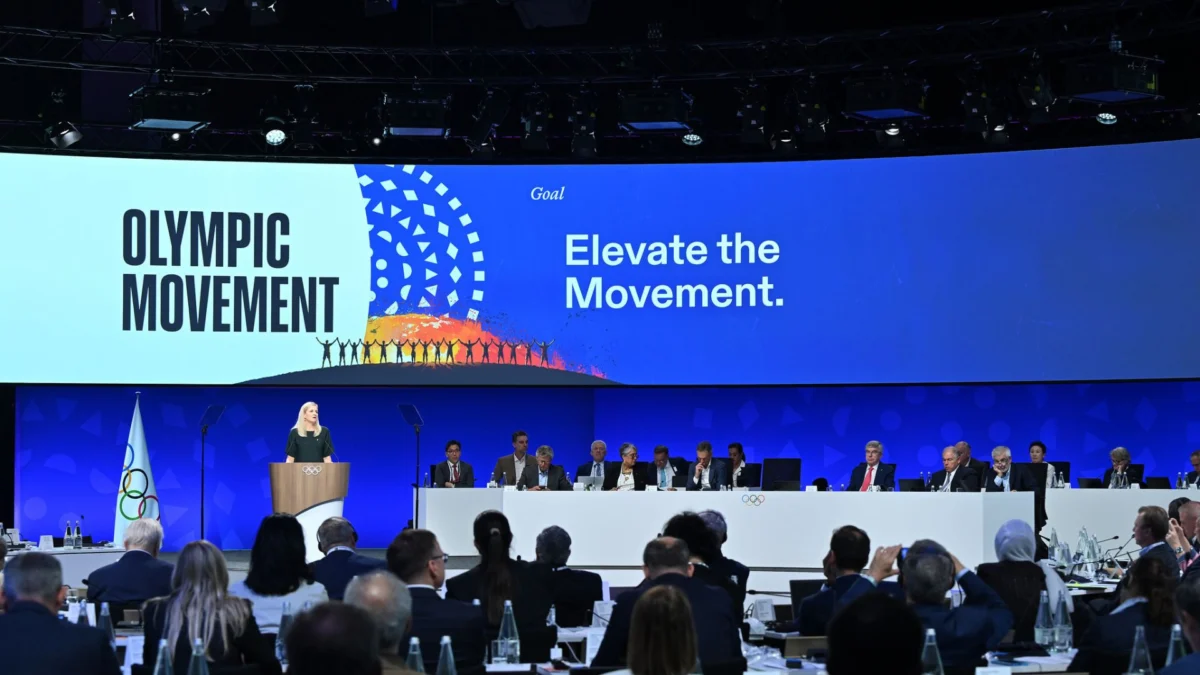
LAUSANNE, Switzerland – The landscape of global sport shifted significantly this week as the International Olympic Committee (IOC) convened for its 146th Session. Held in the historic heart of the Olympic movement, Lausanne, the extraordinary general assembly—which commenced on June 24, 2026—served as the unveiling platform for a sweeping strategic overhaul titled "Fit for the Future" (F4F).
Under the leadership of IOC President Kirsty Coventry, the organization is charting a new course designed to modernize the Olympic Games, enhance athlete support, and ensure the sustainability of the Olympic brand in a rapidly fragmenting digital and geopolitical climate.
Main Facts: The "Fit for the Future" Mandate
The F4F program represents more than just a procedural update; it is a fundamental re-evaluation of how the IOC functions in the 21st century. The core pillars of the initiative, which were formally adopted by the IOC membership during the two-day session, include:
- Financial Empowerment for Athletes: A landmark decision to provide every athlete competing in the Olympic Games with a direct financial support package of $10,000 USD via the IOC Solidarity fund.
- Program Modernization: A commitment to auditing and revising the Olympic sport program to ensure a sustainable balance between heritage sports and the fast-growing, youth-oriented disciplines that have gained traction in recent years.
- Organizational Transparency: A structural shift toward more inclusive governance, promising clearer communication and decision-making processes regarding the selection of host cities and the composition of the sports program.
- Strategic Agility: Implementing a streamlined internal review process to allow the IOC to react more quickly to global socio-economic shifts that impact the viability of international sporting events.
The 146th Session served as the definitive ratification of these goals, signaling to the global sporting community that the IOC is moving away from rigid, legacy-heavy decision-making toward a more agile, athlete-centric model.
Chronology of the 146th IOC Session
The events of June 24–25, 2026, were the culmination of months of behind-the-scenes consultation.
Pre-Session Phase (Early 2026): President Kirsty Coventry initiated a series of global roundtables. Unlike previous high-level IOC initiatives, these consultations extended beyond the inner circle of the executive board, reaching out to National Olympic Committees (NOCs) and international athlete commissions.
June 24, 2026 (Day One): The session opened in Lausanne. President Coventry took the podium to deliver a keynote address outlining the urgency of the "Fit for the Future" mandate. She emphasized that the Olympic movement cannot afford to be complacent, noting that competition for global attention is at an all-time high.
June 25, 2026 (Day Two): The plenary session saw the formal adoption of the F4F framework. Members debated the financial logistics of the new athlete solidarity packages and the criteria for future sport inclusion. By the end of the day, the IOC had officially ratified the roadmap for the next decade of Olympic development.
Supporting Data and Financial Implications
The decision to allocate a $10,000 USD solidarity grant to every Olympian is perhaps the most significant financial redistribution in the history of the modern Games. Historically, Olympic funding has been channeled through NOCs, often with varying degrees of transparency regarding how that money trickles down to the individual athlete.
By standardizing this payment, the IOC is addressing one of the most common criticisms leveled at the Olympic movement: that the burden of the cost of "being an Olympian" falls disproportionately on the athletes themselves, particularly those from smaller nations or amateur backgrounds.
From a macro perspective, the IOC’s ability to fund this initiative highlights the robustness of its commercial model. Despite global economic fluctuations, the IOC remains one of the few sports bodies capable of generating billions in broadcast rights and sponsorship revenue. The "Fit for the Future" program serves as a reinvestment of these profits into the "product"—the athletes—thereby ensuring that the caliber of competition remains the highest in the world.
Official Responses and Perspectives
While the IOC holds the power of decision-making, the National Olympic Committees (NOCs) are the essential partners who implement the vision on the ground.
Riku Tapio, CEO of the Finnish Olympic Committee, provided a measured and supportive reaction to the session’s outcomes. While Finland, like other NOCs, does not hold a voting seat at the IOC general assembly, Tapio emphasized that the influence of the smaller nations is growing through the consultation process.
"The Finnish Olympic Committee has been very clear throughout this process: we demand transparency and a seat at the table," Tapio stated. "We are satisfied that the IOC leadership has opened its doors to critical inquiry. The move to directly support athletes with the $10,000 solidarity grant is exactly the kind of concrete, athlete-focused change we have been advocating for."
However, Tapio also highlighted the remaining uncertainties regarding future Games. "While we welcome the clarity, we are still waiting for news on the specific sport programs for upcoming Games, such as the French Alps 2030. Our stance remains that there must be a harmonious balance between the traditional sports that define Olympic history and the newer, modern disciplines that attract the next generation of fans."
Sari Essayah, the Finnish member of the IOC, continues to act as a vital conduit for Finnish interests within the committee, ensuring that the Nordic perspective on sustainability and ethics is represented during these high-level deliberations.
Implications: A New Era for the Olympic Movement
The "Fit for the Future" program signals a critical inflection point for the IOC. By prioritizing athlete welfare and organizational transparency, the committee is attempting to preempt the challenges of the 2030s.
1. The Athlete-First Shift
The direct funding model changes the relationship between the IOC and the individual athlete. It reduces the reliance on national-level funding bodies, which can sometimes be subject to political instability or bureaucratic inefficiency. This is a move toward global professionalization, ensuring that every Olympian is viewed as a vital stakeholder in the success of the Games.
2. The Delicate Balance of Tradition and Innovation
The Olympic program is notoriously difficult to adjust. Every time a new sport is added, another risks being removed, sparking intense political backlash from federations and cultural groups. The F4F program’s promise of "clarity" suggests that the IOC is moving toward a more data-driven selection process, perhaps relying more heavily on viewership analytics and digital engagement metrics than on historical inertia.
3. Geopolitical and Economic Sustainability
Hosting an Olympic Games is a massive undertaking that has, in the past, bankrupted or burdened host cities. "Fit for the Future" emphasizes that future bids must be fiscally responsible and environmentally sustainable. The IOC is pushing for a model where the Games adapt to the host city’s existing infrastructure, rather than the host city building massive, white-elephant venues for a two-week event.
4. The Role of National Olympic Committees
The dialogue between the IOC and organizations like the Finnish Olympic Committee will become increasingly critical. As the IOC moves to modernize, it needs the NOCs to facilitate the transition at the local level. The emphasis on "transparency" mentioned by Riku Tapio suggests a shift away from the top-down, opaque governance of the past toward a more collaborative, partnership-based approach.
Conclusion
The 146th IOC Session in Lausanne will be remembered as the moment the International Olympic Committee stopped focusing solely on the "show" and began a serious, structural shift toward the "stakeholders." By putting cash into the hands of athletes and promising a more transparent, audited approach to sport selection, the "Fit for the Future" program offers a glimmer of hope that the Olympic movement can indeed evolve.
Whether this shift will be enough to satisfy the demands of a changing global landscape remains to be seen. However, as the IOC prepares for the challenges of the coming decade, it is clear that the message from Lausanne is one of reform—a necessary step for an institution that must remain relevant in an era where the definition of "sport" is being rewritten every day.
The world of sport will now be watching to see how these promises translate into the reality of the next Olympic cycle, starting with the upcoming decisions for the 2030 and 2032 Games. For now, the "Fit for the Future" initiative serves as a foundational blueprint, a promise to the next generation of athletes that the Olympic movement is not just surviving, but actively evolving to support them.