The United Kingdom’s transition to a decarbonized power grid has reached a significant turning point. The Department for Energy Security and Net Zero (DESNZ) has officially granted a development consent order for the Green Hill Solar Farm, a sprawling infrastructure project straddling the regions of Northamptonshire and Milton Keynes. This decision marks a major regulatory victory for Island Green Power (IGP), the primary developer, and signals the next phase in the UK’s commitment to achieving a net-zero electricity system by 2030.
The Scope of the Green Hill Project
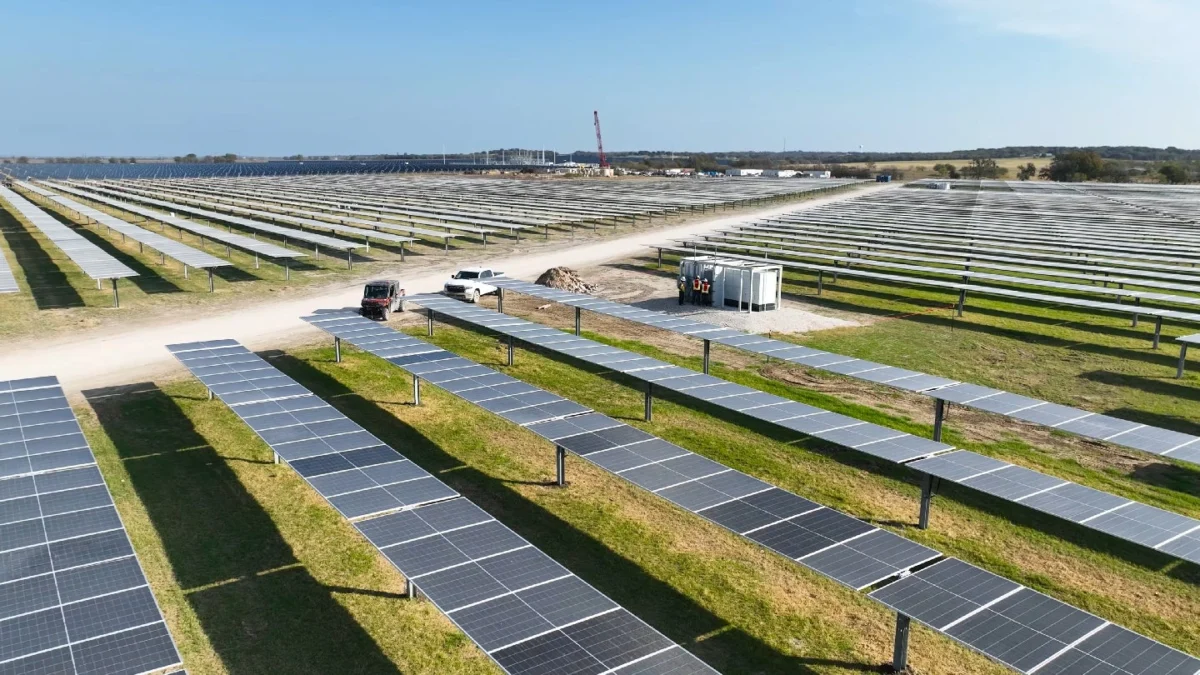
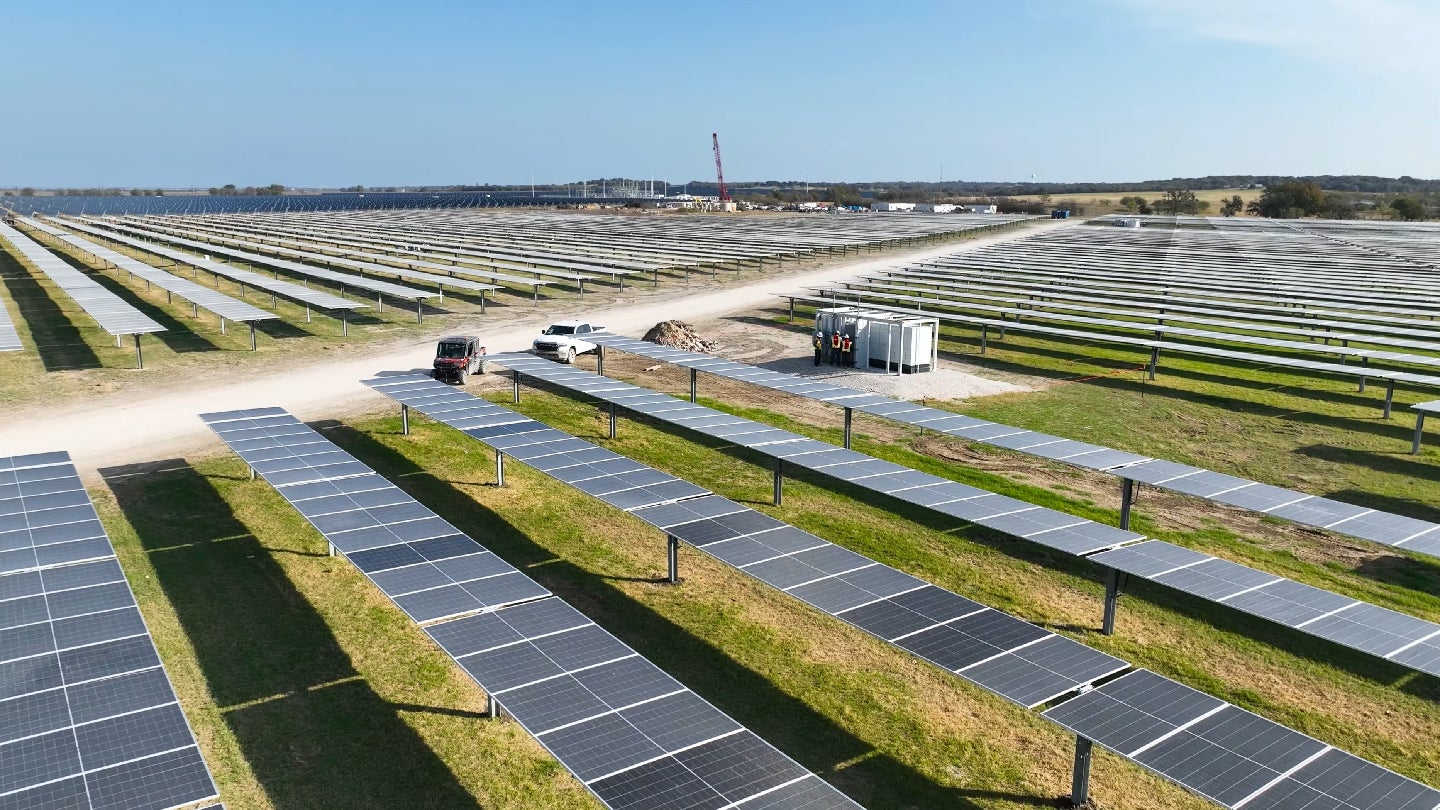
The Green Hill Solar Farm is not merely a collection of photovoltaic panels; it is a sophisticated energy complex designed to address the intermittent nature of renewable generation. The project encompasses nine distinct areas of solar PV generation, which, when fully commissioned, will boast a total capacity of 500MW.
To manage the variability of solar power, the project includes a state-of-the-art Battery Energy Storage System (BESS) with an equivalent 500MW capacity. This dual-infrastructure approach is critical for grid stability. By pairing massive solar generation with large-scale storage, IGP ensures that energy harvested during peak sunlight hours can be stored and dispatched to the national grid during periods of high demand or low solar irradiance. The energy will be exported to the UK’s national network via the strategically located Grendon substation in Northamptonshire.
Once fully operational, the project is projected to generate sufficient clean electricity to power more than 200,000 UK homes annually. This output plays a vital role in reducing the nation’s reliance on imported fossil fuels and insulating consumers from the volatility of international wholesale gas prices.
A Chronology of Development
The path to consent for Green Hill was defined by a rigorous, transparent, and multi-layered regulatory process that spanned more than a year.
- May 23, 2025: Island Green Power formally submitted its application for the development consent order, initiating the statutory review process.
- June 19, 2025: The application was formally accepted for examination by the Planning Inspectorate, signaling that the proposal met the required standards of detail and environmental consideration.
- June 2025 – December 2025: The examination period took place over six months. This phase was crucial for public engagement, allowing residents, local councils—including West Northamptonshire, North Northamptonshire, and Milton Keynes—and environmental stakeholders to provide testimony and express concerns.
- July 8, 2026: Following a comprehensive review of all public consultations and input from statutory bodies, the Examining Authority submitted its formal recommendations to the Secretary of State for Energy Security and Net Zero.
- October 2026: Baroness Curran, acting on behalf of the Secretary of State, issued the final development consent order, providing the green light for the construction phase to begin.
This timeline reflects the UK’s "Nationally Significant Infrastructure Project" (NSIP) process, which is designed to balance the urgent need for renewable energy with the protection of local interests and biodiversity.
Environmental Stewardship and Biodiversity Net Gain
A defining feature of the Green Hill project is its commitment to "Biodiversity Net Gain" (BNG). In an era where renewable energy projects are increasingly scrutinized for their land use, IGP has set an ambitious target: a minimum 47% increase in habitat units.
The project goes far beyond simple land-clearing for panels. The master plan includes a comprehensive landscape management scheme designed to integrate the solar array into the existing rural aesthetic while enhancing local ecosystems. Key environmental initiatives include:
- Green Corridors: Over 14.4 hectares of new woodland planting and dedicated green corridors to facilitate wildlife movement.
- Hedgerow Restoration: The planting and enhancement of 50.7 kilometers of new hedgerows, providing essential nesting and foraging grounds for birds and small mammals.
- Public Access: The development of more than 18 kilometers of new permissive paths, ensuring that the project provides social value by improving local connectivity for walkers and cyclists.
By prioritizing these ecological enhancements, the developers aim to demonstrate that large-scale industrial energy projects can coexist with, and even improve, local biodiversity.
Official Responses and Strategic Vision
The approval of Green Hill represents a pivotal moment in Island Green Power’s corporate evolution. CEO Bob Psaradellis highlighted the company’s shift toward becoming an independent power producer (IPP), noting that the project serves as a cornerstone for their future portfolio.
"As the company moves into our new era as an independent power producer, projects such as Green Hill will form the basis of a strong portfolio of solar generation and battery energy storage," Psaradellis stated. "The benefits will be shared with communities, through a local benefit fund, and the wider country, through the increase in secure, clean, and cheap homegrown power."
The local benefit fund mentioned by Psaradellis is a critical component of the project’s social license to operate. By creating a financial mechanism for local investment, the developers intend to ensure that the immediate neighbors of the project—who host the infrastructure—receive direct, tangible economic benefits, rather than bearing only the perceived costs of land-use change.
Implications for the UK Energy Market
The Green Hill Solar Farm arrives at a time when the UK is aggressively pursuing an overhaul of its energy sector. The implications of this project are threefold:
1. Strengthening Energy Security
By adding 500MW of solar and 500MW of battery capacity to the national grid, the project helps mitigate the "energy trilemma": balancing affordability, sustainability, and security of supply. Increasing domestic production reduces the UK’s vulnerability to geopolitical instability, which has historically caused price spikes in the heating and electricity sectors.
2. A Blueprint for Future Infrastructure
The success of Green Hill in navigating the NSIP process provides a potential blueprint for other developers. By incorporating BESS into the core design from the outset, IGP has addressed the primary criticism of solar energy—intermittency. This "hybrid" model of generation and storage is likely to become the industry standard for future large-scale renewable applications.
3. Expansion of IGP’s Footprint
The consent for Green Hill follows a recent string of successes for Island Green Power. Only last month, the company received ministerial approval for a 500MW BESS project near New Deer, Aberdeenshire. This rapid succession of approvals suggests that IGP is successfully positioning itself as a leader in the UK’s energy transition, with a pipeline of projects that are both geographically diverse and technologically sophisticated.
Conclusion: The Road Ahead
The approval of the Green Hill Solar Farm is a testament to the UK’s evolving energy strategy. While the project will undoubtedly transform the landscape of Northamptonshire and Milton Keynes, the long-term benefits—low-carbon energy for 200,000 homes, enhanced biodiversity, and increased grid resilience—align with the nation’s broader climate mandates.
As construction begins, the focus will now shift to project execution and the promised community engagement. The success of Green Hill will serve as a bellwether for the feasibility of large-scale solar in the UK, proving that with careful planning, robust environmental mitigation, and a commitment to local benefits, the country can successfully harness the power of the sun to fuel its future.
For the residents of the host regions, the project promises not just a cleaner power source, but a renewed commitment to the rural environment through the extensive planting and path networks. For the UK as a whole, it represents a concrete step toward a more stable, affordable, and sustainable energy future.