In a significant milestone for the global energy transition, Spanish renewable energy firm Grenergy has successfully closed a $457 million (€408.26 million) non-recourse senior financing package. This capital infusion, the largest in the company’s history, is earmarked for the further development and optimization of 446MW of solar capacity and 1.8GWh of energy storage assets across Chile. The deal underscores a growing trend in the utility-scale renewable sector: the transition from standalone solar generation to sophisticated, hybrid power systems that provide round-the-clock reliability.
The Financial Framework: A Syndicate of Global Powerhouses
The financing transaction was arranged and underwritten by BNP Paribas, a financial institution that has increasingly signaled its commitment to sustainable infrastructure. The participation of a blue-chip syndicate—including BBVA, JPMorgan Chase Bank, MUFG Bank, Santander, and the Bank of Nova Scotia—highlights the bankability of Grenergy’s business model.
By utilizing "non-recourse" debt, Grenergy has structured the financing so that the loans are serviced primarily through the revenue generated by the specific projects, rather than the parent company’s balance sheet. This approach limits the financial risk for the broader corporation while allowing it to leverage its operational assets to fund aggressive expansion.
"This is the largest financing transaction in our company’s history," stated David Ruiz de Andrés, CEO of Grenergy. "Together with the financings secured over the past year, this transaction brings us close to 40% of the project finance debt target set out in our 2026–2028 Strategic Plan."
Chronology of Development: Building the Oasis of Atacama
The financing covers two distinct pillars of Grenergy’s Chilean portfolio: the massive Algarrobal project and the geographically dispersed Palmas cluster.
The Algarrobal Project
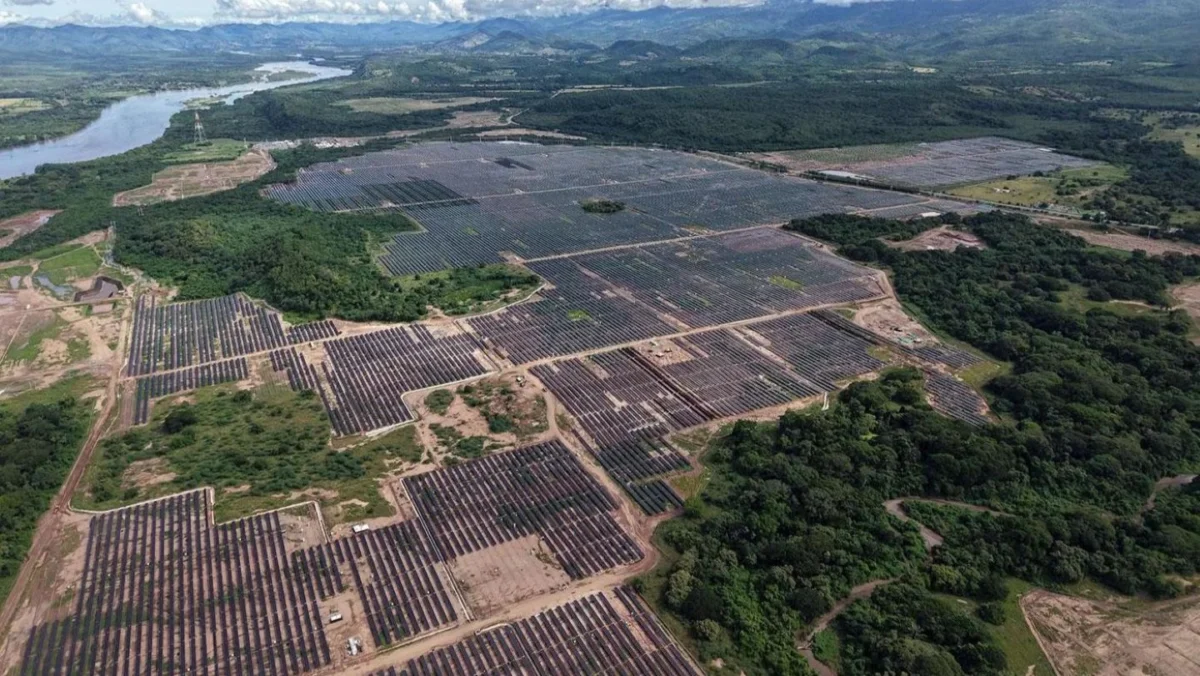
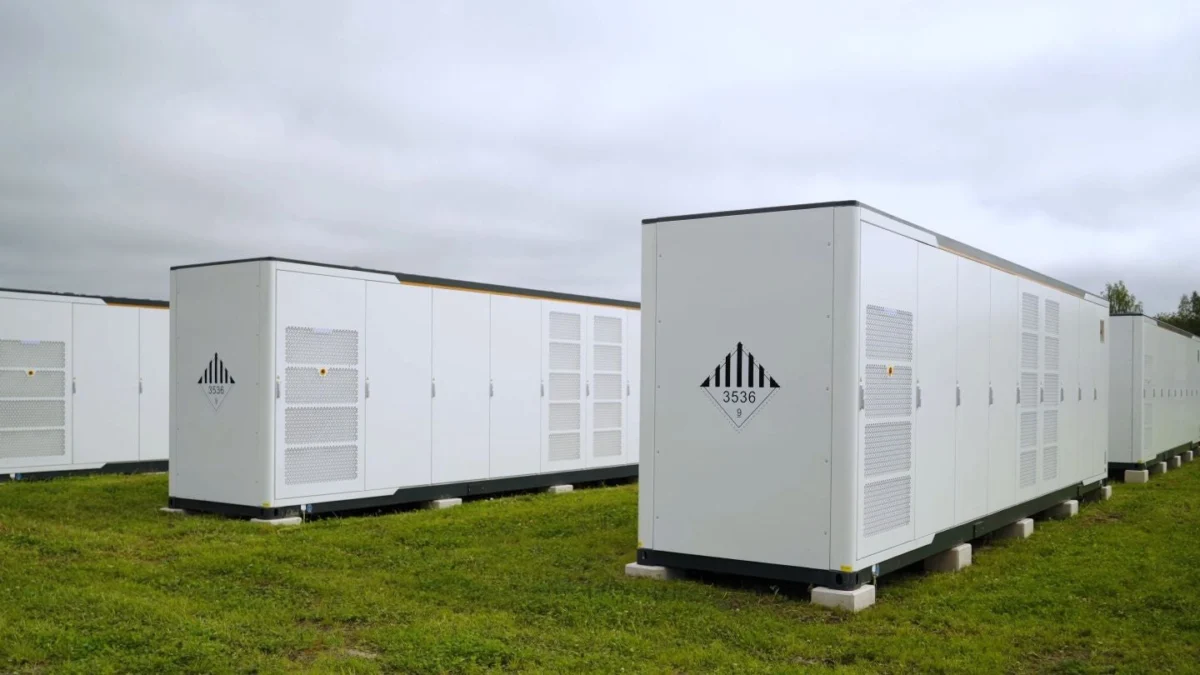
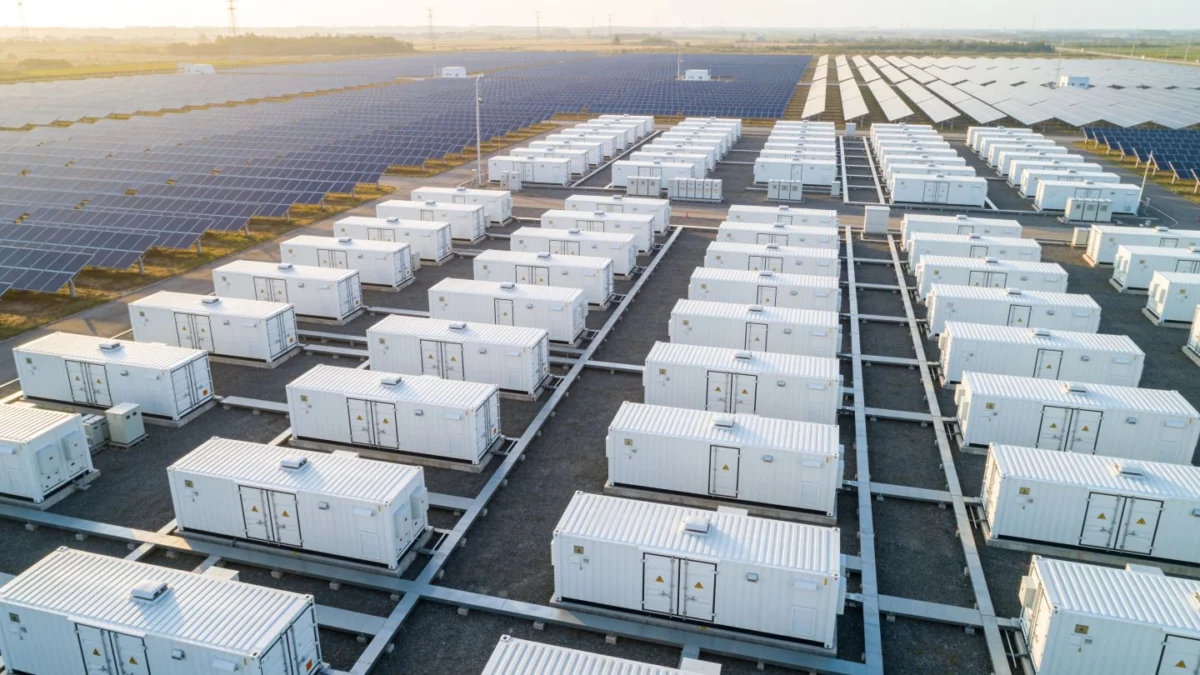
Algarrobal represents the fifth phase of the company’s flagship "Oasis de Atacama" platform. As Chile continues to pivot away from coal-fired power, the Atacama region has become the epicenter of renewable development due to its world-class solar irradiance. Algarrobal adds 242MW of solar capacity to the grid, complemented by an impressive 1.5GWh of battery energy storage systems (BESS).
This project is underpinned by a 12-year hybrid power purchase agreement (PPA), slated to commence on January 1, 2028. By securing a long-term contract with an investment-grade offtaker, Grenergy has mitigated the merchant risk that often plagues renewable energy projects in volatile energy markets.
The Palmas Cluster
Complementing the utility-scale Oasis platform is the Palmas cluster, a collection of 21 distributed generation solar schemes. These projects, located primarily across northern and central Chile, boast a combined capacity of 204MW and 289MWh of battery storage.
A critical aspect of the current investment involves the retrofitting of six existing projects within the Palmas cluster. These sites are being upgraded with five-hour battery energy storage systems, a strategic move designed to manage intermittency. By shifting solar energy production into evening hours, Grenergy can maximize the value of its electricity sales, aligning supply with peak demand periods.
Strategic Implications: The Hybridization Paradigm
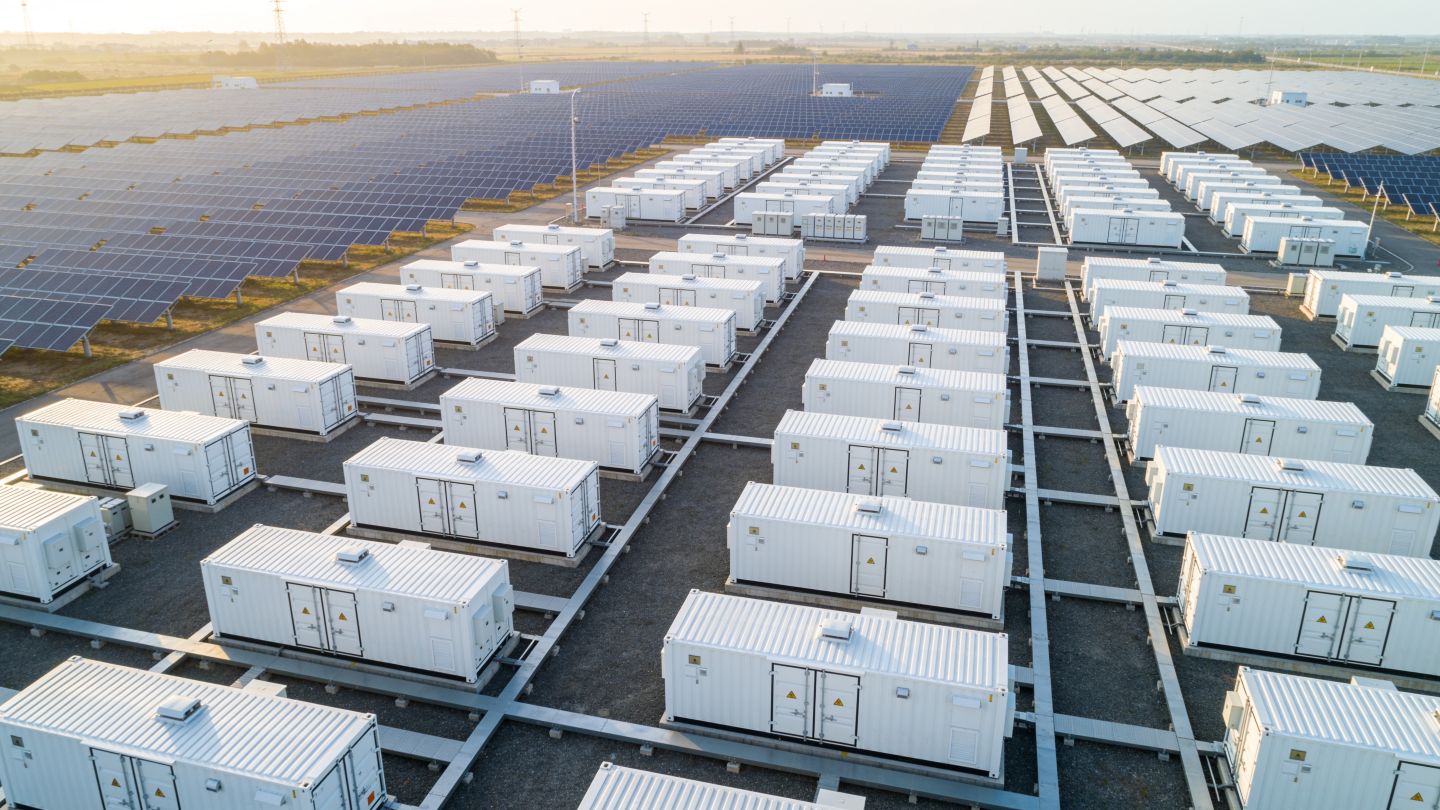
The shift toward "hybridization"—the integration of solar PV with large-scale battery storage—is no longer a niche technological experiment; it is the industry standard for firms seeking to provide firm, dispatchable power.
Bridging the Reliability Gap
Traditional solar projects are limited by the diurnal cycle. However, by coupling solar arrays with BESS, Grenergy is transforming these sites into "virtual power plants." This capability is vital for the Chilean grid, which is grappling with the retirement of traditional thermal plants and an increasing need for grid stability. The 1.8GWh of storage funded by this transaction will provide essential ancillary services, such as frequency regulation and spinning reserves, which are crucial for maintaining the integrity of the national interconnected system.
Replicating Success: From Chile to Europe
Grenergy’s success in Chile has provided a blueprint that the company is now actively exporting to Europe. The "Iberian Oasis" venture is the direct beneficiary of the lessons learned in the Atacama desert. In April 2026, the company secured financial backing for its Escuderos project in Spain, utilizing a financial tolling agreement. This agreement, similar to the Chilean model, provides a stable, long-term revenue stream that satisfies the requirements of institutional lenders.
"It reflects the confidence that international banks have in the model we have developed in Chile and are now replicating across Europe," Ruiz de Andrés noted. "Supported by long-term PPAs, we are providing stable revenues and enabling ourselves to access financing on more efficient terms."
Supporting Data: By the Numbers
The scale of Grenergy’s ambitions is reflected in the raw data surrounding their portfolio:
- Total Capital Secured: More than $2.4 billion in non-recourse funding has been locked in for Chilean hybrid platforms to date.
- The Oasis Ecosystem: The company’s combined Oasis platforms now comprise 3.9GW of solar generation and a massive 19.2GWh of energy storage capacity.
- Operational Readiness: Crucially, all projects currently included in this $457 million financing package are already fully operational, minimizing construction and commissioning risk for the lenders.
- Growth Trajectory: With 40% of their 2026–2028 Strategic Plan funding target already met, Grenergy is positioned to accelerate its procurement of future sites and technology upgrades.
Market Implications and Future Outlook
The participation of major global banks in this transaction is a clear signal that the financial sector is becoming increasingly comfortable with the risk profile of hybrid battery-storage assets. For years, the lack of standardized revenue models for BESS hindered capital flow. Grenergy’s ability to pair these assets with long-term, investment-grade PPAs effectively "de-risks" the technology for the banking syndicate.
Impact on the Chilean Energy Market
Chile has set aggressive goals to become carbon-neutral by 2050, and the grid’s evolution is contingent upon private-sector investment in storage. By effectively doubling down on the Atacama region, Grenergy is helping Chile avoid the "curtailment" issue—a common problem where excess solar power produced during the day cannot be used and must be wasted. The batteries funded by this transaction will soak up that excess energy, ensuring that every megawatt generated is eventually delivered to the consumer.
A Global Model for Energy Transition
As the company expands into Europe, the regulatory environment will differ, but the fundamental challenge—intermittency—remains the same. Grenergy’s success suggests that the "Oasis" model of hybridizing renewable generation is not only commercially viable but potentially the most efficient way to achieve deep decarbonization.
As global energy markets face continued price volatility, the long-term, stable pricing structures negotiated by Grenergy serve as a hedge against inflation and energy insecurity. By locking in long-term agreements, the company provides price certainty to its offtakers while ensuring a predictable return on investment for its banking partners.
Conclusion
The $457 million financing of the Algarrobal and Palmas projects marks a pivotal moment for Grenergy. By securing the support of some of the world’s most prestigious banks, the company has validated its strategic pivot toward hybrid, storage-backed renewable energy.
As the energy transition enters a more mature phase, where the focus shifts from simply adding more generation to adding more reliable generation, firms like Grenergy that possess the technical and financial expertise to integrate batteries at scale will lead the market. With their 2026–2028 Strategic Plan already well underway, Grenergy is not merely participating in the renewable energy market; it is defining the infrastructure that will power the next decade of global electrification.