For centuries, the pursuit of fish was a rudimentary affair. Before the advent of the mechanical reel, anglers relied on simple poles, hand lines, and nets—methods that were effective for survival but lacked the precision and mechanical advantage required for modern sport fishing. Today, the fishing reel is the heartbeat of the angling experience, a sophisticated piece of engineering that allows for long-distance casting, delicate lure presentation, and the controlled retrieval of powerful game fish.
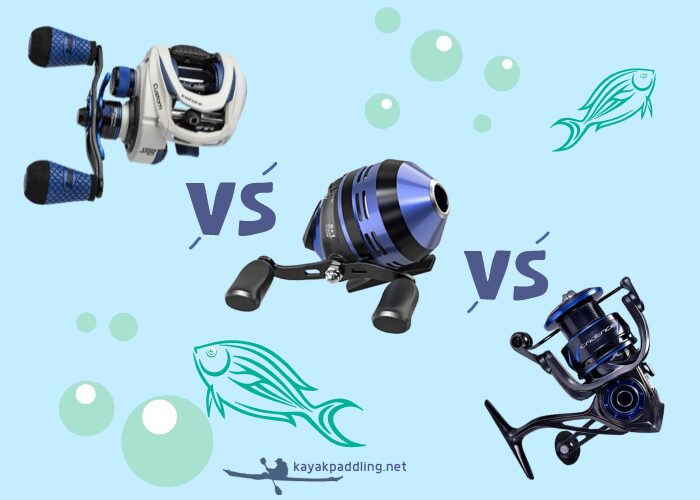
Whether you are a novice casting a line from a dock or a seasoned professional targeting tournament-grade bass, understanding the mechanics of your equipment is the first step toward mastery. This guide explores the evolution, functionality, and practical application of the three primary pillars of modern reeling: the spinning reel, the baitcasting reel, and the spincasting reel.
A Brief Chronology of Reel Innovation
The history of the fishing reel is a story of incremental mechanical refinement, driven by the desire to cast further and fight fish more effectively.
- 1938 – The Spinning Revolution: While early versions of reels existed in crude forms, the modern spinning reel—characterized by its fixed spool and bail system—found its footing with the innovations of Daiwa Seiko Co., Ltd. This design changed the game by allowing the line to peel off the spool effortlessly, dramatically increasing casting distance.
- 1956 – The Dawn of Simplicity: Seeking to solve the "tangle" issues of early designs, the Shakespeare Fishing Tackle Company introduced the first spin-casting reel. By enclosing the spool behind a nose cone, they created the most beginner-friendly interface in angling history.
- 1958 – The Baitcasting Standard: While various rotating-spool designs had been in use, 1958 marked a pivotal moment when George “Butch” Snyder Jr. formalized the utility and legality of baitcasting reels, setting the stage for the high-precision tools used by professionals today.
Anatomy of the "Big Three"
To make an informed purchase, an angler must understand the mechanical philosophy behind each reel type.
1. Spincasting: The Beginner’s Gateway
Spincasting reels are the quintessential entry-level tool. They function through a push-button mechanism that releases the line from an enclosed spool. Because the spool is covered, the line is less likely to loop or tangle, making it the ideal choice for children or those new to the sport.
- Advantages: Exceptional ease of use and affordability.
- Limitations: Lack of power and precision. The lack of a "bail" system means the angler has less control over line tension during a fight, making these reels unsuitable for large or aggressive species.
2. Spinning Reels: The Versatile All-Rounder
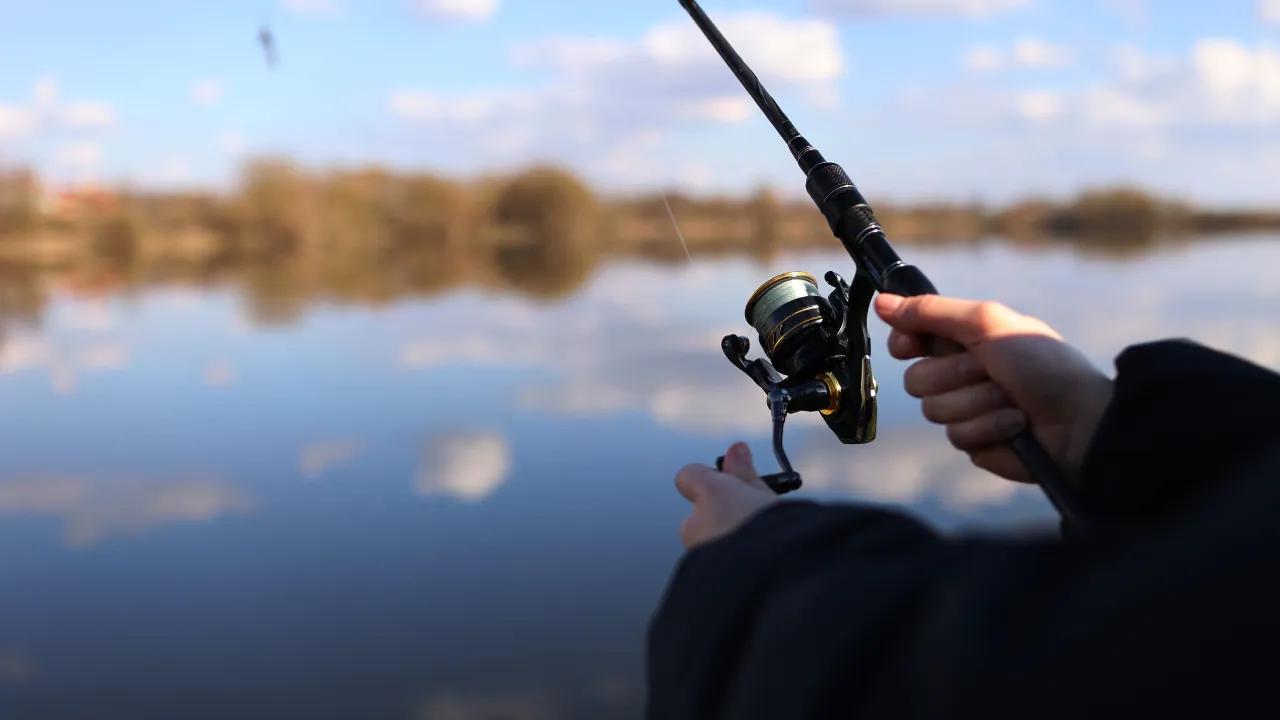
Mounted beneath the rod, the spinning reel is the most popular choice for freshwater anglers. Its design features a rotating bail that wraps the line around a stationary spool.

- Advantages: It excels at casting light lures and thin-diameter lines. Its versatility is unmatched, as it can be used for everything from panfish and trout to bass and inshore saltwater species.
- Mechanism: Because the line peels off in coils, it encounters very little friction, allowing for long, effortless casts.
3. Baitcasting Reels: The Precision Instrument
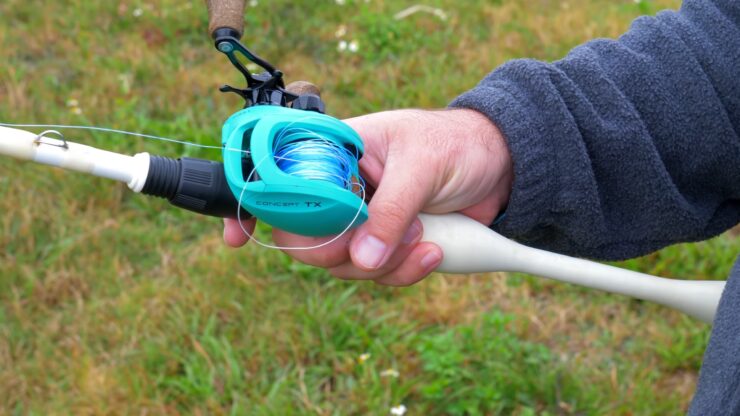
The baitcasting reel is mounted on top of the rod and features a spool that rotates during the cast. This is the preferred tool for experienced anglers who demand high accuracy and heavy-duty power.
- The "Backlash" Factor: The defining challenge of the baitcaster is the potential for "bird’s nests." If the spool rotates faster than the line is pulling off during the cast, the line tangles. Modern reels now include magnetic and centrifugal braking systems to mitigate this, though it still requires a practiced thumb to master.
- Power: With a smaller spool diameter and high-torque gear ratios, baitcasters provide the leverage needed to pull trophy fish out of heavy cover, such as weeds or submerged logs.
Supporting Data: Selecting the Right Gear Ratio
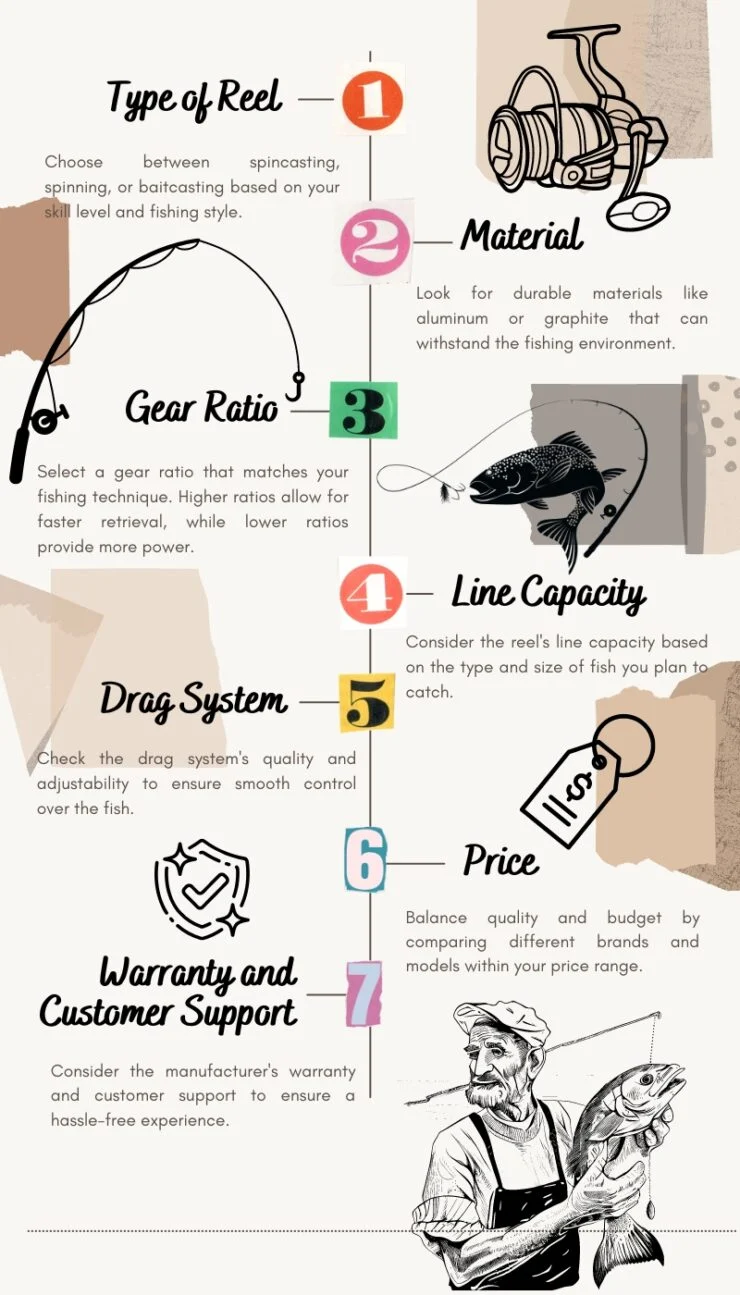
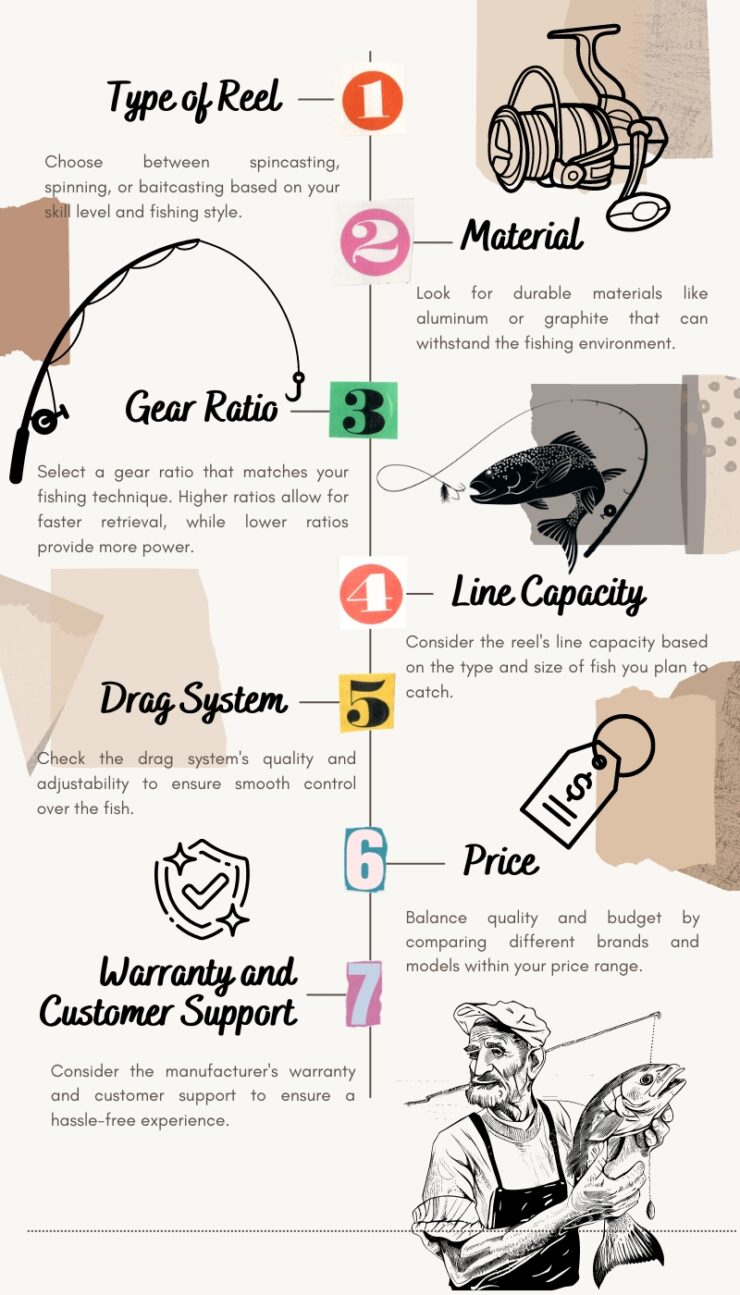
One of the most critical specifications for any reel is the gear ratio. This number represents how many times the spool rotates for every single turn of the handle.
- Low Ratio (5.0:1 – 6.0:1): These "slow" reels are the workhorses. They provide more torque, making them ideal for heavy crankbaits or deep-water lures that create significant resistance in the water.
- High Ratio (7.0:1 – 8.1:1): These are "speed" reels. They allow the angler to pick up slack line instantly, which is essential for techniques like "flipping and pitching" or when a fish strikes and swims directly toward the boat.
Practical Implications for Anglers
Why Precision Matters in Competitive Fishing
For the professional, a reel is not just a tool; it is a surgical instrument. In a tournament setting, a baitcasting reel is almost exclusively used because of its ability to place a lure within an inch of a target. The ability to "feather" the spool with one’s thumb during a cast allows the angler to stop the bait exactly when it reaches the target zone, preventing the line from crashing into the water or overshooting the mark.
The Maintenance Imperative
Regardless of whether you use a $50 spincaster or a $500 high-performance baitcaster, performance degrades over time without maintenance. Saltwater, grit, and moisture are the enemies of internal gears.

- Routine Care: After every trip, especially in saltwater, rinse the reel with a light mist of fresh water. Never submerge it, as this can force salt into the housing.
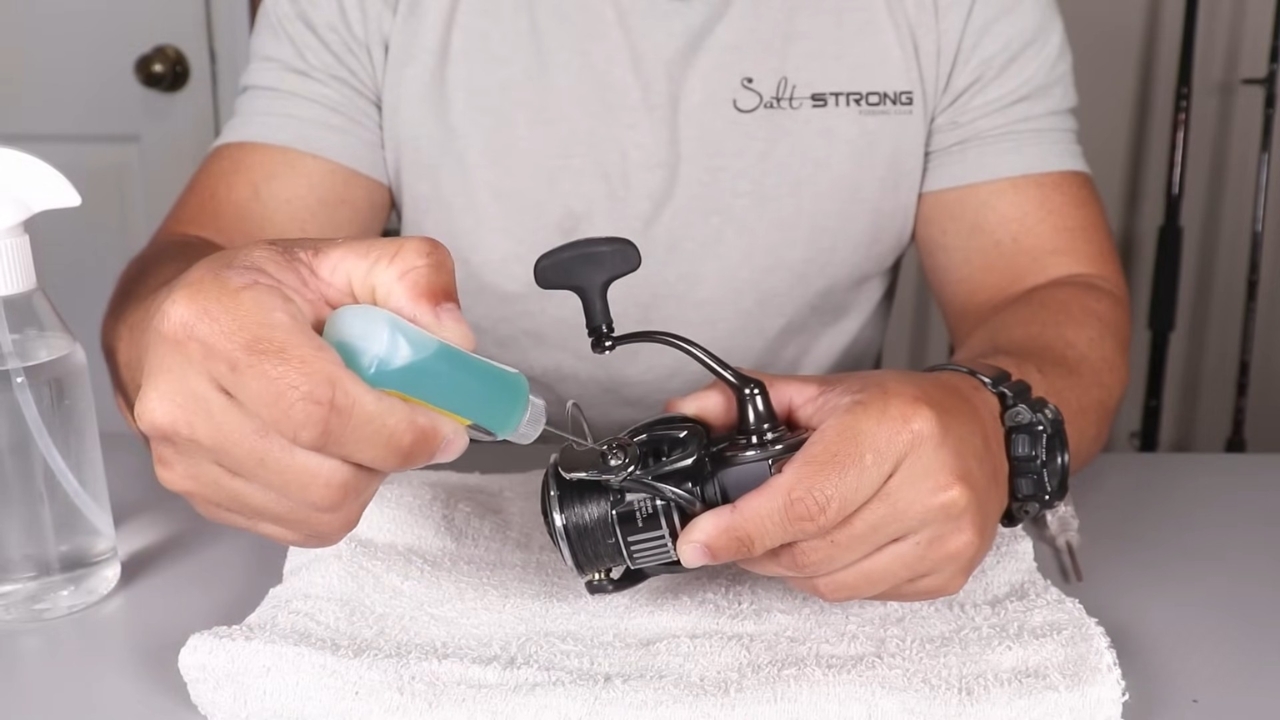
- Lubrication: Once per season, disassemble the side plate to apply manufacturer-approved reel oil to the bearings and grease to the main gears. This prevents the "grinding" sensation that signals premature wear.
Expert Perspectives and Common Myths
We spoke with angling consultants regarding the most persistent myths in the industry.
Myth: "Baitcasters are only for pros."
Expert Response: "That’s an outdated notion. Modern magnetic braking systems have made baitcasters significantly more user-friendly. While they still require a learning curve, anyone with patience can master one in a single afternoon of practice in a backyard."
Myth: "Braided line ruins all reels."
Expert Response: "Braided line is incredibly thin and strong, but it has no stretch. While it is excellent for sensitivity, you must ensure your reel is rated for braid. Furthermore, you should always use a monofilament or fluorocarbon leader, as braid is highly visible to fish and can be abrasive to certain guide materials on older rods."
The Future of Reel Technology
The industry is currently moving toward "smart" reels and advanced composite materials. We are seeing the integration of carbon-fiber drag systems that allow for smoother, more consistent resistance, and the use of magnesium alloys to create reels that weigh mere ounces. These advancements mean that an angler can fish all day without the physical fatigue that plagued previous generations.
Conclusion: Matching the Reel to the Goal
The "best" reel does not exist in a vacuum; it exists only in relation to your specific goal.
- If your goal is relaxation and accessibility: Stick with a high-quality spincasting reel. It minimizes the frustration of tangles and lets you focus on the water.
- If your goal is adaptability: Invest in a reliable spinning reel. Its ability to switch between light jigs and medium-weight lures makes it the most cost-effective solution for diverse fishing environments.
- If your goal is mastery and results: Commit to the baitcasting reel. It is a challenging learning curve, but it unlocks a level of control and power that no other tool can provide.
Ultimately, the reel is the bridge between the angler and the fish. By understanding the mechanical principles—the gear ratios, the braking systems, and the line capacities—you transform fishing from a game of chance into a calculated pursuit. Keep your gear clean, choose the right tool for the conditions, and above all, spend as much time on the water as possible. After all, as the old saying goes, the best reel is the one currently in your hand when the line goes tight.