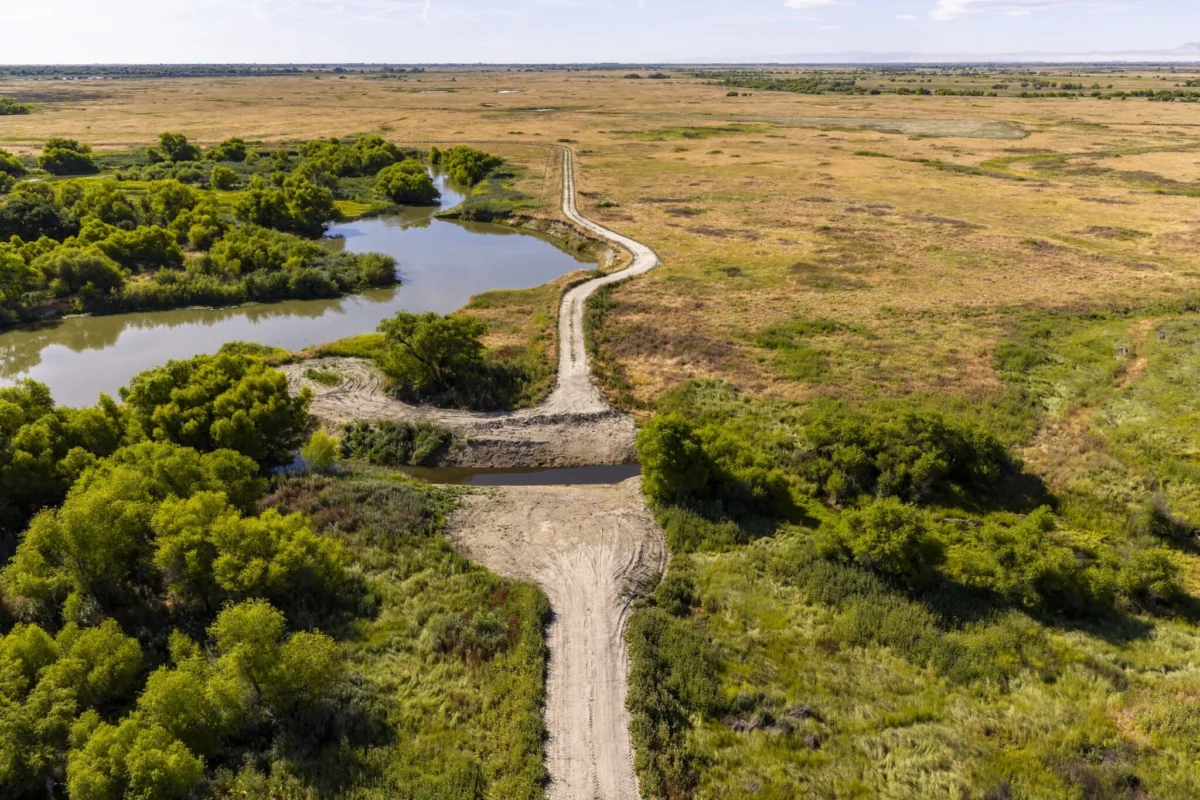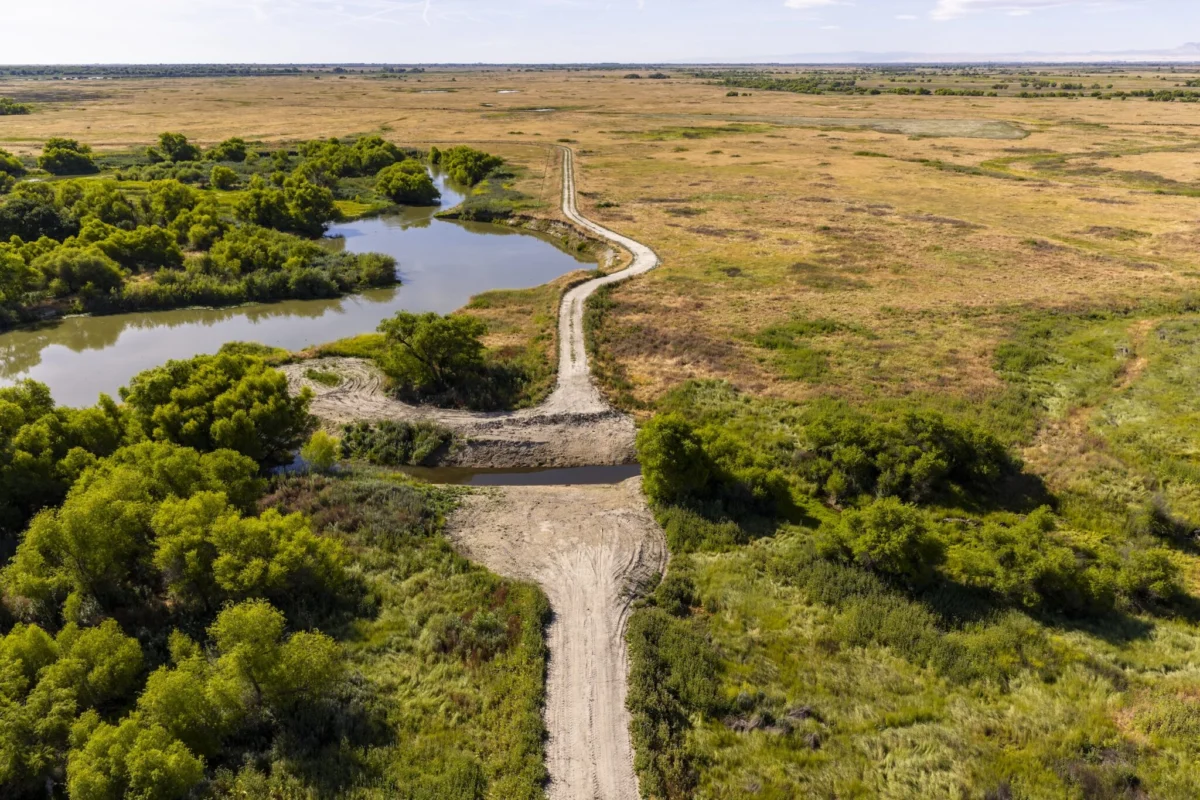
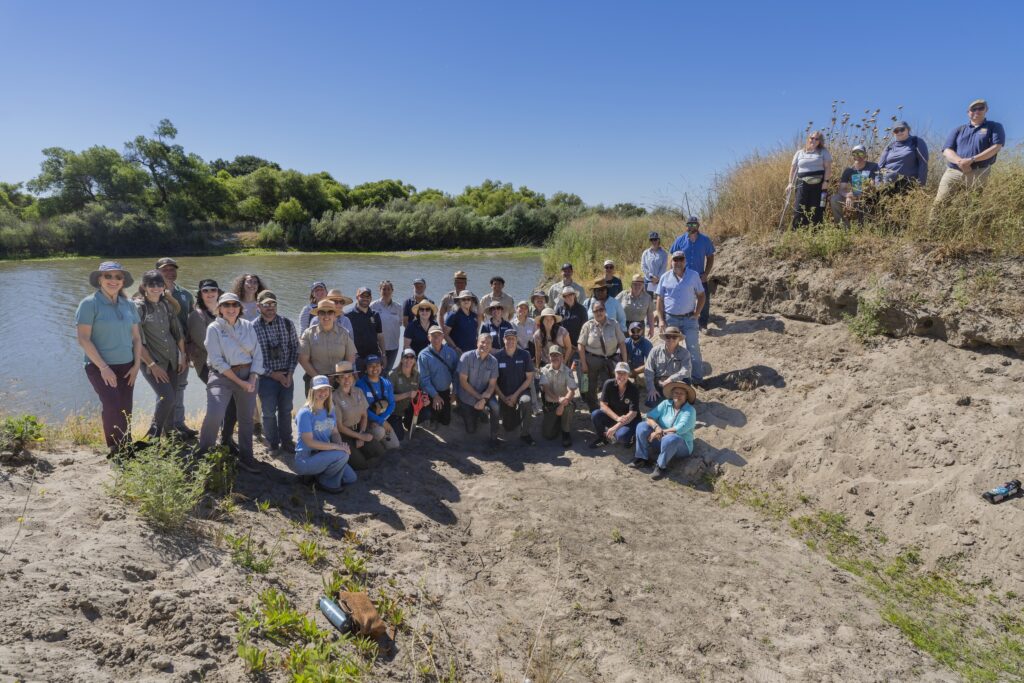
On the morning of June 11, 2026, the early light over Great Valley Grasslands State Park illuminated a scene that many once deemed impossible. Dozens of scientists, Tribal leaders, state officials, and local community members stood near the banks of the San Joaquin River to witness the culmination of a 15-year odyssey: the official reconnection of the San Joaquin River to more than 220 acres of its historic floodplain.
The atmosphere was electric, defined by a collective sense of relief and triumph. For those who had spent nearly two decades navigating the complex web of environmental policy, engineering challenges, and shifting landscapes, the moment the river breached the levee was more than a technical success—it was a homecoming for a waterway that had been artificially constrained for three-quarters of a century.
A Legacy of Restoration: The Main Facts
The Grasslands Floodplain Restoration Project, finalized in February 2026, stands as one of the most ambitious ecological interventions in the history of California’s San Joaquin Valley. Led by American Rivers in collaboration with California State Parks, River Partners, and Flow West, the project focused on dismantling the physical barriers that had severed the river from its natural nursery.
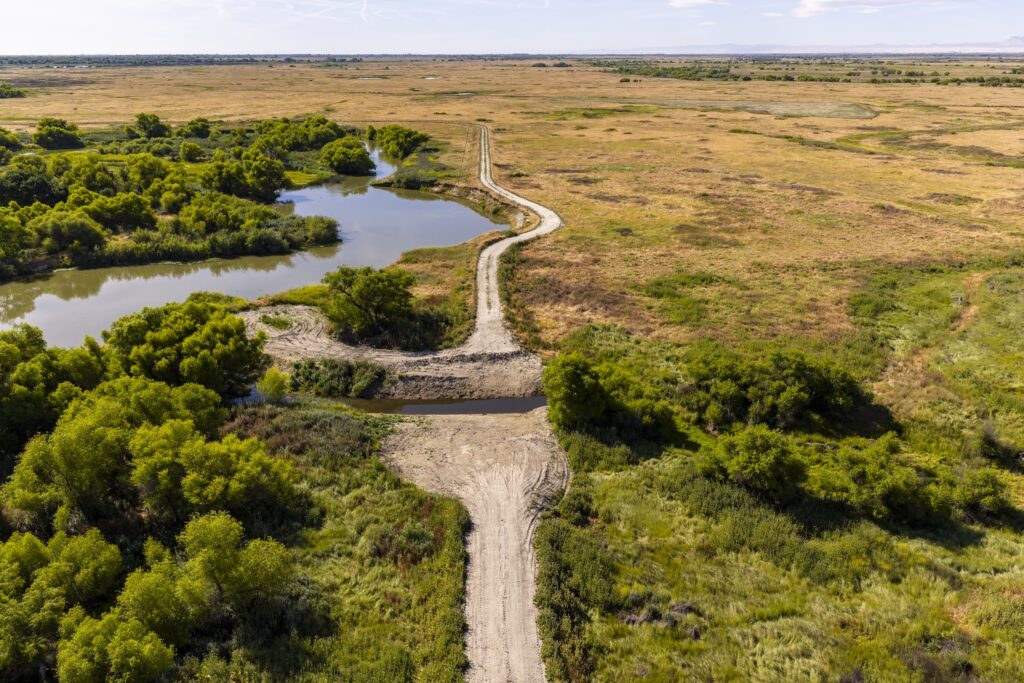
By breaching and removing segments of decommissioned levees—originally constructed in the 1950s to contain cattle rather than water—project managers have allowed the San Joaquin to pulse across its natural landscape once again. This project is not merely an act of conservation; it is an active effort to restore a damaged ecosystem, supporting groundwater recharge, mitigating flood risk, and providing a sanctuary for threatened and endangered species.
A Chronology of Persistence: From Dairy Farm to Wildland
The story of this landscape is as unconventional as the restoration itself. In 1982, the land was donated by Joseph Gallo, the legendary dairy entrepreneur. Gallo envisioned a protected space for wildlife, gifting thousands of acres to the U.S. Fish and Wildlife Service and the State of California. However, the land remained an "orphaned" park—lacking public infrastructure, trails, or visitor facilities.
For decades, the legacy of the Gallo dairy operation persisted in the form of massive, obsolete levee networks. These earthen walls cut the river off from the grasslands, fostering the growth of invasive plant species and preventing the natural seasonal flood pulses that sustained the native flora and fauna for millennia.
The road to restoration began in earnest over 15 years ago. The timeline of this project was anything but linear:
- Initial Planning (2011–2015): American Rivers and partners began identifying the potential for floodplain reconnection, navigating complex land-use regulations.
- Funding and Permitting (2016–2021): The project secured vital funding through California’s Proposition 1 and Proposition 68, alongside support from the Cannabis Watershed Protection Program and corporate partner Cox Enterprises.
- Construction Challenges (2022–2025): The team faced significant setbacks, including prolonged permitting delays and seasonal weather events that frequently halted construction in the flood-prone basin.
- Completion and Celebration (2026): After finalizing the breaches and channel improvements in February, the site was inaugurated during California State Parks Week in June 2026.
Official Responses and the "Relay" of Conservation
The ceremony on June 11 featured voices representing the broad coalition required to pull this off. California Natural Resources Secretary Wade Crowfoot, California State Parks Director Armando Quintero, and Northern Valley Yokut Ohlone Tribe Chairperson Kathy Perez were among the keynote speakers.
Dr. Ann Willis, California Regional Director for American Rivers, offered a poignant reflection on the nature of environmental work. "Restoration is neither a sprint nor a marathon," Willis noted. "It is a relay." She emphasized that the individuals who initiated this project years ago were effectively passing the baton to a new generation of stewards, underscoring that the work of ecological restoration is a multi-generational commitment.
The involvement of private partners, such as Cox Enterprises, highlighted the growing trend of corporate-environmental synergy. Their team traveled from Atlanta to witness the construction, framing the project as a critical investment in regional groundwater replenishment—a vital necessity in the arid, pump-depleted Central Valley.
Ecological Implications: Why This Matters
The benefits of reconnecting a river to its floodplain are multifaceted, serving as both a biological engine and a hydrological safety valve.
Restoring the Salmon Nursery
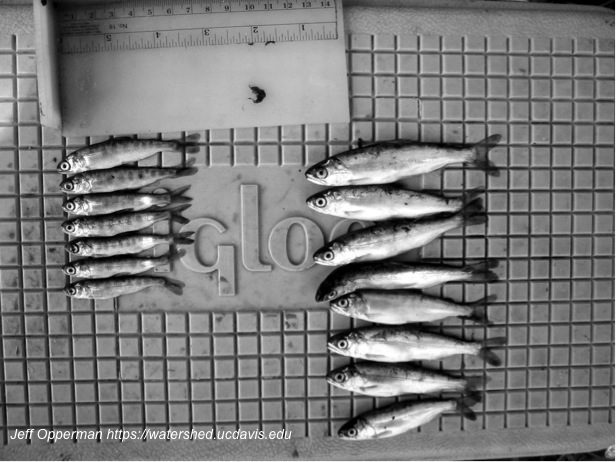
Perhaps the most significant ecological impact is the restoration of habitat for endangered Chinook salmon. Juvenile salmon require specific conditions to survive the journey to the ocean: slow-moving, food-rich, and thermally stable water. Floodplains function as "biological factories," producing massive amounts of zooplankton—the primary food source for young salmon. By reintroducing the river to the floodplain, the project provides a sanctuary where these fish can feed and grow, drastically increasing their chances of survival compared to those confined to the main, faster-moving river channel.
Groundwater and Biodiversity
The project also addresses the systemic issue of aquifer depletion. The Central Valley, a hub of global agricultural production, has seen its groundwater levels plummet due to decades of heavy pumping. By allowing the river to flood the grasslands, the project encourages natural percolation, recharging local aquifers.
Furthermore, the seasonal flooding creates vernal pools—ephemeral wetland ecosystems that support a unique suite of amphibians, reptiles, and invertebrates. These habitats are increasingly rare in California, and their restoration is essential for maintaining biodiversity in the face of climate change.
Monitoring Success: The Path Forward
With the infrastructure complete, the project enters its next phase: rigorous monitoring. The team will track several key performance indicators to assess the success of the restoration, including:
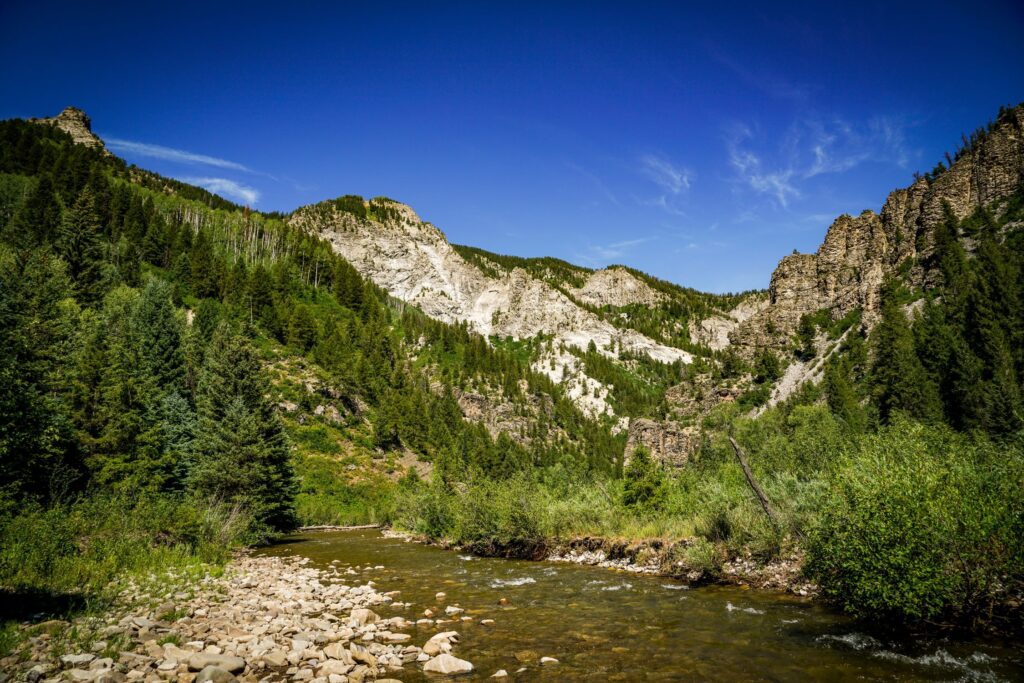
- Water Quality: Measuring temperature and oxygen levels to ensure the floodplain remains a hospitable environment.
- Biological Productivity: Quantifying the density of zooplankton and the survival rates of juvenile salmonids.
- Hydrological Impact: Using piezometers to monitor the rate of groundwater recharge following seasonal flood events.
- Vegetation Surveys: Tracking the transition from invasive, dry-land weeds back to the diverse, native grasses and wetland plants that historically dominated the valley.
This data will not stay local; it will serve as a pilot model for future restoration projects across the San Joaquin River system, providing a template for how to handle large-scale, decommissioned infrastructure in other parts of the state.
The Future of the Central Valley
For too long, the Central Valley has been labeled "park-poor." While the coast and mountains of California have historically dominated the public imagination—and the state’s budget—the interior is finally seeing a shift in focus.
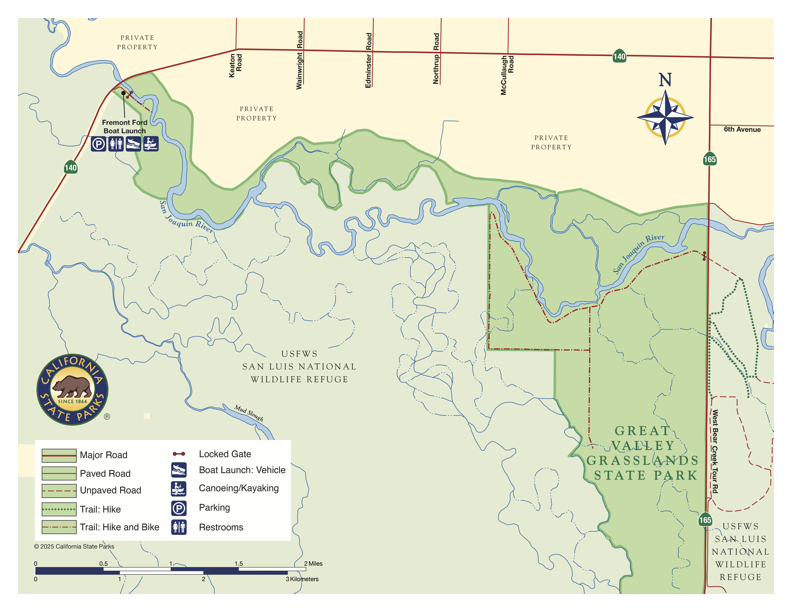
The Great Valley Grasslands project is a cornerstone of this new vision. As the state moves forward, the California Department of Parks and Recreation is currently gathering public input on a General Plan to finally open this land to the public. The vision includes creating visitor access, trails, and educational centers that allow residents to witness the river’s natural cycles firsthand.
This effort is mirrored by the "State Parks Forward" initiative announced by Governor Gavin Newsom, which aims to establish new parks and expand existing systems in the Central Valley, including the significant San Joaquin River Parkway in Fresno.
Conclusion: A River Finding Its Way Home
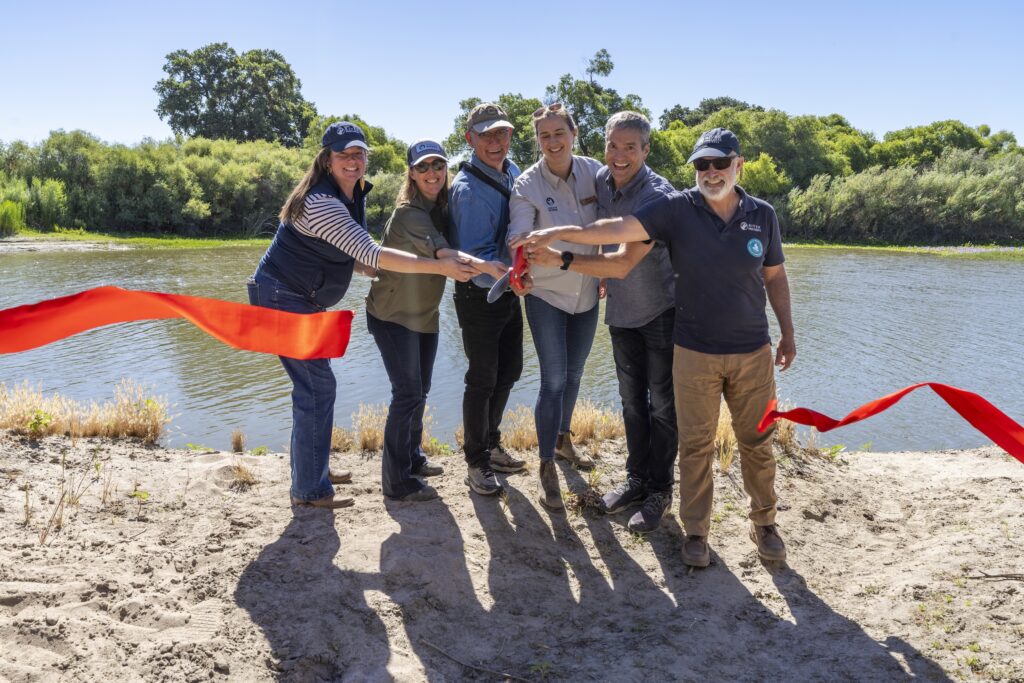
As the red ribbon was cut on that June morning, the symbolism was impossible to ignore. A river that had been shackled by 1950s-era levees was finally allowed to spill over, to meander, and to nourish the earth as it had for thousands of years.
The Great Valley Grasslands project proves that even in a landscape heavily modified by industrial agriculture and human engineering, it is possible to reverse the tide. It requires patience, significant capital, and the cooperation of diverse stakeholders—from Tribal leaders to corporate executives to state bureaucrats.
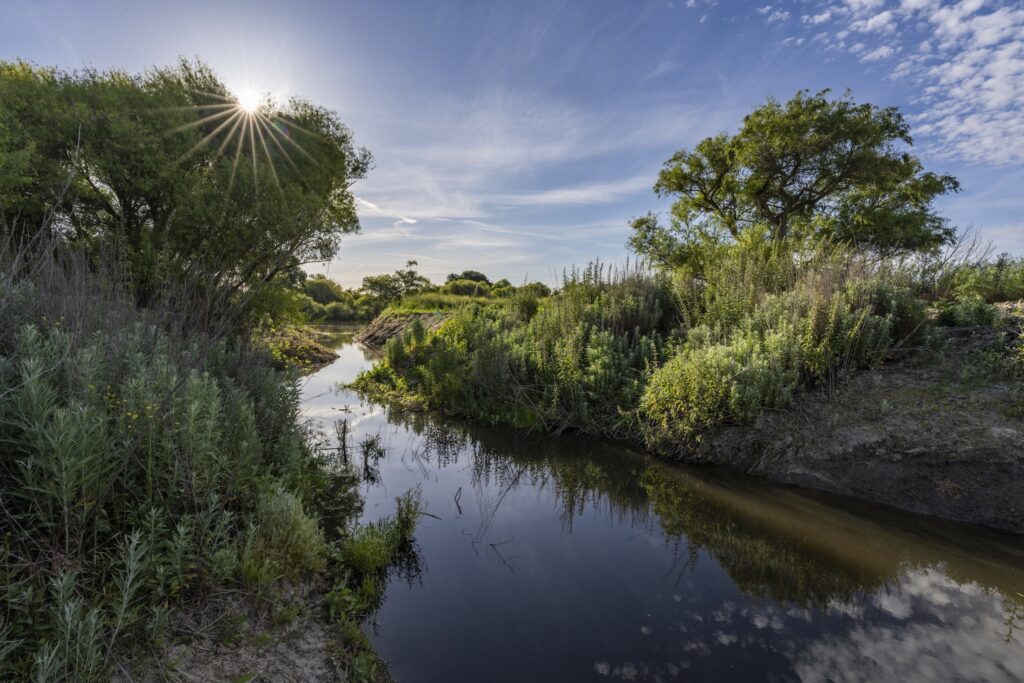
The San Joaquin is now flowing onto its floodplain again. The grasslands are beginning their slow process of healing. And for the people, wildlife, and ecosystems of the Central Valley, the future looks significantly more vibrant than the recent past. The relay has been run, the baton has been passed, and the river is finally finding its way home.