The Archipelago Sea, a sprawling labyrinth of thousands of islands off the southwest coast of Finland, currently exists in a state of meteorological limbo. While the calendar marks the deep progression of autumn—with birch leaves turning to brittle gold and the rowans blushing with deep crimson—the thermometer suggests otherwise.
Thermally, the season is defined by the average daily temperature. Autumn officially arrives when the mercury drops consistently below the +10°C threshold. Yet, current forecasts draw a stubborn, near-horizontal line between +12°C and +15°C. The diurnal range is negligible; the warmth of the sun-drenched days barely retreats when the stars emerge. For the seasoned observer of the Finnish wilderness, this is an uncanny season—a "ghost summer" that refuses to yield, even as the landscape signals a change that has not yet arrived.
Chronology of a Late-Season Journey
Our expedition to Sandön, a jewel within the Archipelago Sea National Park, was marked by the distinct atmospheric phenomena of this transitional period.
Day One: Into the Grey
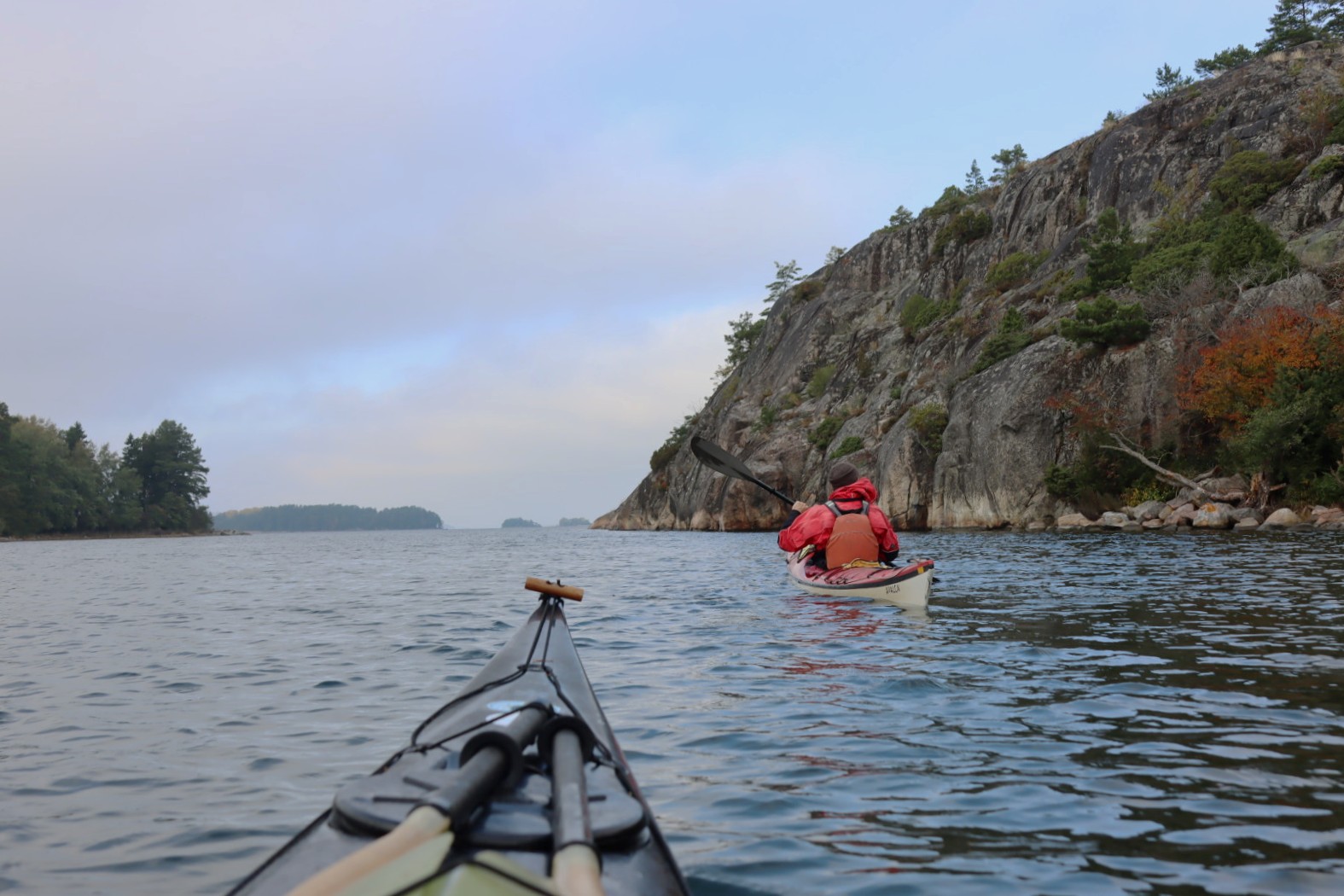
We launched our kayaks into a world cloaked in thick, maritime mist. The weather forecast had promised clear skies, but the archipelago had other plans. The day dissolved into a uniform grey, with the horizon vanishing into a monochromatic haze. However, there was a profound stillness to the journey. The frenetic energy of the summer tourist season—the roar of motorboats and the crowded marinas—had evaporated. We paddled through the sea lanes with an unusual sense of freedom, navigating open waters that are usually hazardous during the peak months.
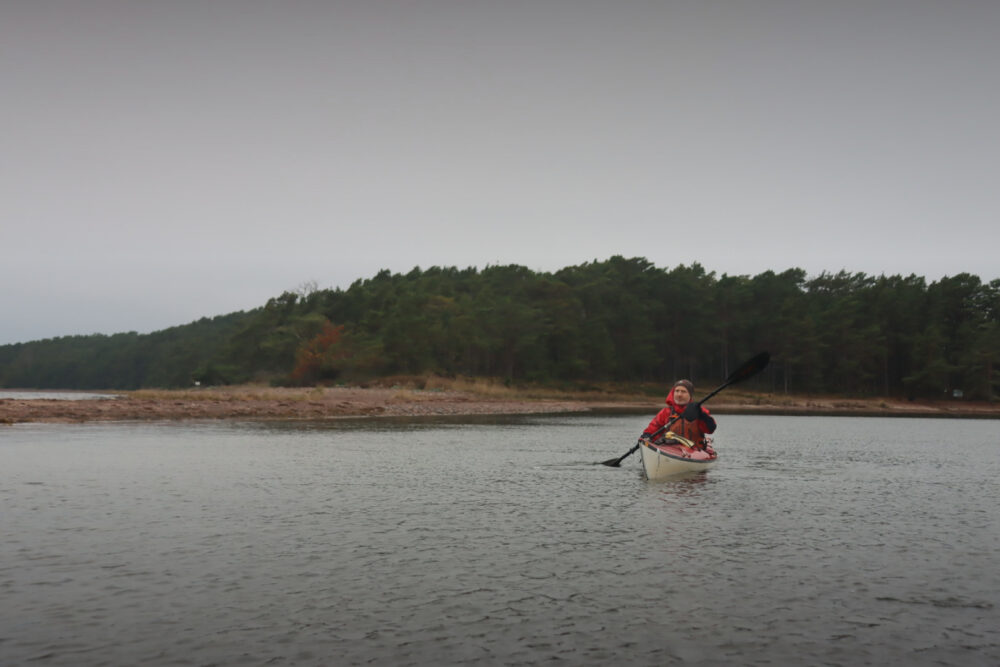
Setting Camp
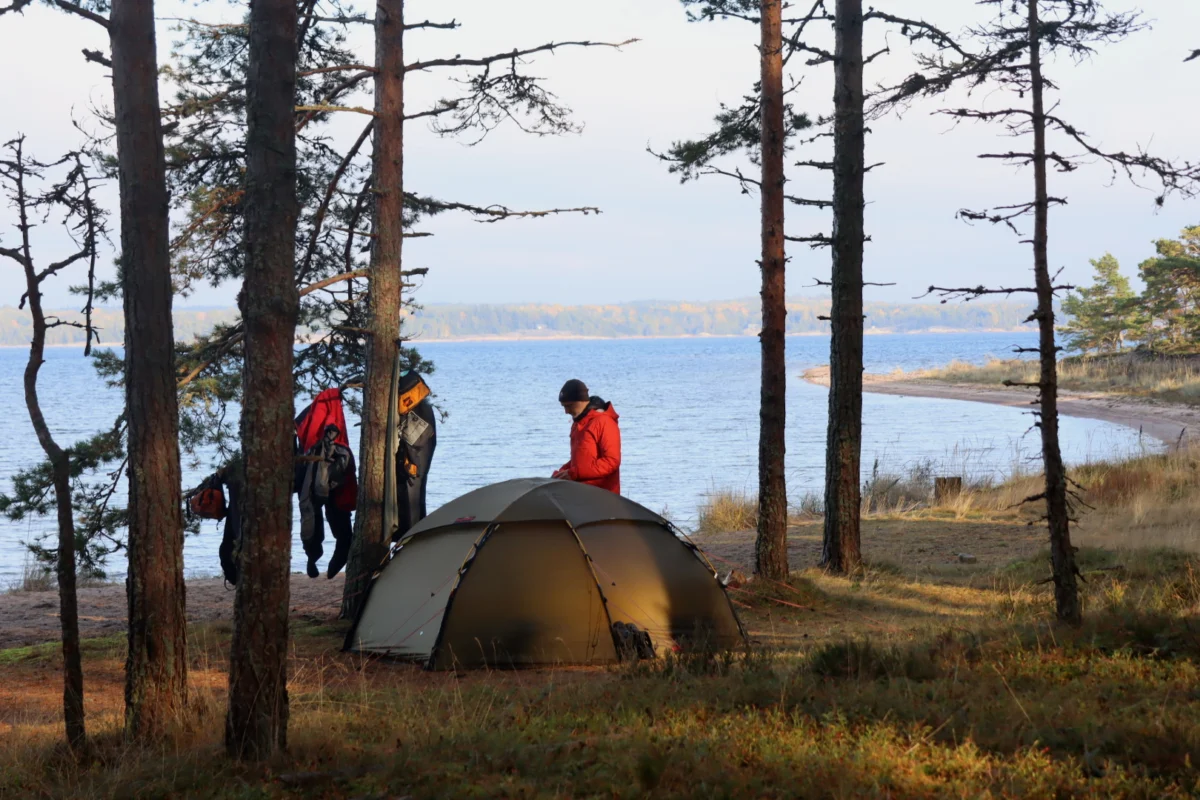
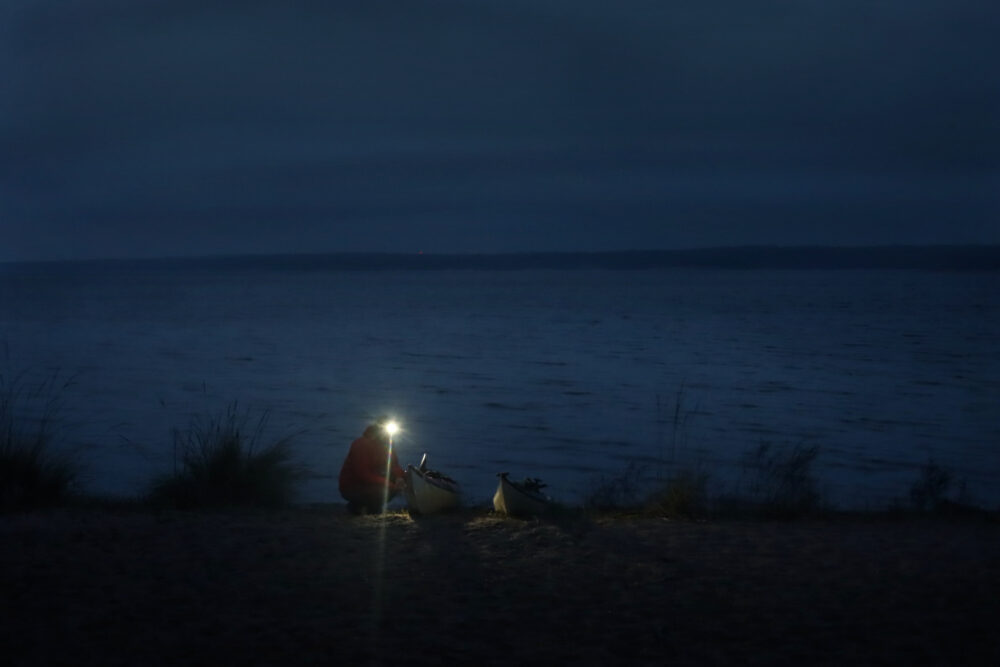
By late afternoon, we reached the western shore of Sandön. The pine forests, dense and resilient, offered a natural windbreak. As we hauled our kayaks onto the shore, we draped our spray-drenched gear over the lower pine branches, hoping the mild air would draw out the moisture. It was here that the true character of this autumn became apparent. Unlike the dry heat of mid-July, the air was saturated with humidity. Every surface—kayak hulls, tent canvas, and clothing—was coated in a fine, persistent dew. This is a critical factor for long-distance paddling; in this climate, once gear becomes damp, it remains so, creating a logistical challenge that threatens to turn long expeditions into a struggle against mildew and decay.
The Golden Hour
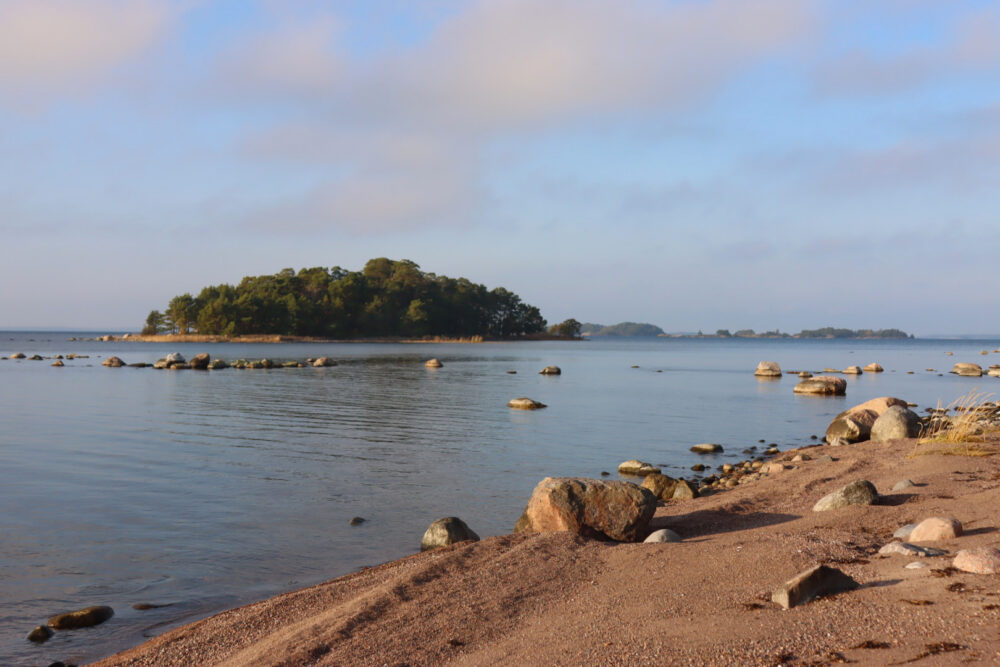
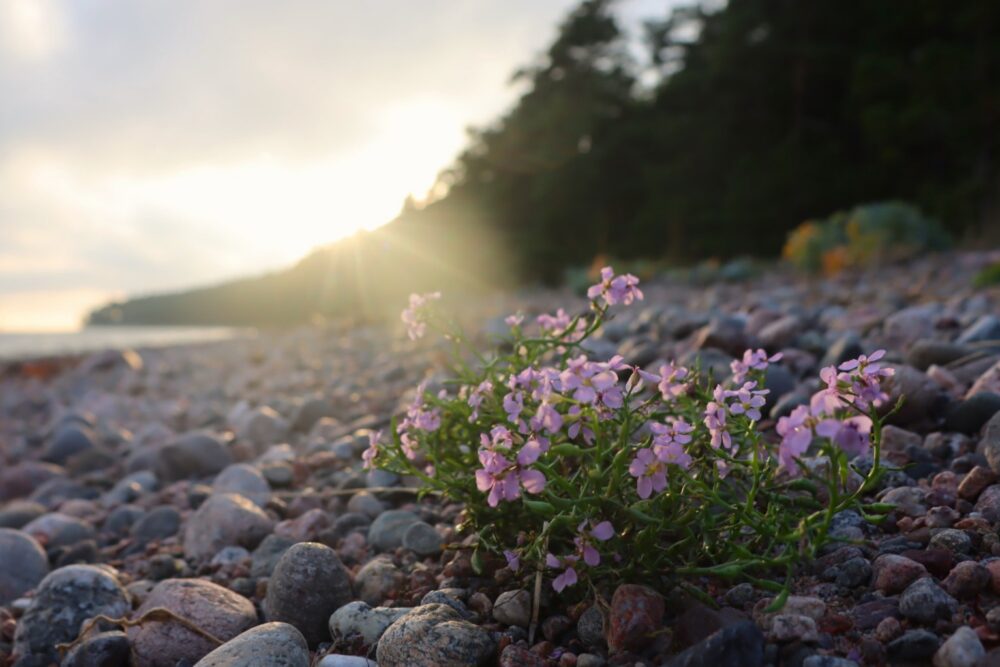
As twilight approached, the clouds parted with startling suddenness. The landscape, which had appeared as a muted pastel sketch moments before, ignited. The sun dipped low, turning the sand into a gilded ribbon and the sea into a deep, bruised cobalt. The wind fell silent, and for a brief, surreal moment, the calendar seemed to reset. We were, against all logic, experiencing summer in mid-October.
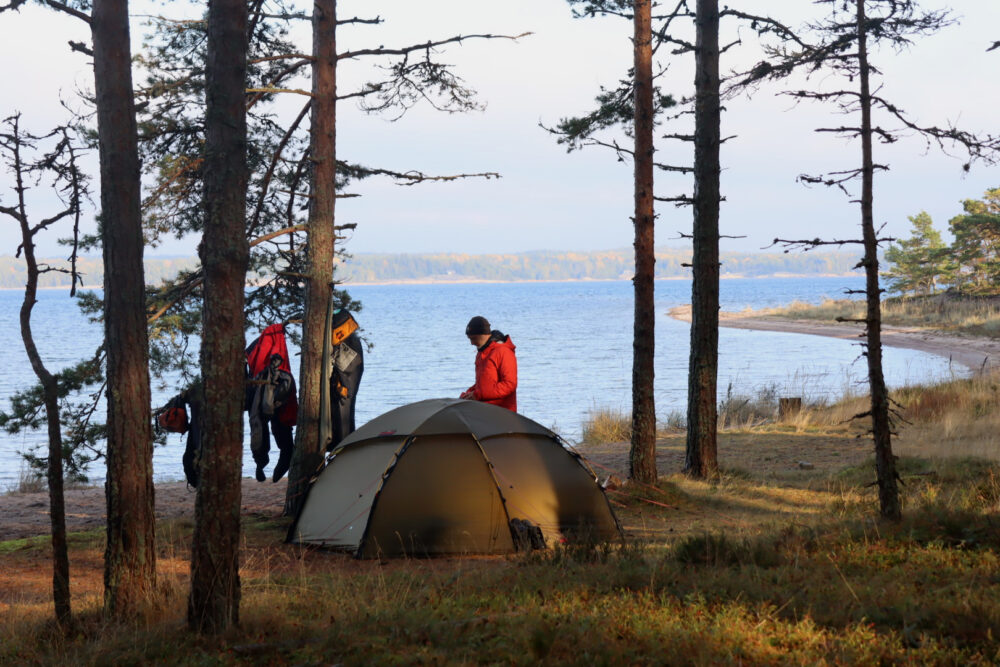
Day Two: The Lingering Heat
The following morning brought a heavier, more stubborn mist. Yet, the temperature remained anomalous. I found myself sleeping with my sleeping bag unzipped—a rare occurrence for this time of year. Before departing, I took a morning swim. The water, still retaining the thermal energy accumulated over the past months, felt temperate, even as it was flecked with the fading remnants of late-season blue-green algae.
Supporting Data: An Unusually Warm October
Meteorological data from the Archipelago Sea region confirms the subjective experience of this "prolonged summer." While long-term averages for the region usually see a significant cooling trend by early October, the current season has been influenced by stagnant high-pressure systems trapping warm, moist air masses from the Baltic.
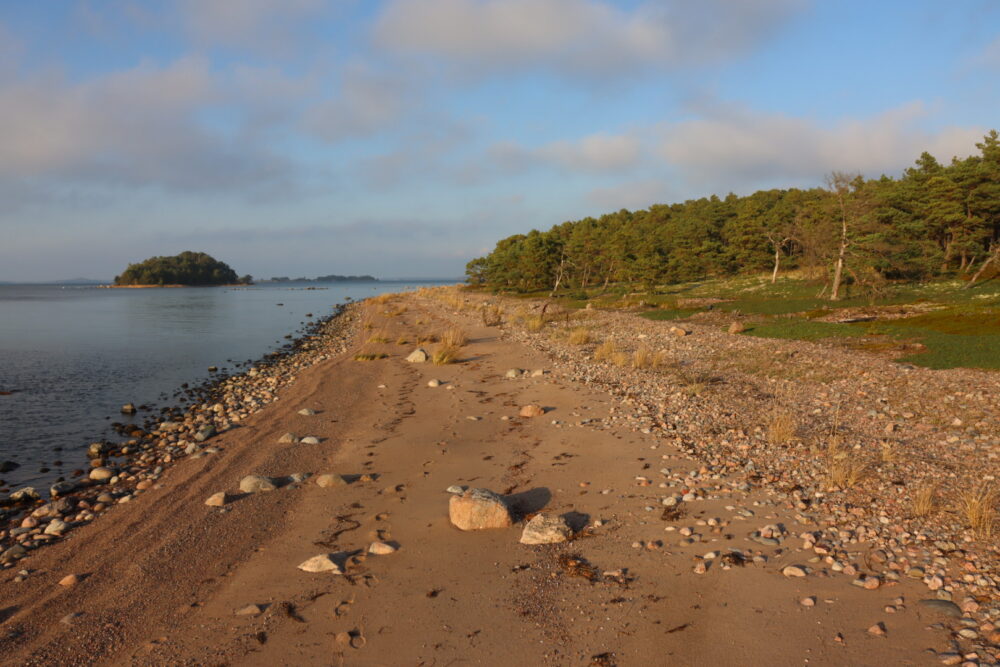
- Average Daytime Temperature: 13.5°C (Historical average: 8–9°C).
- Sea Surface Temperature: Remaining consistently around 12°C, which is roughly 2–3 degrees above the seasonal norm.
- Precipitation Patterns: Lower than average, but with significantly higher relative humidity, leading to constant condensation and "damp-cold" conditions.
This thermal inertia is a hallmark of the Baltic Sea’s buffering capacity. The water acts as a giant heat sink, absorbing radiation throughout the summer and releasing it slowly as the air cools. In years where the autumn winds are light, this release is tempered, allowing the "summer feel" to persist well into the tenth month.
Implications of the "Ghost Summer"
The implications of these prolonged mild conditions are manifold, affecting both the ecosystem and the human experience of the outdoors.
1. Ecological Disruptions
For the flora and fauna of the archipelago, these anomalies are not merely pleasant. The late-season warmth can trick migratory birds into delaying their departure, and the persistent humidity creates a breeding ground for fungi and mosses that would otherwise enter dormancy. The presence of blue-green algae, typically a July phenomenon, serves as a stark reminder that the ecosystem is lagging behind its biological clock.
2. The Practicality of Outdoor Recreation
For kayakers and hikers, the season presents a "double-edged sword." On one hand, the lack of wind and crowds makes for near-perfect, meditative paddling. On the other, the high humidity creates a survival challenge. As noted during our stay on Sandön, moisture management becomes the primary objective. In colder, drier autumns, frost can be handled; in this "damp autumn," cold-weather gear is often too warm, yet the moisture prevents the use of lighter, breathable layers.
3. Climate Change Considerations
While a single warm October does not confirm a trend, it aligns with regional climate projections for the Baltic basin. Scientists have noted that the "thermal autumn" in Finland is being pushed further into the calendar year. This delay in the onset of winter has a cascading effect on the ice-cover duration, which is crucial for the archipelago’s delicate winter ecology.
Looking Ahead: The Inevitable Transition
As we paddled away from Sandön, the grey veil of the mist returned, and a light, persistent drizzle began to fall. The "pastel" landscape resumed its dominance. Our drysuits, essential for the return journey, did their work, keeping the dampness of the air at bay.
The experience raises a poignant question for those who love the Finnish wild: Is it better to witness the landscape in its "wrong" season, or to wait for the harsh, predictable reality of winter? There is a profound, if melancholic, beauty in this suspended animation. However, the archipelago is a place of extremes, and the true test of the wilderness lies in its ability to force us to adapt.
We left with the intention of returning. We want to see the islands when the "real" autumn finally arrives—when the wind strips the trees bare and the first frost silences the persistent humidity. Before the winter ice locks the archipelago in its final, icy grip, there is a small window where the sea is at its most honest. Until then, we carry the memory of that brief, golden, and entirely misplaced summer afternoon on the sands of Sandön.