In November 2024, a pivotal exchange of professional knowledge took place along the banks of India’s most iconic rivers. Ben Schmidt and Sam Johnston, lead instructors from the Montana-based Whitewater Rescue Institute (WRI), embarked on a multi-week expedition to Northwestern and Northeastern India. Their mission: to harmonize international safety standards with the indigenous, world-class expertise of the guides at Aquaterra Adventures, a vanguard of the Indian outdoor industry.
This partnership represented more than a mere training seminar; it was a high-level collaboration aimed at standardizing swiftwater rescue protocols across disparate terrains. From the sacred, turquoise waters of the Ganga to the thundering, untamed rapids of the Brahmaputra, the journey underscored the universal language of river safety and the profound professional bond formed between those who dedicate their lives to the current.
Chronology: From the Missoula Foothills to the Himalayan Foothills
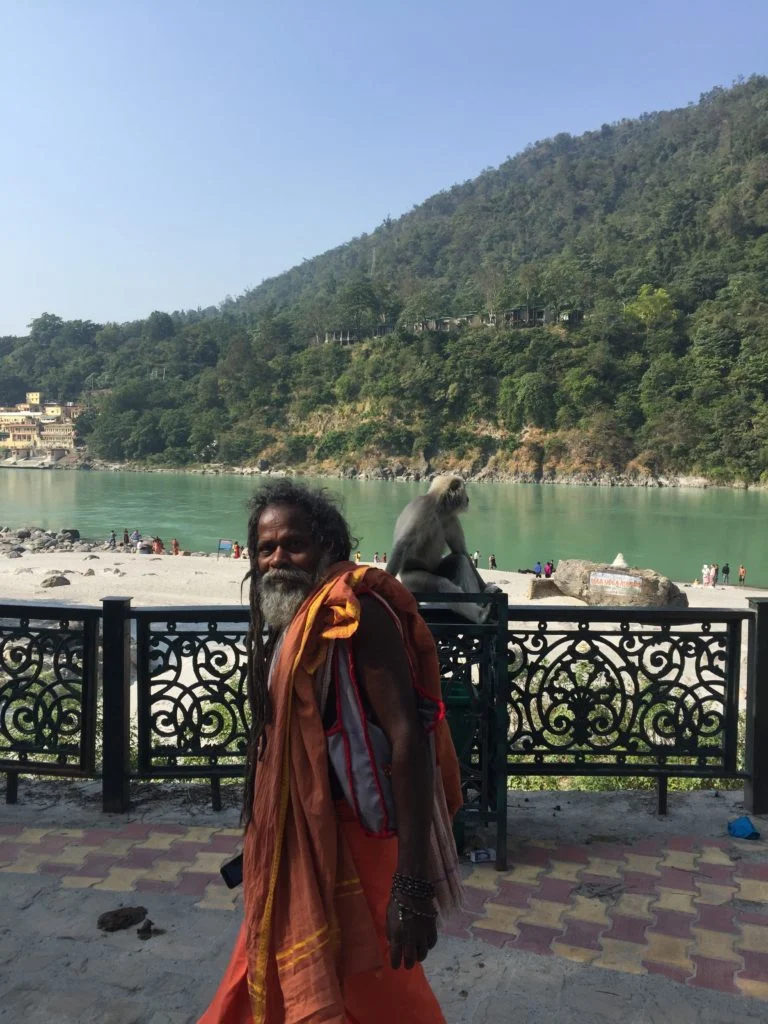
The expedition began in the transition from the arid mountain air of Missoula to the sensory intensity of Northern India. Upon arrival in Dehradun, Schmidt and Johnston were immediately immersed in the vibrant, chaotic rhythm of Indian life—a stark contrast to the quiet wilderness of the American West.
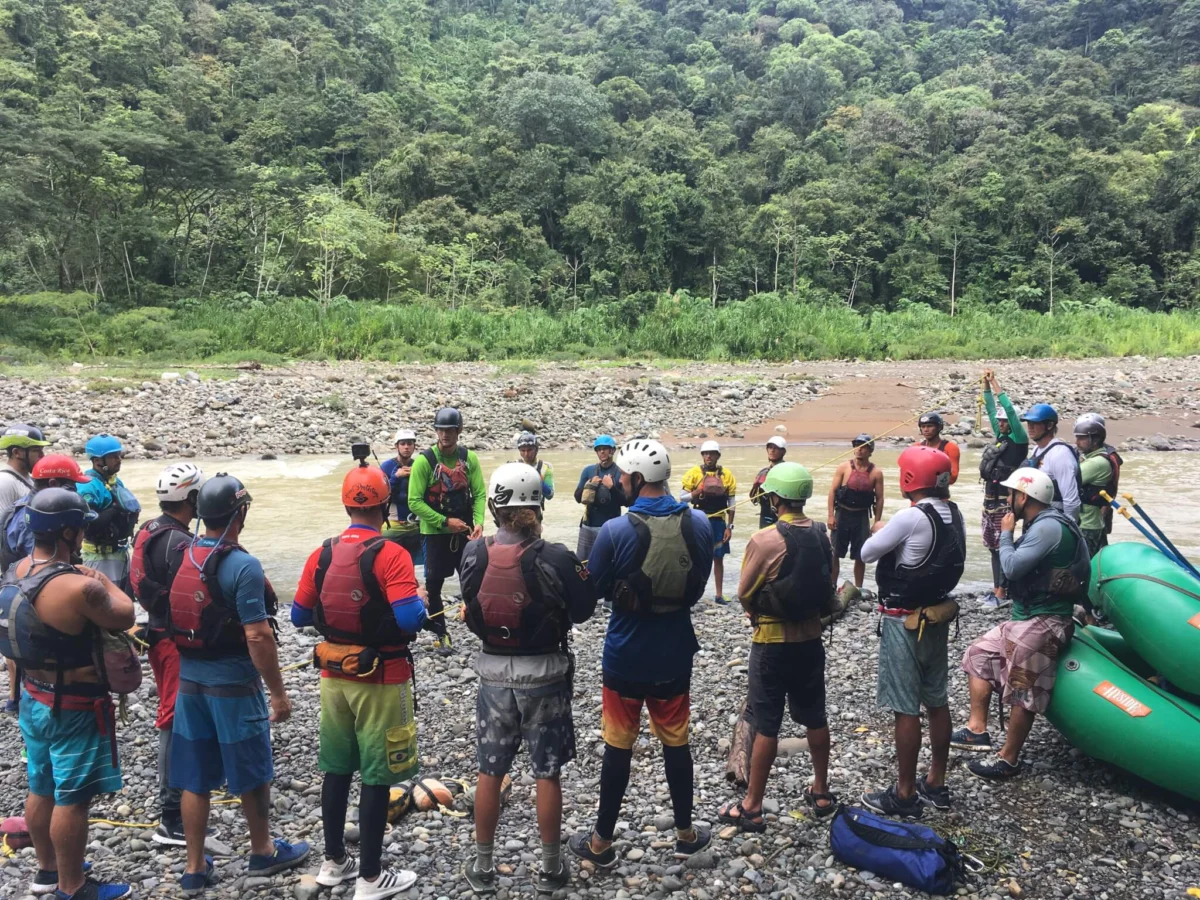
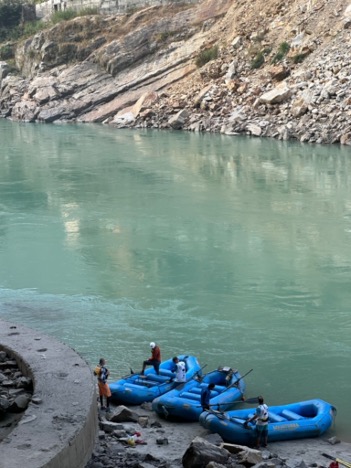
Following their transit to the Atali Ganga basecamp, the instructors established a command center overlooking the Ganga River. This site, managed by Aquaterra Adventures, serves as a hub for river-running excellence in the region. The initial phase of the trip—a ten-day intensive training period—was designed to integrate WRI’s rigorous curriculum into the daily operational framework of the Aquaterra guide team.

Following the success of the Ganga training, the team pivoted to the Brahmaputra. This second phase involved complex logistics coordinated by Aquaterra founder Vaibhav Kala, whose oversight was essential for navigating the transit from New Delhi to the remote reaches of Arunachal Pradesh. The final leg of the journey concluded on the Brahmaputra, where the instructors applied the theoretical safety frameworks in one of the most challenging white-water environments on the planet.
Supporting Data: The Curriculum of Safety
The training sessions focused on institutionalizing risk management. The WRI curriculum, as taught by Schmidt and Johnston, emphasizes that effective rescue is not merely a reaction to crisis but a result of systematic preparation.

Key technical modules included:
- Universal Risk Management: Establishing upstream and downstream safety protocols, signal systems, and emergency action plans (EAPs) tailored to specific river morphologies.
- Advanced Swimming Dynamics: Mastery of aggressive and defensive swimming techniques, specifically adjusted for the high-volume, cold-water conditions of the Indian Himalayas.
- Inflow Rescue: Practical applications for extracting victims in complex hydraulic features, emphasizing the use of throwbags and mechanical advantage systems.
- Equipment Standardization: A review of gear integrity, personal protective equipment (PPE) requirements, and the transition from legacy gear to modern, globally recognized safety equipment.
The efficacy of these sessions was bolstered by the existing skill level of the Aquaterra guides. Many of these professionals, having spent their entire lives navigating the tributaries of the Ganga, brought an intuitive understanding of the river that proved invaluable. The collaboration was, therefore, not a top-down instruction, but a reciprocal exchange where local expertise met international technical standards.

The Brahmaputra Expedition: A Trial by Fire
The transition to the Brahmaputra marked the transition from classroom theory to high-stakes application. The Brahmaputra is widely regarded as the "Everest of Rivers," characterized by massive water volume, bus-sized laterals, and erratic, violent hydraulics.
Navigating this river requires more than physical stamina; it requires total synchronization of the crew. Under the guidance of seasoned lead guide Rana G—a veteran of 23 previous Brahmaputra expeditions—Schmidt and Johnston experienced the reality of "hard forward" paddling. In sections where wave faces reached 30 feet, the instructors noted that the velocity of the river, often exceeding 20 miles per hour, left no room for error.

This portion of the journey served as a litmus test for the rescue techniques previously discussed. By operating in such extreme conditions, the team was able to refine their approach to communication and rescue deployment, ensuring that every safety protocol was stress-tested against the realities of a remote, high-volume expedition.
Official Perspectives and Professional Reflections
Reflecting on the experience, Sam Johnston of WRI highlighted the transformative nature of the partnership. "River-running isn’t about conquering the river," Johnston noted. "It’s about the internal conquest of fear and the external commitment to stewardship. Our time with Aquaterra was a testament to the fact that while rivers change from continent to continent, the fundamental responsibility of the guide remains constant: to protect, to educate, and to respect the water."

Vaibhav Kala, owner of Aquaterra Adventures, emphasized the importance of such international collaborations for the Indian outdoor industry. "Hosting the Whitewater Rescue Institute allowed our team to look at our established practices through a new lens. By merging our deep local knowledge with WRI’s structured approach to rescue, we are raising the bar for the entire industry in India. It is about creating a safer, more professional environment for every client we host."
Implications for the Future of Global River Safety
The implications of this 2024 mission extend far beyond the two rivers involved. By successfully implementing a standardized, globally recognized curriculum in a region as diverse and challenging as India, the Whitewater Rescue Institute has demonstrated the viability of a "universal" safety language.

1. Standardization of Training
The success of this partnership provides a blueprint for similar collaborations in other developing outdoor tourism markets. Standardized training ensures that guides—regardless of where they work—can communicate effectively during international expeditions and handle emergencies with a predictable, high-level skillset.
2. Environmental Stewardship
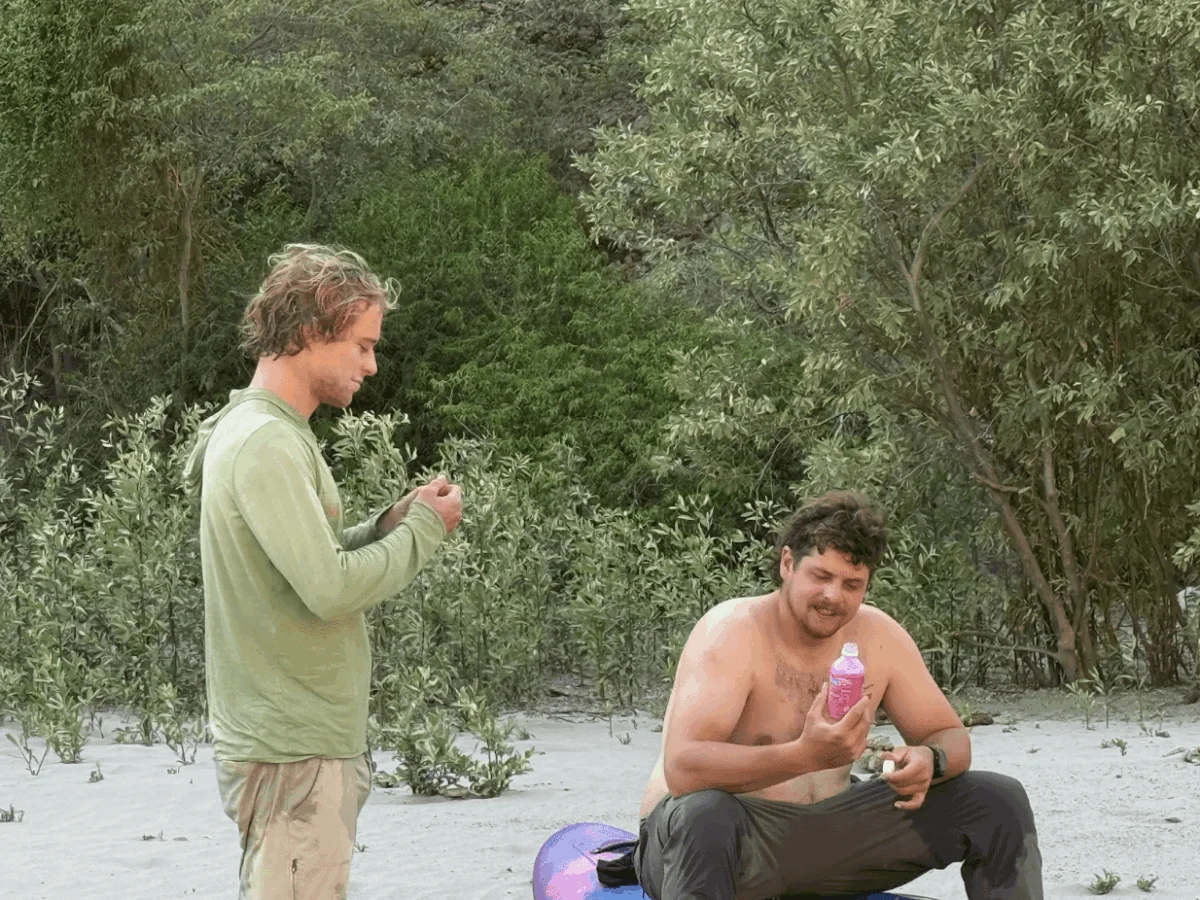
The expedition also reinforced the role of the river guide as a steward. As the team spent nights on remote beaches and engaged with local communities—observing traditions such as the harvesting of unique riverside fauna—they noted the critical role that tourism plays in protecting these wild spaces. By fostering a culture of safety, the industry can better advocate for the preservation of these rivers, which are currently facing various pressures from development and climate change.

3. Strengthening International Networks
The "biopic-worthy" characters encountered during the Brahmaputra descent represent a growing global network of river professionals. The professional ties forged between the Montana team and the Indian guides serve as a foundation for future rescue symposia, collaborative expeditions, and the continued professionalization of the adventure travel sector.
Conclusion: A Lasting Legacy
As Ben Schmidt and Sam Johnston departed, they left behind not just a set of training manuals, but a reinforced culture of safety that will ripple through the Indian river guide community for years to come. The partnership between WRI and Aquaterra Adventures stands as a model for how specialized knowledge can be transferred across cultural and geographical boundaries.

In the final analysis, the journey was a reminder that within every rapid and every river bend, there exists a story. Through this collaborative effort, the WRI and Aquaterra teams have ensured that those stories are characterized by safety, resilience, and a deep, enduring connection to the wild. The legacy of this 2024 expedition is the assurance that as more adventurers seek out the hidden corners of the globe, there will be a new, globally-aligned standard of excellence ready to ensure their safe return.