When the term "ghost" is whispered among anglers, the mind often wanders toward the supernatural—perhaps a legend of a lake monster or a long-lost record-breaking catch. However, in the realm of modern freshwater biology and sport fishing, the "Ghost Carp" is very real, though no less mysterious. These iridescent, captivating creatures glide through murky waters like living apparitions, challenging the skills of the most seasoned anglers and sparking intense debate among conservationists. Far from being a paranormal phenomenon, the Ghost Carp is a masterclass in selective breeding, representing a unique intersection between ornamental artistry and the rugged resilience of wild carp species.
Main Facts: Biology and Characteristics
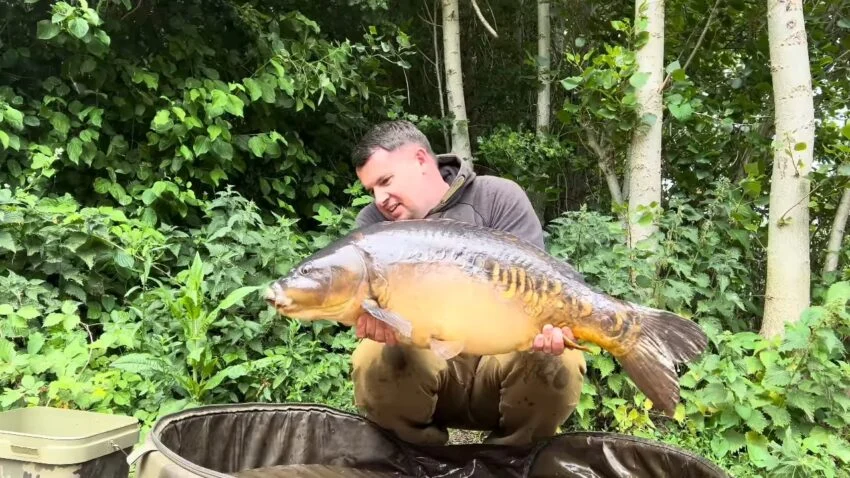
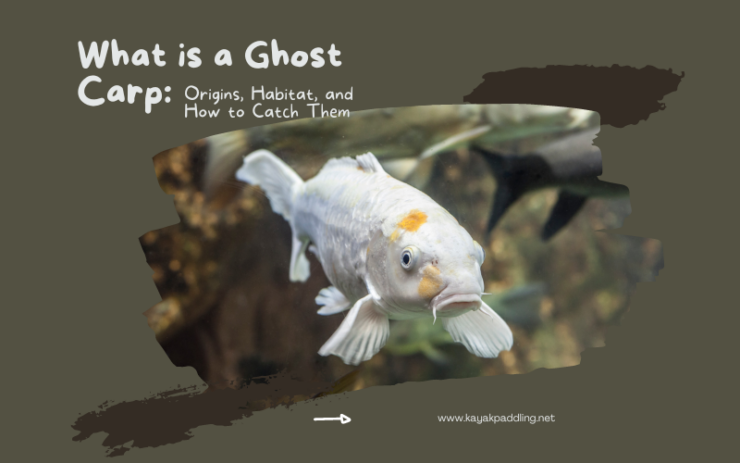
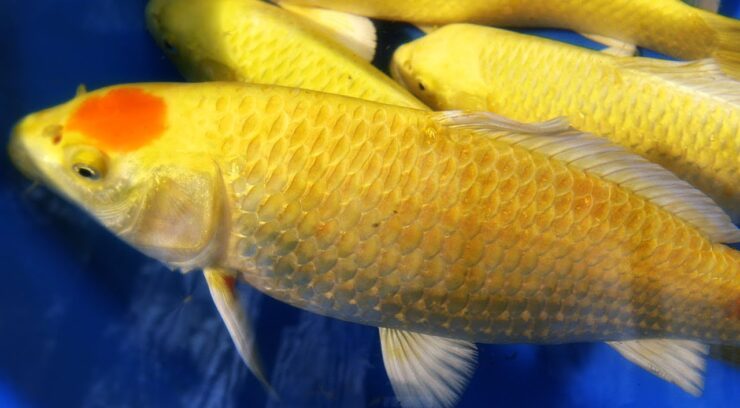
The Ghost Carp (Cyprinus carpio) is not a naturally occurring species in the wild but rather a man-made hybrid. By crossbreeding traditional, hardy common or mirror carp with the metallic, ornamental Yamabuki Ogon Koi, breeders in the 1980s successfully engineered a fish that possessed the size and strength of a river carp with the ethereal, shimmering beauty of a koi.
Physically, these fish are robust, characterized by a thick, torpedo-shaped body that suggests immense power. They are remarkably hardy, capable of surviving in water temperatures ranging from as low as 3°C (37°F) to over 30°C (86°F). This adaptability is bolstered by their ability to gulp oxygen at the water’s surface, allowing them to thrive in oxygen-depleted, eutrophic environments where other species might perish.
Key Specifications
| Attribute | Data |
|---|---|
| Scientific Name | Cyprinus carpio |
| Average Weight | 6–15 lb (2.7–6.8 kg) |
| Maximum Weight | 94 lb (42 kg) |
| Average Length | 18–26 inches (45–65 cm) |
| Maximum Length | 48 inches (120 cm) |
| Lifespan | 9–45 years |
The "ghostly" appearance is not a trick of the light, but a biological marvel. Their skin contains dense concentrations of crystalline purine cells. These cells reflect sunlight, creating metallic gold, silver, or platinum highlights that seem to glow against the dark, murky backdrop of a lake bed. As they age, these colors often intensify, making them a prize specimen for both private collectors and trophy hunters.
Chronology: The Evolution of a Hybrid
The history of the Ghost Carp is relatively brief, beginning in the late 20th century. While koi have been bred in Japan for centuries, the specific commercialization of the "Ghost" variety as a sport fish primarily emerged in the United Kingdom and Europe during the 1980s.
- Pre-1980s: Ornamental koi were largely confined to garden ponds, while common carp were viewed strictly as food sources or wild, invasive nuisances.
- 1980s (The Genesis): Visionary breeders experimented with cross-species hybridization. By crossing the Yamabuki Ogon Koi (known for its brilliant yellow metallic scales) with the common/mirror carp, they created a hybrid that retained the size and "fight" of the common carp.
- 1990s–2000s: The popularity of these fish exploded in the European angling scene. Specialized fisheries began stocking Ghost Carp to attract anglers seeking a unique, visually stunning challenge.
- Present Day: Ghost Carp have established a firm identity as a premier sport fish, though their status remains controversial in regions where their wild cousins are classified as invasive.
Supporting Data: Habitat and Diet
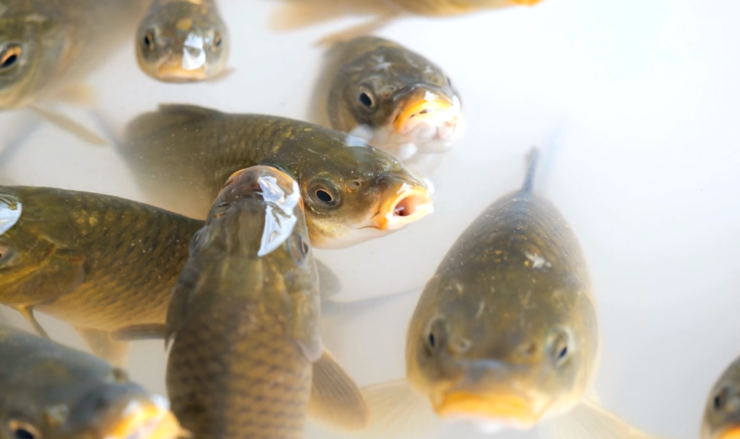
Ghost Carp are "freshwater pigs," a moniker earned through their voracious and non-selective feeding habits. They are omnivorous, constantly scavenging the substrate for aquatic insects, larvae, mollusks, and plant matter.
Nutritional and Growth Factors
Their growth rate is heavily dependent on the "carrying capacity" of their environment. In nutrient-rich waters—often those affected by agricultural runoff—Ghost Carp can reach staggering sizes. They are benthic feeders, meaning they possess sensitive barbels around their lips that act as taste-buds, allowing them to "smell" and locate food in total darkness or heavy silt.
Their reproduction is equally prolific. A single female can deposit hundreds of thousands of eggs in a single season. Because they do not guard their eggs, the survival of the species relies on sheer volume, a strategy that has made them highly successful at colonizing new waterways once introduced.
Official Responses and Ecological Implications
The rise of the Ghost Carp has prompted varied responses from environmental agencies worldwide. In the United Kingdom and much of Europe, they are celebrated as a staple of recreational fishing. However, in North America and parts of Australia, the narrative is vastly different.
The Invasive Debate
In the United States, wild common carp are frequently viewed as an environmental hazard. When Ghost Carp or their wild relatives enter public waterways, their bottom-feeding behavior can lead to severe ecological disruption:
- Sediment Suspension: By uprooting aquatic vegetation, they stir up the lake bed, increasing water turbidity and blocking sunlight necessary for native plant growth.
- Outcompeting Natives: Their high reproductive rate allows them to dominate food sources, leaving native species with dwindling resources.
- Disease Transmission: Wild populations are known vectors for the Koi Herpesvirus (KHV), which can devastate local fish populations if introduced to a new watershed.
Management Strategies
Because of these risks, official wildlife agencies have implemented strict regulations. In many jurisdictions, it is illegal to transport live carp or introduce ornamental hybrids into public lakes. Management strategies include the use of acoustic or electric barriers to prevent migration, as well as active netting programs to keep populations in check.
The Angler’s Challenge: Why They Are Prized
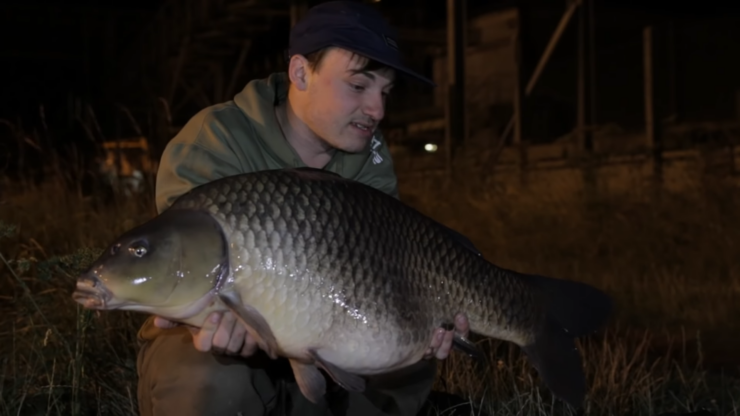
Despite their ecological controversy, the Ghost Carp remains one of the most sought-after catches for sport fishermen. The fascination stems from their reputation for being "intelligent." While fish intelligence is a subject of scientific debate, anglers often describe Ghost Carp as particularly wary.
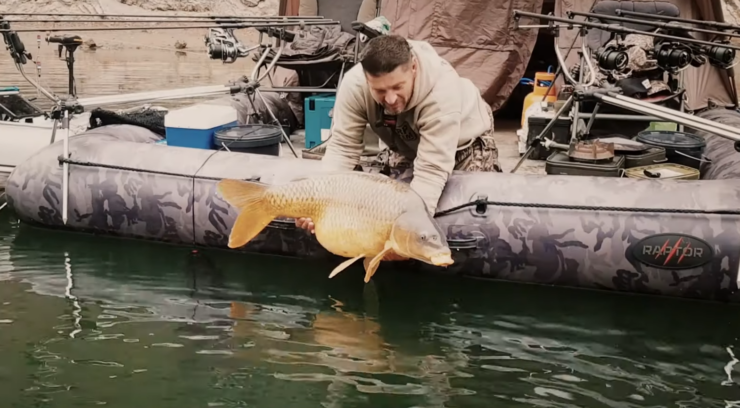
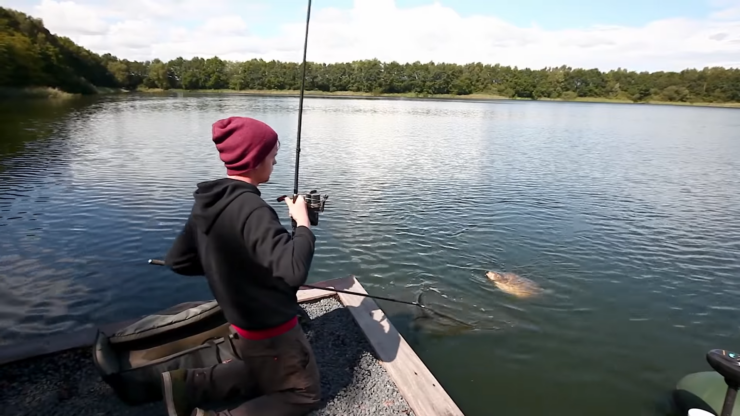
They are known to be "line shy" and exceptionally cautious in clear water. When hooked, they display incredible endurance, utilizing their thick, muscular bodies to stage long, powerful runs that test both the angler’s patience and equipment.
Pro-Tips for the Aspiring Angler
For those pursuing these "ghosts," success often requires a change in tactics:
- Bait Selection: While they are omnivorous, boilies, sweetcorn, and maggots are standard. In high-pressure fisheries, using unique flavors or "spiced" luncheon meat can sometimes tempt a weary, older fish.
- Location: Look for "structure." Ghost Carp favor areas with submerged logs, lily pads, and overhanging trees. They feel secure in the shadows of these obstacles.
- Adaptability: If you are not seeing activity, change your depth and bait presentation. These fish are masters of the "snack," often picking up small, overlooked morsels on the bottom.
Conclusion: A Complex Legacy
The Ghost Carp stands as a testament to human intervention in the natural world. On one hand, they are a beautiful, engineered marvel, a piece of living art that has revitalized the sport-fishing industry in many parts of the world. On the other, they serve as a stark reminder of the dangers of invasive species and the fragility of our aquatic ecosystems.
Whether you view them as a "holy grail" for your next fishing expedition or a persistent threat to biodiversity, the Ghost Carp is undeniably a creature of intrigue. They remind us that the water hides more than just simple fish—it hides history, genetics, and the ongoing, complex relationship between humans and the natural world. If you find yourself casting a line into a quiet, murky pool, keep your eyes peeled for that flash of metallic gold; you might just be staring into the eyes of one of the most fascinating hybrids ever created.
Frequently Asked Questions (FAQ)
1. Is it true that Ghost Carp are "paranormal"?
No. The term "Ghost" refers to their appearance—their pale, metallic scales often look like shadows or apparitions in the water—not to any supernatural ability. They are a biological hybrid of koi and common carp.
2. Can I keep a Ghost Carp in a garden pond?
Yes, but with caveats. They grow very large and require a significant amount of space. A general rule of thumb is at least 25 liters of water per inch of fish to ensure health and prevent stunted growth.
3. Why are they considered a problem in some countries?
Their foraging behavior destroys aquatic vegetation and increases water turbidity, which degrades the habitat for native fish species. Furthermore, they can carry diseases like Koi Herpesvirus (KHV).
4. How can I tell a Ghost Carp from a regular Koi?
Ghost Carp are essentially a variety of koi. However, the term is usually reserved for fish that have a more "wild" body shape—thicker and more muscular—compared to the more slender, ornamental koi bred strictly for aesthetic, non-fishing ponds.
5. Are they good to eat?
While edible, they are rarely targeted for food in Western countries, where they are prized exclusively as a sport fish. In parts of Asia, common carp are a staple food, but "Ghost" variants are usually valued more for their ornamental beauty and high market price in the hobbyist trade.