In the world of whitewater kayaking, few crafts have achieved the legendary status of the Wavesport Project X. Designed as a high-performance playboat, it occupies a unique space in the paddling market, balancing the aggressive, flickable nature of a freestyle machine with the tracking capabilities of a river runner. For many, the Project X was not just a boat; it was a catalyst for skill development and a masterclass in hydraulic engineering.
Main Facts and Specifications
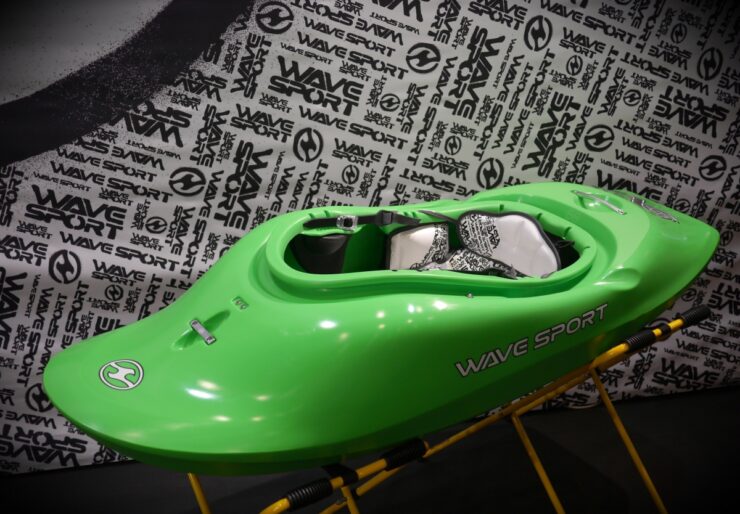
The Project X is engineered for those who demand precision. It is a full-on playboat meant for high-intensity fun, whether you are carving on a local glassy wave or running technical sections of a river. The design philosophy centers on a low-volume, high-energy profile that allows for explosive pop and rapid directional changes.
The model is available in three distinct sizes to accommodate a wide range of paddlers:
- Size 48 (Small): Optimized for lighter paddlers.
- Size 56 (Medium): The workhorse of the line, measuring 5’11” in length, weighing 32 lbs, and boasting a volume of 56 gallons.
- Size 64 (Large): Built for larger frames, ensuring no one is left out of the freestyle scene.
The medium-sized variant supports a weight range of 100 to 260 lbs, making it incredibly versatile. Its defining feature remains the highly adjustable outfitting system. By utilizing a series of shims, back-band tensioners, and hip pads, paddlers can create a "glove-like" fit. This connectivity is critical; in a playboat, the kayak must function as an extension of the pilot’s own body.
A Chronological Journey: From Learning to Mastering
The journey with the Project X often begins with a leap of faith. For many, including seasoned enthusiasts like Adelaide Gentry, this boat served as the quintessential "first kayak."
The Learning Phase
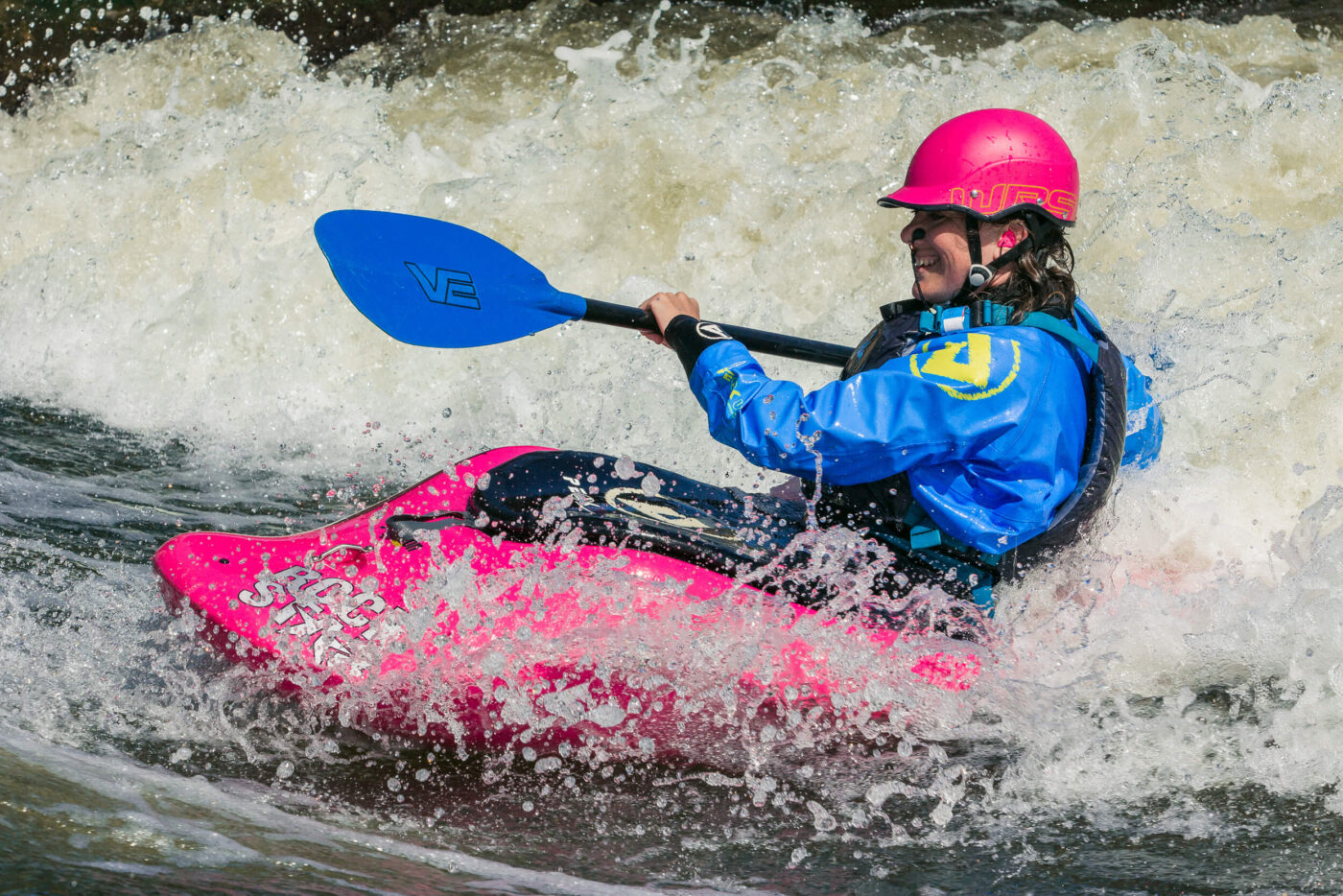
For taller or leaner paddlers who often struggle with standard boat ergonomics, the Project X offered a breakthrough. While the cockpit can feel snug—a necessity for freestyle maneuvers—the adjustability ensures that even those with long legs can achieve a comfortable, secure position. Early sessions in the Project X are often characterized by a steep learning curve. Because the boat is so responsive, it amplifies the paddler’s movements. Initially, this can feel "shakey" or unstable to a beginner, but this sensitivity is exactly what accelerates skill acquisition. Unlike "forgiving" creek boats that hide mistakes, the Project X highlights them, forcing the paddler to refine their balance and core engagement.
The Developmental Phase
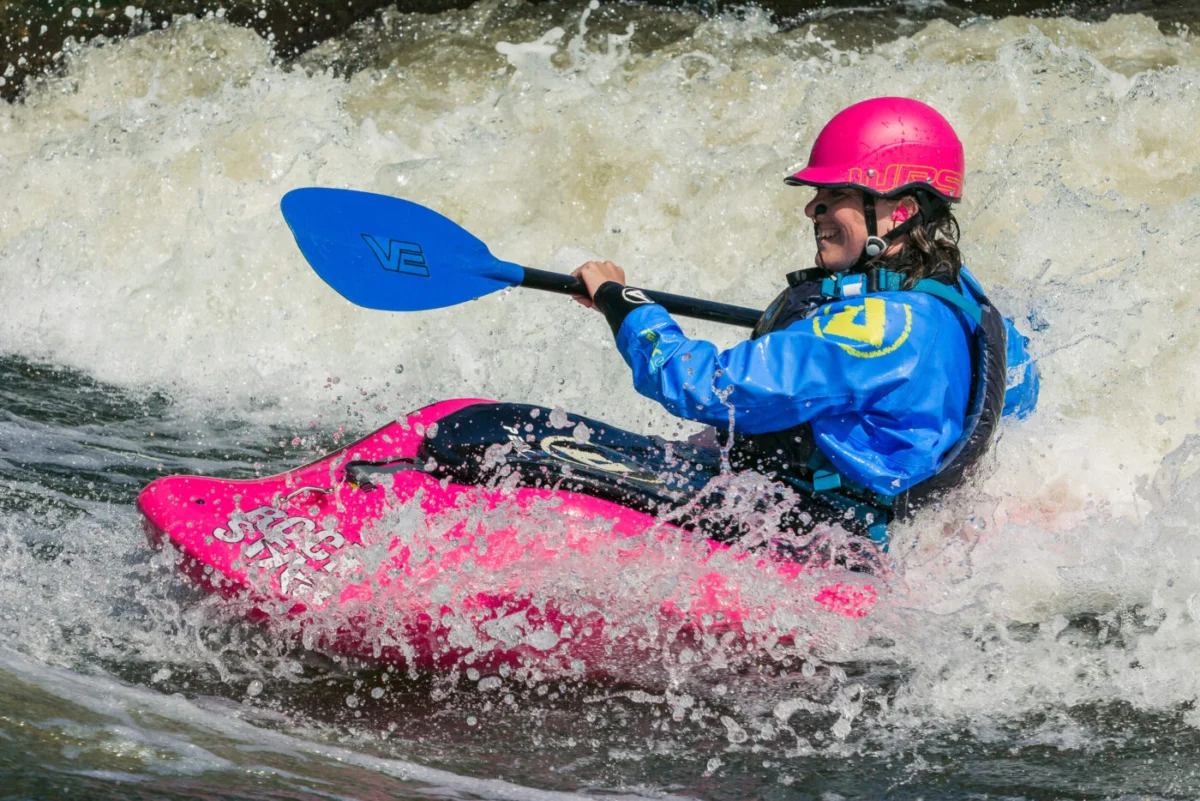
As the paddler progresses, the relationship with the boat shifts from one of struggle to one of synergy. The "feel" of the water becomes tactile; every eddy line, current seam, and pressure wave is transmitted directly to the paddler. This connectivity is the hallmark of the Project X’s design. By mid-career, the paddler moves from simply surviving the river to utilizing the boat’s edges to carve, surf, and initiate tricks.
Supporting Data and Performance Metrics
When analyzing the Project X against contemporary playboats, three pillars of performance emerge: Responsiveness, Tracking, and Stability.
Unrivaled Responsiveness
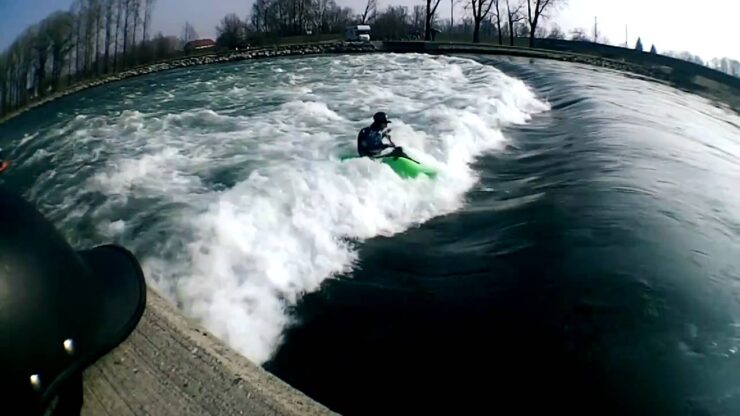
The hull design of the Project X is arguably its most celebrated feature. The volume distribution allows for rapid rotation, making it easier for intermediate paddlers to learn flat-water loops and cartwheels. When on a wave, the boat reacts to the slightest tilt, allowing for aggressive carving that feels energetic and lively.
Superior Tracking
A common criticism of playboats is their tendency to "spin out" or wander in flat water. The Project X defies this trope. Its hull profile allows it to track with surprising accuracy for a boat of its length. It moves forward with the efficiency of a river runner, a trait that proves invaluable when paddling through long, flat sections between features.
The Stability Paradox
Stability in a playboat is a relative term. By nature, playboats are wobbly—they are designed to be tipped, rolled, and tossed. However, the Project X offers a "controlled wobble." It provides a stable platform for the paddler to initiate moves, whereas other models often require excessive physical exertion just to maintain a neutral position. This balance between "rowdy" play and reliable control is why the boat remains relevant years after its initial launch.
The Versatility Factor: Beyond the Playspot
While designed for play, the Project X has earned a reputation for being an "all-river" performer.
Big Water Performance
On massive, pushy rivers like the Ottawa, the Project X transforms into a high-speed vehicle. Even when surrounded by "bus-sized" waves, the boat’s ability to track and carve provides a sense of security that is often missing in shorter, less refined designs. The boat doesn’t just survive the whitewater; it thrives in it, allowing the paddler to surf waves on the fly while navigating downstream.
Creeking and Technical Runs
The Project X has been successfully piloted down Class II–IV runs, including the Mississippi in Ontario and the Upper Petawawa. In these environments, the boat allows the paddler to treat the entire river as a playground, catching micro-eddies and ramping over rocks. When the rapids become serious, the boat cooperates, holding a line and maneuvering exactly where it is pointed, provided the paddler has the technical proficiency to guide it.
Practical Recommendations and Design Implications
Despite its brilliance, no boat is perfect. Based on long-term usage, there are three minor areas where the Project X could see improvements:
- Outfitting Durability: The surface layer of the outfitting foam tends to peel over time. While this does not compromise the structural integrity or comfort, it is an aesthetic and maintenance annoyance. A more resilient fabric or coating would be a welcome upgrade.
- Weight Reduction: At 32 lbs, it is by no means heavy, but in the era of ultra-light plastics and carbon fiber, even a marginal reduction in weight would improve the ease of portaging and the speed of aerial tricks.
- Storage Integration: The lack of a dedicated water bottle holder is a significant oversight for long days on the river. Hydration is vital for performance, and having a bottle bounce around in the stern is both distracting and potentially dangerous.
Official and Community Response
The consensus among the kayaking community—and corroborated by industry experts—is that the Project X remains a gold standard for progression. It is frequently cited in forums as the "best bang for your buck" on the used market. Because the plastic used in the shell is remarkably durable, these boats often outlast their original owners. It is not uncommon to see a decade-old Project X that still performs with the agility of a brand-new model.
Final Reflections: The Legacy of the Project X
If the measure of a kayak is its ability to shape a paddler’s identity, the Project X stands at the top of the hierarchy. It is a machine that rewards curiosity and rewards the brave. It doesn’t pamper the user with excessive volume or extreme stability; instead, it invites them to master the water.
For those looking to enter the world of freestyle kayaking, the Project X is more than just a purchase; it is an investment in one’s own growth. Whether you are a beginner looking to understand the mechanics of the river or an experienced paddler seeking a reliable boat that can handle everything from a surf session to a technical run, the Project X remains a formidable choice. Its longevity in the market is a testament to its design; in an industry that often favors the "next big thing," the Project X serves as a reminder that true quality never goes out of style.
In the end, it is the feeling of coming down the face of a wave—the energy, the speed, and the sheer joy of the carve—that defines this boat. It is a tool that turns a simple descent into a lifelong passion for the sport.