In a landmark move for the South Caucasus, a consortium of seasoned industry professionals has officially announced the formation of the Azerbaijan Ecotourism Association (AETA). This initiative, catalyzed by a series of progressive sustainable reforms championed by the administration of President Ilham Aliyev, marks a pivotal shift in how the nation intends to balance its economic development with the preservation of its diverse and delicate ecosystems. As Azerbaijan seeks to pivot toward a more diversified, post-oil economy, the AETA emerges as a critical vehicle for establishing the country as a global destination for sustainable and ecological tourism.
Main Facts: The Genesis of AETA
The Azerbaijan Ecotourism Association is not merely a non-profit entity; it is designed as a structural bridge between environmental stewardship and the tourism sector. By fostering a culture of "eco-literacy," the association intends to transform the way local businesses and visitors interact with the country’s natural landscapes.
The founders—a group of highly experienced experts including Samir Dubendi, Zurab Israfilov, Rufat Gojayev, and Vugar Dargahov—have established a comprehensive roadmap. Their objectives are multifaceted:
- Capacity Building: Developing educational frameworks for tourism stakeholders to ensure industry-wide compliance with international environmental standards.
- Product Diversification: Moving beyond traditional tourism models by championing agritourism, rural tourism, eco-hospitality, and organic culinary experiences.
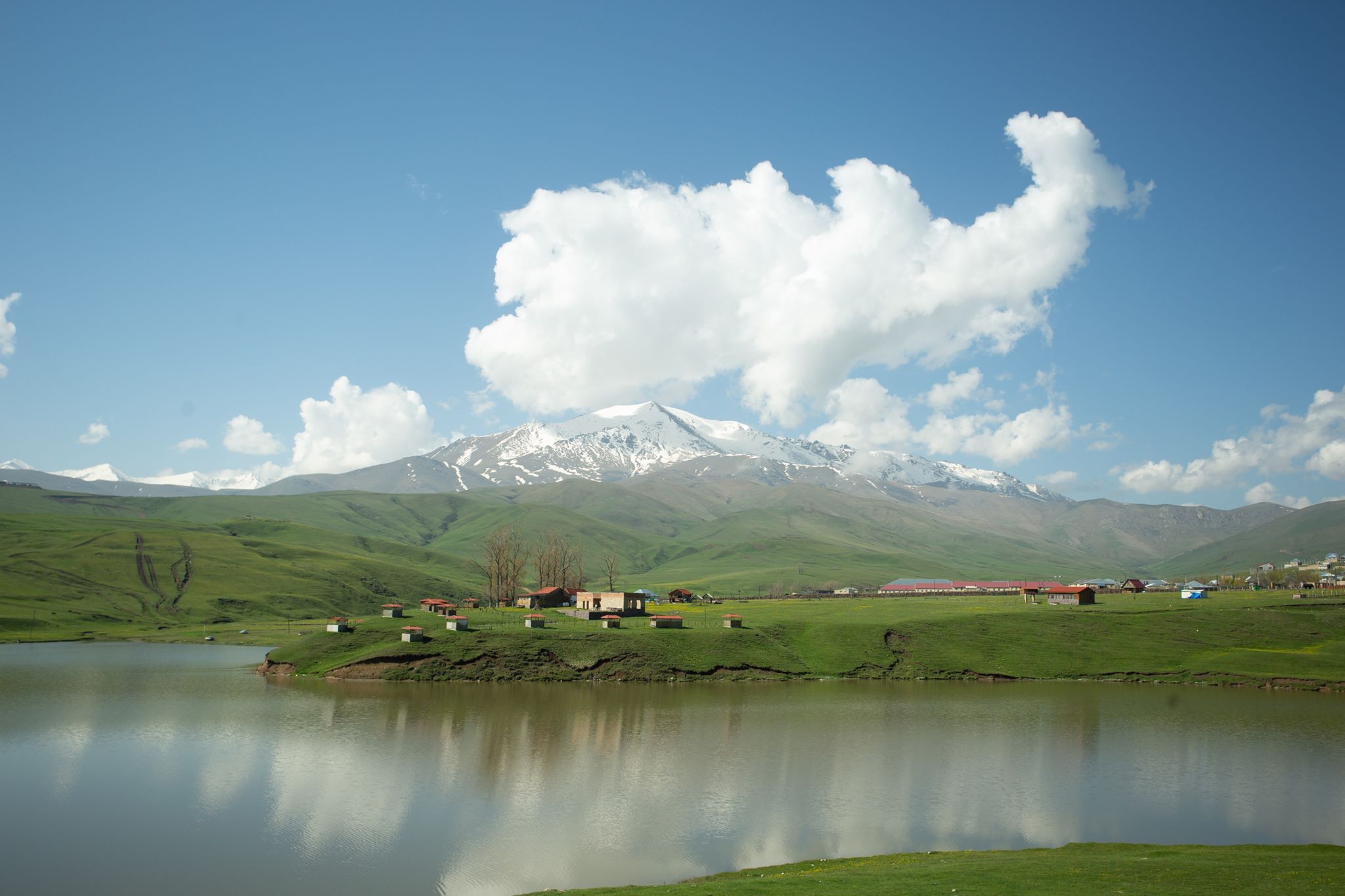
- Global Positioning: Aggressively marketing Azerbaijan’s unique natural heritage—from the Caspian shoreline to the high-altitude Caucasus mountains—on the international stage.
- Conservation Advocacy: Integrating biodiversity protection into the very heart of tourism planning to ensure that the industry serves as a guardian of nature rather than a consumer of it.
Chronology of Development
The path to the creation of the AETA was marked by rigorous consultation and strategic planning. Recognizing that local expertise alone would be insufficient for global competitiveness, the founders engaged in a series of deep-dive discussions with prestigious international entities.
- Initial Consultations (Q4 2019): Founders initiated dialogues with The International Ecotourism Society (TIES) and the World Wide Fund for Nature (WWF). These early meetings were crucial for aligning Azerbaijan’s national aspirations with global benchmarks for sustainable development.
- Institutional Alignment (January 2020): Formal partnerships were explored with the State Tourism Agency of the Republic of Azerbaijan and the Ministry of Ecology and Natural Resources. This alignment ensured that the AETA’s mission was not only supported by private enterprise but also endorsed by government policy frameworks.
- Organizational Structuring: Led by Samir Dubendi, the team focused on establishing an internal governance structure that mirrors the transparency and agility required in the modern hospitality sector.
- Launch Phase (Current): The association is now moving toward full operational capacity, with a target of being fully functional within the first quarter of 2020. This rapid mobilization is indicative of the team’s commitment to seizing the current momentum in government-led environmental reforms.
Supporting Data and Stakeholder Integration
The success of the AETA is predicated on its broad base of institutional support. By bringing together a coalition that includes the DAIR Hotels and Restaurants Association, the Azerbaijan Nature Protection Society, and the REM Caucasus Regional Eco Center, the association has successfully created a "quadruple helix" of innovation: government, academia, industry, and environmental NGOs.
The Role of Expertise
Samir Dubendi, who serves as the Chairman of the Executive Board of the DAIR Hotels and Restaurants Association and as a senior lecturer at the Azerbaijan Tourism and Management University (ATMU), brings an invaluable academic perspective to the association. His dual role ensures that the next generation of hospitality professionals is being trained in eco-conscious management, providing a sustainable pipeline of talent.
The inclusion of international partners like TIES provides the AETA with a "fast-track" to global best practices. As Dubendi noted in his inaugural address, the collaboration with TIES is intended to be a permanent, ongoing exchange of information. By adopting the "indispensable experience" of global leaders, the AETA aims to avoid the common pitfalls that nascent organizations face when attempting to implement complex sustainability standards.
Official Responses and Strategic Vision
The sentiment among the founders is one of urgency and optimism. During the announcement, the collective leadership emphasized that their mandate extends beyond the professional sphere and into the realm of public duty.
The Call to the Youth
A core pillar of the AETA’s strategy is the mobilization of Azerbaijan’s youth. The founders have explicitly stated that they intend to motivate younger generations to take an active, leadership role in environmental conservation. By framing sustainability as a career path and a civic responsibility, the association hopes to instill a long-term "green culture" within the national consciousness.
Ministerial and Institutional Endorsement
While the AETA operates as an independent body, its alignment with the Ministry of Ecology and Natural Resources and the State Tourism Agency signifies a national consensus on the importance of "Green Tourism." Government reforms initiated under President Aliyev have created a favorable climate for such organizations to flourish, as the state seeks to reduce its ecological footprint and protect critical habitats from the pressures of over-tourism.
Implications: A New Era for Azerbaijani Tourism
The launch of the AETA carries profound implications for both the economy and the environment.
1. Economic Diversification
As a nation historically reliant on the energy sector, Azerbaijan is in the midst of a critical economic pivot. Ecotourism offers a high-value, low-impact alternative that can revitalize rural communities. By focusing on rural and agritourism, the AETA is helping to spread the economic benefits of tourism beyond the capital, Baku, and into the regions, effectively reducing rural-to-urban migration.
2. Environmental Stewardship
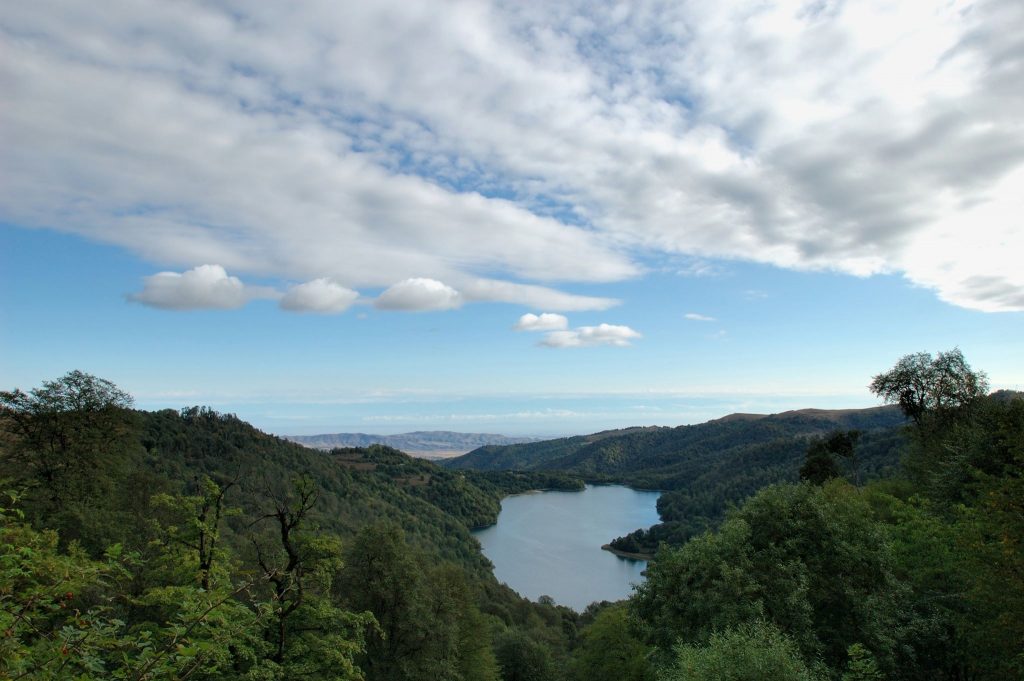
The association serves as a watchdog and a guide for sustainable practices. By promoting eco-hotels and sustainable hospitality, the AETA will directly influence the carbon footprint of the tourism sector. This is particularly important for Azerbaijan’s protected areas, where controlled, high-value ecotourism can provide the financial resources necessary for effective biodiversity conservation.
3. International Brand Positioning
Currently, Azerbaijan is often perceived through the lens of its modern architecture and historical sites. The AETA aims to rebrand the nation as a premier ecotourism destination, leveraging its unique biodiversity and diverse climatic zones. This shift in branding is essential to attracting a new demographic of traveler—the "responsible tourist"—who is increasingly influential in the global market.
The Path Forward: Challenges and Opportunities
While the vision is ambitious, the founders are under no illusions regarding the challenges that lie ahead. Implementing sustainable reforms in an industry accustomed to traditional models requires consistent advocacy, education, and investment.
The AETA’s strategy for the coming years includes:
- Standardization: Developing a national certification for "eco-friendly" businesses to prevent "greenwashing" and ensure that travelers can trust the sustainability credentials of the services they purchase.
- Public Awareness Campaigns: Running nationwide initiatives to reduce plastic waste and promote responsible wildlife observation.
- Global Networking: Hosting international conferences and workshops in Baku to solidify Azerbaijan’s reputation as a hub for ecotourism research and innovation.
In his concluding remarks, Samir Dubendi reaffirmed the commitment of the founders: "We are working hard to do everything as rapidly as we can. Our goal is to ensure that when the world thinks of the Caucasus, they think of Azerbaijan as the standard-bearer for ecological culture."
The International Ecotourism Society (TIES) has publicly extended its congratulations to the AETA, signaling that the global community is watching this development with great interest. As the association moves toward full operational status, it stands as a testament to what can be achieved when professional expertise, government support, and international collaboration converge. The future of Azerbaijani tourism is not just about growth; it is about growth that respects the earth, preserves the landscape, and empowers the local people.