In the high-altitude wilderness, the line between physical exertion and medical distress is often dangerously thin. For experienced mountaineers and casual backpackers alike, the symptoms of Acute Mountain Sickness (AMS)—headache, nausea, fatigue, and cognitive fog—are well-documented, yet rarely isolated. A recent, deeply personal case study conducted by a seasoned wilderness guide highlights the complex, multi-factorial nature of mountain medicine, proving that in the thin air of the Rockies, physiological collapse is rarely the result of a single variable.
Main Facts: The Intersection of Altitude and Exhaustion
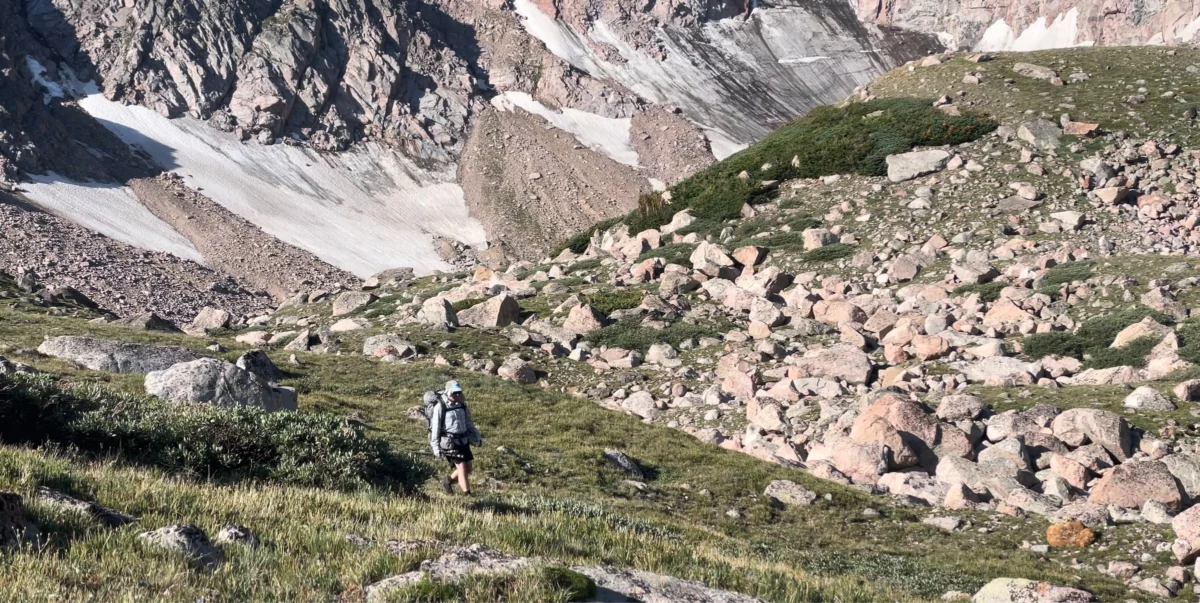
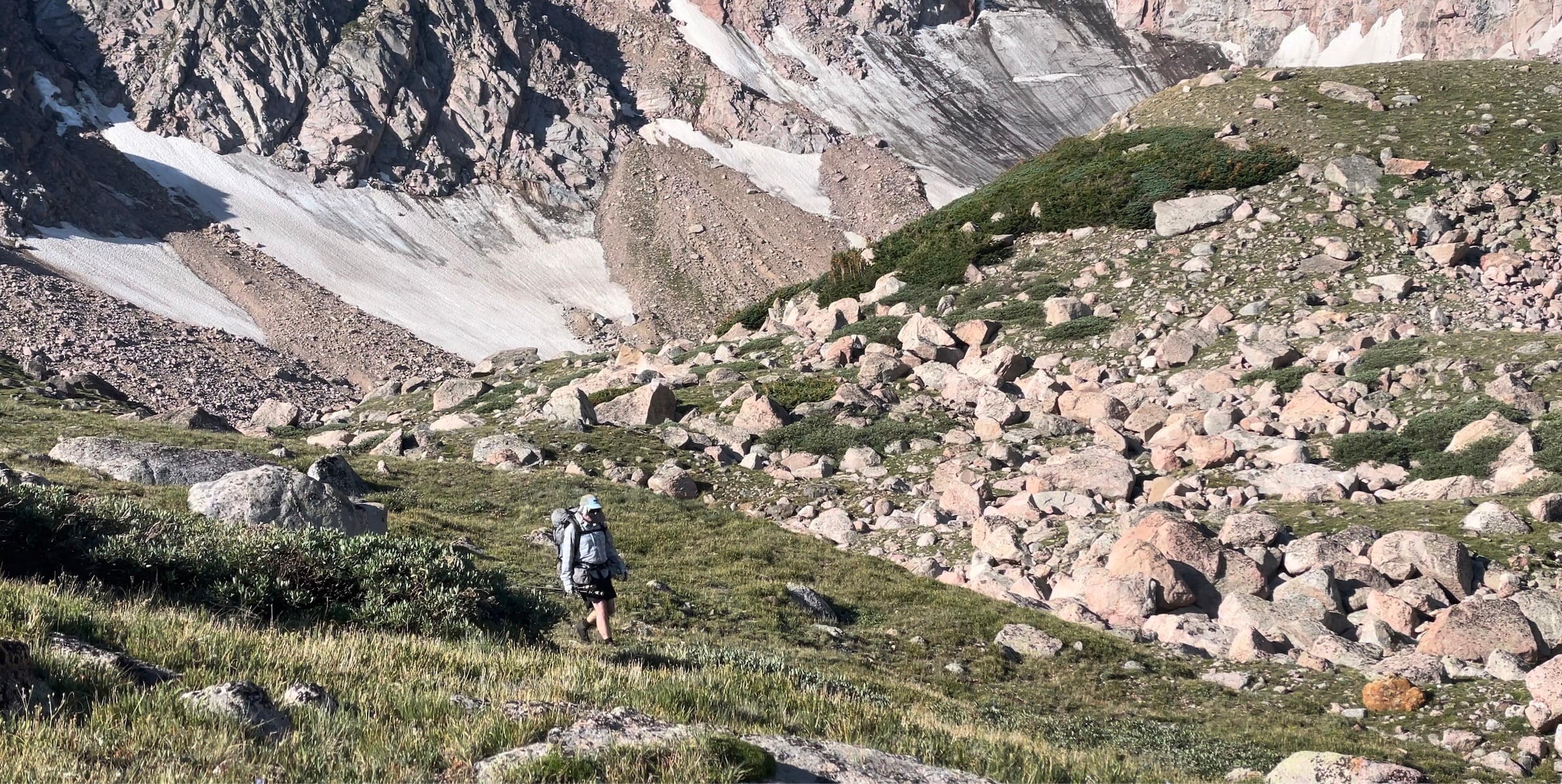
During a recent overnight trek to an alpine lake in Northern Colorado, an experienced hiker—accustomed to the rigors of high-elevation travel—found themselves incapacitated upon reaching a destination of 11,500 feet. The symptoms manifested several hours after arrival, presenting a classic clinical picture: a debilitating headache, severe nausea, profound fatigue, dizziness, and autonomic nervous system dysfunction, including chills, shakiness, and an inability to regulate body temperature.
Retrospective analysis using the 2018 Lake Louise Acute Mountain Sickness (AMS) Score yielded a total of 7. According to standard clinical metrics, this places the hiker firmly in the category of moderate AMS. However, the unique value of this case lies in the granular data collected. By synthesizing Garmin wearable metrics with a meticulous reconstruction of the hiker’s nutritional intake, fluid consumption, and workload, the case reveals that AMS was likely not a solitary diagnosis. Instead, it was an "emergent property" caused by the compounding effects of carbohydrate depletion, severe energy deficits, chronic sleep debt, and the physiological shock of a heavy-pack, high-elevation ascent.
Chronology of the Ascent
To understand how a seasoned guide—someone living at 7,600 feet and possessing decades of experience—could succumb to such a state, one must look at the timeline of the trek.
05:30 – 08:11: The Pre-Departure Phase
The hiker departed their home in Estes Park, Colorado, already operating at a physiological disadvantage. Beyond the baseline elevation of 7,600 feet, the hiker entered the day with a pre-existing sleep debt—a common, often overlooked factor that compromises the body’s ability to recover from exertion and acclimatize to pressure changes.
08:11 – 18:24: The Demanding Approach
The trek itself was an endurance test of significant proportions. Covering 13 miles of mostly off-trail, dense forest and rugged alpine terrain, the hiker navigated 3,800 feet of cumulative elevation gain. Perhaps most critically, the pack weight was extreme. Carrying 48 pounds of gear (excluding water) and approximately 4 pounds of water, the starting pack weight sat at 52 pounds—a staggering 32% of the hiker’s 165-pound body weight.
18:24 – 22:00: The Onset of Symptoms
Upon reaching the 11,500-foot campsite, the symptoms did not appear instantly. It was only after the initial adrenaline of the hike subsided that the physiological "bill" came due. As the body attempted to transition from the sustained, high-intensity output of the approach to the recovery phase, the lack of caloric fuel and the systemic stress of the day caused a rapid decline.
Supporting Data: The Mechanics of Collapse
The data set used to analyze this incident serves as a cautionary tale for modern adventurers who rely on wearable technology. The Garmin data provided a window into the hiker’s internal state that subjective feelings often mask.
The Energy Deficit
Retrospective logs of caloric intake revealed a profound deficit. The metabolic cost of hauling a 52-pound pack over 13 miles of off-trail terrain is massive, yet the hiker failed to replenish glycogen stores at a rate commensurate with the burn. This carbohydrate depletion is a known precursor to "bonking," but at high altitude, it accelerates the onset of AMS by reducing the body’s capacity to buffer the metabolic acidosis associated with rapid ascent.
Hydration and Cardiovascular Stress
While fluid intake was tracked, the rate of perspiration and the respiratory water loss associated with high-altitude air resulted in a net deficit. When coupled with the heart rate variability data recorded during the hike, it is clear that the cardiovascular system was under immense strain. The heart was not only working to power the muscles against a 52-pound load but was also compensating for decreased oxygen saturation and potential plasma volume reduction due to dehydration.
Sleep Debt and Cortisol
The role of sleep debt cannot be overstated. Sleep is the primary window for cellular repair and hormonal regulation. By starting the hike with a deficit, the hiker entered the alpine environment with an already elevated stress-response profile. The subsequent exertion likely spiked cortisol levels, further inhibiting the parasympathetic nervous system’s ability to return the body to a state of equilibrium upon reaching camp.
Official Perspectives and Medical Context
In the field of wilderness medicine, experts frequently discuss the "Cascade of Failure." While the Lake Louise Score is the gold standard for diagnosing AMS, it is inherently limited because it focuses on symptoms rather than causes.
According to medical literature on mountain physiology, AMS is generally triggered by hypoxia—the lack of oxygen at altitude. However, the human body is remarkably resilient when it is well-fueled and well-rested. The medical community acknowledges that while altitude is the primary driver of AMS, the threshold for that sickness is dynamic. It shifts based on the individual’s current metabolic state.
In this specific case, the hiker was technically "acclimatized" to 7,600 feet. The jump to 11,500 feet is significant but usually manageable for a healthy adult. The medical consensus suggests that in cases where acclimatization is present, "secondary" factors—dehydration, malnutrition, and exhaustion—act as catalysts. They lower the bar, allowing AMS to set in at elevations where it might otherwise be avoided.
Implications for the Backcountry Adventurer
The implications of this case study are twofold: they speak to the need for better personal data management and a more holistic view of "fitness."
1. The Myth of "Baseline" Acclimatization
Living at high altitude provides a baseline of protection, but it is not a suit of armor. The case demonstrates that even those who reside in the mountains can be blindsided if they treat an aggressive, heavy-pack day as a routine activity. The "1,000-foot rule"—which suggests limiting sleeping elevation increases—is often ignored by fit, experienced hikers. This case is a stark reminder that if you bypass the standard rules of acclimatization, your nutritional and hydration margin for error shrinks to near zero.
2. Data-Informed Decision Making
Modern hikers have access to more data than ever before. Using wearable data to monitor heart rate, sleep quality, and recovery scores is not just for elite athletes; it is a critical safety tool for anyone venturing into the backcountry. By identifying patterns in one’s own data, hikers can learn to recognize the early warning signs of systemic failure before they reach the point of total incapacitation.
3. Nutrition as Safety Equipment
In the outdoor industry, we spend countless hours discussing boots, packs, and GPS devices. We rarely spend enough time discussing metabolic maintenance. Nutrition should be viewed as primary safety equipment. The ability to consume calories under physical stress is a skill that must be trained. On a 13-mile trek with a heavy load, fuel is the only thing standing between the hiker and a medical emergency.
Conclusion: A Holistic Approach to Risk
The northern Colorado experience shared here serves as a potent reminder that mountain environments are unforgiving of systemic neglect. When a hiker ignores the cumulative effects of fatigue, hunger, and poor recovery, the mountain does not care about their experience level or their fitness baseline.
Moving forward, the adventure community must shift its focus. We must stop viewing AMS as an isolated event caused solely by elevation and start viewing it as the final stage of a collapse that begins with a poorly managed day. By integrating rigorous nutritional planning, respecting the physiological cost of pack weight, and acknowledging the importance of pre-trip recovery, the modern mountaineer can navigate the thin air of the Rockies with greater safety and success.
The takeaway is clear: in the wilderness, your greatest asset is not your gear, but the integrity of your own physiology. When you head into the high country, pack your calories, respect your sleep, and remember that at 11,500 feet, every small mistake has the potential to become a major medical event.