By Samuli Haapasalo | Vuosi luonnossa | September 22, 2026
As the crisp air of autumn settles over the Finnish landscape and the first frosts begin to paint the nights, nature prepares for the inevitable slumber of winter. For bird enthusiasts and conservationists, this transition marks the beginning of a critical period: the return of winter feeding. While many view bird feeding as a simple backyard hobby, it is, in fact, a vital conservation tool that—when executed with scientific precision—can provide a lifeline for vulnerable species during the harsh Nordic winter.
Main Facts: The Strategic Approach to Winter Feeding
The primary objective of modern winter feeding is not merely to attract common garden birds, but to support species that are struggling against habitat fragmentation and loss. Rather than placing feeders solely for personal entertainment near the house, experts recommend shifting the focus toward the forest edge.
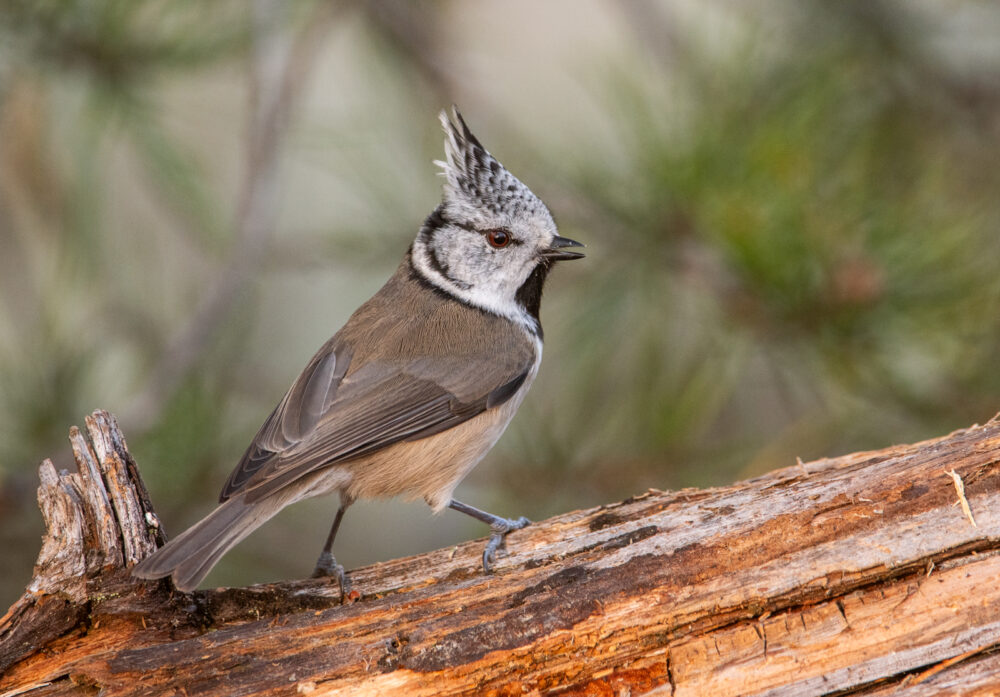
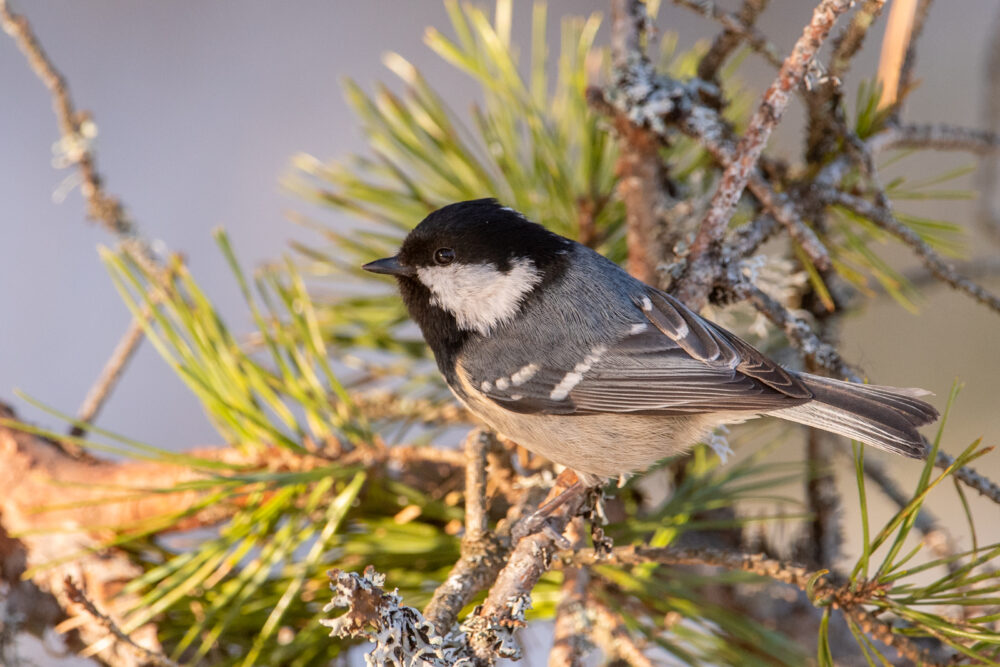
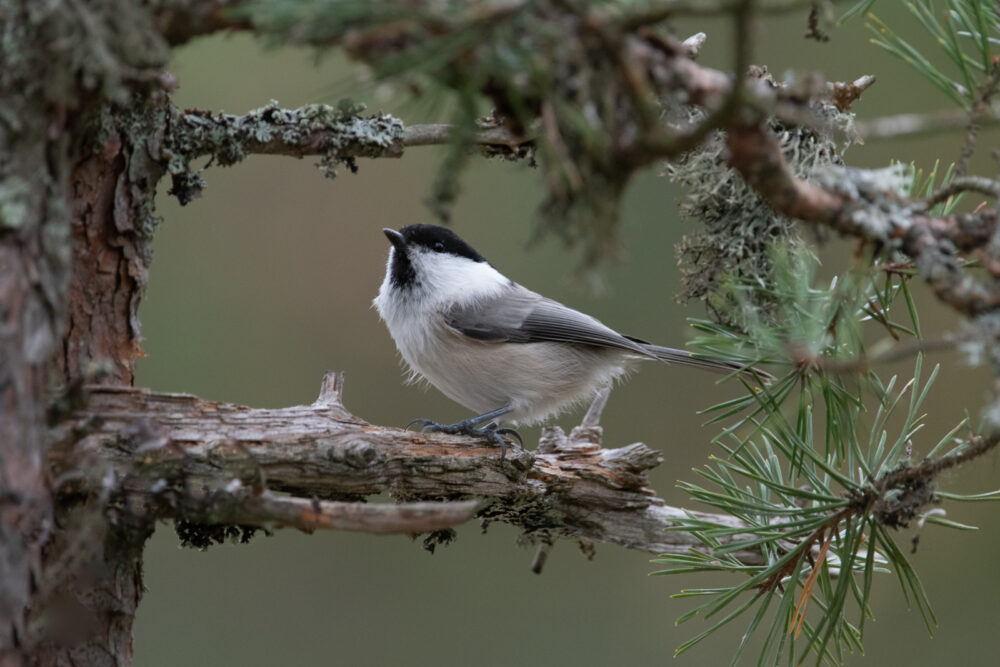
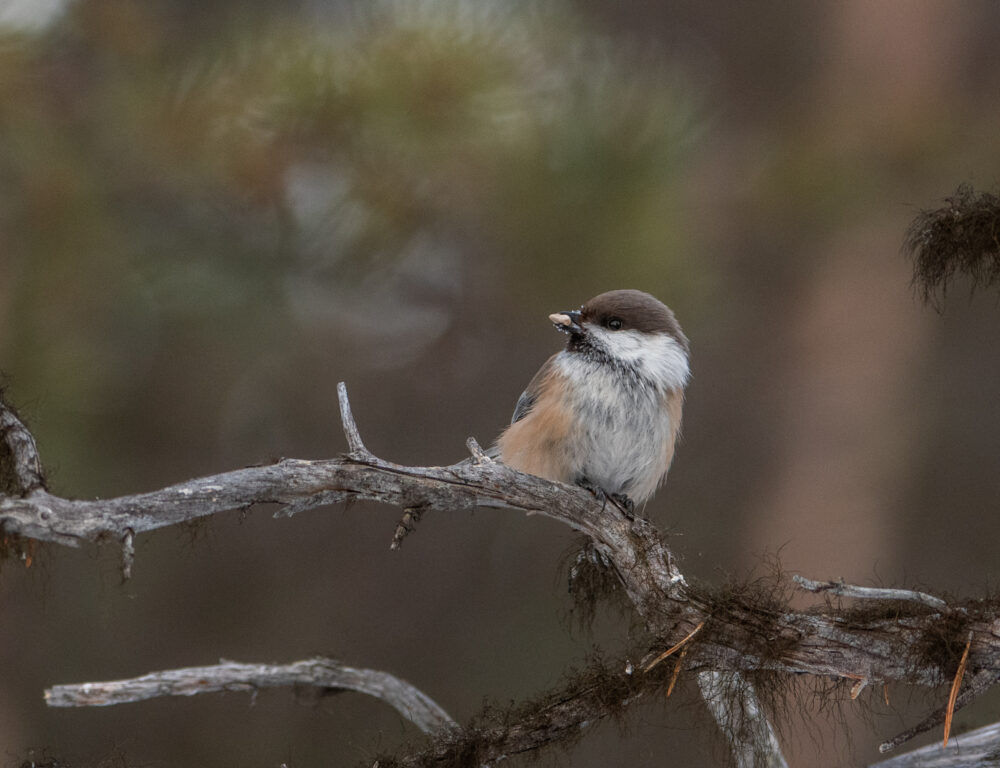
By establishing feeding stations in woodland habitats, we can support "forest specialists" such as the willow tit, crested tit, coal tit, and, in northern regions, the Siberian tit. These species, often overlooked in favor of more common garden visitors, are frequently categorized as threatened or near-threatened due to the decline of old-growth forests. A well-placed feeder acts as a localized "stepping stone," providing essential calories for these birds as they navigate their home ranges.
Furthermore, the quality of feed remains paramount. Conservationists urge the use of high-quality, domestically grown, and organic seeds. Impure or weed-infested feed can introduce pathogens or invasive plant species into sensitive forest ecosystems. Cleanliness is non-negotiable; feeders should be maintained to prevent the spread of avian diseases, ensuring that our efforts to help do not inadvertently cause harm.
Chronology: The Timing of Intervention
The success of a winter feeding program is highly dependent on timing. As temperatures drop toward the end of September, natural food sources such as insects and soft mast begin to vanish.
- Late September (The Preparation Phase): Now is the time to finalize the location of feeders. Initiating the feeding process early allows local birds to identify the station as a reliable food source before the deep freeze sets in.
- Early October (The Migration Window): This is the peak time to attract rare, wandering visitors. The Eurasian nuthatch and the nutcracker are currently on the move. By providing crushed or split hazelnuts now, you can encourage these nomadic birds to integrate your feeding station into their winter territory.
- November through February (The Maintenance Phase): The peak of winter requires constant vigilance. Feeders must remain filled, as birds often rely on them as their primary caloric intake during sub-zero temperatures.
- Early Spring (The Breeding Transition): As winter wanes, the focus shifts from survival to reproduction. Providing nest boxes and natural materials is a proactive step for the coming breeding season.
Supporting Data: Understanding the Species
The diversity of the Finnish forest is reflected in the specialized needs of its inhabitants. Understanding the feeding behavior of different species is essential for a successful setup.
The Nutcracker and the Nuthatch
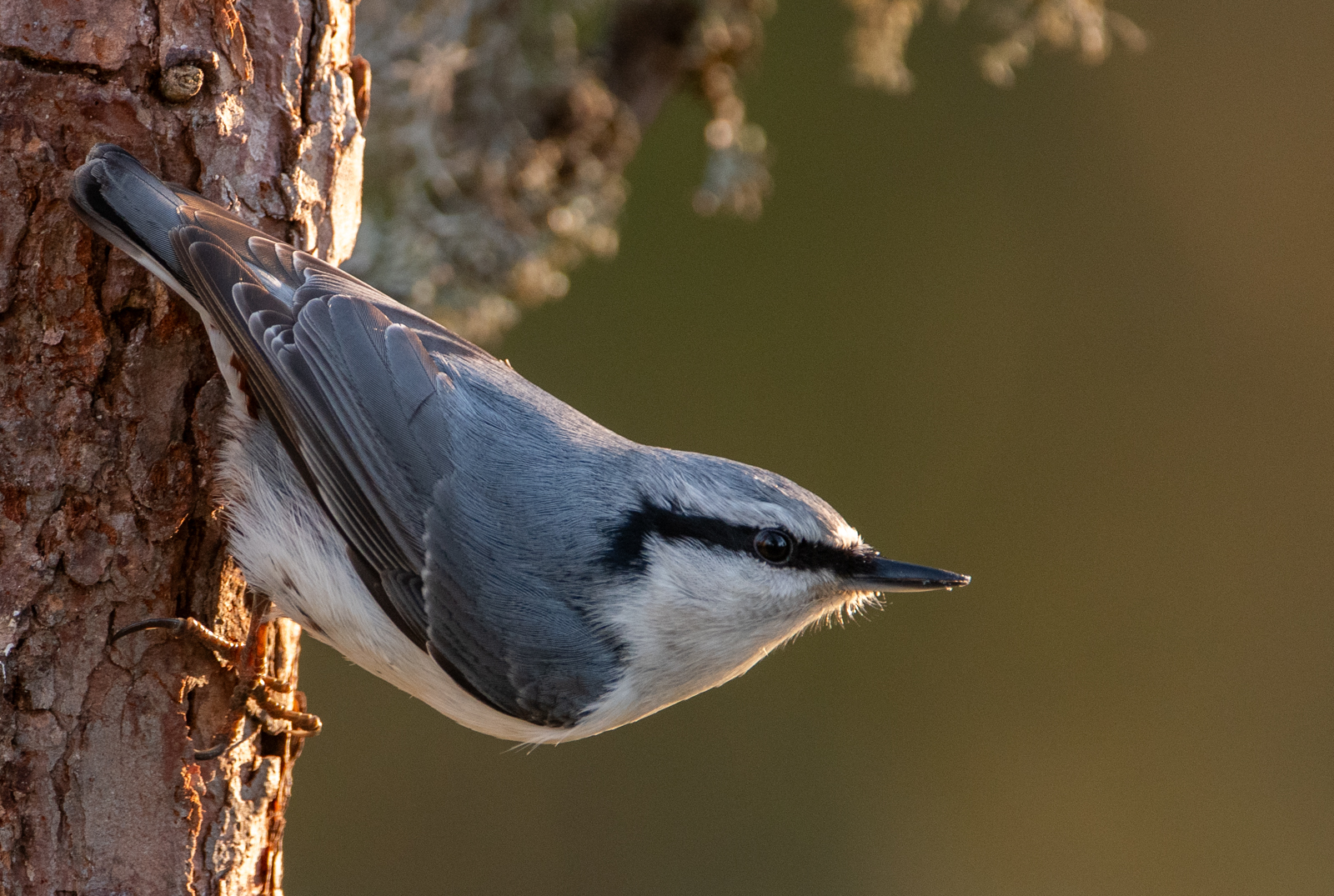
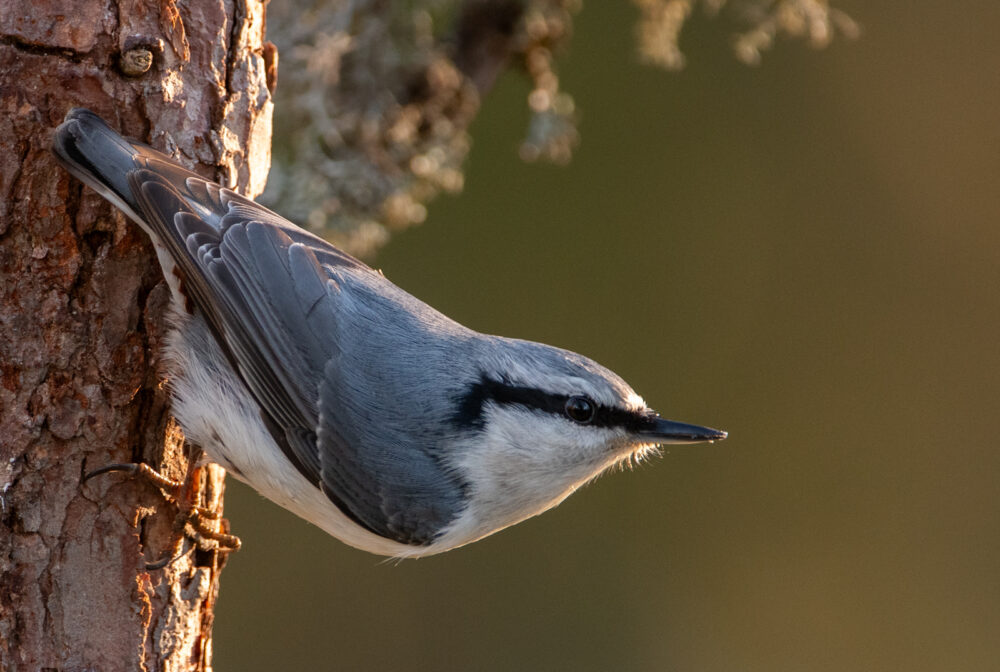
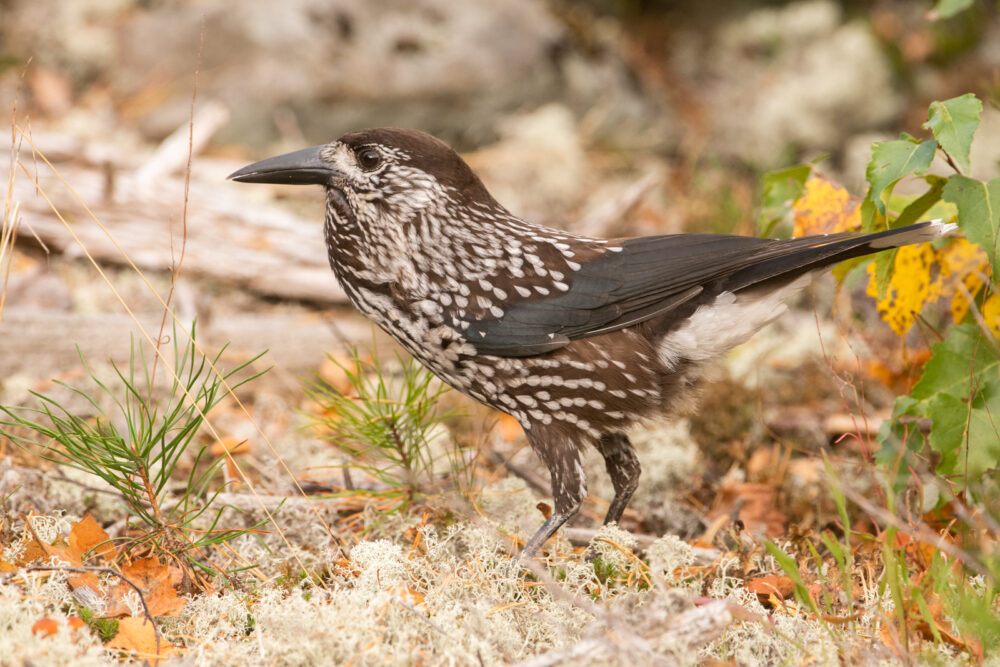
The Eurasian nuthatch is a master of agility, often seen clinging to bark. However, it is the nutcracker—with its striking, chocolate-brown plumage—that offers the most rewarding experience for the observer. Nutcrackers are currently experiencing a significant migratory year in Finland. They possess a unique anatomical feature: a "throat pouch" that allows them to store and transport multiple nuts at once, which they then cache for the winter. By providing high-quality nuts, you can support their natural caching behavior, effectively helping them build a "pantry" for the coldest months.
The Woodpecker Contingent
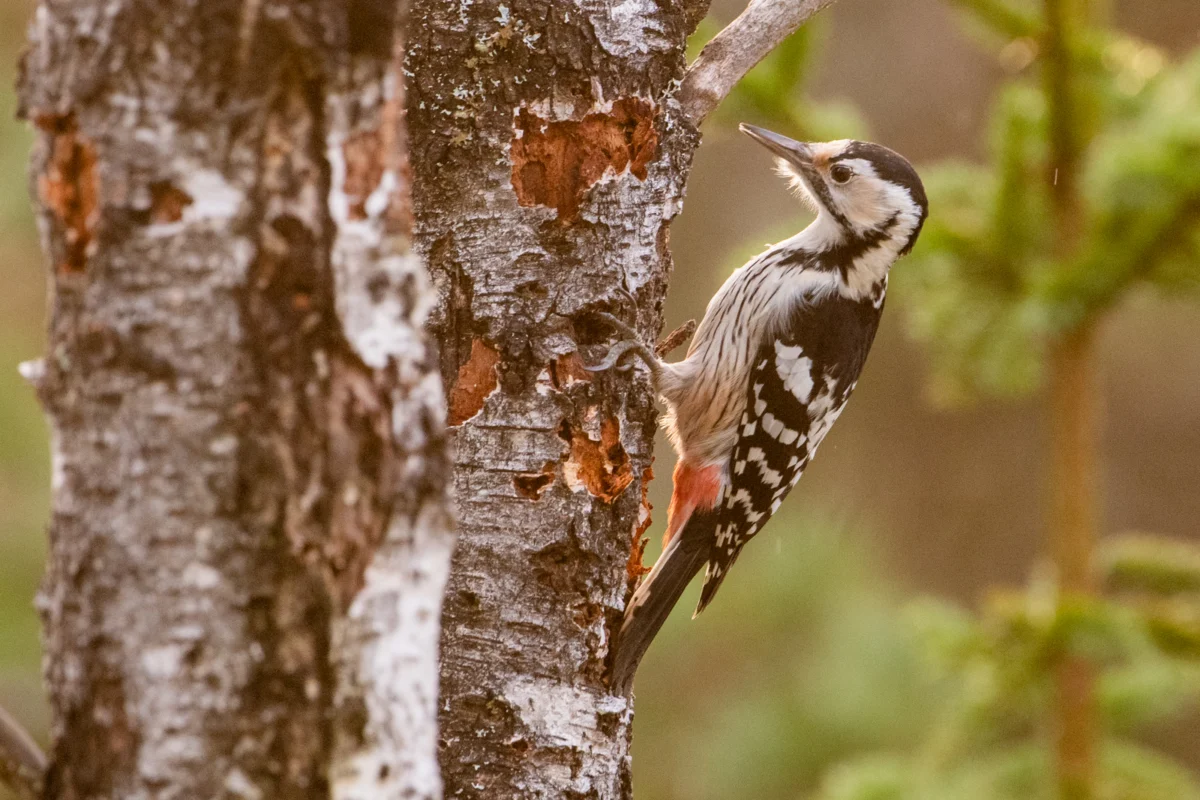
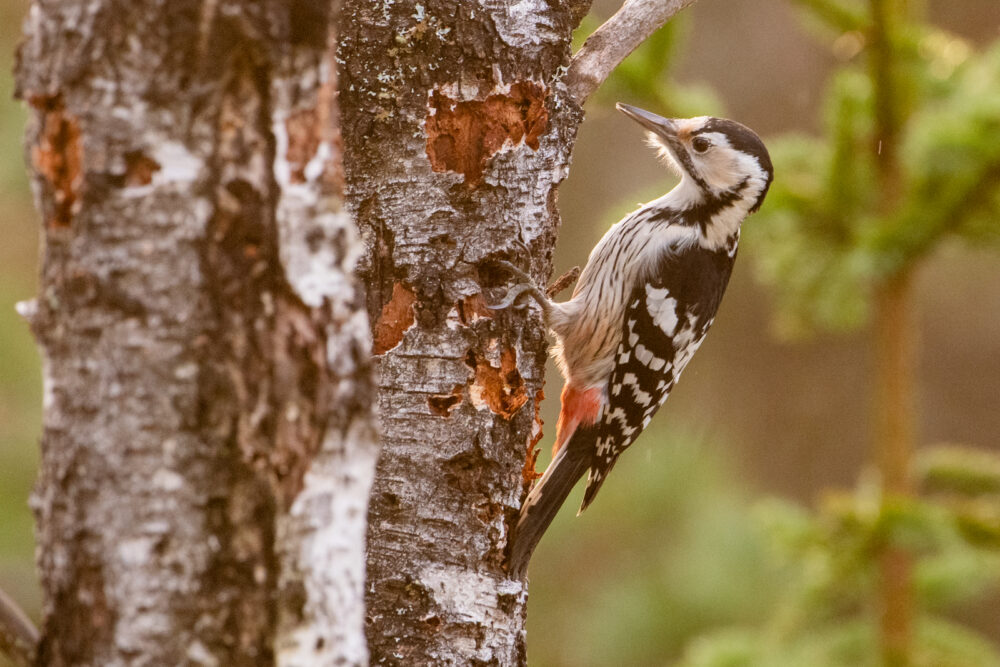
While often thought of as wood-boring specialists, many woodpeckers are opportunistic feeders. The white-backed woodpecker, the lesser spotted woodpecker, the grey-headed woodpecker, and the black woodpecker can all be successfully lured to feeders using suet blocks or raw fat, pressed directly against a tree trunk. Interestingly, the white-backed woodpecker has been observed consuming hulled sunflower seeds in significant quantities, proving that these forest specialists are more adaptable than previously thought.
Official Conservation Perspectives and Best Practices
Professional ornithologists emphasize that bird feeding should be viewed as an extension of habitat restoration. The goal is to simulate natural food abundance.
Enhancing Nesting Opportunities
Supporting birds is not just about feeding; it is about providing housing. During the winter, enthusiasts are encouraged to install tit boxes with 28-millimeter entrance holes. A particularly effective, though less common, practice is to fill these boxes with wood shavings. This allows willow and crested tits to "excavate" their own nests in the spring, which is a vital behavioral stimulus for these species.
Furthermore, the "naturalistic" approach involves using deadwood. Attaching a piece of decaying birch log to a living tree, or even creating a gap in the bark of a birch tree to encourage the birds to forage for larvae, mimics the natural conditions of an old-growth forest. These small interventions are immensely beneficial for the conservation of threatened forest-dwelling tits.
Implications: The Long-Term Impact on Biodiversity
The implications of widespread, responsible bird feeding are profound. By maintaining these "artificial" hotspots in the forest, we are effectively increasing the carrying capacity of the environment for threatened species.
- Population Stability: By providing high-fat, high-protein food sources during the critical "bottleneck" period of mid-winter, we can reduce overwinter mortality rates, particularly for smaller passerines.
- Citizen Science: The act of monitoring these feeders contributes to our collective knowledge of bird populations. Observations of rare visitors like the Siberian tit or the nutcracker help researchers map distribution shifts and respond to population declines.
- Landscape Connectivity: By creating a network of feeders across a forest, we encourage birds to move across fragmented landscapes. This connectivity is vital for the long-term genetic health of local populations.
Conclusion: A Call to the Woods
As we move toward the winter of 2026, the message is clear: the forest needs our attention, but it needs it in the right way. We must move beyond the casual backyard feeder and start thinking like stewards of the wilderness.
Whether you are placing a fat block for a wandering woodpecker or hanging a carefully sized box for a pair of willow tits, your efforts are part of a larger, necessary trend toward active conservation. As the nights grow longer and the landscape turns to white, the presence of these "terhaka" (lively) birds serves as a reminder of the resilience of nature—and our responsibility to ensure that resilience endures.
Let us head to the forest, equipped with knowledge and the intention to protect.
For those interested in supporting high-quality environmental journalism and deepening their understanding of Finnish biodiversity, consider subscribing to Suomen Luonto. Your support ensures that expert analysis and conservation advice remain available to all.