By Ann Willis | October 14, 2026
As California stares down the barrel of a looming, historically potent El Niño winter, the state’s water managers find themselves in a familiar, precarious position. Following a 2025 defined by the crushing extremes of prolonged drought and a dangerously thin snowpack, meteorologists are now sounding the alarm: there is a 95% probability of extreme precipitation events in the coming months.
California has long existed on a climatic tightrope, balancing between the threat of aridification and the destructive force of massive flooding. However, the rapidly changing climate is no longer just shifting the boundaries of this balance; it is obliterating them. The water infrastructure that sustained the state for the last century—a rigid network of dams, concrete canals, and armored levees—was designed for a climate that no longer exists. It was built on the flawed assumption that the future would mirror the past. As we face another season of uncertainty, it has become undeniable: California needs a radical, modernized infrastructure strategy for the century ahead.
The Myth of "Built" vs. "Living" Infrastructure
For generations, state policy has drawn a sharp, artificial line between "built" infrastructure—the gray, industrial hardware of pipes and reservoirs—and the natural world. We have treated concrete as a vital asset and healthy rivers as mere environmental amenities, separate from the systems that sustain our human communities.
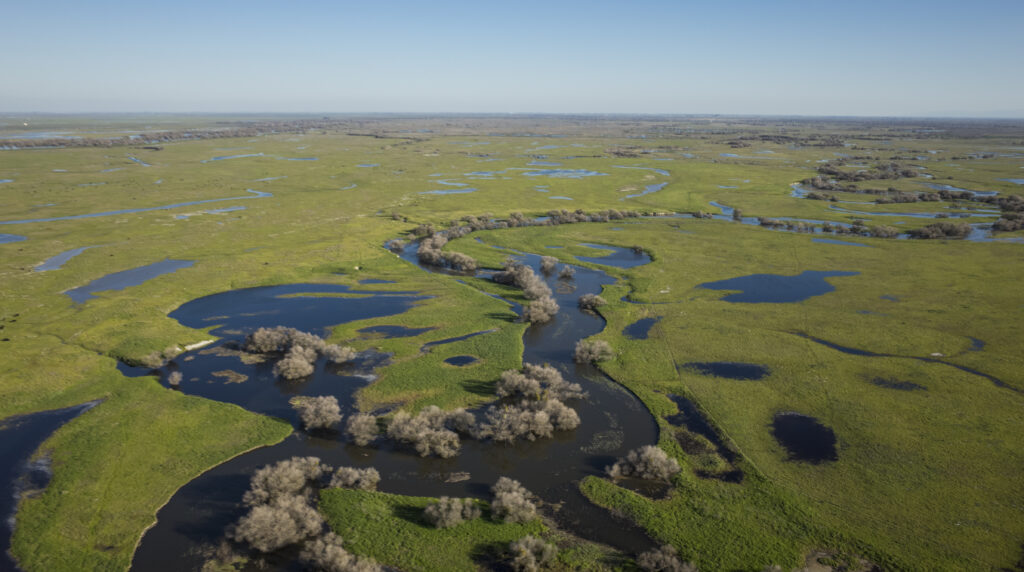
This distinction is fundamentally obsolete. In reality, healthy rivers are living infrastructure. Nature has spent millennia perfecting sophisticated, self-sustaining mechanisms to move, spread, and store water across California’s diverse landscape. When we permit these processes to function—by reconnecting floodplains, restoring mountain meadows, and allowing rivers to meander—the benefits are immediate and measurable. Our fire risk decreases, our water supply becomes more secure, our ecosystems thrive, and our communities gain more reliable access to clean, safe drinking water.
A Century of Obstruction: The Cost of Control
The 19th and 20th centuries were marked by an era of aggressive engineering. California’s landscape was reconfigured to force water into predictable, controllable patterns. Today, more than 8,000 dams block the state’s rivers, many of which are aging, inefficient, or entirely obsolete. Thousands of miles of levees have been constructed to cordone off rivers from their natural floodplains, effectively starving the landscape of its ability to recharge groundwater and manage peak flows.
In our headwaters, the degradation of mountain meadows and forests has decimated the landscape’s natural "sponge" capacity. As the snowpack—the state’s primary water storage mechanism—continues to decline, the ability of our watersheds to hold and release water slowly is more critical than ever. Instead, we have created a system that is brittle: it is excellent at shedding water during floods but incapable of capturing it during dry spells.
Chronology of Change: From Theory to Practice
The movement toward "nature-based" infrastructure is not merely a theoretical exercise; it is a proven model that has already seen success across the state.
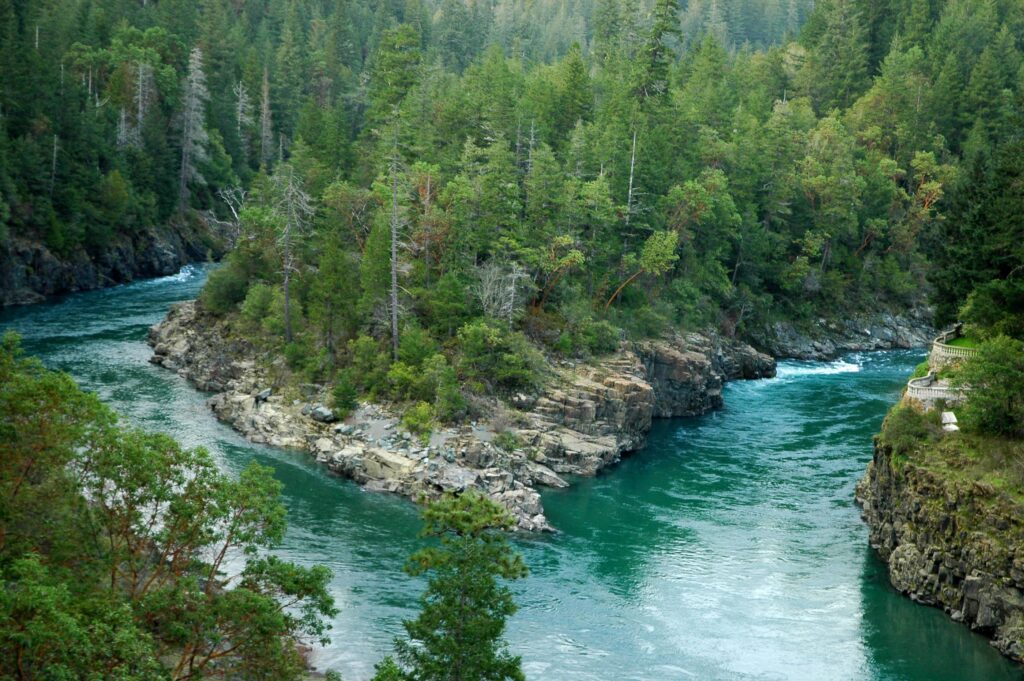
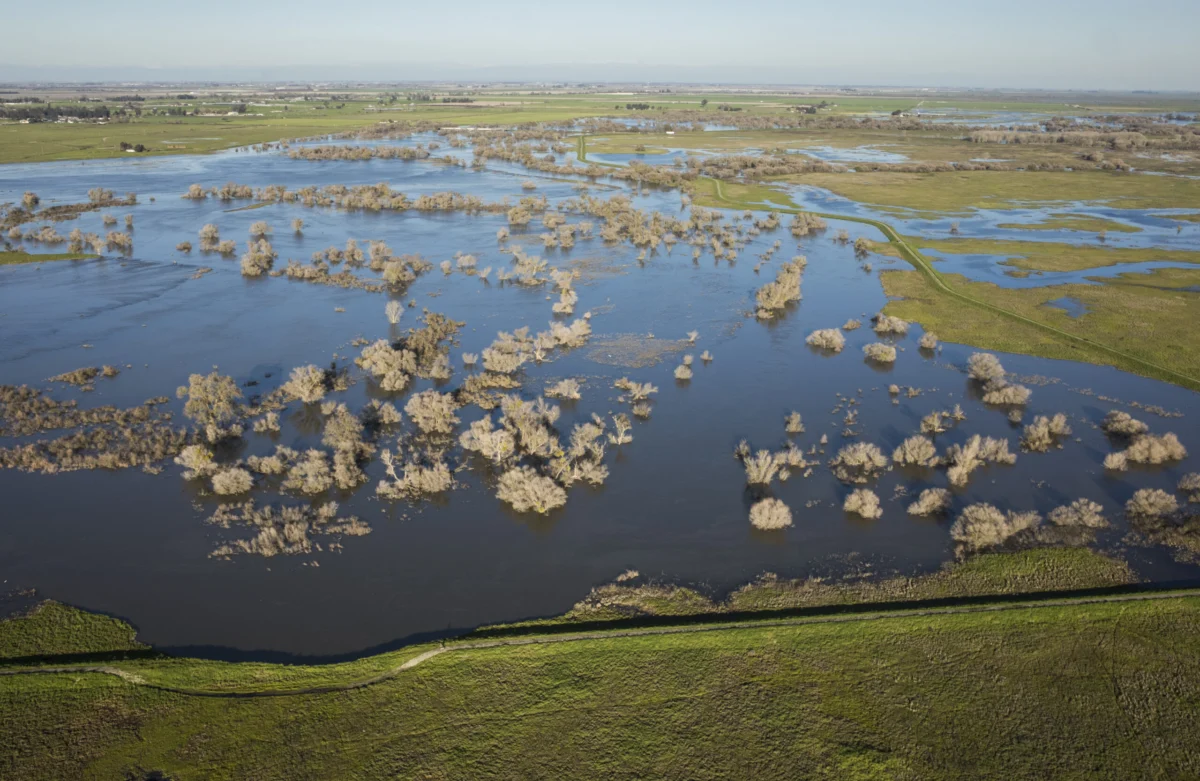
- The Yolo Bypass (Central Valley): By providing the Sacramento River with room to spread across its historical floodplains, the Yolo Bypass has demonstrated how large-scale flooding can be managed to reduce downstream risk while simultaneously recharging local aquifers and fostering rich, biodiverse habitats.
- Ackerson Meadow (Sierra Nevada): In the Tuolumne River watershed, the restoration of this deeply eroded landscape has transformed a degraded site back into a functional wet meadow, acting as a natural filter and storage vessel for high-elevation runoff.
- The Klamath River (Northern California): Perhaps the most significant milestone in modern water management, the recent removal of four hydroelectric dams on the Klamath River—led by Tribal nations—represents the largest dam removal project in U.S. history. This massive undertaking was not just an ecological victory; it was a pragmatic response to the fact that these dams were no longer economically or environmentally viable, and their removal has reconnected hundreds of miles of vital river habitat.
Supporting Data: Why Resilience Demands Scale
The data suggests that the "gray-only" infrastructure approach is failing to keep pace with the hydrological volatility of the 21st century. Research published in WIREs Water and other hydrological journals indicates that integrated management—combining engineered solutions with natural process restoration—significantly outperforms isolated, single-purpose projects.
- Flood Risk Mitigation: Reconnecting rivers to their floodplains can reduce downstream peak flow velocities by as much as 20–30% in extreme events, providing a cost-effective alternative to heightening levees.
- Groundwater Recharge: By allowing floodwaters to spread across natural floodplains, we enable the natural infiltration of water into deep aquifers, a process that is increasingly vital as groundwater basins are drawn down during periods of multi-year drought.
- Cost-Benefit Analysis: The maintenance of aging, high-risk dams is becoming a fiscal liability. By identifying obsolete structures and replacing them with restored, self-regulating river systems, the state can reduce long-term capital expenditure while increasing safety.
Official Perspectives and Policy Implications
State and federal water agencies are beginning to shift their rhetoric, if not yet their full budgets, toward "watershed-scale" management. The core argument for policymakers is no longer about choosing between nature and people. That is a false dichotomy.
"We are moving toward a recognition that the hydrologic landscape is a connected system," says the current consensus among climate-resilient water planners. "You cannot manage the river if you ignore the forest, and you cannot manage the forest if you ignore the groundwater."
The policy implication is clear: California must elevate river restoration from a collection of "one-off" grant-funded projects to a core component of the state’s master water infrastructure plan. This means:
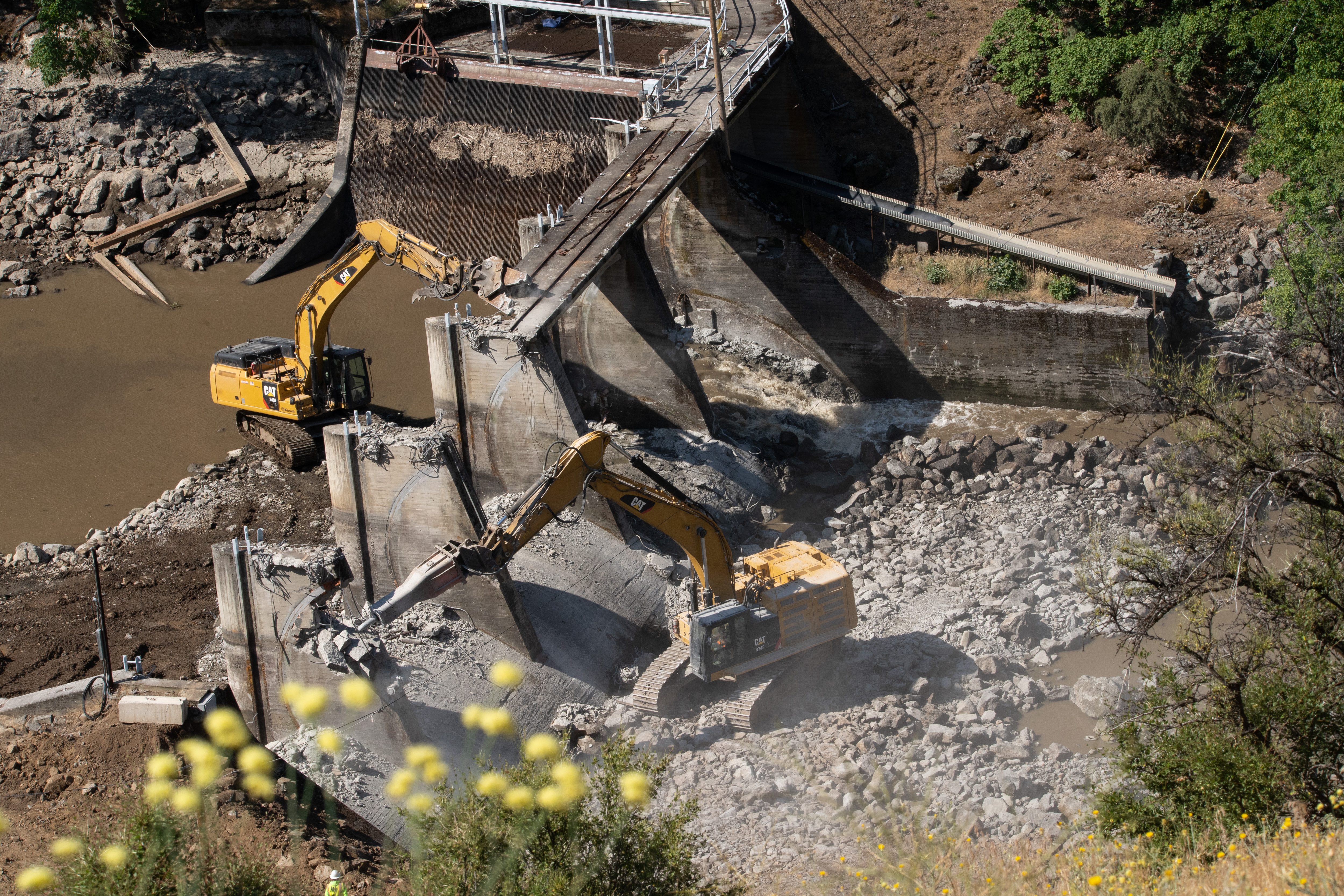
- Strategic Decommissioning: Conducting a statewide audit of dams and levees to identify infrastructure that is no longer providing sufficient value to justify its ecological or financial risk.
- Integrated Planning: Breaking down the silos between departments that manage forests, fisheries, urban water, and flood control to ensure projects serve multiple goals.
- Investment at Scale: Directing public funding toward projects that restore large-scale ecological processes rather than just localized habitat patches.
The Inseparable Link: Rivers and Communities
As we approach another volatile winter, the impulse will be to prioritize short-term survival—managing reservoir levels and bolstering levees for the next storm. These actions are necessary, but they are insufficient. Once the clouds clear, the state must use the lessons of the previous decade to pivot toward long-term adaptation.
The next drought will arrive. The next catastrophic flood will follow. We cannot command the hydrologic cycle to be more moderate, but we can fundamentally alter how we respond to it. We must stop viewing healthy rivers as a "luxury" to be afforded only when the budget allows. Healthy rivers are, in fact, the most essential piece of infrastructure we possess. They are the shock absorbers for our economy, the storage tanks for our agriculture, and the lifeline for our communities.
The era of trying to dominate California’s water is coming to a close. The era of working in partnership with the natural systems that have sustained this landscape for millennia must begin. If we succeed, we will not just be managing water; we will be building a legacy of resilience that will endure for the next hundred years.
Healthy rivers aren’t beneficiaries of infrastructure investment; they are infrastructure worth investing in.