When the term "ghost" is invoked, the mind typically drifts toward the ethereal, the supernatural, or the figures of folklore that haunt the periphery of human perception. Yet, beneath the surface of the world’s lakes and fisheries, there exists a biological "ghost" that is very much real, though no less elusive. The Ghost Carp—an enigmatic, shimmering hybrid—has captivated the angling community and environmental scientists alike. While they may not possess paranormal powers, their ability to vanish into the murky depths and their status as a complex genetic anomaly make them one of the most intriguing subjects in modern freshwater biology.
Main Facts: The Anatomy of a Hybrid
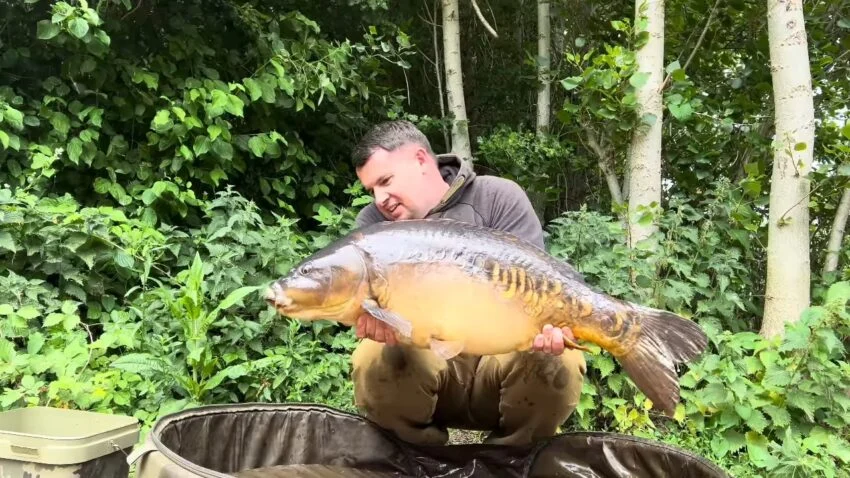
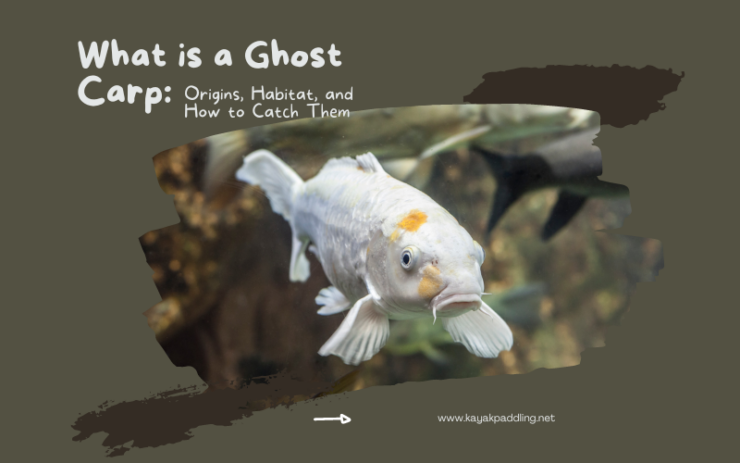
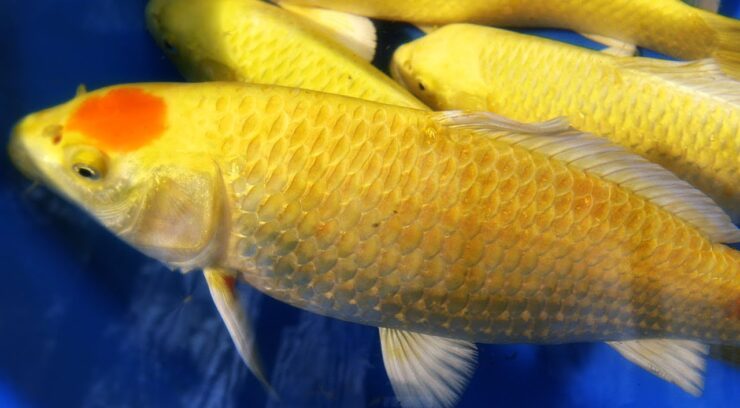
The Ghost Carp (Cyprinus carpio) is not a naturally occurring species but rather a deliberate feat of selective breeding. Often confused with its more famous cousin, the Nishikigoi (Koi), the Ghost Carp is biologically identical to these ornamental fish, yet it carries the robust, hardy constitution of the common carp.
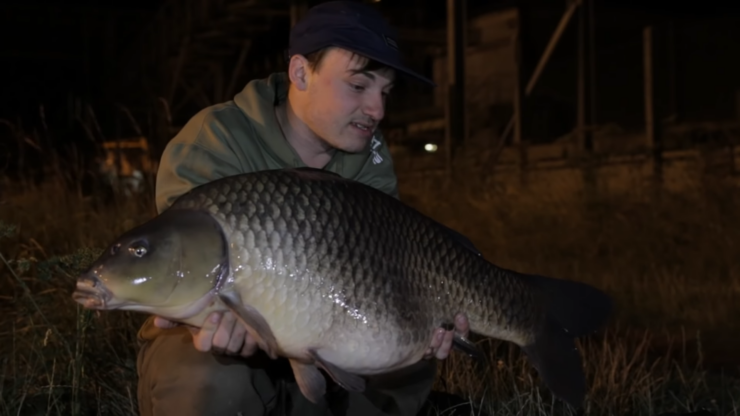
Physically, these fish are impressive. Their bodies are typically torpedo-shaped, designed for endurance and power. While a standard specimen might weigh between 6 and 15 pounds and measure 18 to 26 inches, record-breaking individuals have been known to tip the scales at a staggering 94 pounds, reaching lengths of up to 48 inches. Their most striking feature—the one that earns them their ghostly moniker—is their coloration. They often possess a dark under-layer of skin overlaid with metallic, crystalline purine cells that reflect light, creating a shimmering, ephemeral appearance as they glide through turbid water.
Vital Statistics at a Glance
| Attribute | Data Range |
|---|---|
| Scientific Name | Cyprinus carpio |
| Average Weight | 6–15 lb (2.7kg–6.8kg) |
| Average Length | 18–26 inches (45cm–65cm) |
| Maximum Weight | 94lb (42kg) |
| Maximum Length | 48 inches (120cm) |
| Life Span | 9–45 years |
A Chronology of Creation: The Rise of the Ghost
The history of the Ghost Carp is relatively short, rooted in the experimental aquaculture of the 1980s. During this period, fish breeders sought to combine the aesthetic brilliance of the Yamabuki Ogon Koi with the rugged, growth-oriented traits of the Mirror or Common Carp. The result was a fish that possessed the "flash" of an ornamental koi and the stamina of a wild carp.
Initially, these hybrids were primarily dark-toned. However, through successive generations of selective breeding, they were developed to exhibit a spectrum of metallic golds, silvers, and platinums. Despite their popularity in private fisheries, their status remains debated. Many traditional koi enthusiasts view them as "industrial" hybrids rather than true pedigree koi, creating a divide between the worlds of ornamental fish-keeping and high-stakes sport angling.
Supporting Data: Survival and Proliferation
The Ghost Carp is a biological survivor. One of the reasons for their widespread, and sometimes controversial, success is their extreme physiological flexibility. They are capable of thriving in water temperatures ranging from 3°C to 30°C and can survive in oxygen-depleted environments that would prove fatal to more sensitive species.
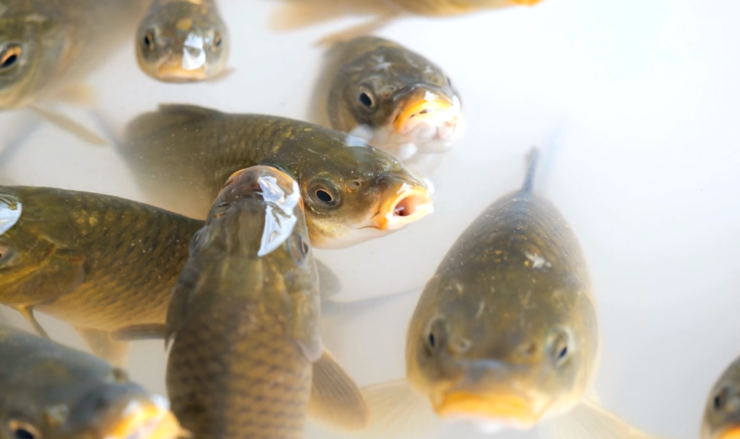
This hardiness is bolstered by their unique behavior. They are gregarious, omnivorous, and, in the eyes of many ecologists, somewhat destructive. Often labeled "freshwater pigs," they scour the lake bed for insects, larvae, and crustaceans, a process that stirs up sediment and uproots submerged vegetation. This behavior has significant implications for the ecosystems they inhabit. In nutrient-rich, eutrophic waters, they reproduce at an alarming rate, with females laying hundreds of thousands of eggs per season, which they deposit on weeds without any parental protection.
Official Responses and Ecological Implications
The presence of Ghost Carp in the wild has drawn the attention of environmental management agencies, particularly in North America and parts of Europe.
The Invasive Dilemma
While they are highly valued in the UK as a trophy fish in controlled, private venues, their introduction into public, open-water systems has sparked concern. In the United States and Canada, common carp variants (including ornamental hybrids that escape captivity) are frequently managed as invasive species. Their constant foraging reduces water clarity, which in turn inhibits the growth of aquatic plants—plants that native fish rely on for spawning and refuge.
Disease Vectors
Perhaps the most significant official concern involves the spread of disease. Ghost Carp and their Koi relatives are known vectors for the Koi Herpesvirus (KHV). Agencies like the World Organisation for Animal Health (WOAH) have issued strict guidelines regarding the movement and stocking of these fish to prevent the decimation of local populations. The potential for a single infected fish to trigger a regional outbreak has led to stringent regulations on the transport and stocking of carp in many jurisdictions.
The Angler’s Challenge: Why They Are "Invisible"
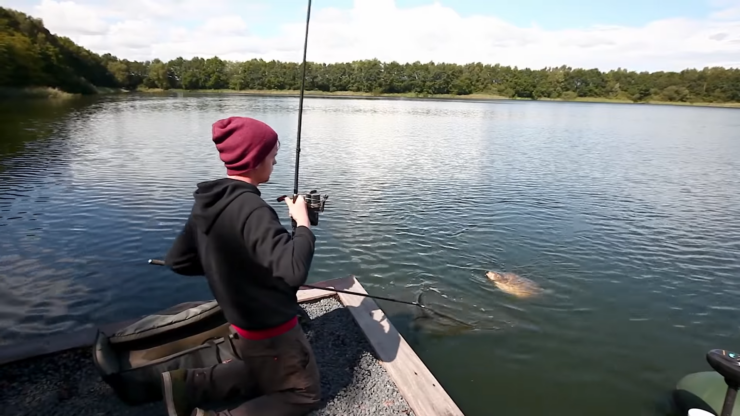
To the angler, the Ghost Carp represents the pinnacle of sport. They are notoriously difficult to track, let alone catch. Their reputation for "intelligence"—a term often used by fishermen to describe the fish’s wariness—is well-earned.
Tactics for the Dedicated
Because they are highly sensitive to their environment, catching a Ghost Carp requires a strategic approach.
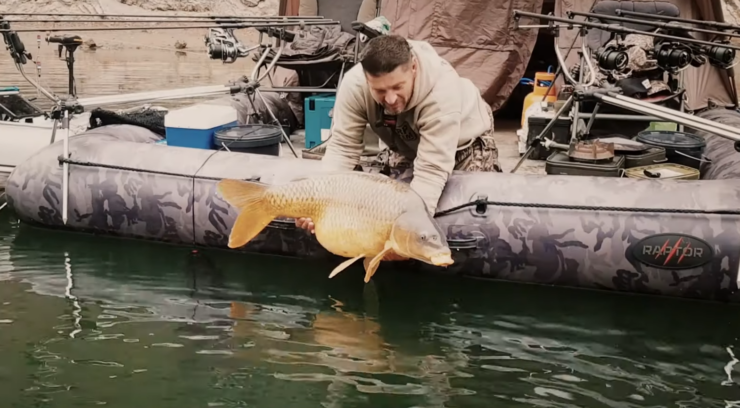
- Bait Selection: While they are omnivorous, they show a preference for high-protein, pungent baits. Pellets, sweetcorn, and even specially flavored luncheon meat are standard favorites.
- Habitat Scanning: They frequent areas with soft, vegetal sediment, lily pads, and submerged structures.
- Patience: Given their cautious nature, anglers often employ "pre-baiting" techniques to build confidence in the fish before attempting a formal catch.
The "ghost" aspect is further amplified by their camouflage. In murky water, the metallic sheen of their scales can be misleading, making it appear as though the fish has vanished the moment it turns away from the light. This optical phenomenon, combined with their tendency to frequent shadows, makes them a challenging target that tests the patience and skill of even the most seasoned angler.
Managing the Population: A Balancing Act
How do we reconcile the value of the Ghost Carp in the sporting world with the ecological risks they pose? The answer lies in compartmentalization.
Structural Management
In areas where their impact is deemed detrimental, authorities utilize several methods to keep populations in check:
- Electric Barriers: Used in major waterways to prevent the migration of carp into sensitive breeding grounds.
- Commercial Harvesting: Targeted removal programs are used to lower population density in eutrophic lakes.
- Strict Legislation: In many regions, the possession or release of live carp into public waters is heavily fined to discourage the spread of ornamental variants.
Conversely, in the United Kingdom, these fish are treated as high-value assets. Managed fisheries invest heavily in the health and longevity of their stocks, ensuring that the "ghosts" remain in the water for future generations of anglers to pursue.
Conclusion: A Complex Legacy
The Ghost Carp is a creature of duality. To the breeder, it is a masterpiece of metallic scales and resilient genetics. To the environmentalist, it is a potential threat to biodiversity, a voracious bottom-feeder capable of turning crystal-clear lakes into muddy, barren basins. To the angler, it is the ultimate trophy—a phantom that requires immense skill to locate and even more to land.
Whether you admire them for their shimmering beauty or study them for their impact on global freshwater ecosystems, one thing is certain: the Ghost Carp has permanently altered the landscape of our waterways. As we continue to balance the human desire for sport and aesthetic pleasure with the need to protect native habitats, these fish will remain a focal point of debate, study, and, for a lucky few, the catch of a lifetime.
They may not be the ghosts of Victorian novels, but their presence is no less felt. As long as there are dark, nutrient-rich waters and dedicated anglers, the Ghost Carp will continue to glide through the shadows, a shimmering, complex enigma in the heart of our freshwater world.