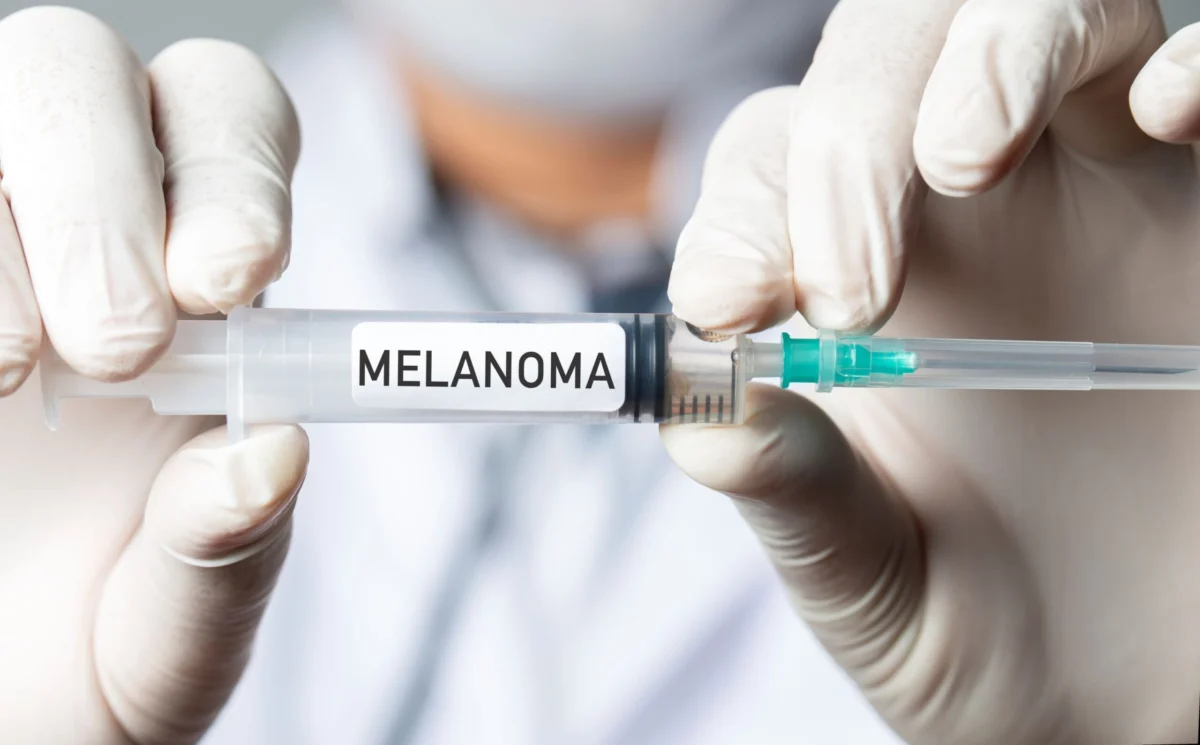
In a landmark achievement for medical science, pharmaceutical giants Merck and Moderna have unveiled compelling results from a Phase 3 clinical trial that could redefine the landscape of cancer therapy. The trial, known as INTerpath-001, evaluated the efficacy of a personalized mRNA-based cancer vaccine, Intismeran Autogene, administered in tandem with the established immunotherapy drug Pembrolizumab. The results suggest a new, potent weapon in the fight against melanoma, one of the most aggressive and lethal forms of skin cancer.
For patients who have undergone surgery to remove high-risk melanoma, the fear of recurrence is a constant shadow. This new therapeutic approach, however, has demonstrated a 42 percent reduction in the risk of disease recurrence or death compared to the use of immunotherapy alone. As researchers and clinicians digest these findings, the medical community is hailing the development as a foundational shift toward truly personalized medicine.
The Science of Customization: How the Vaccine Works
Unlike traditional vaccines designed to prevent viral infections like influenza or COVID-19, Intismeran Autogene is not a prophylactic; it is a therapeutic agent designed to treat existing disease. The development process is a marvel of modern biotechnology, requiring a bespoke approach for every individual patient.
The process begins immediately following a patient’s surgery. Scientists take a sample of the tumor removed from the patient and perform a deep genomic analysis to identify "neoantigens"—unique mutations specific to that person’s cancer. By identifying these molecular signatures, researchers can manufacture an mRNA vaccine that instructs the patient’s own immune system to recognize and attack those specific proteins.
By selecting up to three of these unique molecular markers per patient, the vaccine acts as a "wanted poster" for the immune system, training it to distinguish between healthy cells and the remaining malignant cells that might have survived the surgery. When combined with Pembrolizumab—a checkpoint inhibitor that "releases the brakes" on the immune system—the vaccine creates a dual-pronged attack that is significantly more effective than traditional monotherapy.
Chronology of the INTerpath-001 Trial
The path to these results has been defined by rigorous clinical oversight and a focus on long-term patient outcomes.
- Study Enrollment: The trial recruited 1,137 participants, all of whom had been diagnosed with high-risk melanoma and had recently undergone surgical resection of their tumors.
- The Randomization: Participants were divided into two distinct groups. The control group received standard-of-care treatment with Pembrolizumab alone. The experimental group received the same immunotherapy drug supplemented with the personalized mRNA vaccine.
- The Monitoring Phase: Researchers monitored the patients for an average of 24.6 months, tracking recurrence rates, overall survival, and the incidence of metastasis (the spread of cancer to other parts of the body).
- Data Synthesis: Upon reaching the end of the follow-up period, the statistical gap between the two groups became clear. While 70 percent of the control group remained recurrence-free, an impressive 82.2 percent of those who received the combination therapy showed no signs of cancer recurrence.
Supporting Data: By the Numbers
The quantitative evidence provided by the INTerpath-001 trial offers a clear picture of the vaccine’s clinical impact. The 42 percent reduction in the risk of recurrence or death is the headline statistic, but the secondary metrics are equally encouraging.
The data further revealed that the experimental treatment reduced the risk of the cancer metastasizing to other organs by 38 percent. In the context of aggressive melanoma, where rapid spread is often the primary cause of mortality, this statistic represents a significant advancement in life-extending care. Furthermore, the safety profile of the vaccine remained consistent with findings from earlier Phase 1 and 2 trials. Patients reported manageable, mild side effects, such as localized pain at the injection site, fever, and fatigue—symptoms common to many vaccine-based therapies but notably absent of the severe toxicity often associated with aggressive chemotherapy.
Official Responses and Expert Commentary
The medical community has responded to the data with a mixture of excitement and cautious optimism. Dr. Georgina Long, medical director of the Australian Melanoma Institute and the principal investigator of the study, described the results as "transformative."
"This has the potential to make a foundational shift in how we treat patients with earlier-stage melanoma," Dr. Long stated during the presentation of the findings. Her sentiment was echoed by international experts who viewed the study from a broader clinical perspective.
Eva Muñoz Couselo, who leads a melanoma research group at the Vall d’Hebron Institute of Oncology in Barcelona, emphasized the historical significance of the trial. "For the first time, a Phase III trial has demonstrated that an individualized therapeutic vaccine, designed on the basis of the molecular characteristics of each patient’s tumor, can significantly improve the outcomes of conventional immunotherapy," she told SMC Spain.
Moderna’s leadership also took the opportunity to highlight the broader vision for their mRNA platform. Stéphan Bancel, CEO of Moderna, noted, "These results reinforce our conviction that mRNA has the potential to fundamentally change how we treat cancer."
Implications for the Future of Oncology
While the current results are specific to melanoma, the implications of the INTerpath-001 trial extend far beyond skin cancer. The success of this study provides a "proof of concept" for the broader field of personalized cancer vaccines.
Expanding to Other Cancers
Researchers are already looking at whether this modular technology can be adapted for other malignancies. Earlier this year, separate trials indicated that similar personalized mRNA approaches could improve survival rates in pancreatic cancer, a disease notoriously difficult to treat due to its aggressive nature and resistance to standard therapies.
Marisol Soengas, a leading researcher at Spain’s National Cancer Research Center, noted that the breakthrough lies in the conceptual versatility of the platform. "It would make it possible to treat not only melanoma but also other tumors in which the immune system can be reactivated," she explained. By identifying unique mutations in any given tumor type, the same manufacturing pipeline used for melanoma could, in theory, be pivoted to treat lung, colon, or breast cancers.
The Challenges of Scalability
Despite the euphoria surrounding these results, industry experts warn that the transition from a clinical trial to widespread clinical practice is fraught with logistical challenges. Because each vaccine is manufactured from a sample of the patient’s own tumor, the process is inherently "bespoke."
"The challenge is to ensure that this personalization can be scaled up to a large number of patients and that the cost is affordable for health care systems," Dr. Soengas cautioned. "It is logistically complex. It is literally a bespoke vaccine."
The economic and manufacturing hurdles are significant. Unlike mass-produced pharmaceuticals, each dose of Intismeran Autogene requires specialized laboratory infrastructure, rapid genomic sequencing, and a highly synchronized supply chain to ensure the vaccine is ready while the patient is in the critical post-surgical window.
Conclusion: A New Frontier
The INTerpath-001 trial marks a pivotal moment in the history of oncology. We are moving away from the "one-size-fits-all" approach of traditional chemotherapy and toward a future where treatment is as unique as the patient’s own genetic makeup.
While a universal "cure for cancer" remains a distant goal, the marriage of mRNA technology and immunotherapy offers a promising, sophisticated pathway to significantly improving survival rates for high-risk patients. As health authorities review the findings and consider the next steps for regulatory approval, the medical community remains hopeful. If the challenges of scale and cost can be addressed, the lessons learned from this melanoma trial could eventually form the bedrock of a new, highly effective, and deeply personalized era of cancer care.