Introduction: The Morning Chill of the Foothills
The early morning air in the Alberta foothills is a distinct sensory experience—sharp, biting, and laced with the scent of pine and glacial silt. At 6:00 AM, the temperature hovered near freezing, a reality made painfully apparent when I rolled off my sleeping pad onto the unforgiving stones of a gravel bar along the Blackstone River. We had arrived late the previous night, fumbling through the dark to establish a temporary home near the Forestry Trunk Road, just north of Highway 11.
For the fly-fisher, the Blackstone is a siren song. It is a quintessential foothill stream: narrow, winding, and exceptionally clear. While it lacks the sheer scale of the province’s major alpine rivers, its beauty is intimate. As the sun began to crest over the Rockies, I opted to forgo the quietude of the morning, choosing instead to rattle gear and organize equipment with deliberate, cacophonous intent to rouse my brother—a man whose relationship with the snooze button is far more committed than his relationship with early-morning angling. The strategy was effective, and within the hour, we were wading into the cold, rhythmic flow of the river, rods in hand.
Geography and Ecology: The Blackstone’s Unique Appeal
The Blackstone River begins its journey in the front ranges of the Canadian Rockies, carving a path through the rolling foothills northwest of Nordegg. It eventually empties into the Brazeau River, acting as a vital artery for the region’s aquatic life. Measuring roughly 20 meters across at its widest points, the river is a technical playground for those who favor precision over raw power.
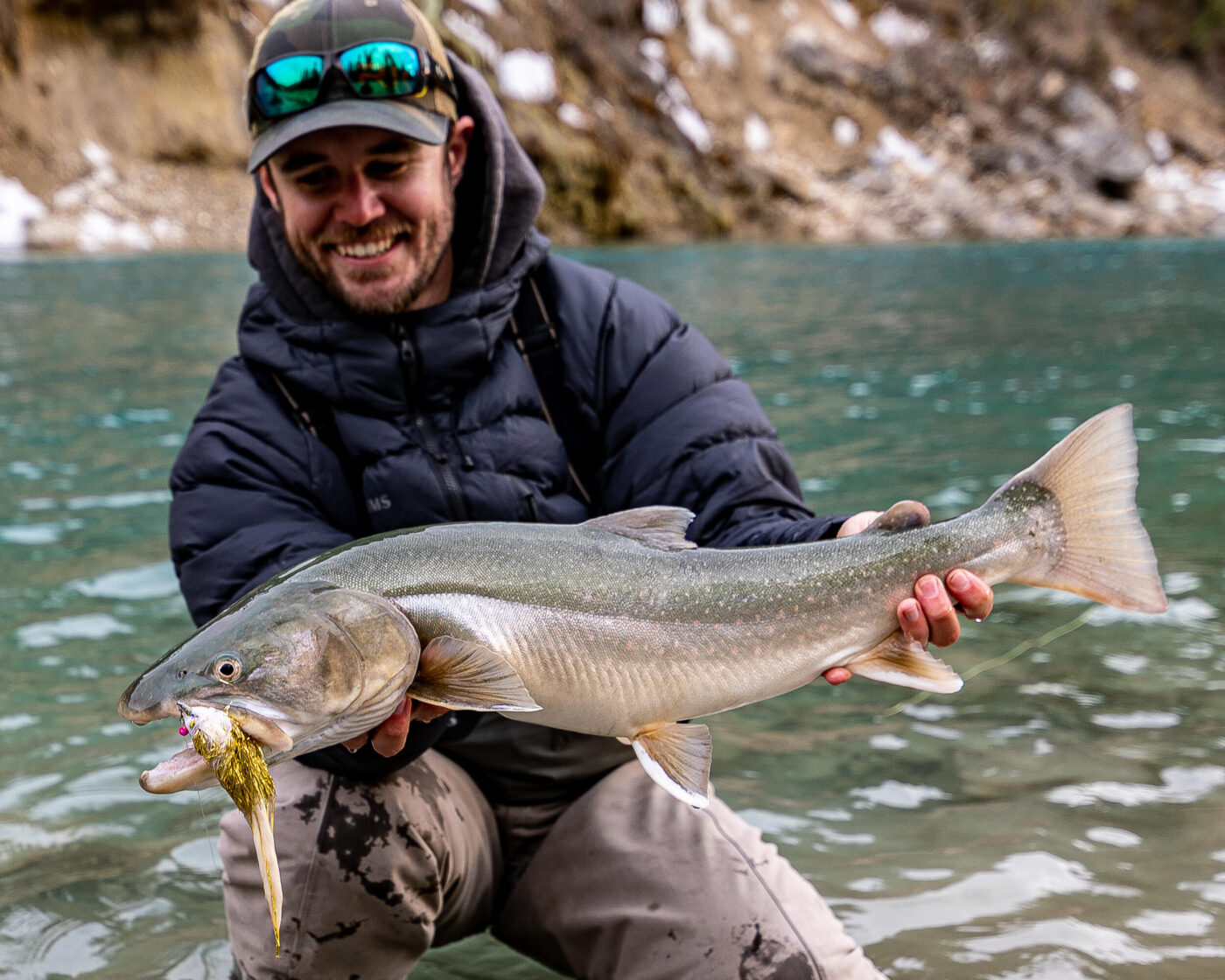
The river holds a legendary status in local angling lore. In his seminal guidebook, Alberta’s Trout Highway, Barry Mitchell famously designated the Blackstone as one of the few locations in the province where Bull Trout (Salvelinus confluentus) exhibit a reliable propensity to rise to a dry fly. While local guidebooks often age and evolve, the Blackstone’s reputation for aggressive, surface-feeding Bulls has remained a consistent point of intrigue for regional anglers. In a province where Bull Trout are usually pursued with weighted streamers stripped through deep, dark pools, the chance to witness an apex predator slash at a dry fly is an experience that borders on the surreal.
Gear, Tactics, and the Minimalist Approach
In fly-fishing, there is a common trap: the belief that carrying more gear equates to more fish. Having spent years lugging heavy, overstuffed fly boxes across the backcountry, I have learned that weight is the enemy of exploration. For this excursion, we kept our tackle kit lean and focused.
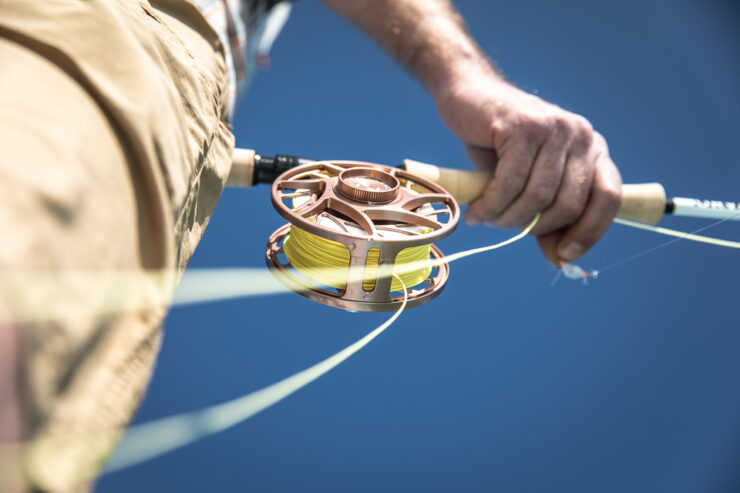
I carried a 9-foot, 5-weight Echo Carbon XL paired with a Redington Crosswater reel. It is a mid-range setup, but it possesses the backbone required for the erratic, powerful runs of a Bull Trout while maintaining enough delicacy to present a fly to a wary Cutthroat. My brother utilized a Cabela’s store-brand 5-weight, an emergency backup rod that proved more than capable of handling the day’s demands.
Our fly selection was strictly curated for the Alberta foothill environment:
- Dry Flies: We relied on high-visibility patterns. Red Humpys and Stimulators served as our "prospector" flies, designed to draw fish up from the depths. For more selective feeders, we carried Pale Morning Duns.
- Nymphs: A standard array of bead-head patterns, kept in a small, waterproof box, remained our secondary option should the surface action stall.
- Terrestrials: Large, foam-based patterns—the "Fat Albert" being our primary choice—were kept ready for the Bulls. These flies provide the high buoyancy and silhouette required to trigger a predatory strike from a territorial fish.
Chronology of the Hunt: From Drift to Strike
The first hour of our session was marked by a quiet rhythm. We moved downstream, scanning the riverbed for structure—undercut banks, log jams, and deep, sheltered pockets. Around mid-morning, we rounded a bend to find a pool of exceptional character. The water was crystalline, swirling into a deep, dark sapphire hole before fanning out over a shallow gravel tail.
The activity was immediate. "Listen," I signaled to my brother. "They are rising."
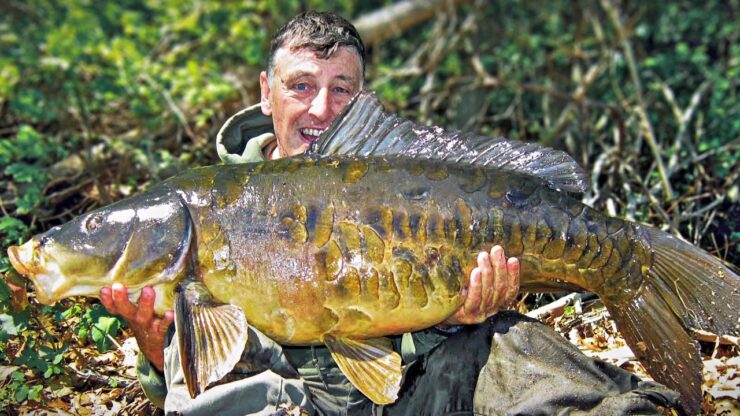
The surface was dimpled by a steady, rhythmic cadence of feeding trout. We started by working the head of the pool with our prospector flies. When the Humpys and Stimulators failed to produce, I switched to a Pale Morning Dun. Before I could even clear my box to re-rig, a shout from the head of the pool confirmed a hookup. My brother had connected with a thick, beautifully colored Cutthroat, likely approaching 20 inches. In our haste to reach the river, we had made a cardinal error: we left the landing net back at the campsite. Landing a fish of that caliber in the shallows requires a steady hand and a calm demeanor, both of which we managed to muster.
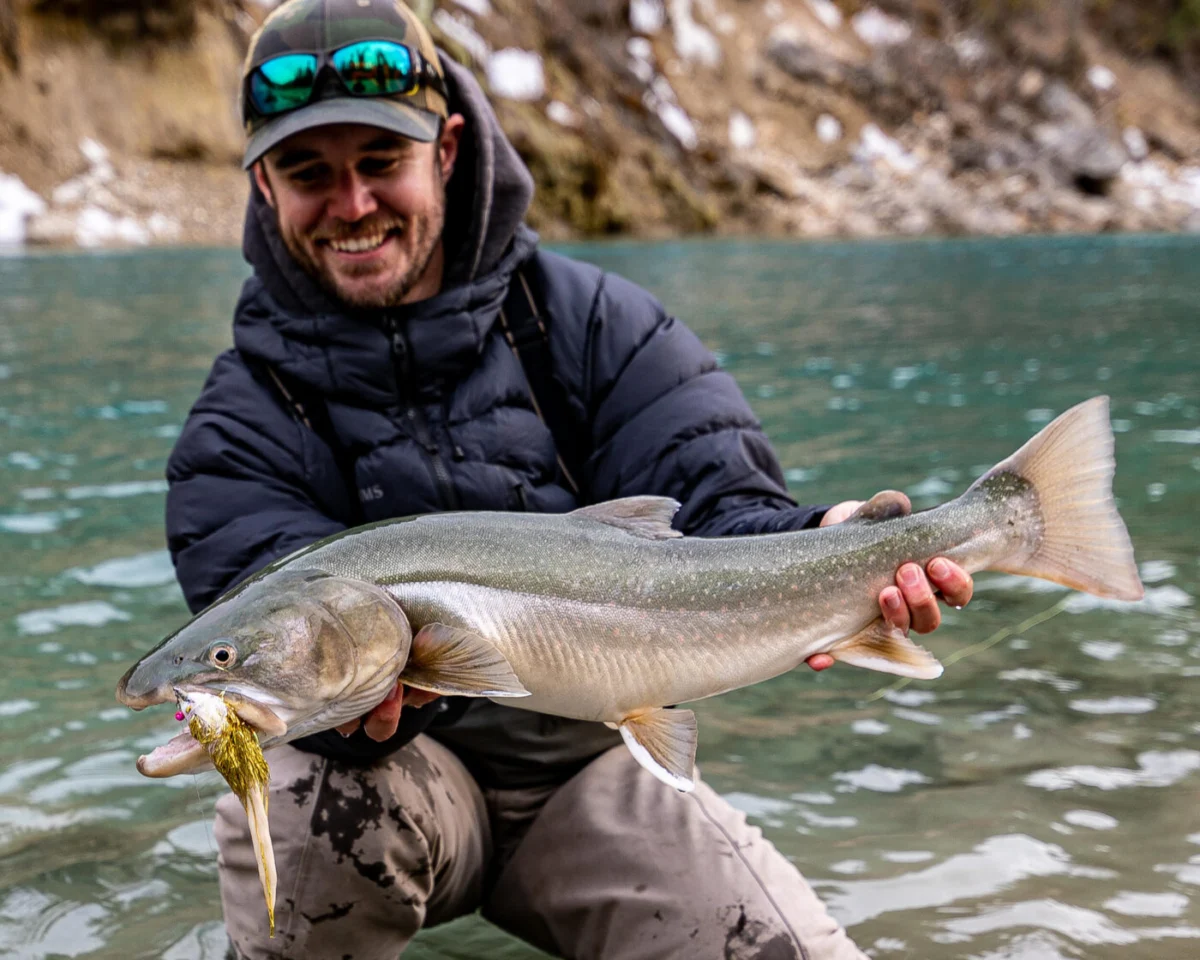
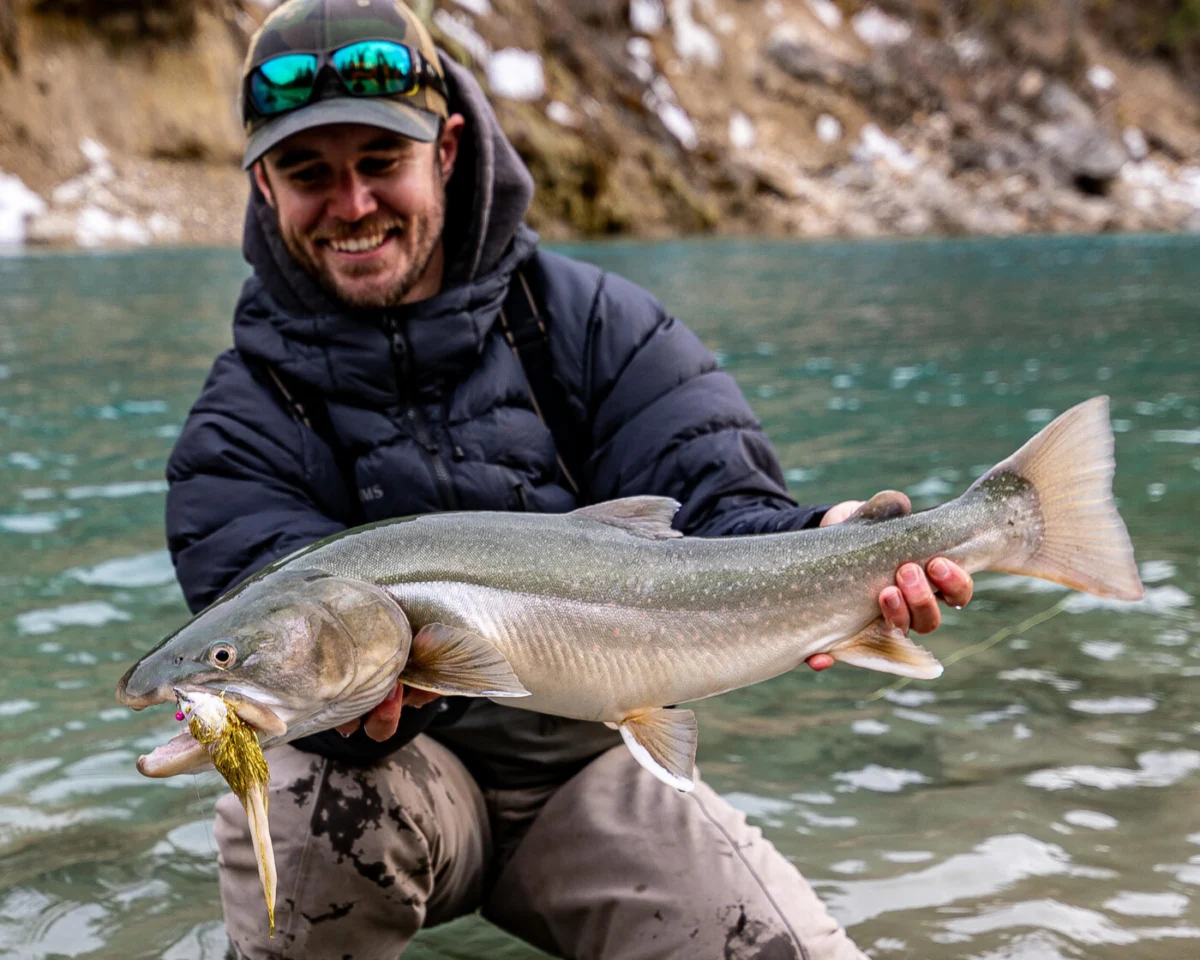
With the upper pool occupied, I drifted toward the tail, where the water transitioned into a shallow run. It was here that I decided to test the "dry fly" hypothesis for Bull Trout. I tied on the Fat Albert. I wanted a fly that would land with a definitive thwack, mimicking the clumsy fall of a grasshopper or a large beetle. I cast toward the far bank, letting the fly drift through the seam. Just as I prepared to retrieve and recast, a massive shadow surged from the depths. The take was violent—an explosion of water that shattered the morning stillness. The rod bent sharply as the Bull Trout engaged in its signature high-intensity, deep-diving fight.
Supporting Data and Observations
The Bull Trout is a sensitive indicator species, protected under many provincial regulations in Alberta due to its status as a threatened species in many watersheds. They are opportunistic predators, known for their aggressive behavior, which is precisely why they are so responsive to large, top-water flies.
According to observations from regional biologists, the Blackstone’s ecosystem is particularly well-suited for these fish because of the cold, oxygenated water flowing from the mountain springs. When a fish hits a dry fly, it is often a territorial reaction rather than a simple search for sustenance. The "Fat Albert" pattern, by creating a significant disturbance on the surface, taps into this aggression, forcing the fish to commit to a strike before it has time to assess the object as an imitation.
Official Guidelines and Conservation Implications
Anglers visiting the Blackstone River must remain acutely aware of the regulatory framework governing the area. Because Bull Trout are designated as a "catch and release" species throughout most of Alberta, the use of barbless hooks is mandatory. Furthermore, the handling of these fish is critical; they are susceptible to stress and temperature fluctuations.
- Handling Procedures: Always keep the fish in the water as much as possible. If a photograph is required, the fish should be lifted for only a few seconds, with the angler ensuring their hands are wet to protect the fish’s protective slime coat.
- The Net Factor: As we learned the hard way, a rubberized landing net is not merely an accessory; it is a conservation tool. It minimizes the time spent struggling to release a fish and prevents the need to haul the fish onto the gravel, where the protective coat can be stripped away.
Conclusion: The Value of the Foothills
The trip to the Blackstone was more than a successful day of fishing; it was a reminder of the fragility and the majesty of Alberta’s riparian corridors. Whether you are a seasoned expert or a novice looking to refine your dry-fly presentation, the river offers a masterclass in reading water and understanding fish behavior.
The Bulls of the Blackstone are not mythical—they are real, they are aggressive, and they are incredibly fun to catch on top. However, they are also a privilege to fish for. As we packed our gear, the river continued its steady, ancient flow toward the Brazeau. We left behind only footprints, having gained a deeper appreciation for the silent, shifting shadows beneath the surface. For those who head out to the Blackstone, remember the lesson of our trip: bring the net, keep the gear simple, and always be ready for the surface to explode.