By Samuli Haapasalo
Published: October 27, 2026
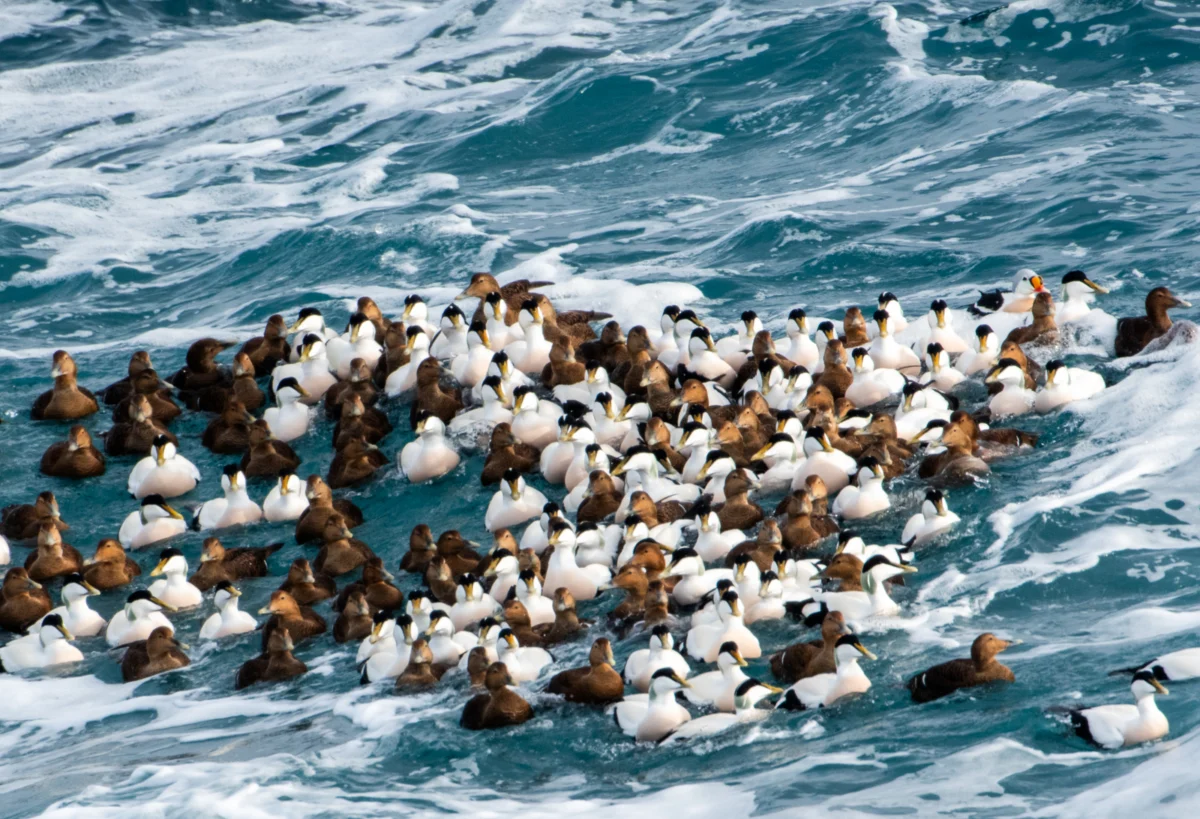
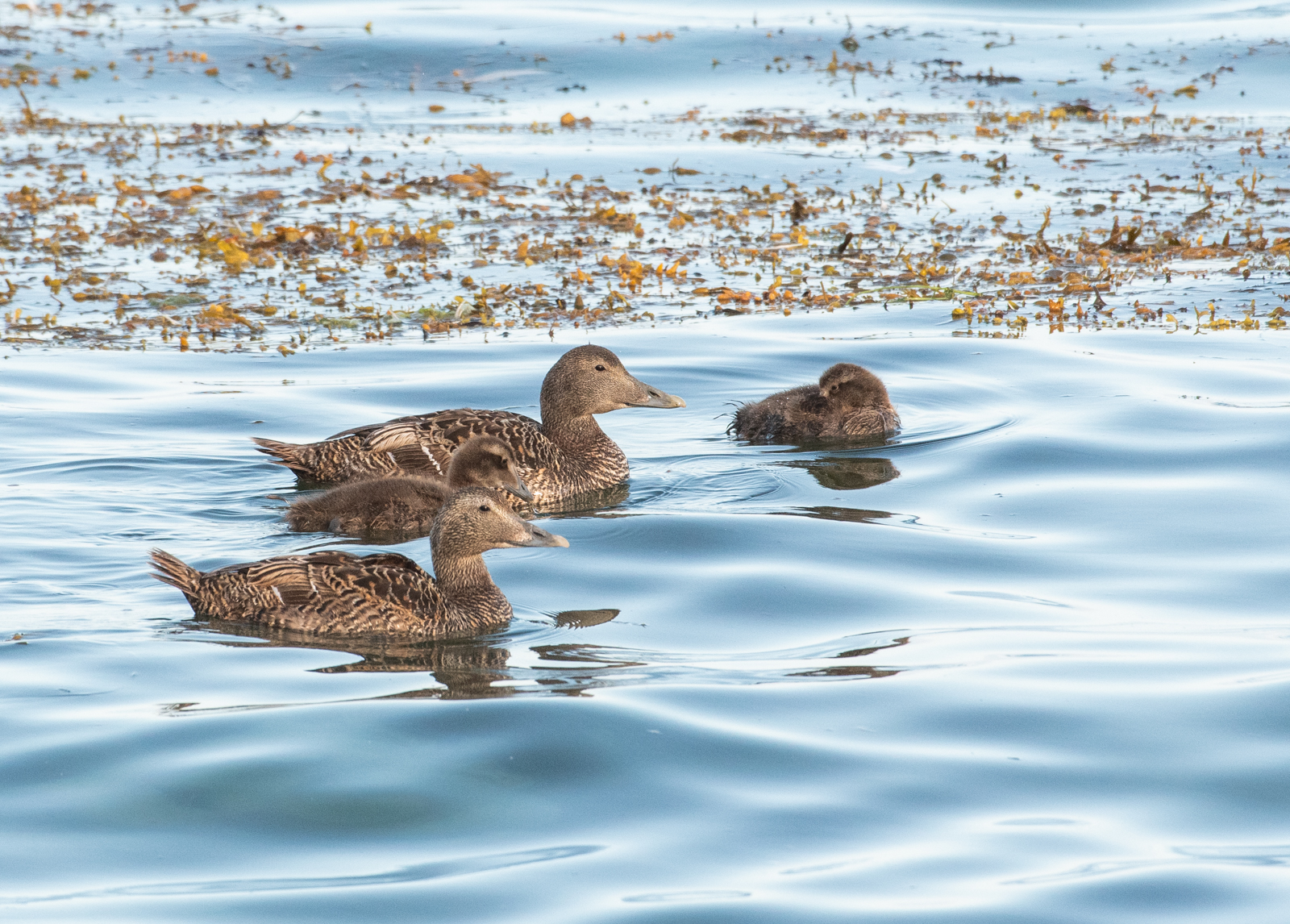
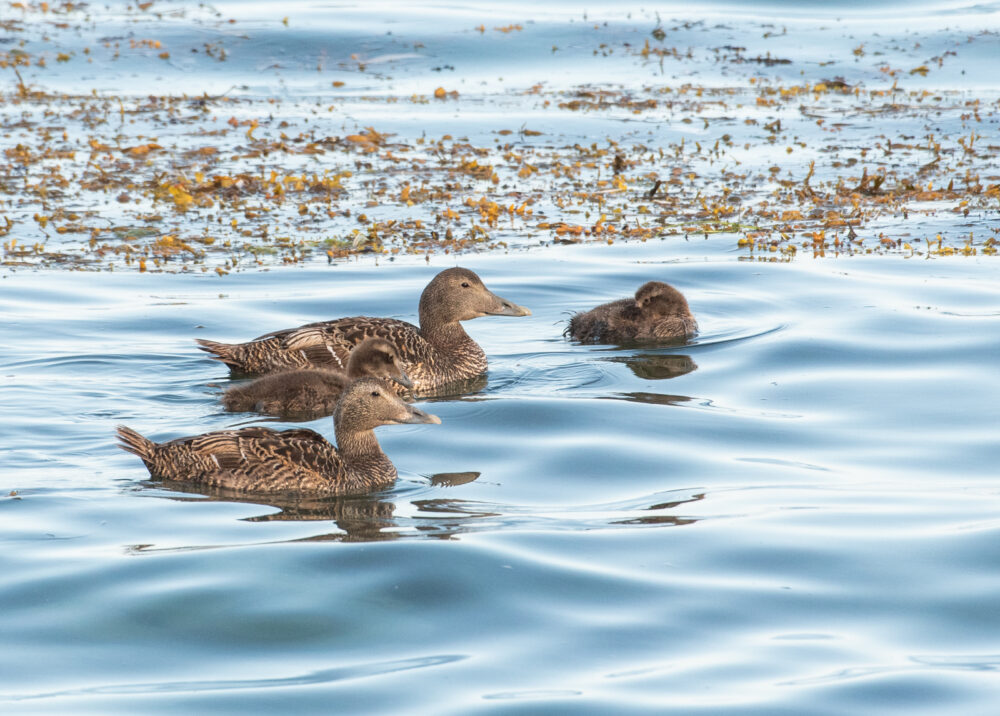
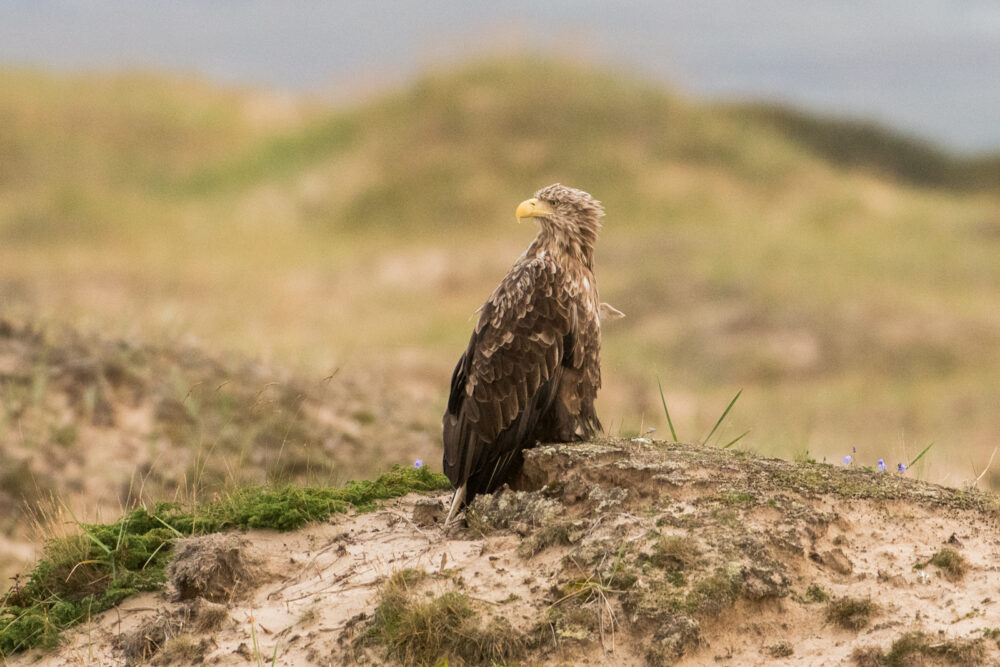
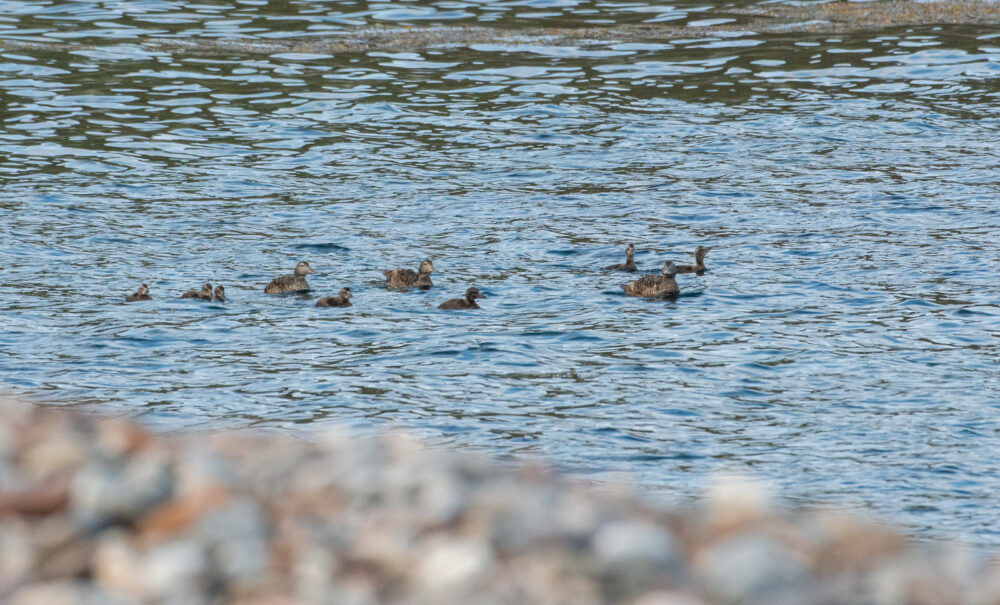
The delicate interplay between apex predators and their prey remains one of the most compelling narratives in northern ecology. During a late July excursion to the shores of the Varanger Fjord in Arctic Norway, I was struck by the success of common eider (Somateria mollissima) broods. Despite a significant recovery in the local white-tailed eagle (Haliaeetus albicilla) population—a species that, unlike in Finland, never faced total extinction in Norway—a visible equilibrium has been struck.
As I watched eider mothers and their ducklings navigate the kelp forests, it became clear that the ecosystem of the far north still holds a resilience that our more troubled southern waters have lost. This observation serves as a poignant contrast to the state of the Baltic Sea, prompting an urgent examination of what we must learn from the Arctic to save our own sinking ecosystems.
Main Facts: A Tale of Two Seas
To understand the crisis facing our maritime environments, one must distinguish between the vast, oceanic expanse of the Barents Sea and the stagnant, semi-enclosed nature of the Baltic.
The Baltic Sea is currently in a state of ecological distress. Persistent nutrient runoff from surrounding nations and chronic pollution have accelerated eutrophication, leading to expansive "dead zones" on the seafloor and recurring toxic blue-green algae blooms. While volunteer efforts to mitigate nutrient loads are laudable, the sheer volume of runoff continues to overwhelm the sea’s natural processing capacity.
In contrast, the Varanger Fjord, while not immune to human interference, offers a different set of challenges. Here, the introduction of the invasive king crab (Paralithodes camtschaticus) poses a complex dilemma: it is a high-value commercial resource, yet its presence disrupts the benthos, creating a conflict between economic gain and ecological stability. Furthermore, the industrial-scale salmon farming industry in these fjords raises critical questions about the impact on wild Atlantic salmon stocks and the depletion of forage fish that support the massive seabird colonies of the north.
Chronology of Ecological Shift
The recent observations in the north are not isolated incidents but part of a multi-year trend of shifting dynamics:
- Pre-2024: The decline of seabird colonies—including black-legged kittiwakes and guillemots—becomes increasingly visible. These collapses are often attributed to the warming of the seas due to climate change.
- 2024-2025: As ocean temperatures rise, the small schooling fish that form the base of the seabird diet migrate further north and into deeper, colder waters. This forces birds to forage further from their nesting sites, leading to starvation and reduced breeding success.
- July 2026: Field observations at Varanger confirm that despite these wider systemic stressors, the common eider continues to successfully rear young in near-shore environments.
- Late 2026: Evidence emerges that the eider’s survival is linked to the availability of mussels and the lack of severe habitat degradation compared to the Baltic, which continues to struggle with water turbidity and light penetration.
Supporting Data: The Baltic Crisis vs. Arctic Resilience
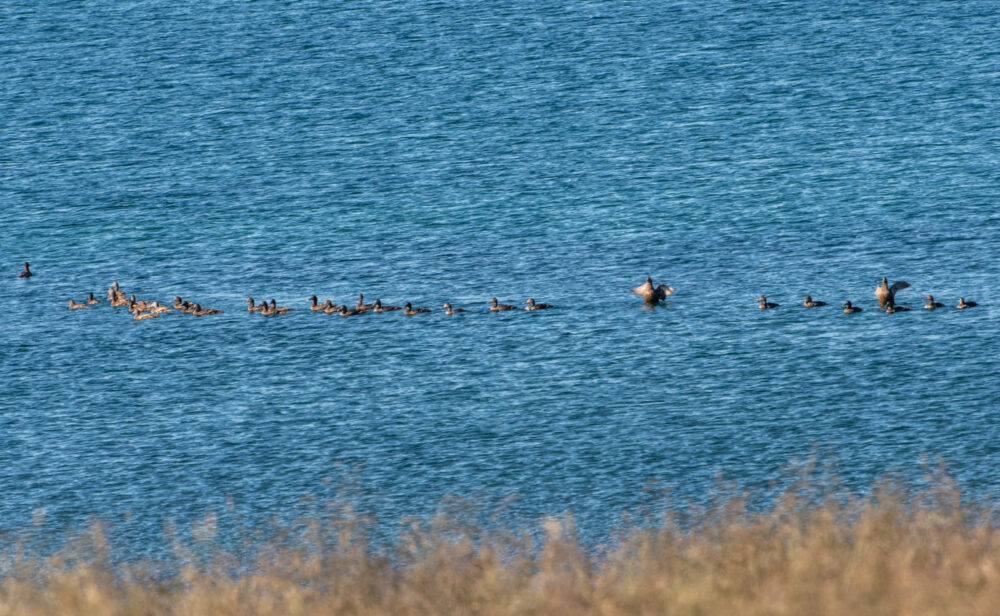
The contrast between the two regions is best highlighted by the condition of the eider populations. In the Baltic, the eider is in a long-term, steep decline. Critics often point to the predation of white-tailed eagles as the primary culprit. However, the Varanger experience suggests that the eagle is merely a scapegoat.
In Norway, both the eider and the eagle coexist. The fundamental difference lies in the health of the food web. In the Baltic, the decline of the eider is an indicator of the loss of the blue mussel—the bird’s primary food source. When the water becomes too turbid due to nutrient-driven phytoplankton blooms, mussels suffer, and the entire food chain collapses from the bottom up.
Key Environmental Indicators:
- Light Penetration: In the Baltic, excessive turbidity prevents sunlight from reaching the seafloor, effectively ending the life cycle of native benthic flora and fauna.
- Nutrient Loading: Nitrogen and phosphorus runoff remain the primary drivers of the "green soup" that characterizes modern Baltic summers.
- Predator-Prey Dynamics: Where healthy, diverse ecosystems exist, predators like the white-tailed eagle utilize a variety of sources, including the invasive great cormorant. By actively culling cormorants, humans may inadvertently be limiting the eagle’s dietary options, forcing them to hunt more vulnerable species like the eider.
Official Responses and Strategic Missteps
The management of the Baltic Sea has historically favored short-term fixes over structural reform. Recent efforts to "cull" predators, such as the shooting of cormorants, have been met with skepticism from the scientific community.
Environmental authorities face a mounting challenge: public sentiment often demands a "quick fix" to declining fish stocks, leading to the scapegoating of protected predators like the eagle. Yet, as the Varanger data indicates, the presence of an apex predator is a sign of a functioning ecosystem, not the cause of its demise.
The real policy failures lie in the delay of land-use regulations that would curb agricultural runoff. While "kassilohi" (farmed salmon) brings wealth to the Norwegian fjords, it creates a massive "environmental debt" by consuming the forage fish required by wild seabirds. The sustainability of this model is increasingly being questioned by European environmental bodies.
Implications: A Path Forward
If we are to reverse the decline of the Baltic, we must shift our focus from symptomatic treatment to root-cause eradication.
1. Prioritize Habitat Restoration
The survival of the eider in the north is contingent upon clean, clear water where benthic life can flourish. For the Baltic, this means a ruthless commitment to reducing agricultural and industrial runoff. We cannot expect species to return if the foundation of their diet remains poisoned.
2. Redefining Predator Management
We must abandon the reactive culling of white-tailed eagles. Instead, we should foster environments where these birds can hunt alternative species. The encouragement of "human-adjacent" nesting sites—where eiders nest near human habitation to avoid eagle predation—is a passive, effective method of protection that has been observed in various island populations.
3. Long-term Climate Resilience
The northward migration of fish stocks is a symptom of a warming planet. While we cannot cool the oceans overnight, we can protect the remaining "refugia" where species can find shelter. Protecting the coastal fringe of the Baltic from further industrialization is essential for maintaining the biodiversity that remains.
Conclusion
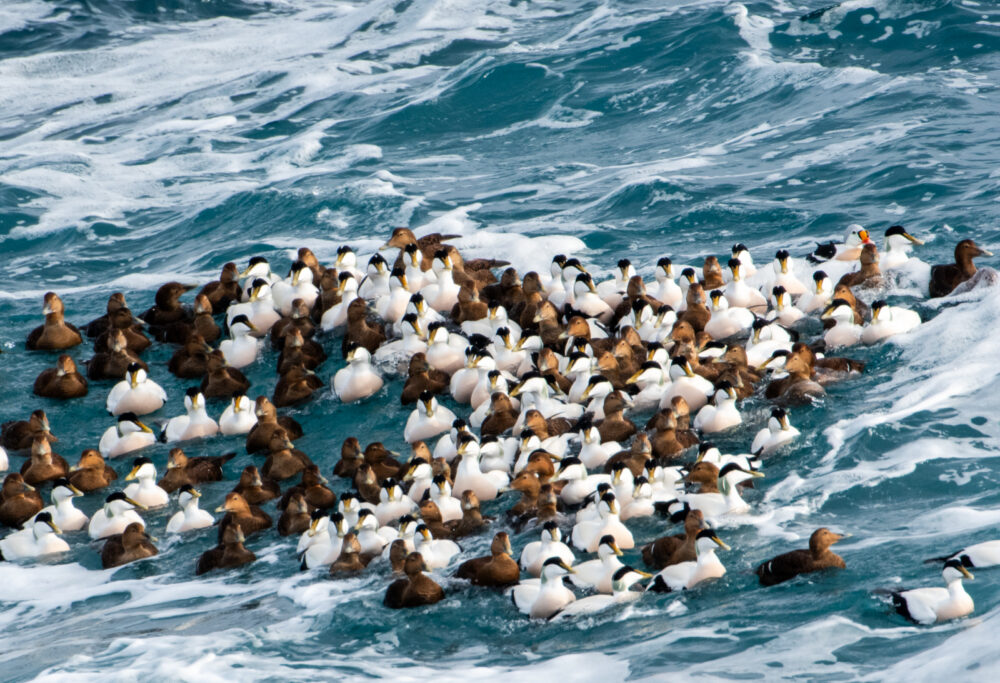
The sight of eiders bobbing on the high, frigid waves of the Varanger Fjord in February, or the quiet success of a late-summer brood near the kelp, serves as both a reminder and a warning. We have the data, the knowledge, and the resources to turn the tide. What we require is the political will to treat the Baltic Sea not as a resource to be exploited, but as a living system that requires, above all else, the space and purity to regenerate.
As we look toward 2027 and beyond, the lesson from the Arctic is clear: nature is capable of balance, provided we stop disrupting the fundamental links of the food chain. The eider, the eagle, and the sea itself are waiting for us to choose a different path—one of stewardship rather than extraction.