September is the month when Finns are invited to ask a simple, yet profound question: "Which club does your heart beat for?" As we approach the national Seurapaitapäivä (Club Shirt Day) on September 29th, the conversation turns toward "seurarakkaus"—the deep, often transformative love for one’s sports club and the identity that comes with wearing its colors.
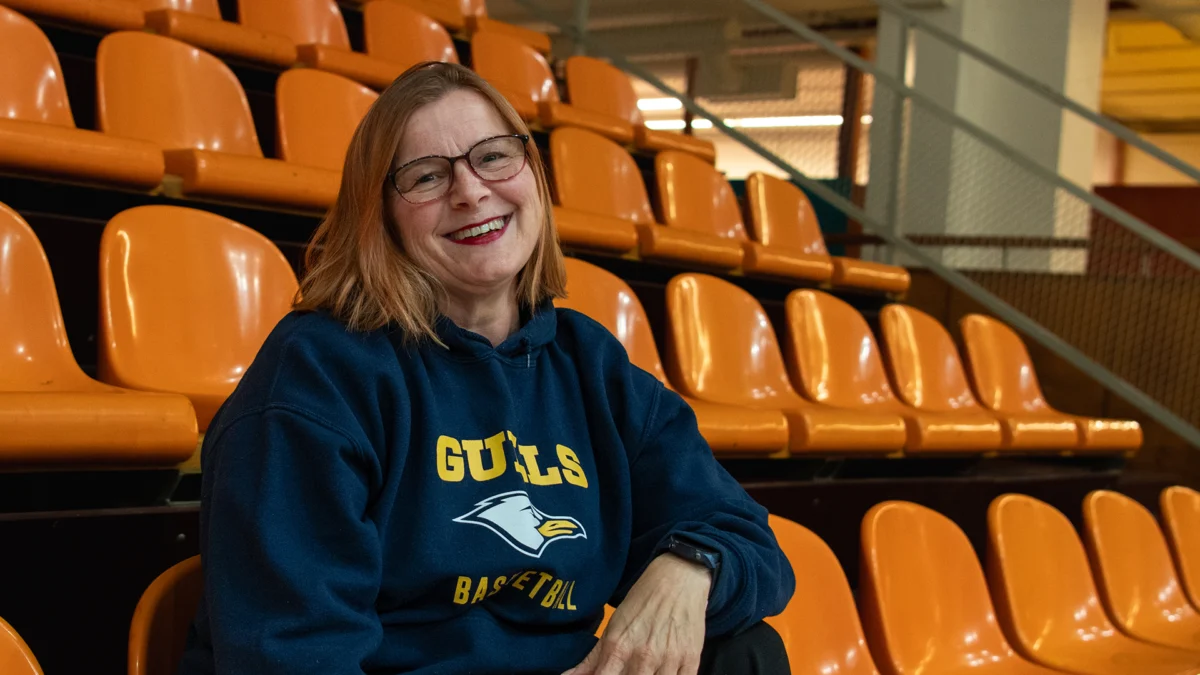
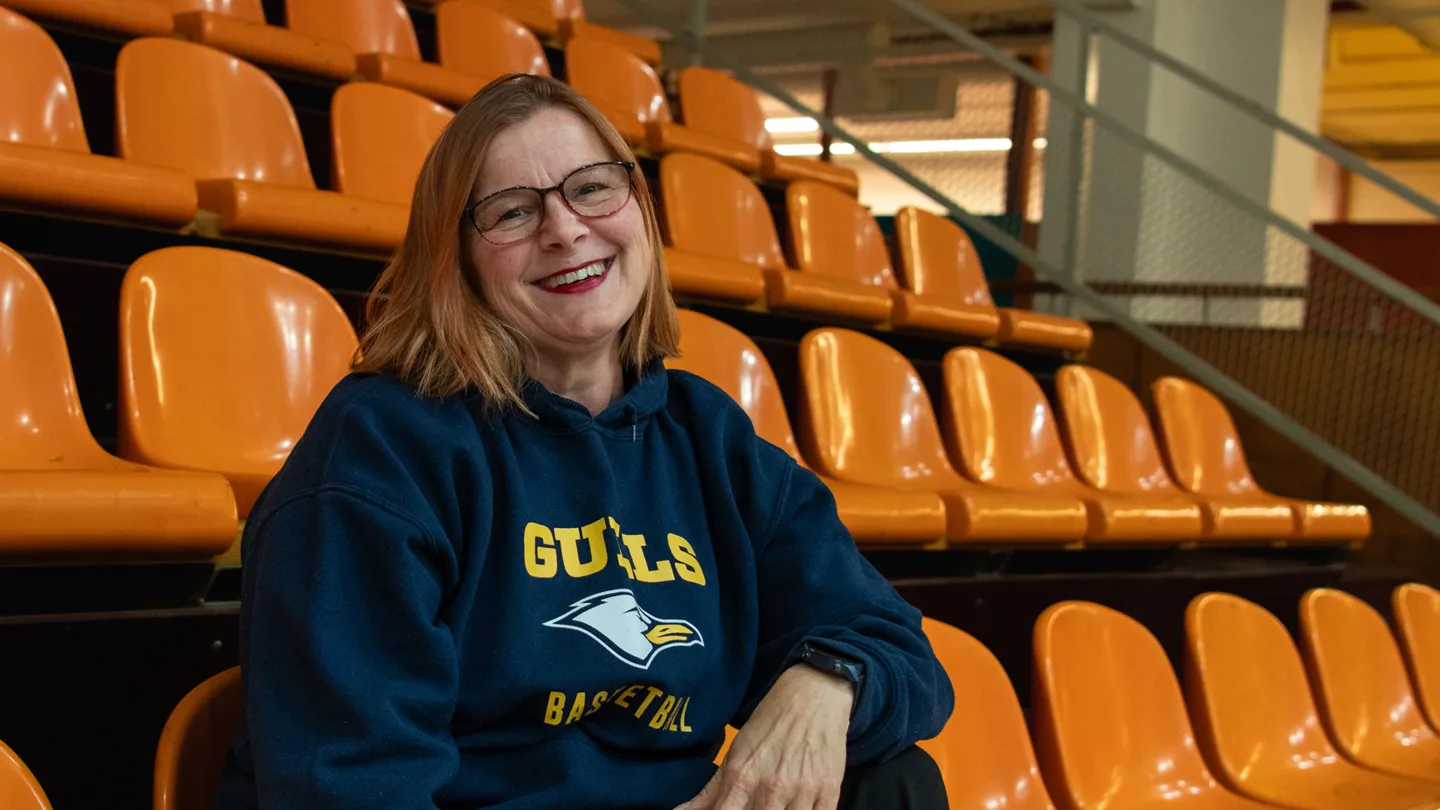
For Maarit Mansikka, this love is not a singular devotion, but a multi-faceted journey that has evolved alongside the different chapters of her life. From the hardwood floors of her childhood to the vibrant, drum-beating atmosphere of professional basketball arenas, Mansikka’s story is a testament to how sports clubs serve as the vital connective tissue of Finnish society.
The Genesis: A Lifelong Affair with Basketball
Maarit Mansikka’s relationship with basketball began at the age of eight. It started in a humble school sports club, a common entry point for thousands of Finnish children. That initial spark, ignited by the rhythm of the bounce and the camaraderie of the team, quickly blossomed into a dedicated pursuit that spanned her teenage years.
Like many, her active participation took a hiatus as she entered adulthood and began the demanding journey of raising a family. However, the sport remained in her DNA. When her own children reached the age to pick up a basketball, the dormant passion was reignited. "When my kids started playing, I found my way back to the game," Mansikka explains. This marked the beginning of her transformation from a mere spectator to a cornerstone of her local sporting community.
Chronology of Commitment: From ToPoLa to the Gulls
Mansikka’s journey is defined by three distinct clubs, each representing a different phase of her growth as a leader, volunteer, and advocate for the sport.
The Foundation: ToPoLa (Lauttasaari)
The Lauttasaaren ToPoLa (ToPoLa) served as the primary theater for Mansikka’s early "seurarakkaus." It was here that she moved beyond the role of a supportive parent and into the engine room of the club.
"ToPoLa was my ‘heart club,’" she says. "I didn’t just watch from the sidelines. I became a team leader, a coach, and eventually a member of the club’s board." Her influence even extended to the national level, where she was instrumental in founding the "Mamma-sarja" (Moms’ League), which has since evolved into a popular women’s recreational league. Reflecting on those days, Mansikka admits, "I didn’t know anything about board work, but the support was incredible. We learned the ropes together."
The Professional Leap: Helsinki Seagulls
In 2013, a new entity appeared on the horizon: the Helsinki Seagulls. As the club sought to ascend to the Korisliiga (the premier Finnish basketball league), they faced a critical hurdle—finding adequate training facilities.
"I was sitting on the ToPoLa board at the time, and when the Seagulls asked for training space, I was actually against it," Mansikka laughs. "I thought, ‘We can’t take anything away from the youth.’"
However, a chance invitation from a friend to watch a Seagulls promotion match changed everything. The energy, the professional standard of play, and the burgeoning community convinced her. Soon, she was recruited to lead the club’s fan group. For four years, Mansikka was the heartbeat of the Seagulls’ stands, coordinating cheers and building a community that survived even the isolation of the COVID-19 pandemic. "It was a source of pride," she recalls. "It showed that I was part of something bigger—that I was there for the team through the good times and the bad."
Supporting Data: The Power of the Finnish Sports Movement
Maarit Mansikka’s experience is not an anomaly; it is a reflection of a massive societal phenomenon. In Finland, one-third of the population is actively involved in sports clubs—whether as athletes, coaches, volunteers, or administrators.
According to recent data from the Finnish Olympic Committee:
- 1.8 million people in Finland participate in club activities in various roles.
- Volunteering remains the backbone of the sector, with thousands of hours contributed annually to keep local clubs operational.
- Social cohesion is identified as the primary benefit, with sports clubs serving as one of the most effective tools for integration and community building in both urban and rural settings.
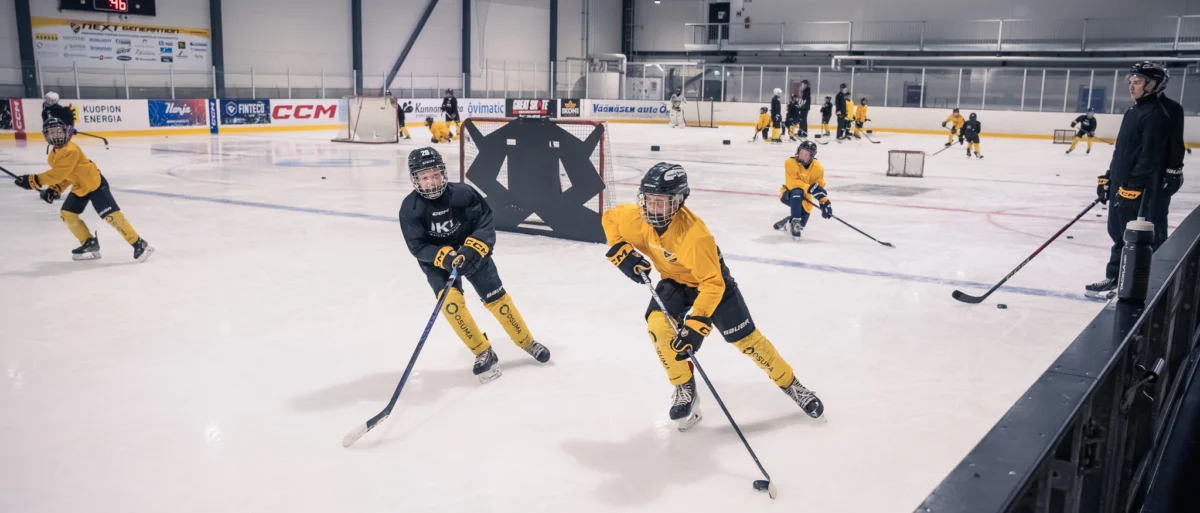
The Seurapaitapäivä initiative, celebrated on September 29th, aims to make this "invisible" force visible. By encouraging citizens to wear their club’s colors to work, school, or the grocery store, the movement highlights the immense contribution these organizations make to public health, mental well-being, and social stability.
The Philosophy of the Court: Inclusion and Equality
Today, while Mansikka has moved outside of Helsinki, she remains firmly rooted in the basketball community. She is a founding member of "Rough Diamonds," a team within the Pakilan Visa club that plays in the recreational league she helped pioneer years ago.
For Mansikka, the court is a great equalizer. "When you pull on your game gear, it doesn’t matter what you do for a living or what your social status is," she notes. "On the court, we are all equal. We are friends who want the best for each other. That is incredibly meaningful."
Implications for the Future of Fan Culture
Despite her enduring love for the game, Mansikka expresses concern about the shifting landscape of spectator sports. She advocates for a fan culture rooted in positivity rather than vitriol.
"I hope the fan culture remains supportive," she urges. "Unfortunately, we see a rise in negativity. When a team is struggling, that is exactly when they need their fans the most. A true fan supports the team through both the highs and the lows."
Her vision for the future of Finnish sports is one of sustained inclusivity. She believes that the strength of a club is not measured by its trophy cabinet, but by the depth of the relationships formed within its walls. As she continues to watch Seagulls games—either from the stands at Kisahalli or via live streams—her loyalty remains as steadfast as ever.
Conclusion: Why We Wear the Colors
As the nation prepares for Seurapaitapäivä, the story of Maarit Mansikka provides a poignant reminder of why these institutions matter. Whether it is the local youth club teaching children the value of teamwork, or a professional organization providing a sense of identity for thousands of fans, the sports club is more than a place of competition.
It is a place of belonging.
"Seurarakkaus is about community," Mansikka concludes. "It is about the people you meet and the things you learn along the way. I have learned so much, and I have found friends for life. That is the true value of the club."
On September 29th, when you put on your favorite team’s shirt, you are doing more than supporting a brand. You are participating in a grand, 1.8-million-person movement that defines the Finnish spirit—a spirit that finds its home on the court, on the field, and in the heart of every person who dares to show their true colors.