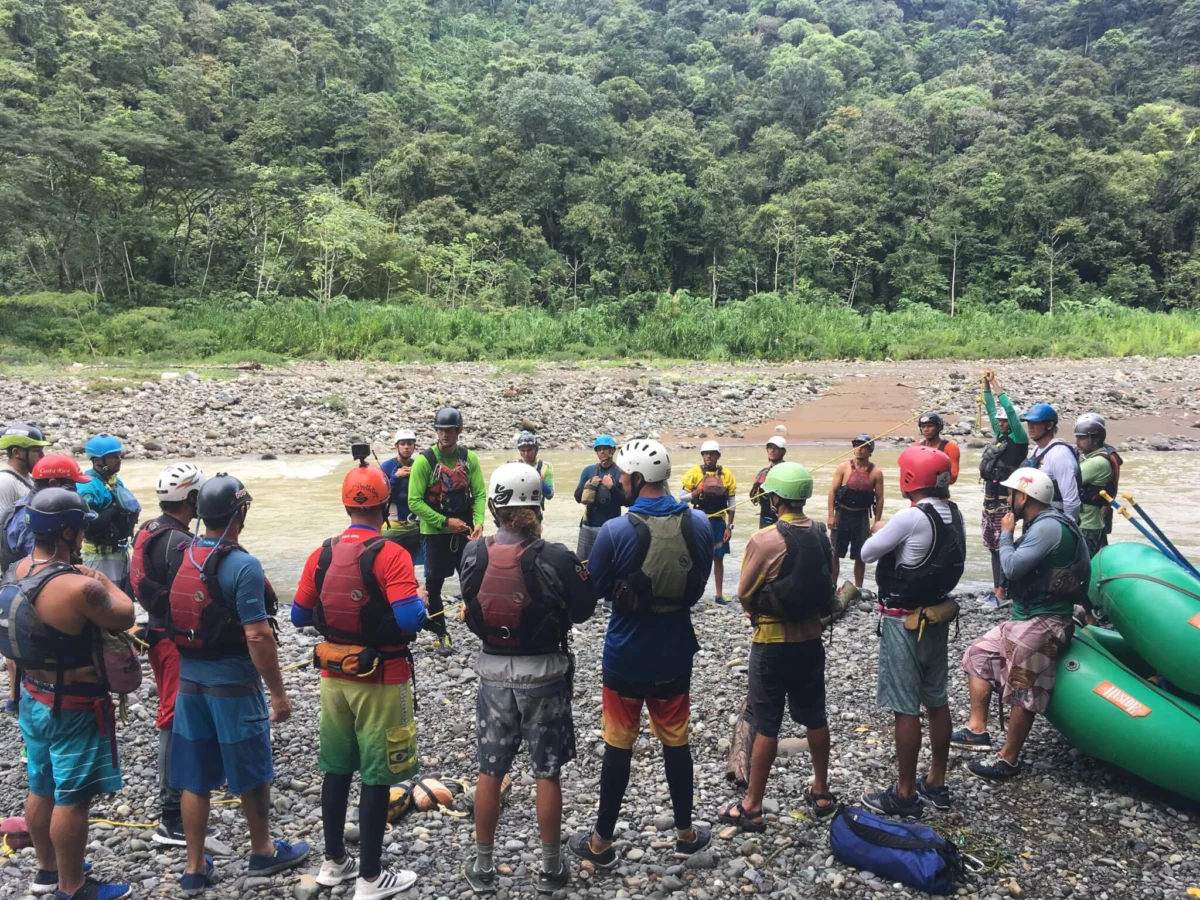
In the rugged, tropical landscapes of Costa Rica, where the river systems are as powerful as they are pristine, professional rafting guides serve as the first line of defense in an often unforgiving environment. Recognizing the critical need for advanced emergency preparedness, Whitewater Rescue Institute (WRI) instructor Paul Heffernan and his team recently concluded a comprehensive five-day swiftwater rescue training program.
The initiative brought together 50 professional rafting guides from across the country to the banks of the Rio Savegre. The program aimed to bridge the gap between local field experience and standardized international emergency response protocols. By focusing on technical proficiency, organizational communication, and risk management, the training sought to ensure that these professionals are equipped to handle the high-stakes reality of commercial whitewater operations.
The Core Objectives: Why Training Matters
The inherent risks associated with whitewater rafting—ranging from unpredictable hydrology to remote-access complications—demand a rigorous approach to safety. The WRI training curriculum was designed to address the specific challenges faced by Costa Rican operators, where limited infrastructure and cellular connectivity can turn a minor incident into a complex, multi-layered rescue operation.
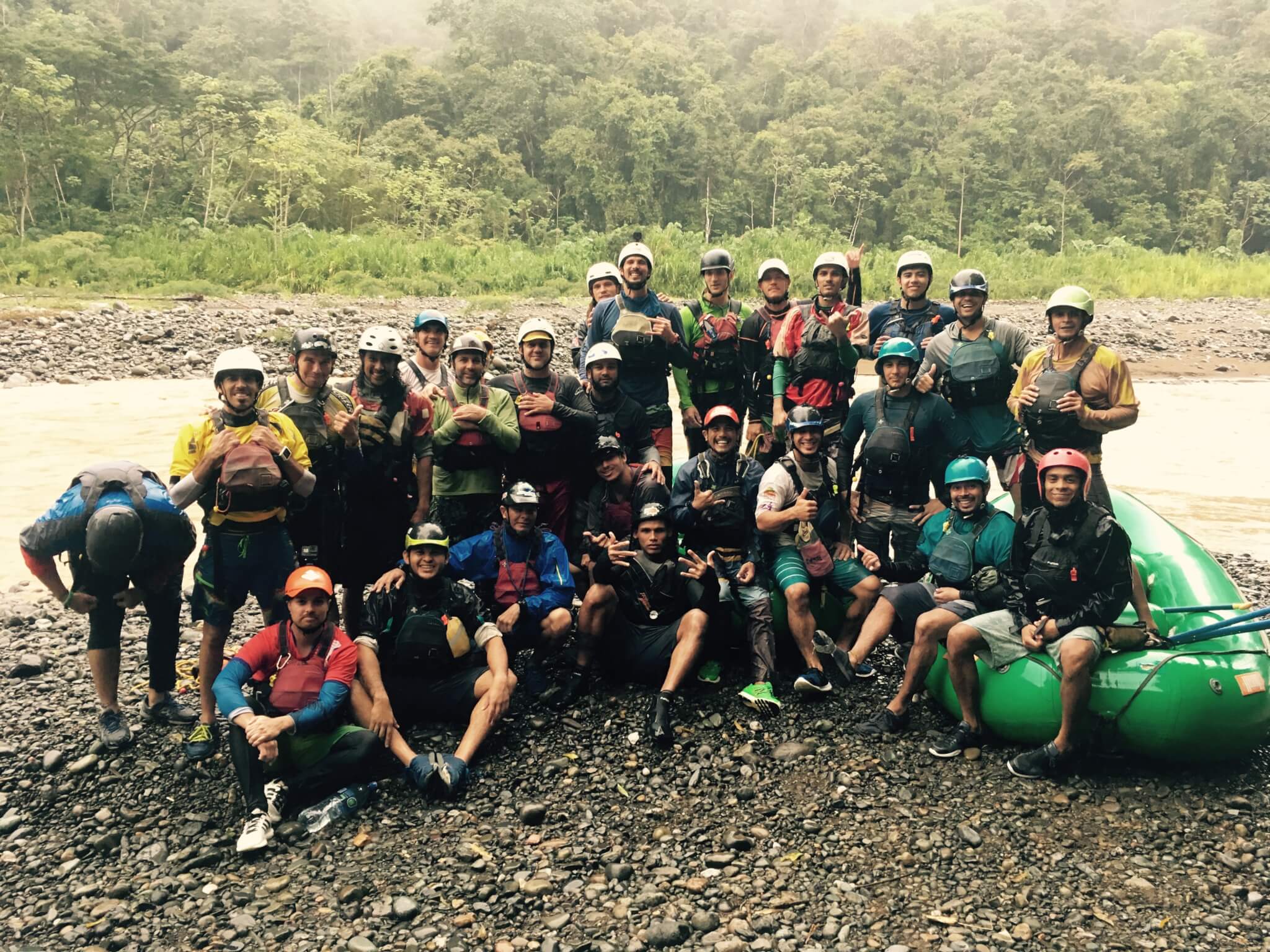
The program centered on the "LAST" phase framework: Locate, Access, Stabilize, and Transport. For professional guides, these aren’t merely theoretical steps; they are the logistical pillars of survival. Throughout the five-day intensive, instructors emphasized that the primary goal of any rescue is not just the retrieval of a victim, but the safety of the rescuers themselves.
A Chronological Breakdown of the Training
The curriculum was strategically divided to ensure a progression from foundational knowledge to high-stress, real-world simulation.
Days 1-2: The Fundamentals and Site Assessments
The training commenced in Quepos, where instructors and participants gathered to establish a common language of rescue. Topics included:

- Hydrology and Risk Management: Understanding how water moves through varying river features and identifying potential hazards.
- Scene Size-Up: Developing the discipline to pause and assess the environment before committing to a rescue.
- Emergency Planning: Establishing command structures that remain functional even when communication is fragmented.
Once the theoretical groundwork was laid, the group transitioned to the Rio Savegre. Here, participants began the physical aspects of the training, starting with safety talks that emphasized constant equipment checks, clear signaling (both whistle and hand signals), and the implementation of upstream and downstream containment.
Days 3-4: Hands-On Technical Skill Acquisition
The middle portion of the course shifted to the water. In the warm, crystal-clear currents of the Savegre, guides practiced:
- Defensive and Aggressive Swimming: Mastering the art of navigating rapids as a swimmer to reach victims safely.
- Throw Bag Accuracy: Refining the technique of deploying rescue lines to trapped or stranded individuals.
- Technical Rigging: Establishing anchors, utilizing Z-drags for mechanical advantage, and performing line crossings.
The atmosphere was one of professional camaraderie. By working in the very waters they navigate daily for work, the guides were able to test their skills in a familiar, yet controlled, environment.

Day 5: Scenario-Based Stress Testing
The final day was dedicated to the most challenging phase: full-scale, multi-victim incident simulations. These scenarios forced participants to integrate their technical skills with leadership and decision-making under pressure. Rescuers were tasked with:
- Managing Multiple Injuries: Practicing first aid while maintaining the integrity of the rescue.
- Incident Command: Identifying a team leader to delegate tasks, organize resources, and maintain a clear flow of communication.
- Debriefing: Following each scenario, the group participated in intense, reflective debriefs, analyzing what went right and where communication broke down.
Supporting Data and Technical Considerations
The training emphasized that technical skill is useless without a systematic approach to scene management. The instructors, both of whom are Emergency Medical Technicians (EMTs), drew on the professional background of the participants—many of whom already held Wilderness First Responder (WFR) or EMT certifications.
A key takeaway for the operators was the "progression of risk" model: Hello, Reach, Throw, Row, Tow, Go. This hierarchy encourages rescuers to choose the option that puts them at the lowest risk while still effectively addressing the victim’s needs. By reinforcing this progression, the instructors aim to minimize "rescuer syndrome," where untrained individuals put themselves in extreme danger to attempt a rescue that could have been achieved with safer, more deliberate methods.

Pre-Trip Planning as a Preventive Measure
The training went beyond water-side heroics to address the administrative and organizational side of safety. Participants discussed the essential components of a pre-trip guide briefing:
- Hydrological Conditions: Current flows and seasonal hazards.
- Client Profiles: Understanding the physical capabilities and potential vulnerabilities of customers.
- Communication Protocols: Mapping out radio/cell coverage and identifying the nearest evacuation points.
- Team Roles: Assigning lead boats and sweep boats to ensure continuous coverage.
Official Perspectives on Regional Safety
The WRI team noted a significant level of dedication among the Costa Rican guides. Because these professionals work nearly year-round, their baseline of river knowledge is exceptionally high. However, the lack of centralized, regional emergency resources in remote corridors makes the burden of responsibility fall heavily on the individual companies.
"Preparing for the worst-case scenario does more than just prepare you for an accident," noted the instructors. "It shifts the entire culture of the operation toward a more preventative mindset. When you know exactly how hard it is to execute a technical rescue, you become much more proactive about avoiding the situations that require them in the first place."

Implications for the Industry
This training program highlights an evolving shift in the global adventure tourism industry. As Costa Rica continues to solidify its reputation as a premier destination for whitewater rafting, the standard of care provided by local operators must match the expectations of international tourists.
Elevating Professional Standards
The collaboration between international experts and local professionals creates a "multiplier effect." The 50 guides who completed this training are now better equipped to train their peers, potentially creating a self-sustaining cycle of improved safety standards across the region.
The Challenges of Infrastructure
The training also served as a stark reminder of the limitations of modern technology in the backcountry. When cellular signals fail and roads are miles away, the "Incident Command System" becomes the most important tool in a guide’s kit. The ability to organize a team, identify a leader, and execute a plan without external help is not just a skill—it is a requirement for survival in the wilderness.

Conclusion: A Culture of "Pura Vida" and Professionalism
The success of the training was made possible through the support of local stakeholders, including the Rafiki Safari Lodge and professional outfits such as Amigos del Rio, Pro Rafting, Unique Tours, and H2O Adventures.
As the program concluded, it was clear that the exchange of knowledge had been a two-way street. While the WRI instructors provided the technical framework for swiftwater rescue, the Costa Rican guides provided invaluable insights into the unique challenges of their local river systems.
In the spirit of "Pura Vida," these professionals are now better prepared to protect the visitors who come to experience the thrill of the river. By combining deep local expertise with the rigorous, standardized safety protocols of the Whitewater Rescue Institute, the Costa Rican rafting community has taken a significant step toward ensuring that their rivers remain a place of adventure, not tragedy. The dedication shown by these 50 professionals serves as a testament to the fact that the best way to enjoy the power of nature is to be fundamentally prepared for its unpredictability.