By Samuli Haapasalo | Vuosi luonnossa
Published: July 7, 2026
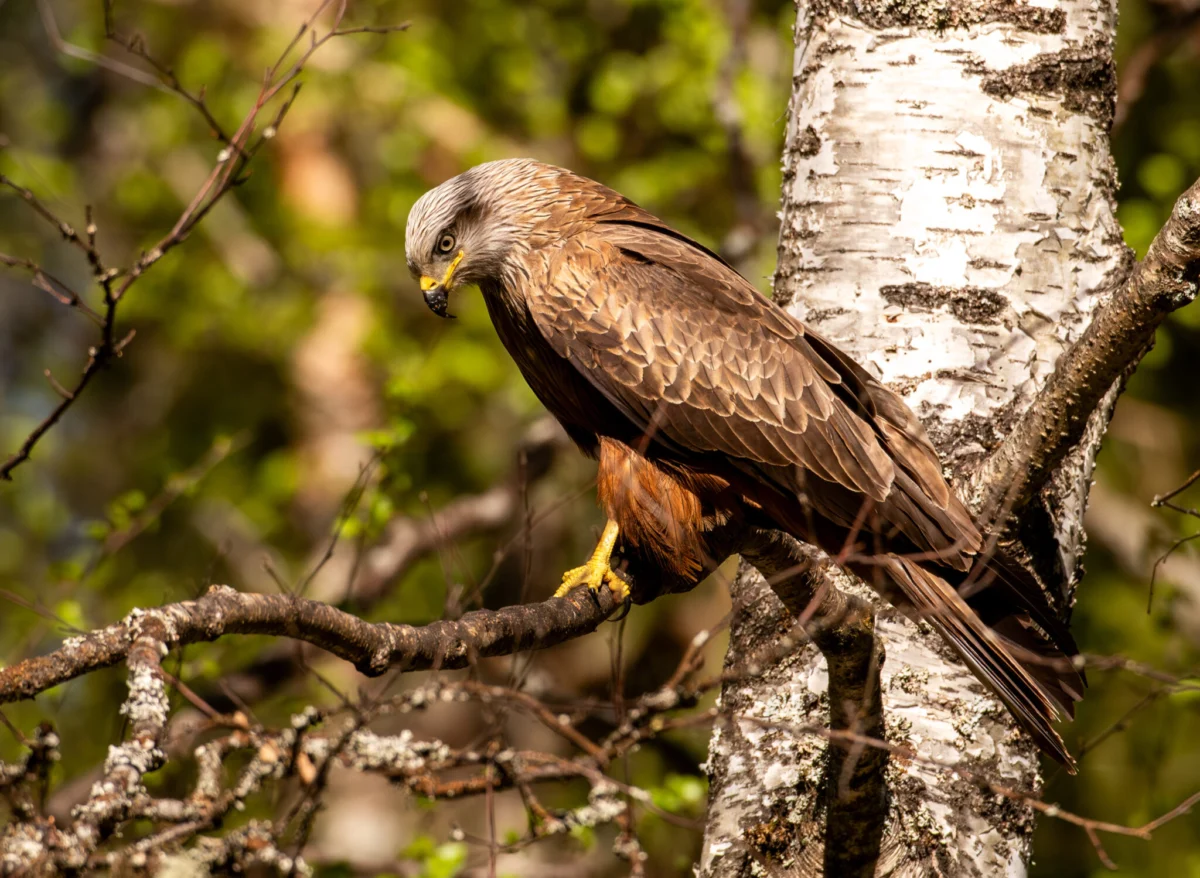
The Red Kite (Milvus milvus) is one of nature’s most refined aeronauts. Its name, derived from the distinctive forked tail—a feature it manipulates with surgical precision during high-speed dives and intricate aerial maneuvers—tells only part of the story. To witness a Red Kite in flight is to see a masterclass in aerodynamics; a bird that turns the sky into a canvas of agility and grace.
Main Facts: The Anatomy of an Aerial Specialist
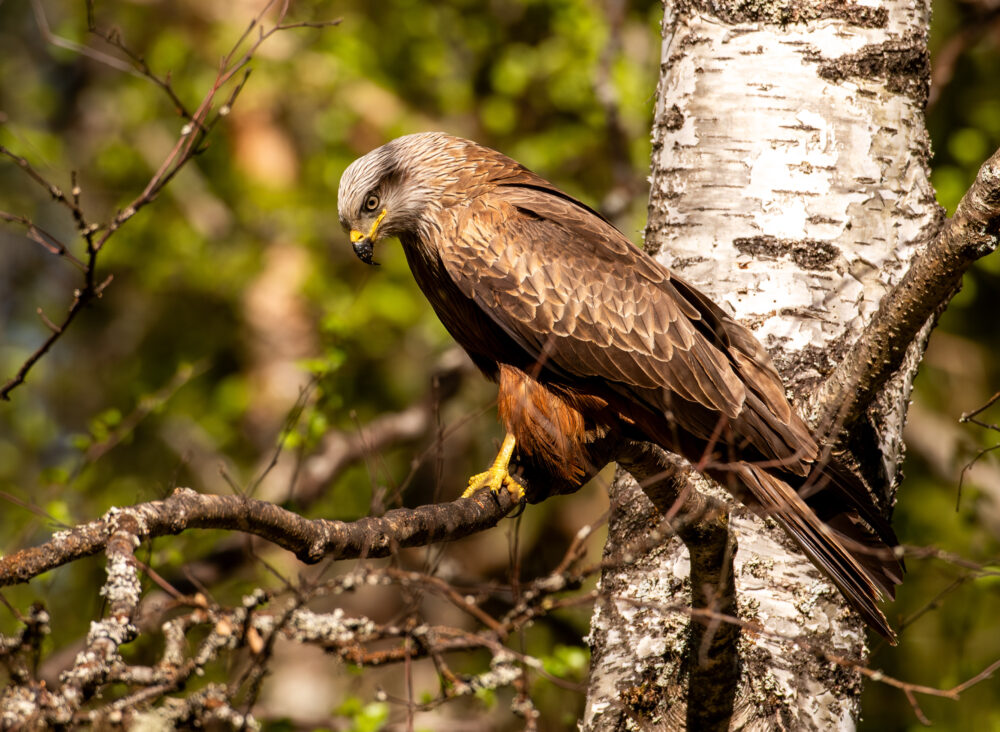
The Red Kite is a medium-to-large bird of prey, possessing an appearance that often invites comparisons to a small eagle. Its physical silhouette is defined by long, slender wings and a deeply cleft, or "forked," tail. While it commands a significant wingspan, it carries itself with a lightness that defies its size.
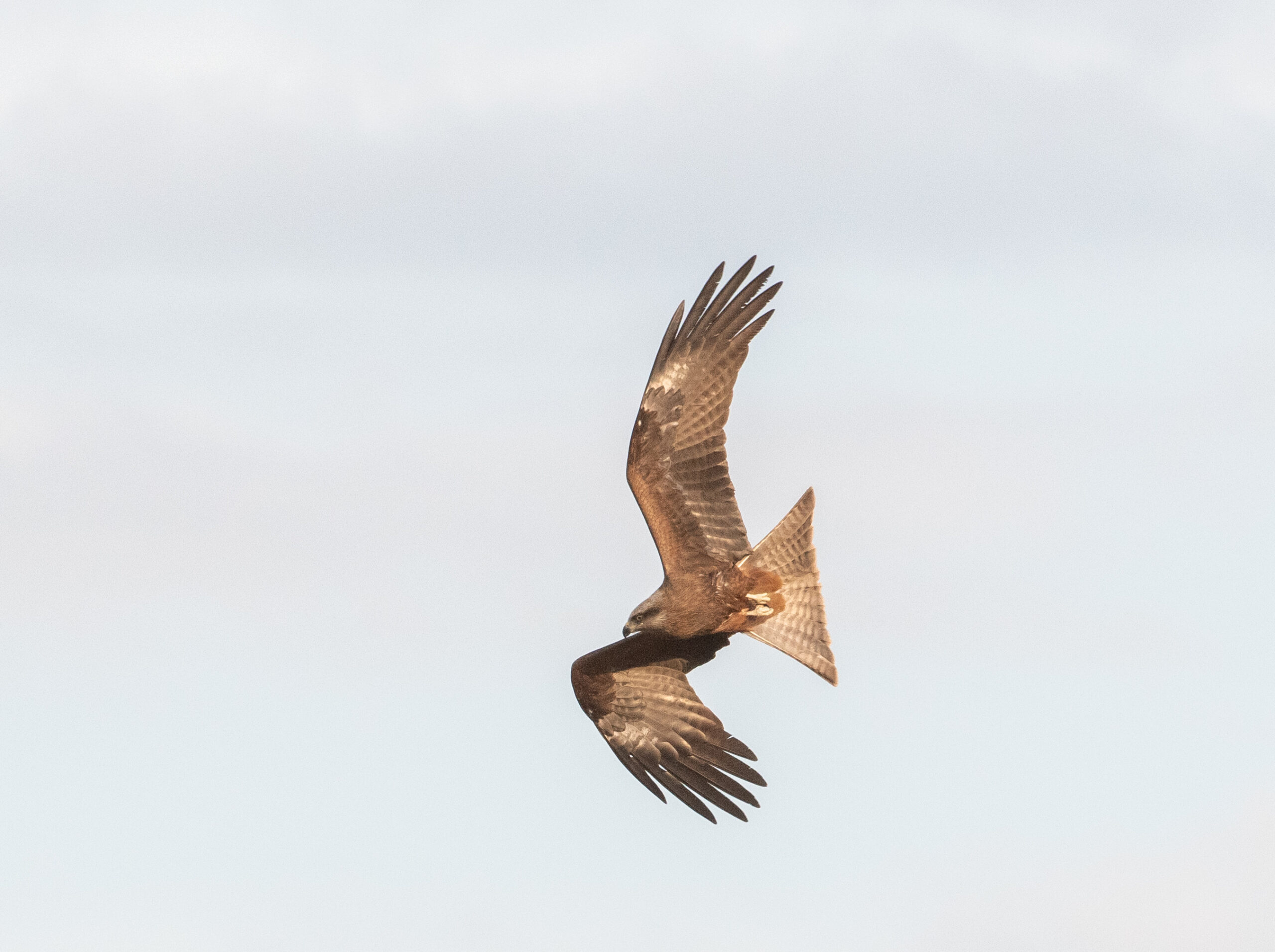
The bird’s plumage is a sophisticated tapestry of browns, russets, and subtle streaks, providing it with a camouflaged yet regal aesthetic. However, it is the bird’s maneuverability that truly sets it apart. While other raptors may appear heavy or labored in their flight paths, the Red Kite is a model of fluidity. It can shift direction with startling abruptness, using its tail as a rudder to navigate turbulent air or to execute sharp, sudden turns. In these aerial displays, the kite makes many other raptors appear clumsy by comparison.
Its foraging behavior is equally remarkable. Often described as a "master snatcher," the Red Kite can emerge seemingly from thin air, diving with powerful, sweeping motions toward the ground. It is capable of plucking a morsel of food—such as a piece of fish—from the surface with its talons at full speed, without ever losing momentum.
Chronology: Seasonal Encounters in the Wild
In our observations during the 2026 season, the Red Kite has emerged as a recurring, if elusive, subject. Its appearances have often coincided with our monitoring of larger predators, such as the wolverine.
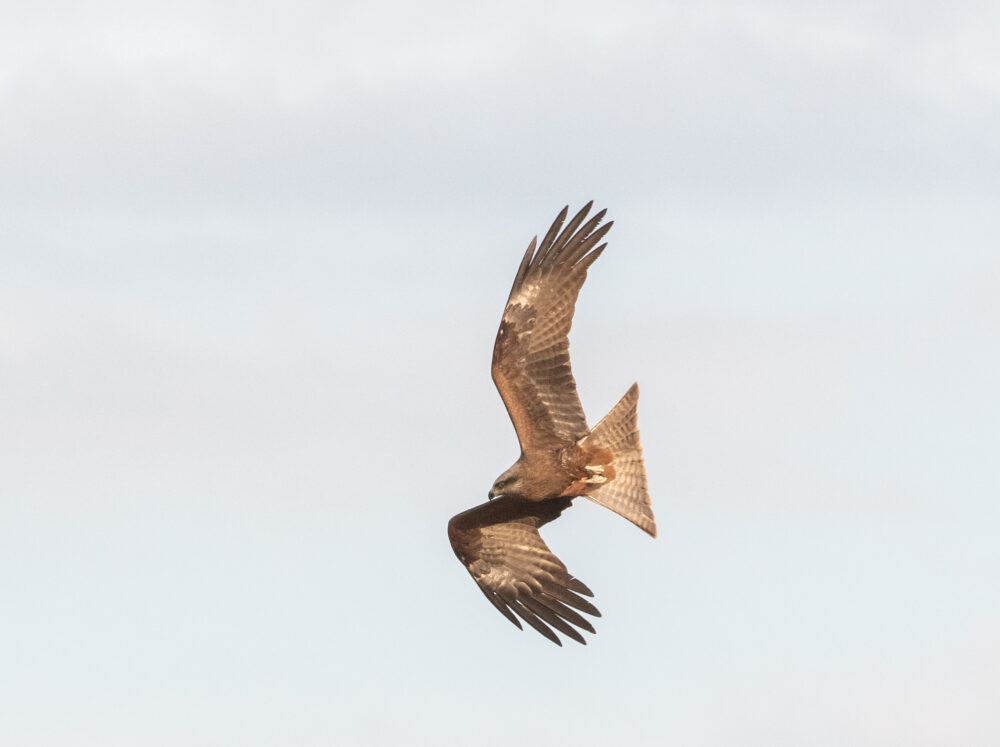
- May 2026: Initial sightings were recorded in the landscapes surrounding our predator-watching hides. The Red Kite, often thought to be a rare visitor in these northern latitudes, made its presence known during the spring thaw, scouting the vicinity of feeding sites.
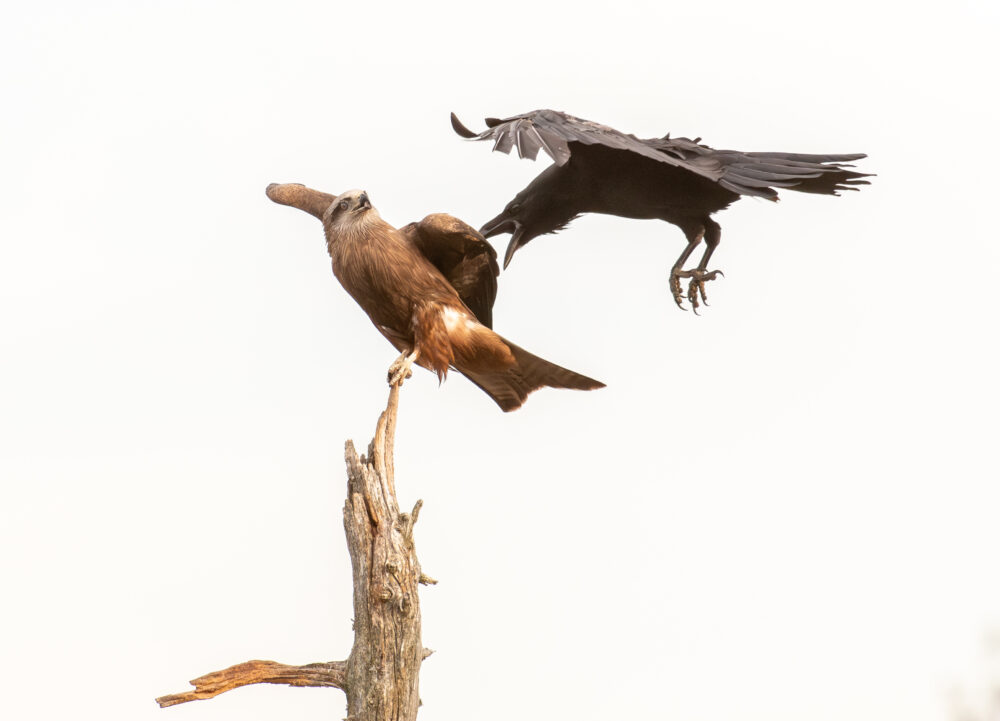
- June 2026: Throughout the early summer, the kite’s behavior became more predictable, with frequent sorties near the hides. It demonstrated a high degree of comfort around carrion, competing with ravens and other opportunistic scavengers.
- August 2026: As the season progresses, the likelihood of spotting these birds increases. They are particularly active during these months, taking advantage of the abundance of food sources, including the remnants left by other predators.
The juxtaposition of the Red Kite with larger carnivores like the wolverine or wolf provides a fascinating study in niche exploitation. While the larger mammals dominate the primary kill, the kite acts as an agile specialist, cleaning up the periphery and engaging in a "hit-and-run" style of feeding that avoids direct conflict with more powerful rivals.
Supporting Data: Distribution and Global Presence
The Red Kite boasts an impressive, albeit fragmented, global distribution. Its range spans across much of Europe, parts of Asia, and pockets of Northern Africa. This vast geographic footprint has naturally led to the development of several distinct subspecies, each adapted to their local environments.
One notable relative is the Black Kite (Milvus migrans), though the Red Kite remains distinct through its plumage and, crucially, the depth of its tail fork. In regions such as the United Kingdom or parts of Central Europe, the Red Kite has become a fixture of both rural landscapes and, increasingly, urban fringes. In some parts of the world, they have been observed scavenging near landfills or following mass migrations of insects, such as locusts, demonstrating an adaptability that is rare among raptors.
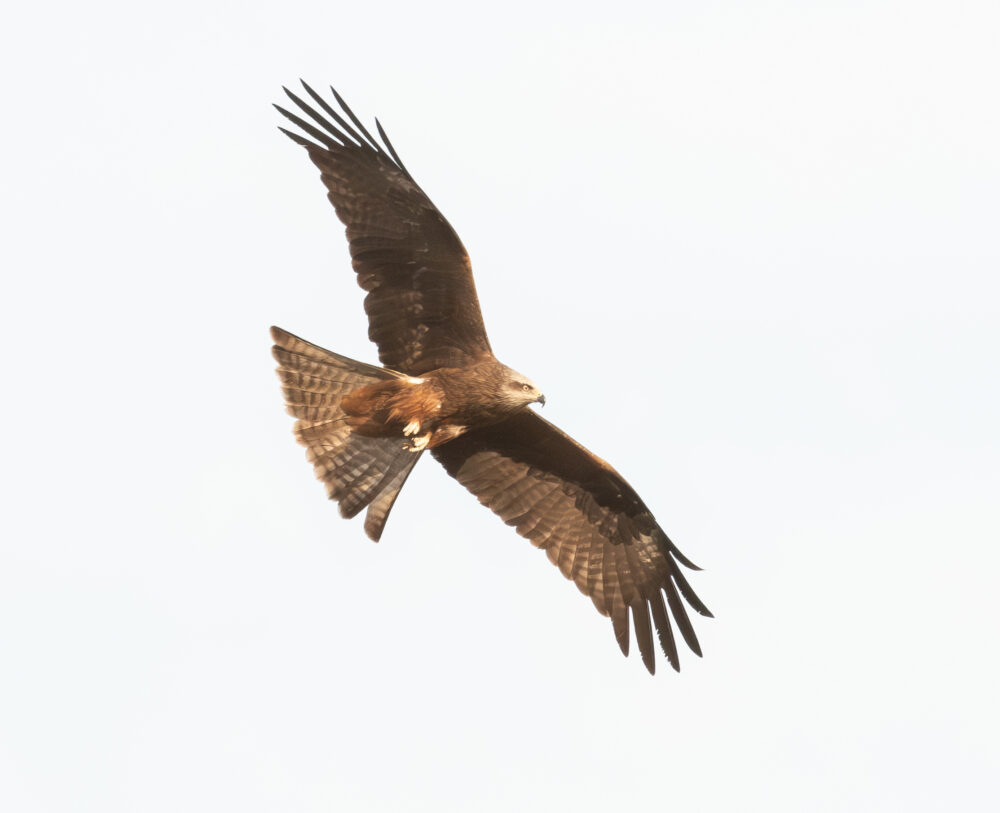
In Finland, however, the story is different. The species is currently classified as a rare breeder, with an estimated population of only 10 to 25 breeding pairs. The individuals seen throughout the year are often migratory visitors or nomadic wanderers seeking new territory. For Finnish ornithologists and nature enthusiasts, every sighting is a significant event, highlighting the species’ fragile foothold in the northernmost reaches of its range.
Official Observations and Behavioral Insights
One of the most peculiar and rarely documented behaviors of the Red Kite is its tendency to consume prey while still in mid-air. Observations from our hide revealed that the bird, after snatching a piece of carrion, will often tuck its talons close to its body, rotating its head and neck with remarkable flexibility. This allows it to tear off bite-sized pieces from the prey clutched in its feet while continuing to soar.
Why engage in such a taxing physical feat? The theory is one of tactical survival. By consuming its meal on the wing, the Red Kite avoids the ground-level "gauntlet." At a carrion site, the presence of more aggressive competitors—such as ravens, eagles, or mammals—makes landing a risky proposition. By staying airborne, the kite maintains its defensive advantage, keeping itself out of reach of those who would challenge its claim to the meal.
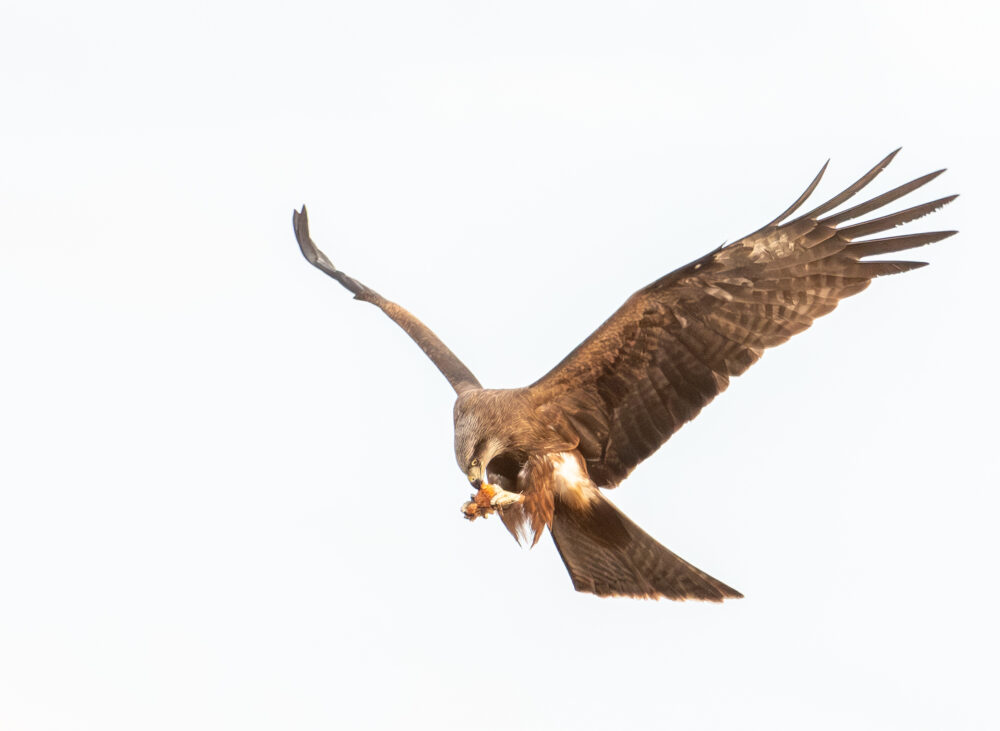
This "aerial dining" is not just a display of skill; it is a vital survival mechanism in a competitive ecosystem. As one of our photos captures, a Red Kite skillfully evades an encroaching raven, demonstrating that even when outnumbered, the kite’s mastery of the air remains its greatest asset.
Implications for Conservation and Biodiversity
The presence of the Red Kite in the Finnish landscape is a bellwether for the health of our raptor populations. As a scavenger and opportunistic predator, the Red Kite relies on a landscape that provides both natural prey and sufficient carrion.
Strengthening the Population
If the Red Kite were to become more abundant in Finland, it would represent a significant enrichment of our biodiversity. Current conservation efforts are focused on habitat preservation, particularly in areas where these birds have historically nested. Protecting these nesting sites from disturbance is paramount.
The Role of Supplemental Feeding
There has been considerable debate regarding the impact of supplemental feeding (such as carrion provided for nature photography). While critics argue it may alter natural behavior, proponents—including many in the research community—suggest that in areas where natural food sources are depleted, these sites provide a lifeline for struggling species. The Red Kite, being an intelligent and adaptable bird, has learned to utilize these resources effectively, allowing researchers to gather data that would otherwise be impossible to collect.
Future Outlook
As we look toward the future, the survival of the Red Kite in Northern Europe depends on our ability to maintain a balanced, wild landscape. Their reliance on large, open spaces for hunting and their sensitivity to human interference in nesting zones require a cautious and informed approach to land management.
For those of us who spend our days in the quiet of the forest, watching a Red Kite drift effortlessly against the wind, the bird represents more than just a species to be counted; it represents the resilience of nature. It is a reminder that even in the face of climate shifts and habitat loss, there are still creatures that command the sky with an elegance that demands our respect and protection.
As we continue to monitor the 2026 season, we hope that these "masters of the air" will continue to grace our horizons, serving as a testament to the wild beauty that persists in the hidden corners of the world. Through continued research, photography, and public awareness, we can ensure that the forked tail of the Red Kite remains a permanent fixture of our skies for generations to come.