East Africa is a land defined by the violent, creative forces of the earth. From the Great Rift Valley’s jagged edges to the snow-capped volcanic summits that pierce the clouds, the region offers more than just the standard safari experience. It offers a portal into the planet’s raw geological history. For the modern traveler, East Africa has evolved into the global epicenter of ecotourism—a movement that seeks to marry high-adventure exploration with environmental conservation and the socio-economic empowerment of local communities.
Main Facts: The Volcanic Spine of East Africa
The East African Rift is not merely a geological feature; it is a catalyst for the continent’s biodiversity. Countries like Tanzania, Rwanda, Kenya, and Uganda sit atop this volcanic powerhouse, creating a landscape that ranges from the towering peaks of Mount Kilimanjaro and Mount Meru to the lush, primate-rich slopes of Volcanoes National Park in Rwanda.
Ecotourism, by definition, requires more than just visiting a park; it necessitates a commitment to traveling responsibly. This involves minimizing one’s carbon footprint, supporting local conservation efforts, and ensuring that tourist dollars directly benefit the indigenous populations who have stewarded these lands for millennia. Whether it is a private expedition to the roof of Africa or a trekking journey through the cloud forests of the Virunga Mountains, these experiences are designed to leave the environment better than they found it.
Chronology: From Ancient Landscapes to Modern Expedition Planning
The history of East African tourism has shifted from the “big game hunting” era of the early 20th century to the conservation-led ethos of the 21st.
- The Early Geological Era: Millions of years ago, tectonic plate movements created the Eastern Arc Mountains and the Great Rift Valley, setting the stage for the unique ecosystems that thrive today.
- Mid-20th Century: The establishment of protected areas, such as the Ngorongoro Conservation Area and Volcanoes National Park, paved the way for modern wildlife management.
- The Ecotourism Shift (2000s–Present): Travel shifted toward immersive experiences. Travelers began prioritizing "slow travel"—8 to 14-day itineraries that include cultural immersion with the Maasai, walking safaris in the Ngorongoro highlands, and high-altitude trekking.
- The Current Era: Digital platforms, such as Kilimanjaro Tanzanite Safaris DMC, now coordinate seamless transitions between these disparate volcanic landscapes, allowing tourists to combine, for example, a Kilimanjaro ascent with a Rwandan gorilla tracking permit.
Supporting Data: Mapping the Ecotourism Hotspots
To understand the scale of the region’s offerings, one must look at the diversity of its terrain.
The Tanzanian Volcanic Corridor
Tanzania remains the jewel of East African ecotourism. The Ngorongoro Highlands serve as a crucial acclimatization zone for those preparing to tackle the 5,895-meter ascent of Mount Kilimanjaro. Within this conservation area, visitors explore the Olmoti and Empakai craters—geological marvels that offer walking safaris far removed from the dust of tourist vehicles.
The Primate Kingdoms of Rwanda and Uganda
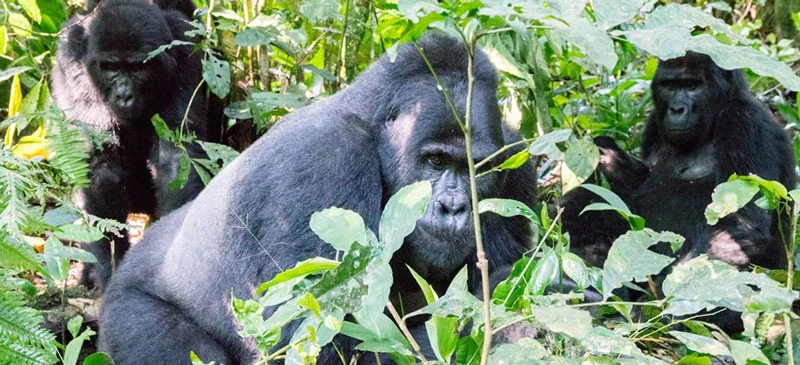
Volcanoes National Park in Rwanda is the gold standard for primate ecotourism. Unlike traditional safaris, where wildlife is viewed from a distance, gorilla tracking is an intimate, forest-floor experience. As highlighted by Travel and Leisure magazine, the logistical precision required to protect these habitats is immense, with strict limits on daily visitor numbers to ensure the well-being of the gorillas.
The Southern Circuit
While the north receives the bulk of the attention, Tanzania’s Southern Circuit—specifically the Udzungwa Mountains—offers a quieter, more rugged experience. Here, hiking and chimpanzee trekking in Gombe provide a glimpse into the wilder, less commercialized side of East African nature.
Official Responses and Conservation Philosophy
Conservationists and local governments have adopted a unified stance: tourism must fund the protection of the land.
"Ecotourism is not a luxury; it is a necessity for the survival of our ecosystems," says a representative from the regional tourism boards. By visiting Maasai Bomas and engaging in cultural tourism, travelers provide an alternative revenue stream to the Maasai people, reducing the pressure to utilize protected lands for unsustainable cattle grazing or poaching.
The philosophy is simple: when the local community thrives, the wildlife thrives. This is why booking through reputable operators like Kilimanjaro Tanzanite Safaris DMC is critical. These operators vet "eco-lodges" and tented camps to ensure they meet international sustainability standards, such as water recycling, waste management, and the hiring of local staff.
Implications: The Future of the Safari
The implications of this travel model are far-reaching. By choosing a multi-day package that combines the "Big Five" wildlife safaris with cultural visits and volcanic trekking, travelers contribute to a broader economic ecosystem.
The Economic Impact
When a traveler books an 8-day Lemosho route trek or a 4-day Rwanda gorilla tour, the funds are distributed across a wide network:
- Park Fees: Directly support anti-poaching units and scientific research.
- Guide and Porter Welfare: Direct investment in the local workforce.
- Community Projects: Funding for schools and clinics in the villages surrounding the national parks.
The Environmental Challenge
The rise of "volcano tourism" brings its own challenges. Increased foot traffic on sensitive volcanic slopes can cause soil erosion. Consequently, the industry is moving toward "leave-no-trace" expeditions. Mountaineers on Kilimanjaro are now strictly monitored, and the implementation of private, high-quality gear and expert-led logistics has minimized the physical impact of these expeditions.
Designing the Perfect Itinerary
For the traveler looking to maximize their impact and their experience, the "combo tour" is the current industry benchmark.
Why Combine Tanzania and Rwanda?
A trip that bridges the Serengeti’s vast plains with the misty, high-altitude jungles of Rwanda’s volcanoes offers a complete biological narrative of East Africa.
- The Serengeti: Witness the Great Migration, the ultimate spectacle of herbivore movement.
- Ngorongoro: Explore the caldera and immerse yourself in the living culture of the Maasai.
- Volcanoes National Park: Conclude with the spiritual experience of encountering mountain gorillas in their natural habitat.
Planning Your Expedition
Travelers should seek itineraries that offer flexibility. Whether it is a 9-day trek through the ice fields of the Southern and Northern Kilimanjaro glaciers or a shorter, culture-heavy excursion in Rwanda, the focus must remain on the quality of the interaction rather than the quantity of the miles covered.
Conclusion: A Call to Responsible Adventure
East Africa’s volcanic landscapes offer more than just a photograph; they offer a profound realization of our place in the natural world. As the industry continues to mature, the responsibility lies with the traveler to choose paths that prioritize conservation and community equity.
By engaging with the environment through expert-led, ethical tourism, you are not just a spectator; you are a participant in the ongoing preservation of the earth’s most spectacular geological wonders. Whether you are walking the crater floor at Empakai or staring into the eyes of a silverback gorilla in the Virunga mist, you are helping to ensure that these wonders remain for generations to come.
For those ready to embark on their journey, detailed information on itineraries, conservation-focused logistics, and booking inquiries can be found through authorized regional operators dedicated to sustainable African travel.