Mount Kilimanjaro, the "Roof of Africa," stands as a sentinel over the Tanzanian plains, beckoning thousands of adventurers each year. Among the various paths to the 5,895-meter Uhuru Peak, the Lemosho route has emerged as the premier choice for trekkers seeking a blend of high success rates, pristine wilderness, and authentic ecotourism. Operated by specialized local experts like Kilimanjaro Tanzanite Safaris, the Lemosho trail is increasingly recognized for its superior acclimatization profile and breathtaking photographic opportunities.
Main Facts: The Appeal of Lemosho
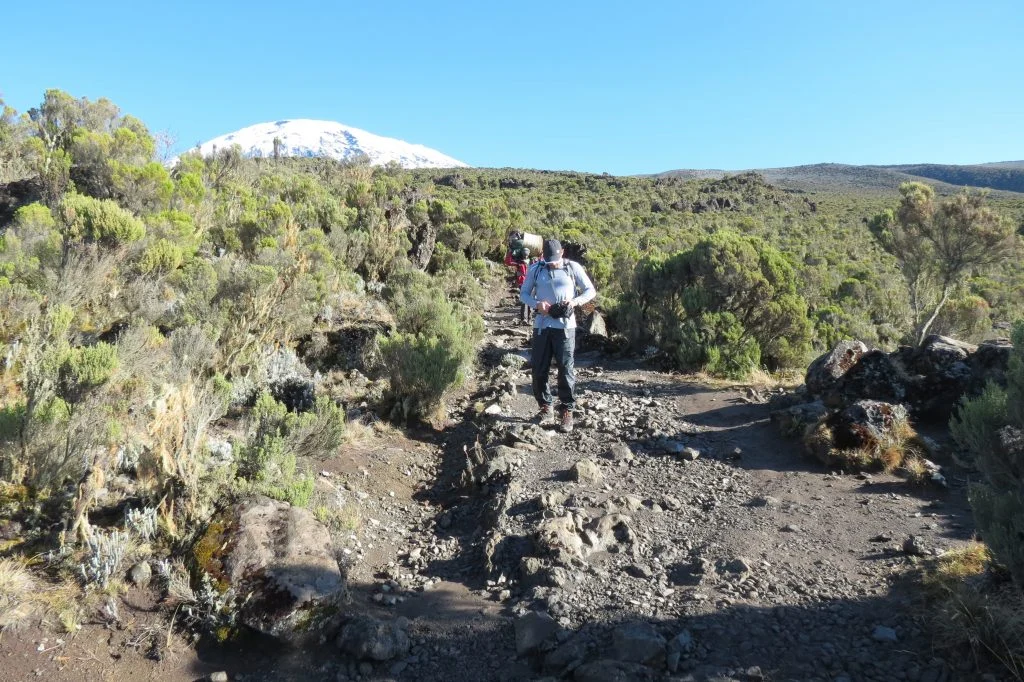
The Lemosho route is widely considered the most scenic path up the mountain. Unlike the more crowded trails on the eastern side, Lemosho approaches from the west, beginning at the Londorosi Gate. This path is renowned for its low traffic, allowing trekkers to experience the mountain’s changing ecosystems—from lush rainforests to the desolate beauty of the alpine desert—without the congestion found on other routes.
The primary advantage of Lemosho, however, is its physiological profile. By design, the route provides a slow, steady ascent that is critical for altitude acclimatization. While a seven-day itinerary is common, industry experts and seasoned guides increasingly recommend the eight-day expedition. The extra day allows the body to adapt to thinning oxygen levels more effectively, which statistically correlates with a significantly higher summit success rate.
Chronology: The Eight-Day Journey to the Roof of Africa
A typical, well-structured Lemosho itinerary is a masterclass in progressive elevation gain. Below is the standard trajectory for an eight-day adventure:
The Opening Phase: Rainforest to Moorland
- Day 1: Londorosi Gate to Mti Mkubwa: After a drive from Moshi or Arusha, trekkers arrive at the gate. The trail winds through dense forest, leading to the "Big Tree" (Mti Mkubwa) campsite.
- Day 2: Shira Ridge to Shira 1: The trek transitions into giant heather moorland. The trail gains the Shira Ridge at 3,600 meters before dipping into the Shira Plateau, a stark, volcanic landscape.
- Day 3: Shira Plateau Exploration: This day is vital for acclimatization. A gentle walk leads to Shira 2 camp. The plateau offers numerous side treks, allowing climbers to "climb high and sleep low."
The Middle Phase: The Alpine Desert
- Day 4: Lava Tower and Barranco: The route turns east toward the Kibo massif. Climbers pass the iconic Lava Tower before descending into the dramatic Barranco Valley, surrounded by towering cliffs.
- Day 5: The Karanga Pivot: For the eight-day itinerary, this is the pivotal day. Instead of pushing straight to base camp, trekkers spend the night at Karanga Camp (4,000m). This additional night is the "secret weapon" for success, offering the body precious time to stabilize before the final push.
The Final Push: Summit and Descent
- Day 6: The Barafu Ascent: A steep climb out of the Karanga Valley leads to Barafu Hut (4,600m). Climbers rest early, preparing for the midnight departure.
- Day 7: The Uhuru Summit: Starting in the dark, climbers navigate the crater rim between the Rebmann and Ratzel Glaciers. Reaching Uhuru Peak at dawn is a transformative experience, offering views of the Mawenzi peak and the Meru plains. The descent then begins, passing back through Barafu and ending at the Mweka Hut in the forest zone.
- Day 8: The Final Descent: A short walk through the lush forest leads back to the park gate, where transport awaits to return climbers to civilization.
Supporting Data: Why Ecotourism Matters
For mountaineers, Kilimanjaro is not just a physical challenge; it is an ecological treasure. The Lemosho route is particularly noted for its biodiversity. Trekkers pass through the Shira Plateau—a UNESCO World Heritage site—and encounter unique flora such as the giant lobelia and the senecio tree.
Kilimanjaro Tanzanite Safaris, a Destination Management Company (DMC) with extensive experience in the region, emphasizes that ethical trekking is paramount. By choosing operators that prioritize local labor, fair wages for porters, and Leave No Trace principles, tourists contribute directly to the economic sustainability of the Chagga and other local communities. Whether it is an educational program, a student expedition, or a professional photographic safari, the Lemosho route serves as an outdoor classroom for environmental conservation.
Official Responses and Safety Protocols
Safety on Kilimanjaro is non-negotiable. Modern, reputable operators have standardized their safety equipment to include:
- Emergency Oxygen: Portable tanks for altitude-related distress.
- Pulse Oximeters: Used daily by guides to monitor blood oxygen saturation levels in every trekker.
- AMREF Flying Doctor Coverage: Ensuring that in the event of a medical emergency, rapid evacuation to professional medical facilities is available.
Regarding costs, the price of an eight-day Lemosho expedition is higher than a seven-day trip, reflecting the added cost of park fees, extra provisions, and the extended labor of the support crew. However, when viewed as an investment in success and safety, the cost-to-value ratio is substantially higher for the longer itinerary.
Implications for Future Mountaineers
As global interest in "bucket list" travel continues to rise, the pressure on Kilimanjaro’s infrastructure increases. The move toward longer, more sustainable routes like Lemosho or the Northern Circuit (nine days) is a positive trend. These routes distribute the human footprint more evenly across the mountain and, more importantly, ensure that trekkers are not rushed.
For those planning their ascent, the selection of an operator is the most important decision. A DMC like Kilimanjaro Tanzanite Safaris provides more than just a guide; they offer a comprehensive logistics network that includes airport transfers, government-sanctioned park fee management, and the coordination of specialized support staff.
Essential Planning Tips:
- Preparation is Key: Start physical training months in advance, focusing on aerobic fitness and leg strength.
- Acclimatization: Do not cut corners. If your schedule allows for eight days instead of seven, take the extra day. Your summit success depends on it.
- Gear Rental: While technical gear like ice axes is rarely needed for the standard route, specialized high-altitude clothing is essential. Local operators offer rental services for those who do not wish to transport heavy equipment.
- Support Local: Engaging with local operators directly ensures that your tourism dollars remain within the Tanzanian economy, supporting the very people who make the ascent possible.
Conclusion
The Lemosho route remains a masterpiece of mountain trekking. By balancing the rigors of high-altitude climbing with the grace of the Tanzanian wilderness, it offers a transformative experience that few other mountains can replicate. Whether you are a professional photographer seeking the perfect shot of the Eastern Icefields or an adventure seeker testing your physical limits, Lemosho provides the environment, the support, and the time required to stand atop the Roof of Africa with confidence.
As you plan your journey, remember that the mountain is a living ecosystem. By choosing the Lemosho route and engaging with reputable, locally-rooted tour operators, you are not just embarking on a climb—you are participating in a legacy of conservation and adventure that defines the spirit of Kilimanjaro. For those ready to begin, the path is open, the air is thin, and the view from the summit is waiting.