For decades, popular culture has painted the piranha as a relentless, bone-stripping predator of the Amazon, capable of reducing a swimmer to a skeleton in seconds. Hollywood blockbusters and sensationalist documentaries have cemented this fearsome reputation, turning the fish into an icon of terror. However, for the indigenous communities and local populations across the South American river basins, the piranha is not a monster—it is a staple, a source of protein, and a legitimate culinary delicacy.
The Culinary Reality: What Is It Like to Eat Piranha?
Beyond the razor-sharp teeth and the cinematic notoriety lies a fish that is surprisingly standard in its nutritional profile. When properly prepared, piranha is a firm, white-fleshed fish that offers a clean, mild flavor profile similar to other freshwater species like trout or bass.
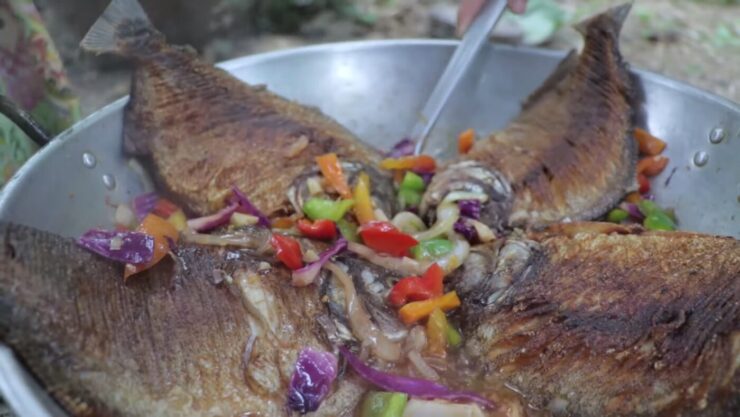
However, the experience of eating piranha is distinct from eating a filet of salmon or cod. The primary challenge for the diner is the bone structure. Piranhas are notoriously bony, a characteristic that often dictates how the fish is prepared. Because deboning a small piranha is a tedious and often impractical task, the most common methods of preparation—frying, grilling, and stewing—focus on keeping the fish intact. By cooking the fish whole, the flesh can be flaked away from the larger bones, or in the case of soups, the bones can be simmered to extract flavor before being strained out.
Taste and Texture Profile
| Feature | Analysis |
|---|---|
| Flavor | Ranges from mild to moderately fishy, heavily dependent on the water quality. |
| Texture | Firm, white, and flaky; maintains structure well during high-heat cooking. |
| Bone Density | High; requires patience or specific preparation to navigate. |
| Culinary Versatility | Excellent in soups, fried, or grilled over an open flame. |
A Chronology of Consumption: From River to Table
The history of piranha as a food source is as old as the human presence in the Amazon basin. For millennia, indigenous tribes have utilized the abundant river life, with the piranha serving as a reliable, year-round protein source.
In the mid-20th century, as ecotourism and scientific interest in the Amazon surged, the "piranha-eating" experience became a rite of passage for many travelers. Guided fishing trips in countries like Brazil, Peru, and Bolivia began including "catch-and-cook" components in their itineraries. This shift moved the piranha from a localized, subsistence food to a novelty experience for international visitors. Today, the consumption of piranha follows a predictable trajectory in these regions: the catch is pulled from the water using simple hand lines, cleaned immediately by skilled guides, and typically consumed within hours of the catch, ensuring the highest level of freshness.
Supporting Data: Safety, Contamination, and Preparation
While the piranha itself is not poisonous, it is subject to the same environmental variables as any other wild-caught freshwater fish. The primary health considerations for potential consumers involve the water quality of the habitat and the subsequent handling of the fish.
Water Quality and Mercury Concerns
In many parts of the Amazon, gold mining and other industrial activities have led to concerns regarding mercury contamination in river systems. The Environmental Protection Agency (EPA) and various global health organizations emphasize that local fish consumption advisories are the most accurate source of information for any specific waterway. Before consuming piranha caught in the wild, it is essential to consult with local authorities or knowledgeable guides regarding the safety of the specific river segment.
Handling and Parasites
Like all wild-caught game, piranha must be handled with hygiene in mind. The risk of parasites and bacterial growth exists if the fish is not gutted promptly or if the cold chain is broken. To mitigate these risks, culinary experts and health agencies recommend:
- Immediate Gutting: Removing the viscera as soon as the fish is caught to prevent spoilage.
- Thermal Processing: Ensuring the internal temperature of the fish reaches at least 145°F (63°C). The meat should be opaque and flake easily when tested with a fork.
- Avoidance of Raw Consumption: Unlike some saltwater fish that may be served as sashimi or ceviche, piranha should always be fully cooked to eliminate the risk of waterborne pathogens.
Official Guidance: The Regulatory Landscape
Outside of the South American continent, the legality of catching, buying, or even keeping piranhas is strictly regulated. In the United States, Canada, and much of Europe, piranhas are not considered food fish. Instead, they are often classified under exotic pet or invasive species legislation.
Invasive Species Concerns
The primary reason for these strict regulations is the fear of introduction into native waterways. Piranhas are highly adaptable, and in a temperate or tropical non-native ecosystem, they could theoretically disrupt local biodiversity. Consequently, most countries require specific permits for the importation or possession of live piranha.
The Food and Drug Administration (FDA) provides broad guidelines regarding the consumption of fish, suggesting that consumers always check local state or regional advisories. For those living outside of the fish’s native range, the consensus is clear: do not attempt to source piranha for consumption at home. It is an experience best reserved for reputable, local establishments within its native range.
Implications for Adventurous Eaters
For the traveler, the piranha offers a unique intersection of biology and gastronomy. It forces the diner to confront the reality of the food chain—moving from the role of the hunter (catching the fish) to the gatherer (preparing the meal).
The "Scary" Reputation vs. The Truth
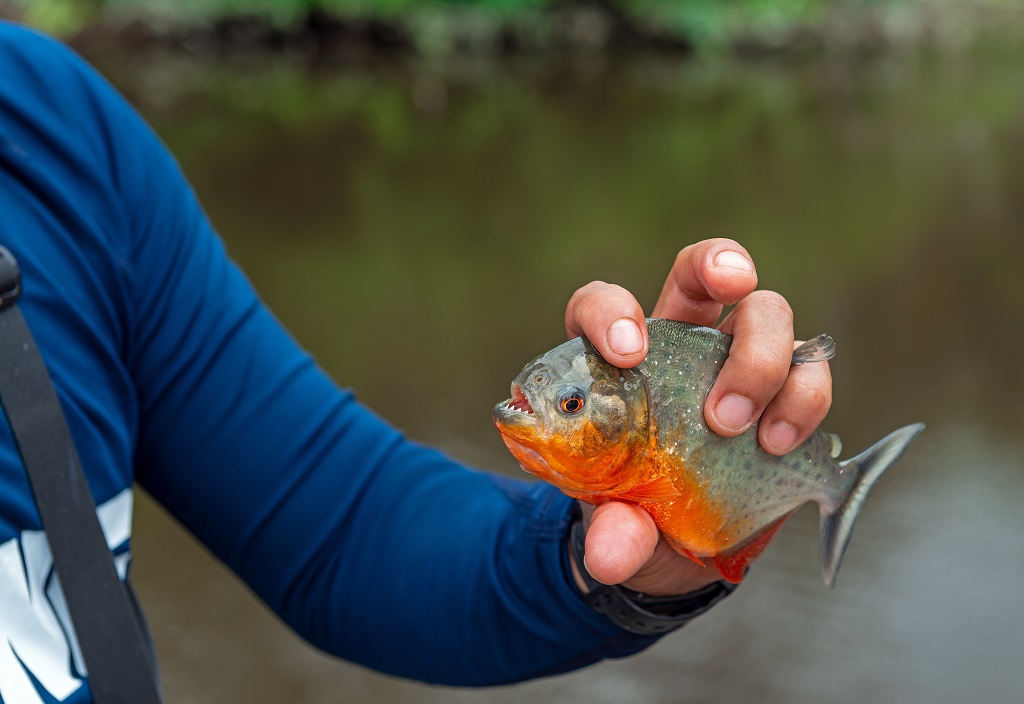
The reputation of the piranha as a "man-eater" is a biological exaggeration. While they do possess formidable teeth and are capable of delivering a painful, deep bite, their behavior is often misunderstood. Many piranha species are, in fact, scavengers or herbivorous, feeding on seeds and plant matter that fall into the water. Most human "attacks" occur due to stressful conditions—such as when water levels in a river drop significantly during a drought, leaving the fish trapped in small, crowded pools with limited food. In these instances, the fish become frantic and defensive.
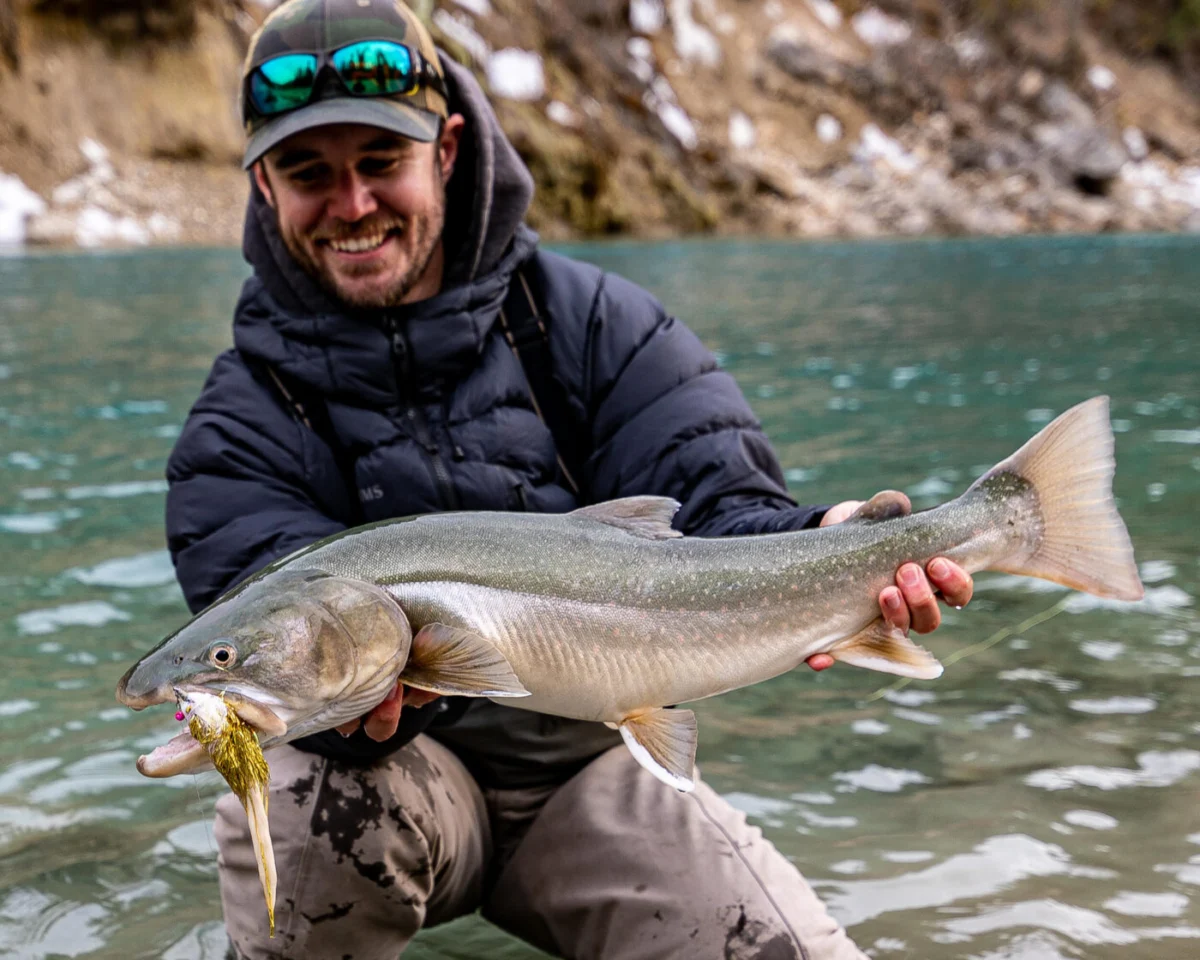
For the average angler, the danger is not being eaten by a school of fish, but rather being bitten while attempting to unhook a specimen. The jaw strength of a piranha is significant, and the teeth are razor-sharp. Using proper tools like needle-nose pliers or specialized hook removers is essential. Never attempt to remove a hook with bare fingers, and always maintain control of the fish, as a flopping, toothy piranha can cause significant lacerations.
Best Practices for the Piranha Cook
If you find yourself in a position to cook piranha, follow these fundamental culinary guidelines to ensure the best experience:
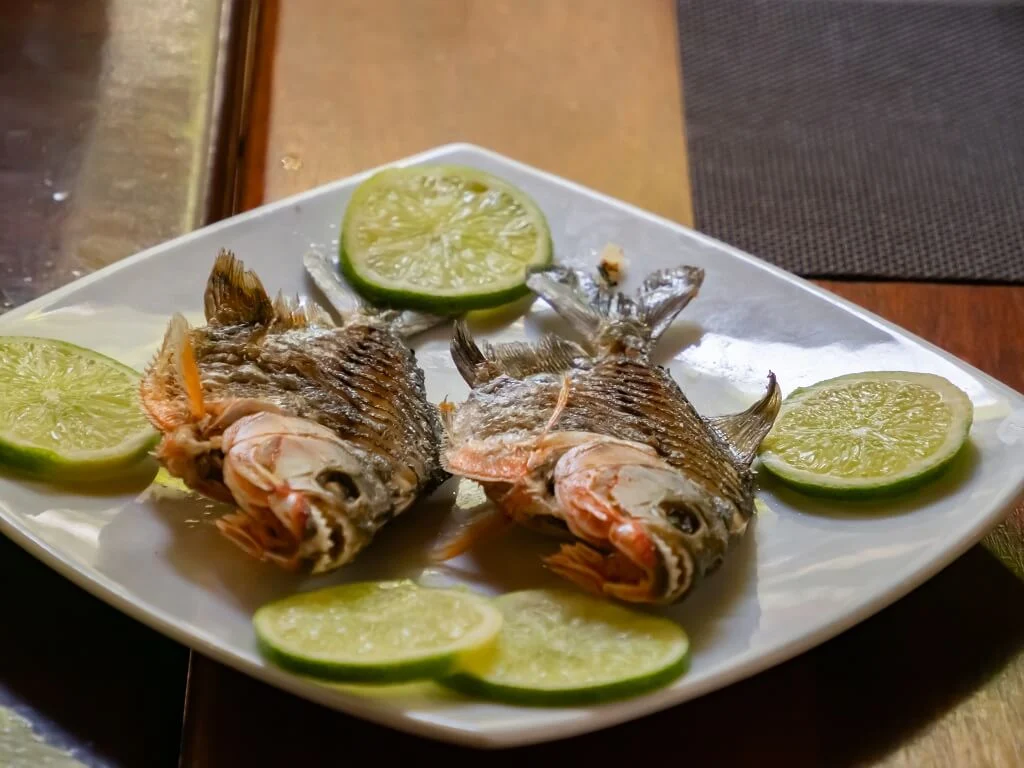
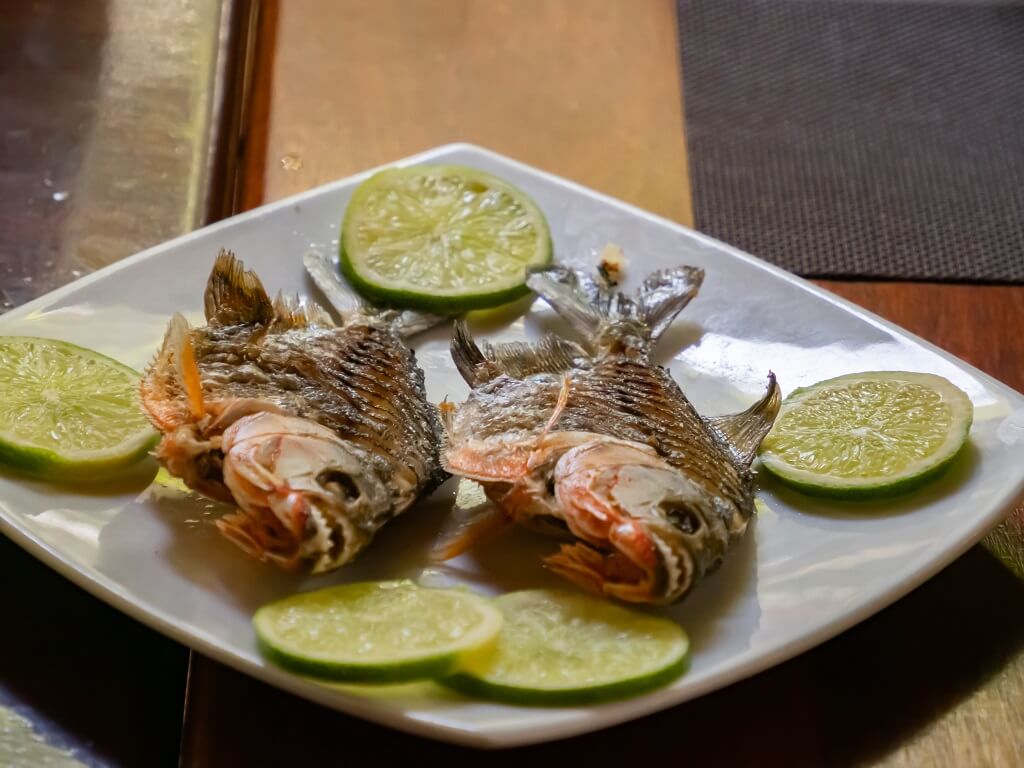
- The Fry Method: This is the most forgiving method. Scoring the skin and frying the whole fish in hot oil creates a crispy exterior that masks the bony texture. It is a traditional way to enjoy the fish in rural Amazonian villages.
- The Soup Method: This is perhaps the most practical way to handle the fish. By simmering the piranha with aromatic vegetables, garlic, and local herbs, the bones are neutralized, and the nutrients from the fish are fully incorporated into the broth.
- Seasoning: Piranha has a neutral, clean flavor. It pairs exceptionally well with bright, acidic ingredients like lime, cilantro, and chili peppers, which help cut through the natural earthiness of the freshwater meat.
Final Thoughts: The Bottom Line
Is piranha worth the effort? For the adventurous eater visiting South America, the answer is a resounding yes. It is a culturally significant food that provides a direct connection to the Amazonian environment. However, it is not a "superfood" that justifies the effort of trying to import or farm it in non-native regions.
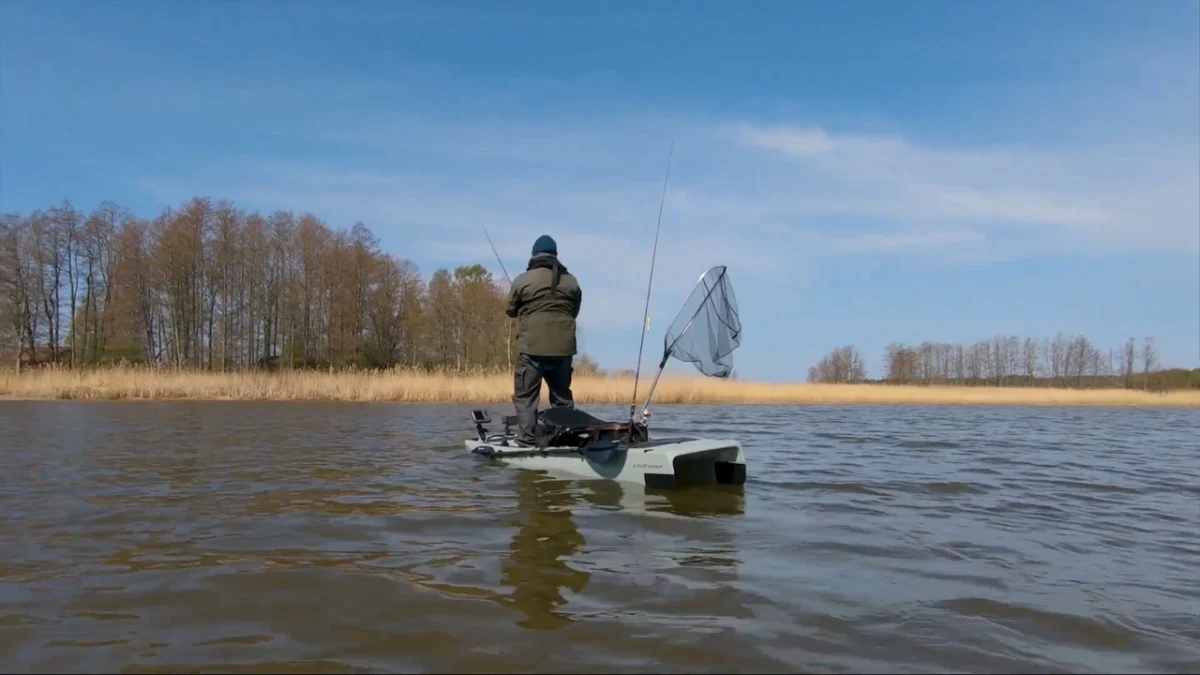
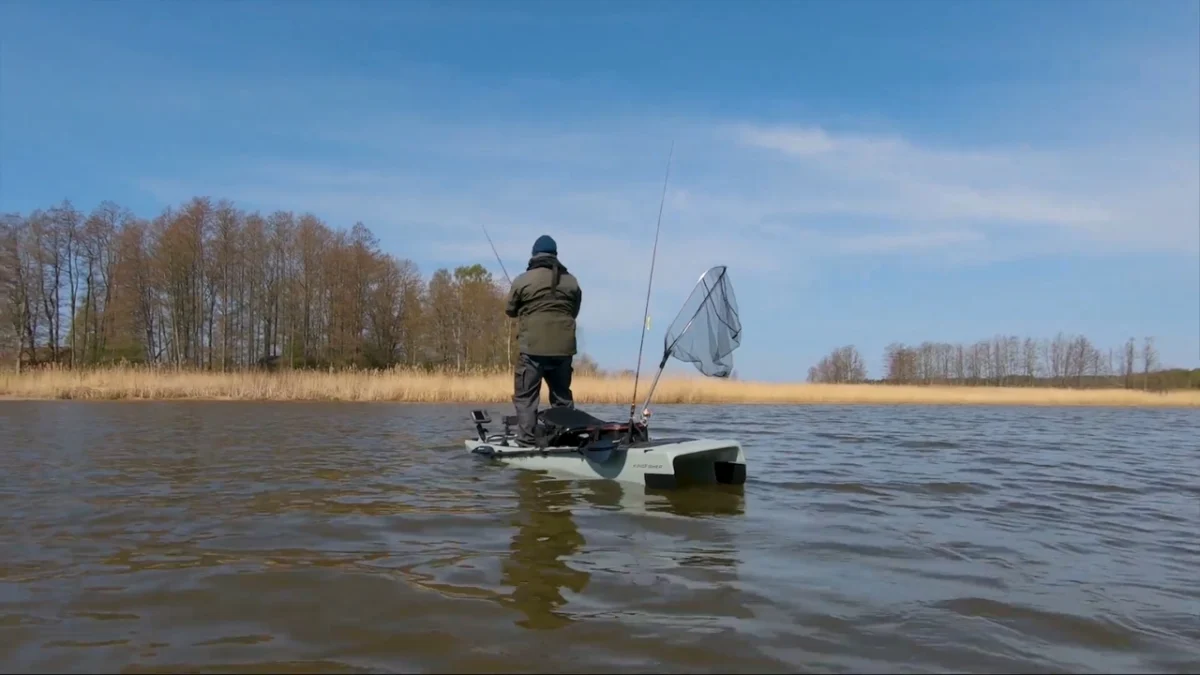
The piranha is a testament to the fact that we often fear what we do not understand. By moving past the myths and respecting the biology and culinary traditions of the Amazon, we can see the piranha for what it truly is: a resilient, versatile, and—when prepared with care—perfectly edible fish. Whether you are fishing from a kayak in a remote tributary or sitting down at a local riverside restaurant, the experience of eating piranha is a reminder that nature is rarely as black and white as the movies would have us believe.
Adelaide Gentry, a seasoned kayaking enthusiast and expert, is the driving force behind the research into river life and sustainable fishing practices. With over a decade of experience navigating the world’s most challenging waterways, she advocates for a respectful, knowledgeable approach to both the environment and the local culinary traditions found along the riverbank.