In a significant move to solidify Finland’s competitive edge on the international stage, the Ministry of Education and Culture has officially confirmed a substantial financial injection into the nation’s winter sports ecosystem. Minister of Sport, Physical Activity, and Youth, Mika Poutala, announced that over half a million euros in individual athlete grants have been awarded to 32 top-tier winter athletes, complemented by a multi-million-euro investment in high-performance training systems.
This strategic funding, decided upon the recommendation of the Finnish Olympic Committee, arrives as the country shifts its focus toward the long-term development of its elite talent pool. By combining individual support with organizational funding, the Finnish government aims to ensure that its athletes possess the resources necessary to compete at the highest echelons of global sport, including the ongoing pursuit of excellence following the 2026 Milano-Cortina Winter Olympics.
A New Era of Financial Security for Elite Athletes
The core of this announcement is the distribution of 552,000 euros in direct athlete grants. The funding is bifurcated into two distinct tiers: 14 athletes will receive 24,000 euros each, while 18 athletes have been granted 12,000 euros each.
These grants are not merely bonuses; they are functional tools designed to provide the financial foundation required for professional, full-time training. In the modern era of winter sports, where marginal gains often separate the podium from the rest of the pack, this stability is crucial. It allows athletes to dedicate their lives to training, recovery, and tactical development without the constant pressure of external financial obligations.
The Shift to Biennial Decisions
One of the most praised aspects of this announcement is the transition to a two-year grant cycle. For years, the Finnish athletic community has lobbied for more predictability in funding. Minister Mika Poutala emphasized that this change was not just administrative, but philosophical.
"The long-standing wish of our athletes for two-year grant decisions has finally been realized," said Minister Poutala. "This shift allows our athletes to commit to their careers in a comprehensive and long-term manner. It removes the annual anxiety of financial uncertainty, allowing them to focus entirely on their performance trajectory leading up to major international championships."
High-Performance Training: Strengthening the Infrastructure
While individual grants provide the personal safety net, the Ministry’s announcement also included a massive 2.3-million-euro boost for "High-Performance Training Intensification" (Huippuvalmennuksen tehostamistuet). This funding is directed at six key winter sports federations.
This money is not intended for athletes’ pockets but for the "machinery" behind them. It is designed to enhance the quality of national team operations, hire world-class coaching staff, upgrade sports science infrastructure, and improve access to elite training facilities. By strengthening the federations, the state ensures that the entire system—from training camps to physiotherapy and tactical analysis—operates at a level consistent with the world’s best sporting nations.
Detailed Breakdown of Athlete Grants
The diversity of the recipients highlights the breadth of Finnish winter sports expertise. From the technical demands of alpine skiing to the stamina required for cross-country skiing and the precision of biathlon, the grant recipients represent a wide spectrum of disciplines.
Alpine Skiing and Freestyle
The alpine and freestyle disciplines received significant support, acknowledging the high costs associated with travel and specialized equipment.
- Alpine: Eduard Hallberg (24k), Nette Kiviranta (24k), and Elian Lehto (12k).
- Freestyle/Freeski: Anni Kärävä (24k), Olli Penttala (24k), Jon Sallinen (24k), and Elias Syrjälä (24k), with Kuura Koivisto and Severi Vierelä receiving 12k each.
Endurance Disciplines: Biathlon and Cross-Country
Endurance sports, which form the backbone of Finnish winter heritage, saw substantial support for both seasoned veterans and rising stars.
- Biathlon: Olli Hiidensalo (24k) leads the group, with Inka Hämäläinen, Arttu Heikkinen, Otto Invenius, and Tero Seppälä receiving 12k grants.
- Cross-Country: Lauri Vuorinen, Arsi Ruuskanen, Jere Inkki Inola, and guide Lauri Inkilä received 24k, while Johanna Matintalo, Vilma Ryytty, and Niko Anttola secured 12k.
Nordic Combined and Ski Jumping
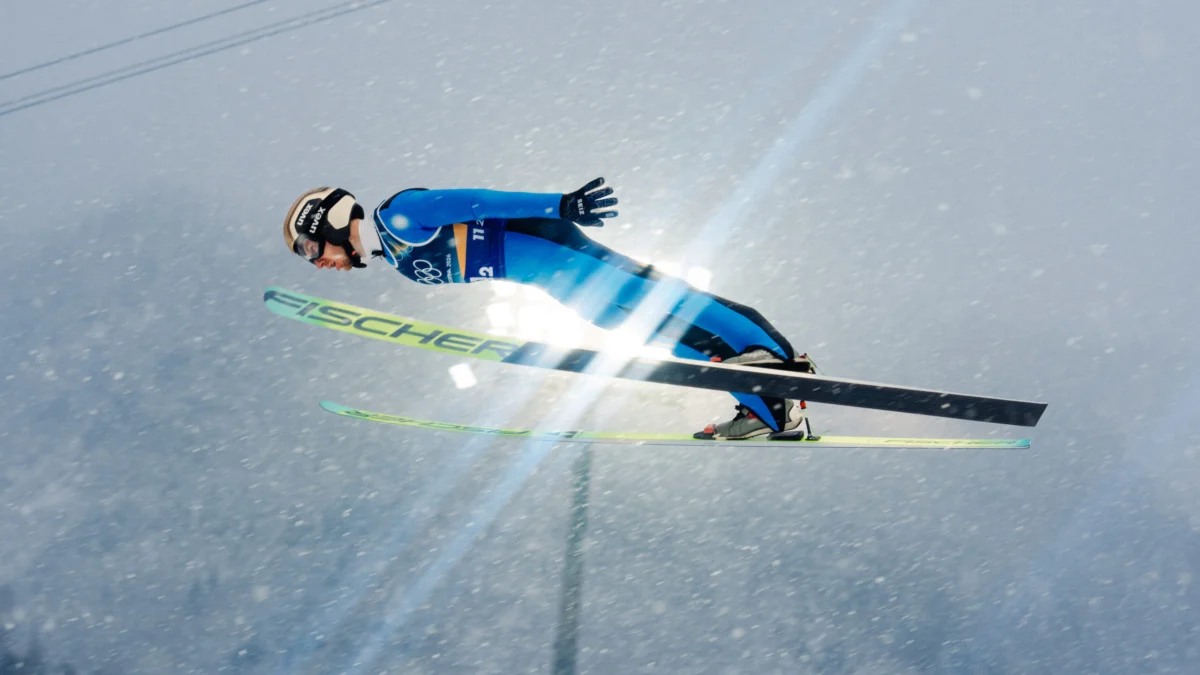
The legendary Finnish spirit in Nordic events continues to be a priority. Ilkka Herola, a stalwart of the Nordic Combined circuit, was among the 24k recipients, joined by Eero Hirvonen and Minja Korhonen. Heta Hirvonen received 12k. In ski jumping, Antti Aalto, Niko Kytösaho, and Jenny Rautionaho each received 12k.
Figure Skating and Snowboarding
The artistic and technical precision of figure skating remains a focus, with Juulia Turkkila, Matthias Versluis, and Iida Karhunen receiving 12k. Erik Jurmu represents the snowboarding contingent with a 12k grant.
Chronology and Strategic Planning
The 2026 calendar year has been a busy one for the Ministry of Education and Culture. The process began earlier in the year when the Ministry confirmed similar grants for 76 athletes in various summer sports, signaling a holistic approach to Finnish sports policy.
The timeline for these decisions follows a rigorous vetting process. The Finnish Olympic Committee acts as the primary evaluator, analyzing performance metrics, potential for future success, and the professional commitment of the athletes. Their recommendations are then submitted to the Ministry, which makes the final administrative determination. This ensures that the process remains transparent, meritocratic, and aligned with the national strategy for high-performance sport.
Implications for the Future of Finnish Sport
The implications of this funding round extend far beyond the bank accounts of the 32 recipients. By providing this stability, the government is essentially setting a "standard of professionalism."
Competitive Parity
In the global landscape, athletes from nations with massive state funding often have an inherent advantage. By providing these grants, Finland is attempting to bridge the "professionalism gap." It allows Finnish athletes to train full-time, putting them on a more level playing field with competitors from countries like Norway, Germany, or Austria, where the state-sponsored athletic system is deeply entrenched.
Retention of Talent
One of the greatest challenges in small-market sports is the "brain drain" or "muscle drain," where talented young athletes retire prematurely due to the inability to balance the financial realities of adult life with the extreme demands of elite sport. By offering the 24,000-euro tier, the Ministry provides enough capital to mitigate the "survival stress" that often forces athletes to seek part-time work, which in turn dilutes their training capacity.
Institutional Growth
The 2.3-million-euro boost to the federations serves as a long-term investment. If a federation can afford better video analysis software, more frequent training camps, or specialized medical staff, the benefits aren’t limited to the 32 grant recipients. They filter down to the junior ranks and the development teams, creating a more robust pipeline of talent for future Olympic cycles.
Official Stance and Future Outlook
Minister Mika Poutala’s rhetoric underscores a government that views sports as a vital component of national identity and public health. By framing the grants as a "two-year commitment," the Ministry is moving away from reactive, year-to-year funding and toward a strategic, cycle-based investment model.
For the athletes, the message is clear: the state is backing their pursuit of excellence. As they prepare for upcoming World Cup seasons and the continued cycles of international competition, the financial weight of their training has been lightened.
The Finnish Olympic Committee, while pleased with the result, acknowledges that the work continues. As the sports landscape evolves, the criteria for these grants will likely continue to be refined to ensure that the most promising talent is supported. The total investment of over 2.8 million euros (combining athlete grants and federation support) is a testament to the government’s commitment to keeping Finland on the map as a premier winter sports nation.
Conclusion
As the winter season approaches, the focus now turns back to the tracks, the hills, and the ice. With the administrative hurdles cleared and the funding secured, the pressure is now on the athletes and their federations to turn this financial capital into athletic success. In the high-stakes world of elite winter sports, this injection of funds is more than just money—it is an investment in the Finnish dream of standing on the podium, representing the nation at the highest level of human achievement.
For further details regarding the criteria or the selection process, the Ministry of Education and Culture has directed inquiries to ylitarkastaja Kari Niemi-Nikkola or the Minister’s special advisor, Toni Ahva. The transparency of this process, combined with the significant fiscal support, marks a promising chapter for the future of Finnish winter sports.