When one thinks of “ghosts,” the mind often drifts toward the supernatural—ethereal apparitions from folklore or the friendly, animated sprites of childhood fiction. However, beneath the surface of the world’s freshwater lakes and rivers, there exists a biological phantom that is very much alive: the Ghost Carp. Far from being a spectral entity, the Ghost Carp is a masterfully engineered hybrid, a fish whose iridescent sheen and elusive behavior have made it one of the most sought-after and debated subjects in modern angling and aquatic biology.
Main Facts: Defining the Ghost Carp
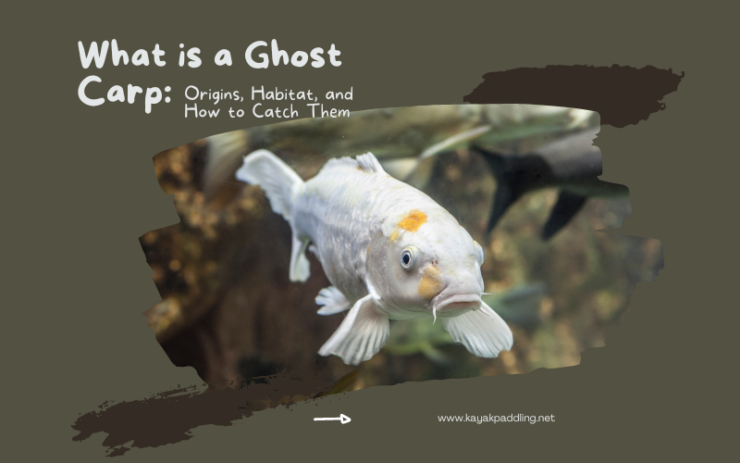
The Ghost Carp (Cyprinus carpio) is not a naturally occurring species in the wild but rather a deliberate creation of human ingenuity. Born from the crossbreeding of traditional common or mirror carp with the ornate, metallic Yamabuki Ogon Koi, these fish represent a unique intersection of ornamental beauty and rugged, wild endurance.
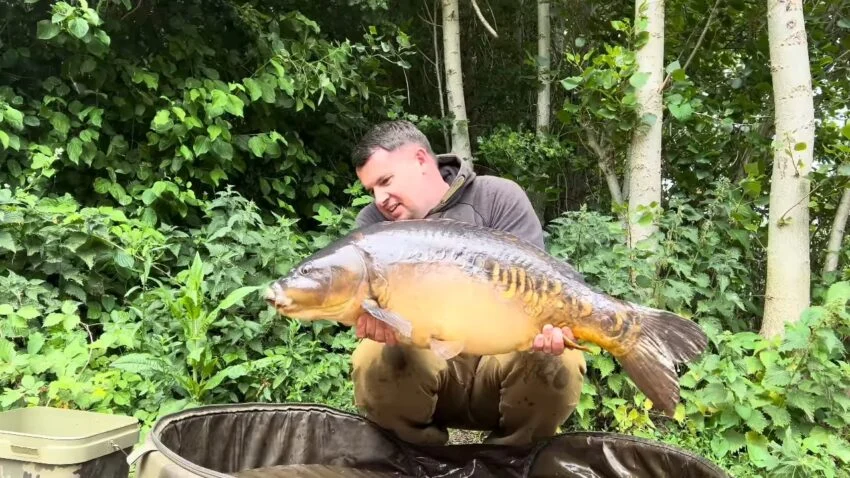
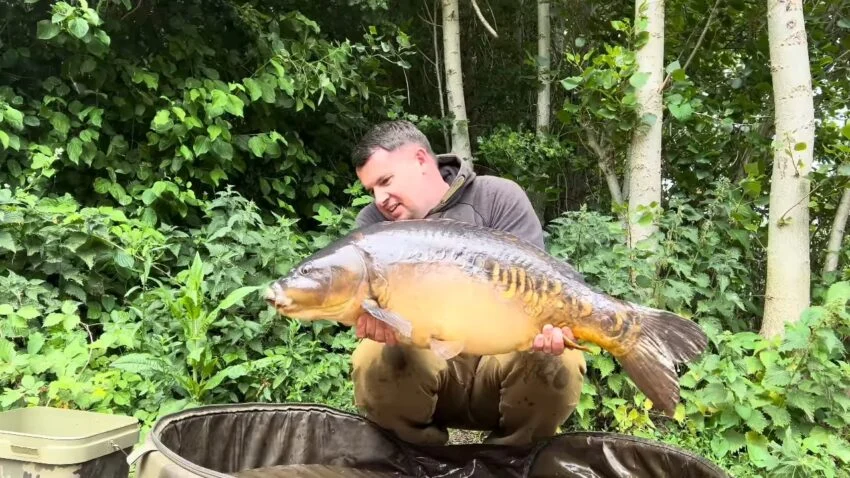
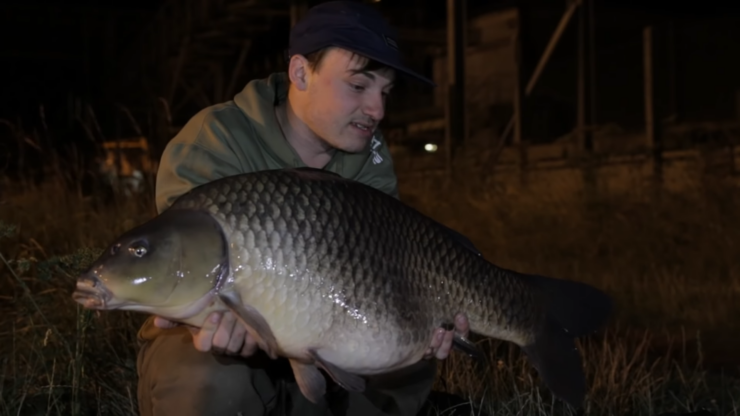
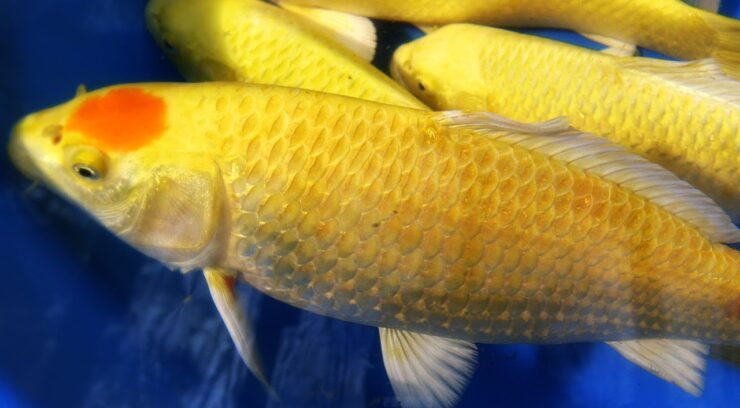
Physically, the Ghost Carp is a specimen of impressive stature. They are characterized by a torpedo-shaped, muscular frame that allows for powerful bursts of speed and long-term stamina. While their size varies based on environmental factors, a typical specimen ranges from 6 to 15 pounds, with exceptional individuals capable of reaching a staggering 94 pounds and lengths of up to 48 inches. Their most striking feature—the one that gives them their "ghostly" moniker—is their coloration. They often sport a dark under-layer topped with crystalline, metallic scales in shades of gold, silver, or platinum. These are not merely pigmented cells; they are dense concentrations of purine crystals that reflect light, allowing the fish to seemingly vanish or shimmer in the murky, light-deprived depths of a lake bed.
Quick Reference Specifications
| Attribute | Data |
|---|---|
| Scientific Name | Cyprinus carpio |
| Average Weight | 6–15 lb (2.7–6.8 kg) |
| Maximum Weight | 94 lb (42 kg) |
| Average Length | 18–26 inches (45–65 cm) |
| Maximum Length | 48 inches (120 cm) |
| Typical Lifespan | 15–45 years |
A Chronology of Creation
The story of the Ghost Carp is relatively short in the grand timeline of evolutionary history, originating firmly in the 20th century.
- The 1970s Expansion: While the ornamental Ghost Carp had not yet been fully realized as a distinct breed, the parent stock—the common carp—was being widely introduced across North America. Originally imported to manage aquatic vegetation in irrigation canals and municipal ponds, these populations soon began to expand beyond their intended boundaries.
- The 1980s Breakthrough: The formal "Ghost" variety emerged when innovative breeders began experimenting with crossing hardy, bottom-feeding common carp with the aesthetic brilliance of the Yamabuki Ogon Koi. The resulting offspring possessed the size and hardiness of the common carp but inherited the "ghostly" metallic glow of the ornamental lineage.
- The Modern Era: Today, the Ghost Carp has cemented its status as a premier sport fish in Europe and the United Kingdom. While traditional koi enthusiasts often exclude them from "pedigree" status due to their hybrid nature, the angling community has embraced them for their intelligence and fighting spirit.
Supporting Data: Biology and Environmental Hardiness
The success of the Ghost Carp as a species—both in private fisheries and, more controversially, in the wild—is rooted in its physiological resilience.
The Master of Adaptation
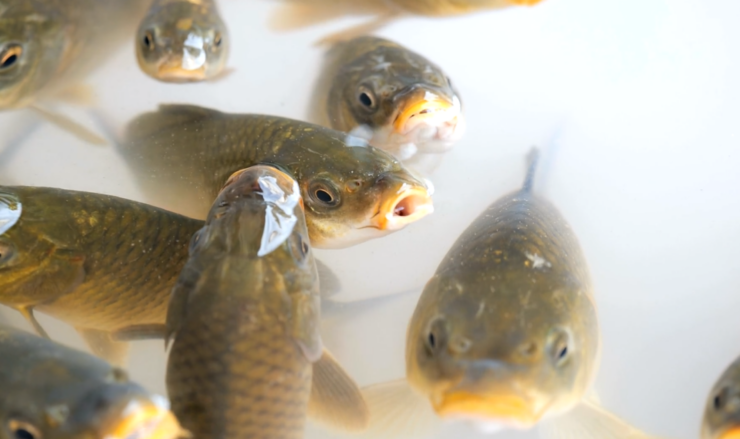
Ghost Carp are biologically identical to their Nishikigoi cousins, sharing an incredible range of environmental tolerance. They can survive in temperatures as low as 3°C and as high as 30°C. Their ability to "gulp" air at the surface allows them to survive in oxygen-depleted, eutrophic (nutrient-rich) waters where other fish species would perish. This "freshwater pig" mentality—named for their habit of relentlessly rooting through the sediment—allows them to exploit food sources that are inaccessible to more selective feeders. They consume a broad diet of insect larvae, crustaceans, mollusks, and submerged vegetation.
Reproductive Prolificacy
A single female Ghost Carp can lay hundreds of thousands of eggs in a single season. Unlike species that guard their nests, carp are broadcast spawners. They attach their sticky, pale eggs to aquatic weeds, leaving them to hatch within days. Because they have no natural predators in many of the ecosystems they have invaded, their population numbers can balloon rapidly, potentially overwhelming native food webs.
Official Responses and Ecological Implications
The presence of Ghost Carp in public waterways is a polarizing issue. While they are a dream for the sport angler, they are often viewed as a nightmare by environmental scientists and wildlife management agencies.
The Invasive Threat
In regions like North America and parts of Australia, wild-strain carp are classified as invasive species. Their bottom-feeding behavior—disturbing the lake bed and uprooting vegetation—drastically increases water turbidity. This murkiness prevents sunlight from reaching aquatic plants, which in turn degrades the habitat for native species that rely on clear water to spawn or hunt.
Furthermore, these fish are known carriers of the Koi Herpesvirus (KHV). The transmission of such pathogens from stocked, ornamental-hybrid populations to wild fish stocks is a primary concern for conservationists. Consequently, many jurisdictions have strict laws regarding the transport and release of live carp.
Management Strategies
To mitigate the impact of runaway carp populations, environmental agencies have implemented a multi-faceted approach:
- Structural Barriers: The installation of electric or physical barriers in river systems to prevent migration.
- Targeted Harvesting: Programs aimed at the mass removal of carp through commercial netting or competitive bowfishing events.
- Water Management: Controlling nutrient runoff to prevent the eutrophic conditions that allow carp populations to thrive.
The Angler’s Perspective: The Pursuit of the Ghost
Despite their ecological controversy, the Ghost Carp remains a high-value target for recreational anglers. Their reputation for being "intelligent" is widespread, though it is perhaps more accurate to describe them as highly cautious and sensitive to their environment.
Techniques for Success
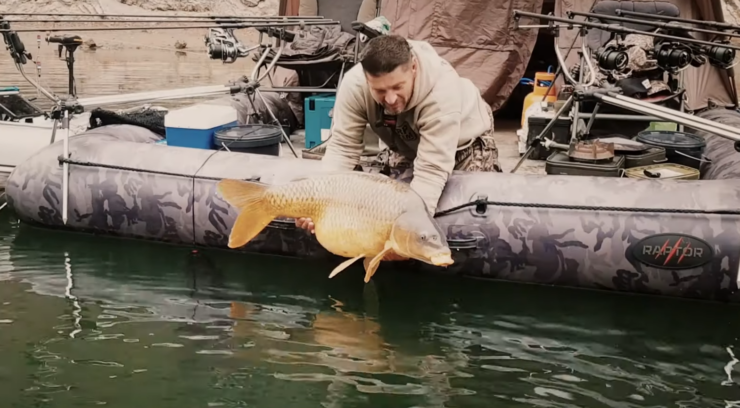
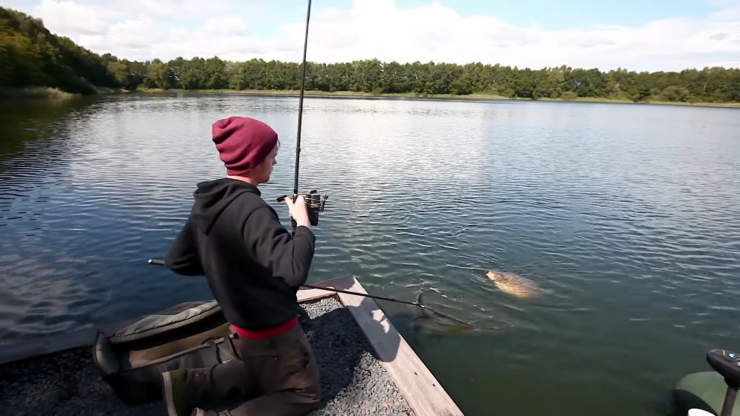
Catching a Ghost Carp requires a blend of patience and preparation. Because they are often found in "snaggy" or heavily vegetated areas, anglers must be adept at precise casting.
- Bait Selection: Success often comes from using a variety of baits. Pellets, sweetcorn, maggots, and even luncheon meat are staples. Some seasoned anglers add flavors or aromas to their bait to cut through the scent of the muddy lake floor.
- Spot Selection: The best spots are often near lily pads, overhanging trees, or submerged structures. These areas provide the security the carp craves.
- Adaptability: The most successful fishermen are those who are willing to move. If a specific spot isn’t yielding results, it is often better to switch locations entirely rather than waiting for the fish to become active in a dormant area.
Conclusion: A Complex Legacy
The Ghost Carp is a testament to the power of selective breeding. They are beautiful, resilient, and undeniably fascinating, offering an exhilarating challenge to those who seek to hook them. However, their status as a "ghost" is a double-edged sword. They are a phantom of our own making—a hybrid creation that, when introduced to the wrong environment, can haunt the local ecosystem for decades.
As we move forward, the relationship between man and the Ghost Carp must be one of balance. In private, managed fisheries, they provide endless sport and aesthetic value. In the wild, they remain a warning of the unintended consequences of human interference in aquatic ecosystems. Whether you view them as a majestic prize or an ecological nuisance, one thing is certain: the Ghost Carp has secured its place in the history of our waters, shimmering in the shadows, waiting for the next angler to test their wits against its elusive, metallic form.
Frequently Asked Questions (FAQ)
1. Is the Ghost Carp a real ghost or a paranormal fish?
No. The term "Ghost" is a misnomer derived from their ability to blend into murky water, combined with their metallic, light-reflecting scales. They are entirely biological creatures, specifically a hybrid of common carp and koi.
2. Are Ghost Carp and Koi the same thing?
Biologically, they are very similar. Ghost Carp are essentially a commercialized, hardy hybrid. While they share the same DNA as traditional koi, pedigree koi enthusiasts generally distinguish them from the high-value, ornamental koi breeds seen in Japanese gardens.
3. Why are they considered invasive in some areas?
In places where they were not naturally present, their high reproductive rate and aggressive bottom-feeding habits can destroy native vegetation, increase water turbidity, and outcompete local fish species for food.
4. How long can a Ghost Carp live?
In well-maintained, low-stress environments, such as private ponds, these fish can live between 15 and 45 years. Their longevity is directly tied to the availability of nutrients and the quality of their water.
5. What is the "Doitsu" variety?
"Doitsu" refers to a type of carp that is either scaleless or possesses only a few, very large scales along the lateral line. This trait is common in many modern hybrid carp breeds and adds to their unique, sleek appearance.