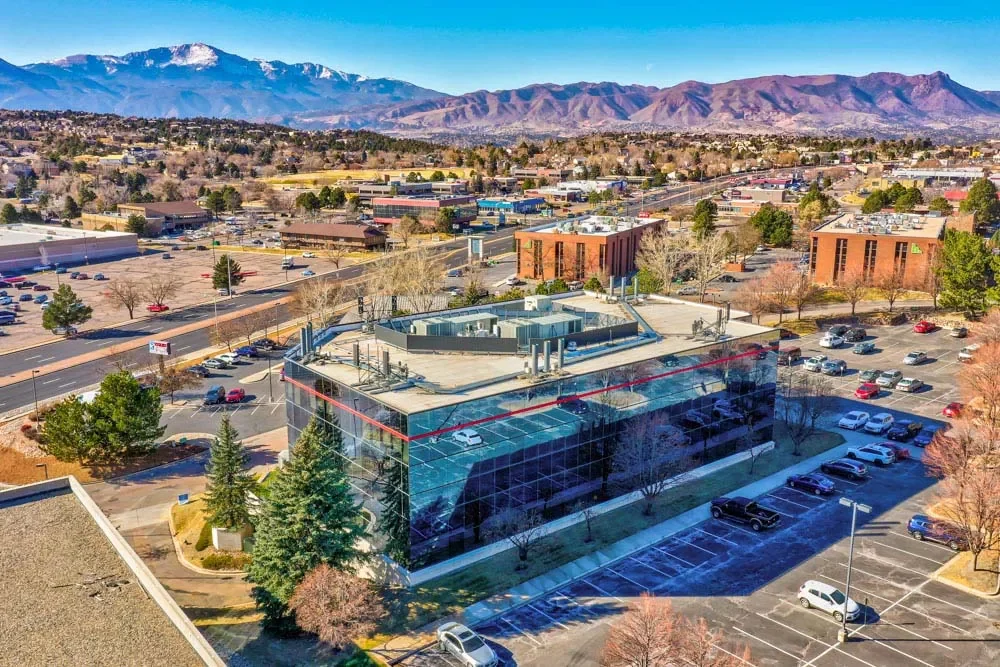
For aerial photographers, real estate developers, and hobbyists alike, the Mile High City offers a breathtaking backdrop for drone operations. From the jagged silhouette of the Rocky Mountains to the bustling urban density of the downtown core, Denver is a premier location for capturing high-altitude visuals. However, the intersection of federal aviation mandates and stringent local ordinances creates a complex regulatory environment that every pilot must navigate.
This guide serves as a definitive resource for understanding the legal landscape of drone flight in Denver as of 2026, ensuring that your next flight is as compliant as it is cinematic.
The Regulatory Framework: A Two-Tiered System
To fly a drone legally in Denver, one must understand that the sky is governed by a hierarchical structure of laws. You are not just flying in a city; you are operating within a national airspace system.
Federal Aviation Administration (FAA) Authority
The FAA maintains absolute authority over the National Airspace System (NAS). Regardless of whether you are in a public park or a private backyard, federal rules regarding registration, altitude, and line-of-sight remain constant.
- Registration: All drones weighing more than 0.55 pounds must be registered with the FAA.
- Altitude Limits: The ceiling for recreational and most commercial flight is 400 feet above ground level (AGL).
- Visual Line of Sight: The pilot must maintain an unobstructed view of the aircraft at all times.
- Controlled Airspace: Much of the Denver metro area falls under controlled airspace due to the proximity of Denver International Airport (DIA) and various regional airfields. This requires automated authorization via the Low Altitude Authorization and Notification Capability (LAANC) system.
Local Ordinances and City Policy
While the FAA controls the sky, the City of Denver holds jurisdiction over the ground. Local ordinances restrict drone takeoffs and landings in municipal parks, city-owned recreational facilities, and areas undergoing public safety operations. These rules are designed to protect privacy, mitigate noise pollution, and ensure the safety of citizens enjoying public spaces.
Chronology of Compliance: Preparing for Flight
Effective drone operations require a systematic, chronological approach to flight planning. Failing to follow these steps can lead to severe fines, equipment seizure, or criminal charges.

- Pre-Flight Assessment: Before leaving your home, consult the FAA B4UFLY app or Aloft. These tools provide real-time updates on Temporary Flight Restrictions (TFRs) and airspace status.
- Land Access Verification: Determine if the land you are launching from is public or private. If it is public, check current city ordinances. If private, obtain written consent from the property owner.
- Authorization Request: If your flight path intersects with controlled airspace, secure your LAANC approval. This is an automated process that provides near-instant clearance for specific altitudes in specific grids.
- Weather and Site Check: Evaluate wind speeds, temperature, and sun position. High-altitude operations in Denver can be unpredictable due to mountain-driven weather patterns.
- Execution and Documentation: Conduct your flight, maintaining all safety protocols. If flying commercially, ensure you have your Part 107 certificate on your person.
Supporting Data: Why "Free-Flying" is a Myth
Many novices assume that because they see drones in the city, the airspace is open. This is a dangerous misconception. Statistics from regional aviation safety boards indicate that unauthorized drone activity near Denver’s major transit corridors and stadiums has increased by 15% year-over-year.
The "No-Fly" Danger Zones
- Denver International Airport (DEN): The airspace surrounding DIA is heavily monitored. Unauthorized entry into this Class B or C airspace is a federal offense.
- Stadiums and Arenas: During major sporting events (e.g., Broncos or Nuggets games), the FAA often issues TFRs, creating a "no-drone zone" around the stadium to protect crowd safety.
- Government Facilities: Proximity to federal buildings, courthouses, or military installations is strictly off-limits.
- Active Emergency Scenes: Flying over a police incident, fire, or medical emergency is illegal and hinders first responders.
Official Responses and Professional Standards
Regulatory bodies, including the FAA and local law enforcement, have emphasized that the burden of safety rests entirely on the pilot. As technology evolves, the "professional standard" has shifted toward total transparency.
The Role of Commercial Certification (Part 107)
For anyone operating for business—whether it is a real estate agent selling a home or a production company filming a commercial—a Part 107 Remote Pilot Certificate is non-negotiable. This certification proves that the pilot understands the nuances of the National Airspace System, weather reports, and aircraft performance.

Professional firms, such as Rocky Mountain Photography, illustrate the gold standard of this compliance. By maintaining insurance and certified pilots, these entities mitigate risk for their clients, ensuring that legal hurdles do not compromise the delivery of high-quality aerial data.
Implications for Businesses and Operators
The demand for aerial imagery in the Denver-Aurora corridor is at an all-time high. However, the integration of drones into business operations carries significant implications.
Industry Applications
- Real Estate: High-end property listings now prioritize aerial video to demonstrate neighborhood layout and proximity to landmarks.
- Construction: Project managers utilize drones for daily site monitoring, volumetric calculations, and progress reporting, which significantly reduces the need for manual site inspections.
- Insurance and Legal: Post-disaster documentation via drone allows for rapid, safe, and accurate assessment of property damage.
The Liability Factor
Businesses hiring drone operators must ensure their contractors are fully licensed and insured. Hiring an amateur to save money can result in massive legal liabilities if the drone crashes, violates privacy laws, or interferes with manned aircraft. Always ask for proof of Part 107 certification before commissioning any commercial aerial work.

Frequently Asked Questions (FAQ)
Q: Can I fly in my own backyard?
A: Generally, yes, provided your backyard is not in restricted or controlled airspace. However, you must still adhere to FAA altitude limits and be mindful of your neighbors’ privacy.
Q: What happens if I ignore a TFR?
A: Ignoring a Temporary Flight Restriction is a federal violation. Penalties can range from heavy civil fines to the permanent revocation of your pilot certificate and potential jail time.
Q: Are there any "drone-friendly" parks in Denver?
A: Most city parks prohibit drone use. Your best bet is to look for AMA-chartered flying fields, which are designed specifically for the safe operation of model aircraft and drones.

Q: Does a drone weighing less than 0.55 lbs need to be registered?
A: If the drone is used strictly for recreation, it may not need registration. However, if used for any commercial purpose, it must be registered regardless of weight.
Q: How do I know if I need LAANC?
A: Download the Aloft or B4UFLY app. If your intended flight location appears on a map grid with an altitude limit (e.g., 0, 100, or 200 feet), you are in controlled airspace and require LAANC authorization.
Conclusion: The Path Forward
The future of drone technology in Denver is bright, but it requires a culture of compliance and professional maturity. By respecting the rules set forth by the FAA and local authorities, pilots can continue to explore the unique perspectives that only an aerial viewpoint can provide. Whether you are a hobbyist practicing in an approved field or a business utilizing drone data to scale your operations, the key to success is constant vigilance, thorough planning, and a commitment to safety.

If you are looking to integrate aerial media into your business, remember that the most professional results come from those who respect the complexity of the sky. For expert guidance and professional-grade aerial production, organizations like Rocky Mountain Photography remain at the forefront of safe and legal drone operations in the Denver/Aurora area.
Stay informed, stay legal, and enjoy the flight.