By: Editorial Staff
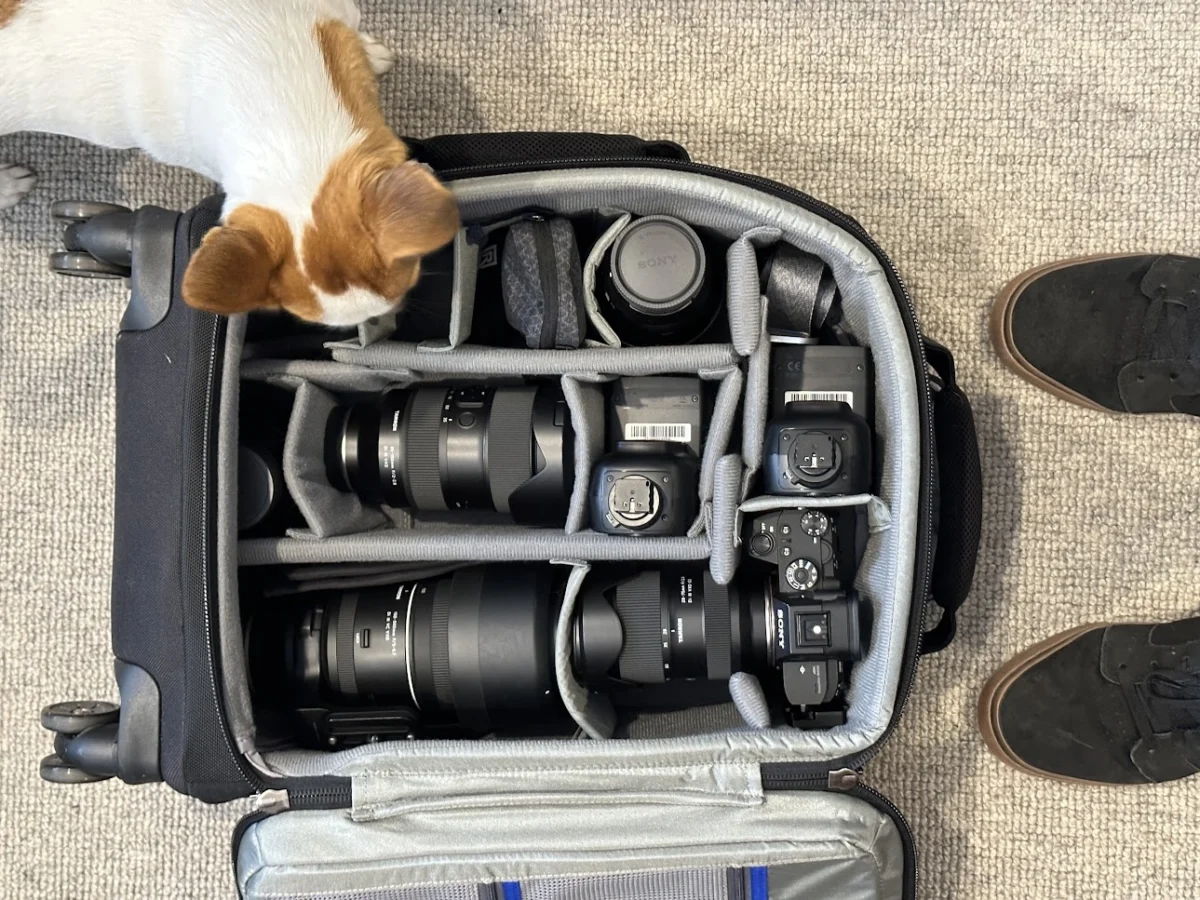
I own several camera bags, and I’m increasingly convinced they gossip when I’m not looking.
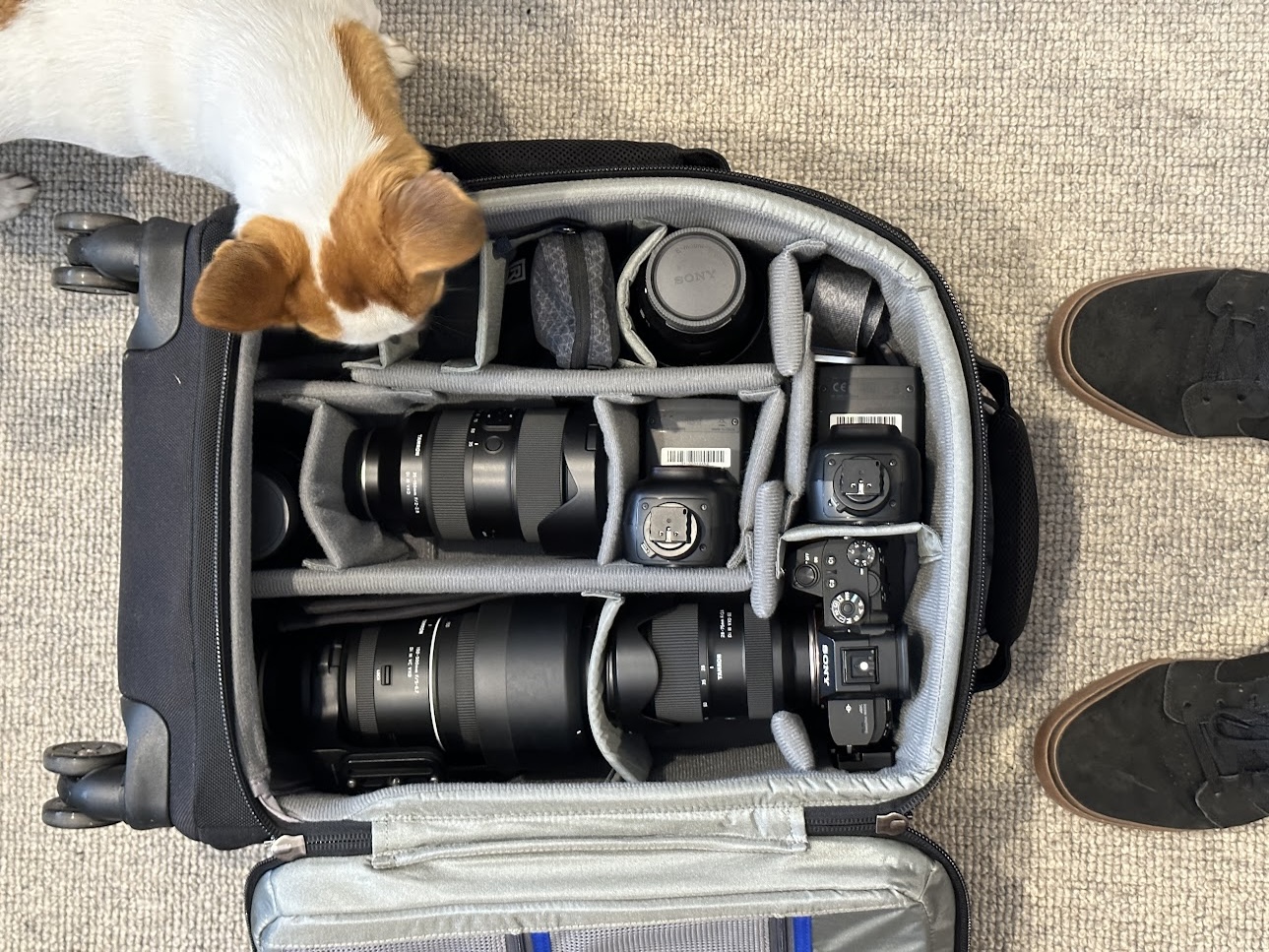
The sling bag thinks it’s adventurous because it once visited Iceland. The roller case won’t stop mentioning airports. The backpack believes it’s carrying the entire weight of modern photography despite containing three lenses, two muesli bars from 2023, and approximately seventeen lens caps that fit nothing. If camera bags could talk, mine would probably stage an intervention. "Simon," they’d say, "you’re taking six lenses to photograph your 12-year-old son’s football game. Perhaps—maybe—calm down."
This whimsical observation, shared by veteran photographer Sime, touches on a universal truth in the photography community: the persistent, irrational, and often heavy urge to overpack. For many, the camera bag is not just a storage vessel; it is a repository of "what-ifs," a security blanket, and, occasionally, a physical burden that compromises both comfort and creativity.
The Anatomy of Overpacking: A Chronological Look at Gear Acquisition
To understand why photographers struggle to travel light, one must look at the evolution of the gear bag over the last two decades.
The Early Days: Minimalism by Necessity
In the era of film, space was literally limited by the physical size of canisters and the finite nature of rolls. Photographers typically traveled with one or two prime lenses and a single body. The weight was manageable, and the "decision fatigue" of choosing between five different focal lengths didn’t exist.
The Digital Explosion
With the advent of digital photography, the mid-2000s saw a shift. As sensors improved and lenses became more specialized, the "kit" expanded. Suddenly, photographers needed zooms, wide-angles, telephotos, and macro lenses. The industry began marketing larger, more ruggedized bags to accommodate this influx of gear.
The Modern "Everything" Approach
Today, we exist in an era of hyper-preparedness. Manufacturers have responded to this by creating bags with modular dividers, laptop sleeves, drone compartments, and tripod attachment points. For those who have worked in the industry for years—like Sime, who has been involved with camera bag manufacturing for 16 years—the temptation to fill every available slot is constant. The mantra "Just take a bigger bag" has replaced "What do I actually need?"
Supporting Data: The Hidden Costs of Heavy Kits
While the psychological desire to be prepared is understandable, the physical and practical implications of overpacking are significant.
The Weight-to-Benefit Ratio
Data from ergonomic studies on photographers suggest that carrying more than 15% of one’s body weight for extended periods leads to a marked increase in spinal strain and muscular fatigue. Despite this, the average enthusiast often carries between 15 to 25 pounds of gear into the field, even when the shooting conditions do not demand such variety.
The Opportunity Cost of Complexity
Beyond the physical weight, there is a cognitive cost. Known as "Decision Fatigue," the act of choosing between six lenses during a fast-paced event—such as a child’s football game—can distract the photographer from the subject. When the bag is full, the mind is busy sorting through options rather than observing the light, the composition, and the emotional beat of the moment.
Official Perspectives and Expert Opinions
Industry experts and physical therapists have long advocated for a shift in how we approach our carry.
The Ergonomic Warning
Suzi, a contributor to Digital Photography School, has written extensively on the risks of unilateral loading. When a photographer uses a single-shoulder sling bag loaded with heavy glass, the body compensates by tilting the spine, leading to long-term chronic pain.
"The most important piece of gear in your bag is your own body," notes an orthopedic specialist consulted for this report. "If you are carrying a load that prevents you from moving naturally, you are effectively handicapping your own creative ability. A backpack is generally superior for weight distribution, but even then, the total weight must be strictly managed."
The "Less is More" Philosophy
Many professional street photographers and photojournalists operate on the "one-camera, one-lens" rule. This methodology forces the photographer to move their feet to find the composition rather than relying on a zoom lens. By restricting the gear, the photographer often achieves a more cohesive aesthetic style and a faster reaction time.
Implications: The Psychological "Security Blanket"
Why do we do it? Why pack a 70-200mm lens for a casual family lunch?
Psychologists suggest that the camera bag acts as a "preparedness buffer." In an uncertain world, controlling one’s environment provides comfort. By carrying every possible tool, the photographer feels they have eliminated the risk of "missing the shot."
However, the irony is that the weight of the bag often makes the photographer move slower, set up more awkwardly, or become so tired that they stop shooting earlier than they would have with a lighter kit. The bag, intended to enable the photograph, eventually becomes the obstacle to it.
Strategies for the Modern Photographer
To move away from the "overpacking trap," consider these actionable strategies:
- The Pre-Shoot Audit: Before you pack, visualize the specific environment. If you are shooting a sports game, you need speed and reach. You do not need a macro lens, a wide-angle prime, and an off-camera flash strobe. Leave them behind.
- The "One-Bag" Limit: Set a rule: if it doesn’t fit in your smallest, most comfortable bag, you cannot take it. This forces a hierarchy of needs.
- Regular Maintenance: As Sime noted, many of us carry gear we don’t even use—lens caps for lenses we sold years ago, dead batteries, and expired snacks. Clean your bag every week. You will be surprised by how much "dead weight" you are hauling around.
- Prioritize Distribution: If you must carry a heavy load, abandon the messenger bag in favor of a dual-strap hiking backpack with a waist belt. Transferring the weight from your shoulders to your hips is the single most effective way to avoid injury.
Conclusion: Finding the Balance
The secret lives of our camera bags are, in reality, a reflection of our own insecurities and aspirations. We pack for the photographer we want to be—the one who is prepared for any lighting condition, any distance, and any emergency.
But true professional mastery often looks like the opposite. It looks like a photographer with one camera, one lens, and the confidence to know that they can capture the essence of a moment without needing the entire contents of a retail store strapped to their back.
The next time you head out to shoot, try a radical experiment: leave half your gear at home. You might find that your shoulders feel better, your mind is clearer, and your photos are better for it.
What about you? Are you a maximalist who fears missing a shot, or a minimalist who thrives on restriction? Let us know in the comments below—and while you’re at it, feel free to share your best tips for staying healthy while lugging that gear around.