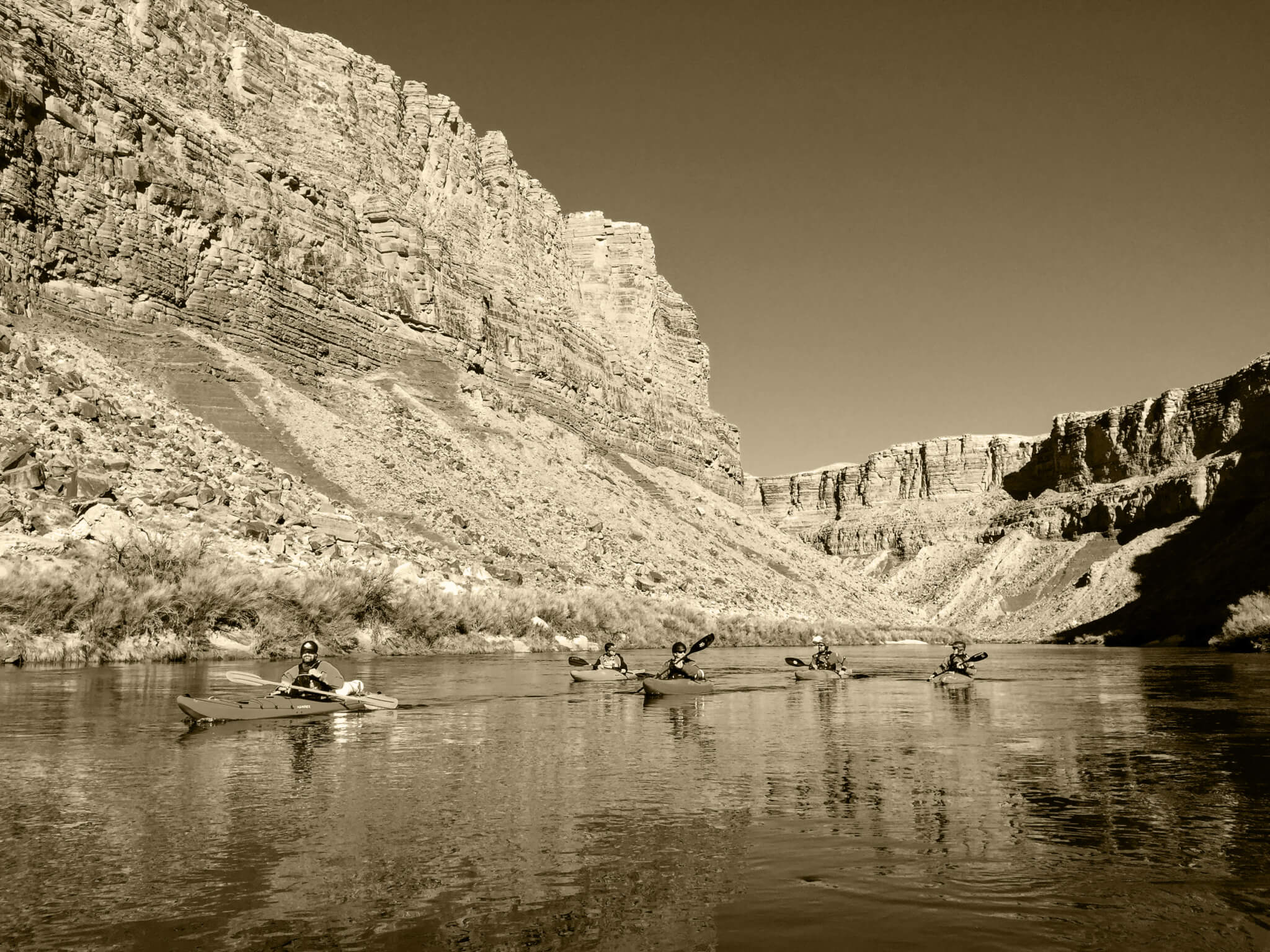
On January 26, a team of seasoned instructors from Whitewater Rescue Institute (WRI)—Paul Heffernan, Matt O’Reilly, Frank Preston, and Cody Harris—embarked on an ambitious 10-day self-supported kayak expedition down the Colorado River through the Grand Canyon. What began as a routine professional development trip transformed into a profound exploration of human endurance, logistical ingenuity, and the raw, untamed power of one of the world’s most iconic waterways.
Following the expedition, the group discovered a series of handwritten letters tucked away in the bottom of a drybag. Penned by an anonymous member of the ten-person crew—who signed the notes simply as "Little Spoon"—these dispatches offer a rare, unfiltered look at the reality of self-support paddling. The correspondence has since been identified by WRI leadership as a masterclass in wilderness logistics, providing essential insights for any paddler considering a multi-day descent of the Canyon.
The Logistics of Self-Sufficiency
The Grand Canyon is a unforgiving environment where every ounce of gear is a variable in the equation of survival. Unlike commercial trips that rely on massive rafts and support crews, a self-supported kayak descent requires each participant to carry their own sustenance, shelter, and repair kits.
The WRI team’s decision to remain fully self-contained—each paddler managing their own kitchen and camp kit—introduced a high degree of complexity. At the launch point at Lees Ferry, the boats were laden with upwards of 200 pounds of gear each. The initial struggle to balance these heavy, unwieldy vessels was described as akin to "handling a hungry burro in sight of a barn."

For the modern paddler, the lesson here is clear: the success of a self-supported trip is predicated on the "system" one develops. Whether utilizing vacuum-sealed pre-made meals or strictly freeze-dried options to manage weight and waste, the logistical burden of the Canyon demands meticulous pre-trip planning.
A Chronology of the Descent
Days 1–3: The Roaring 20s and the Inner Gorge
The expedition commenced under clear, 70-degree bluebird skies. The first 21 miles saw the team navigating the "Roaring 20s," a section of vibrant whitewater that sets the tone for the journey. As they pushed toward North Canyon, the reality of the weight began to set in, accompanied by the inevitable initiation rites of the Canyon—including a lost GoPro and the first of many cold-water swims.

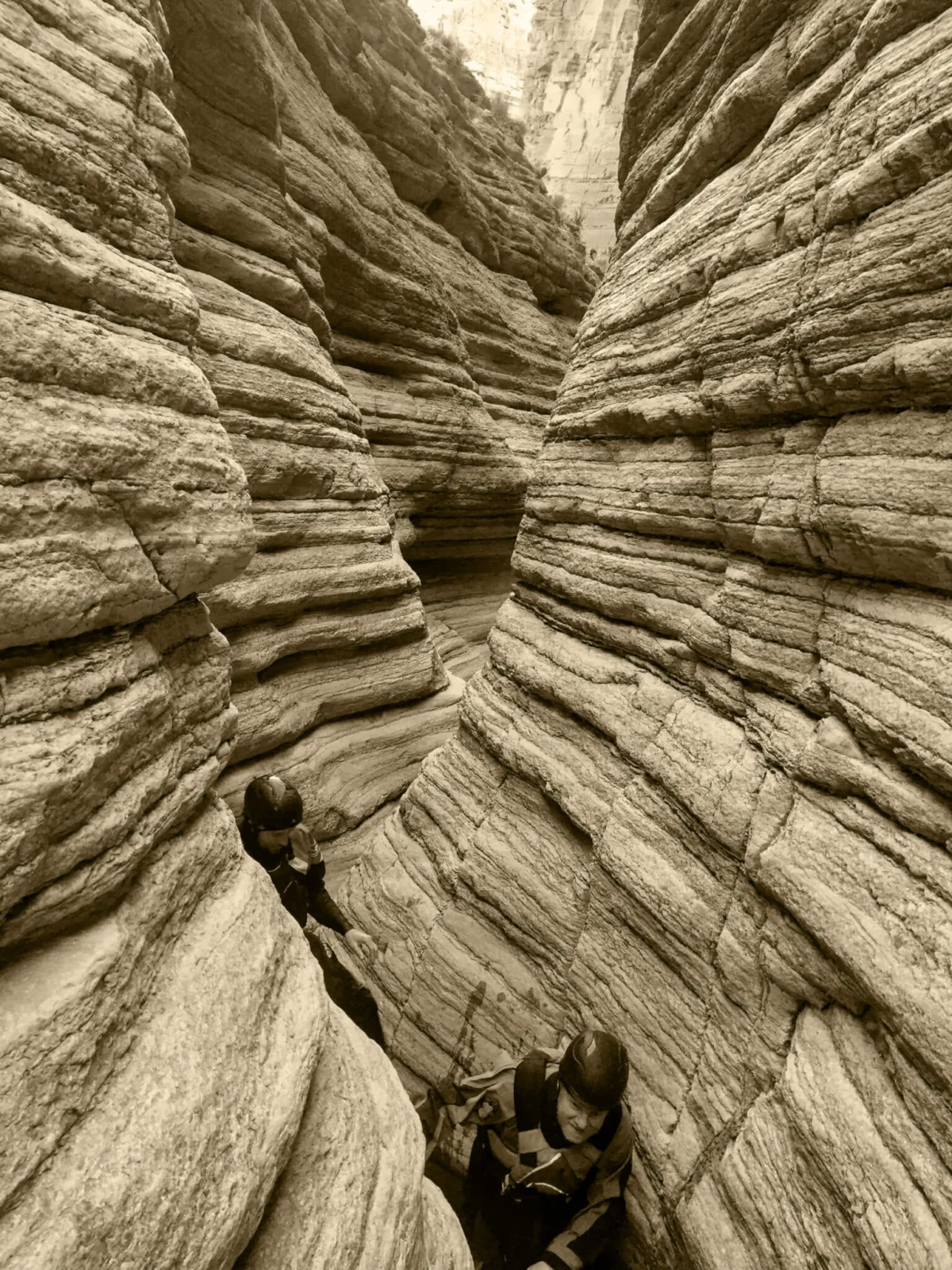
By Day 3, the walls of the Canyon began to close in, rising to towering, humbling heights. The crew navigated the confluence of the Little Colorado and the serene Furnace Flats before setting up camp at Cardenas. The transition into the inner gorge marked a shift in the trip’s intensity, as the rapids grew in scale and the geology transformed into the ancient schist and granite that define the Canyon’s heart.
Days 4–7: The Crucible of the Granite
Day 4 served as a watershed moment for the group. Navigating heavy hitters like Hance, Sockdolager, Horn Creek, and Crystal, the team witnessed the sheer power of the river. The anonymous author noted the stark contrast between his own cautious lines and the bold, authoritative lines taken by the trip leader, underscoring the vital role of mentorship in high-consequence environments.

As the team moved through the middle sections, they balanced rigorous paddling days with cultural and geological explorations. Hikes to Elves Chasm, Blacktail Canyon, and the awe-inspiring Thunder River provided a necessary respite from the technical demands of the water. By Day 7, the team covered a staggering 34 miles—their longest day yet—culminating in a successful run of the notorious Lava Falls.
Days 8–10: Reflection and Reclamation
The final days were defined by a shift in tone. The physical toll of the trip began to manifest, and for the first time, the team faced inclement weather. The rain and wind forced a rare night of confinement in tents, providing a moment of camaraderie and quiet reflection.

The journey reached a poignant conclusion at Separation Canyon, the historical site where three members of the 1869 John Wesley Powell expedition famously chose to abandon the river rather than risk the unknown rapids ahead. Standing at the site, the author of the letters expressed a newfound empathy for those explorers. "How could they have known what lay around the next corner?" the author wrote. "Had it not been for the mentorship and daily coaching from our leader, I too would have climbed out of this canyon."
Professional Insights: Safety and Gear
The letters provide invaluable data for those planning similar expeditions. Key takeaways from the WRI team’s experience include:

- Weight Management: The choice to use freeze-dried food was vindicated by its impact on waste management ("groover" space).
- Gear Reliability: Inflatable sleeping pads proved to be a liability; several team members suffered leaks and were forced to rely on spare clothing for insulation.
- The Power of Leadership: The team’s success was attributed largely to the psychological and technical guidance of the expedition leader, who acted as a buffer against the fear and fatigue that naturally set in during such a strenuous trip.
- Water Management: Access to clean tributaries for filling water bladders was a significant advantage during the winter months, allowing the group to avoid the time-consuming process of settling silt.
The Philosophical Implications: A River Reborn
The conclusion of the trip at Pearce Ferry offered the crew a unique perspective on the intersection of human engineering and nature. The "domesticated" river of Lake Mead has undergone significant change due to Western droughts. As the reservoir levels have dropped, the Colorado River has begun to carve through its own silt deposits, reclaiming its natural channel.
For the WRI team, this served as a final, profound lesson: human infrastructure, such as the Hoover Dam, is merely a temporary imposition. The river, in its relentless persistence, remains the ultimate authority. As the author noted, "It will always carry on, we and our concrete dreams are merely a temporary distraction."

Conclusion
The 10-day descent of the Grand Canyon by the WRI team was more than a technical exercise in whitewater navigation; it was a meditation on the limits of the human spirit. Through the eyes of "Little Spoon," the paddling community is reminded that while gear, fitness, and logistics are the foundations of a successful expedition, the true essence of the Canyon lies in the humility gained from traversing its depths. Whether through the roaring rapids of the inner gorge or the silent, silt-laden stretches near Lake Mead, the Colorado River continues to teach those who are willing to listen.
For those interested in pursuing their own Grand Canyon journey, the lessons from this trip are clear: prepare for the physical rigor, respect the immense power of the geology, and ensure you have a team capable of supporting one another through the darkest of the granite walls. The Canyon does not care for your plans, but it will reward your persistence.