Executive Summary: A New Horizon for Middle Eastern Energy
In a landmark development for the global energy transition, Japan’s Kanadevia Corporation—formerly recognized as Hitachi Zosen Corporation—has officially entered into a strategic partnership with the Oman-based Bahwan Engineering Company (BEC). This collaboration is set to establish a comprehensive framework for the development, engineering, and execution of green hydrogen and low-carbon fuel projects across the Sultanate of Oman.
By combining Kanadevia’s cutting-edge electrolysis technology with BEC’s deep-rooted engineering expertise and extensive regional network, the partnership aims to position Oman as a pivotal hub in the emerging global green hydrogen economy. The agreement covers the entire project lifecycle, from initial bidding and conceptual design to procurement, manufacturing, and long-term facility operation.
The Strategic Partnership: Bridging Expertise
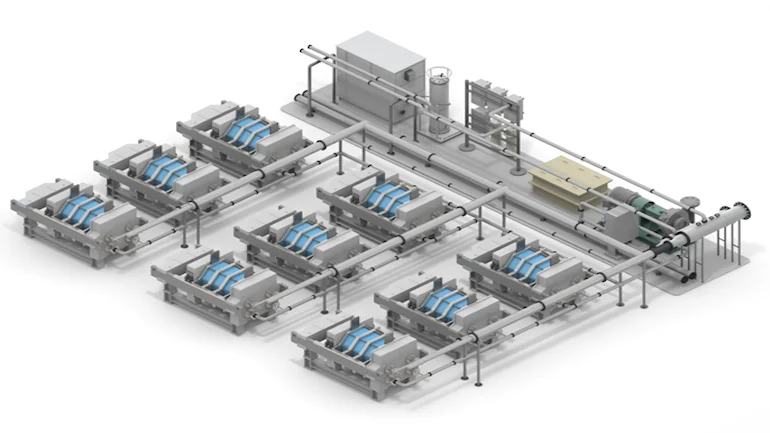
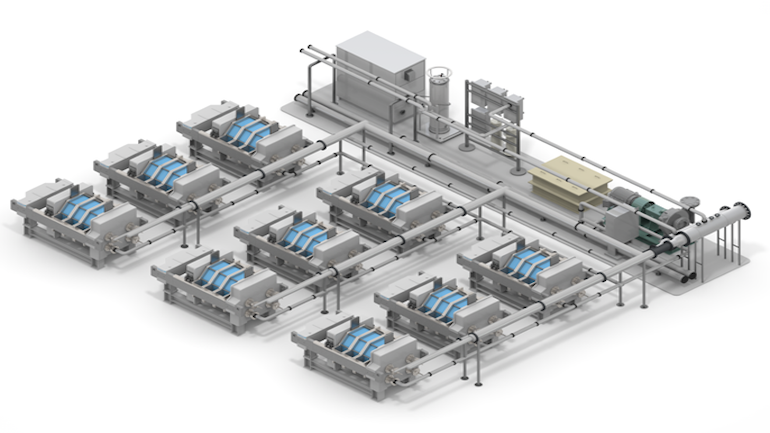
The alliance between Kanadevia and BEC is predicated on a complementary exchange of resources. Kanadevia brings to the table its proprietary, high-efficiency water electrolysis stack technology—the fundamental engine of modern green hydrogen production systems. Conversely, the Bahwan Engineering Company offers unparalleled local insights, construction capabilities, and an established industrial footprint within the Omani market.
Scope of Collaboration
The scope of this partnership is intentionally broad, encompassing:
- Bid Preparation and Project Design: Collaborative efforts to secure and structure complex green energy projects.
- Engineering and Procurement: Leveraging combined technical teams to optimize supply chains and engineering workflows.
- Manufacturing and Sales: Scaling the production of equipment for green hydrogen and e-methane projects.
- Market Expansion: Utilizing BEC’s strong customer base to accelerate the adoption of decarbonization solutions throughout the industrial sector in the Middle East.
Chronology: Building Toward a Hydrogen-Based Future
The partnership with BEC is not an isolated event but rather the latest milestone in Kanadevia’s multi-year strategy to pivot toward sustainable energy solutions.
- Corporate Evolution: The rebranding from Hitachi Zosen to Kanadevia marked a strategic shift in identity, signaling a focus on innovative environmental technologies.
- Investing in Infrastructure: Simultaneously, Kanadevia has been constructing a state-of-the-art mass production facility in Tsuru City, Yamanashi Prefecture, Japan. This facility is specifically designed to mass-produce water electrolysis stacks, aiming to drive down costs through economies of scale.
- Oman Engagement: Before the formal partnership with BEC, Kanadevia began laying the groundwork for broader Omani engagement. Notably, the company secured a contract with Oman LNG to conduct technical verification for a massive commercial methanation plant. This project aims to convert captured carbon dioxide (CO₂) into e-methane, a carbon-neutral alternative to natural gas.
- 2026 and Beyond: With the formalization of the BEC agreement, the companies are now entering the implementation phase, targeting active project development throughout the latter half of the decade.
Supporting Data: The Technical and Economic Drivers
The pivot toward green hydrogen in Oman is supported by significant technical advancements and a growing global demand for synthetic fuels.
The Role of Water Electrolysis
At the heart of the partnership is the water electrolysis stack. Kanadevia’s focus on this technology is a direct response to the global need for affordable green hydrogen. By investing in a dedicated mass-production facility in Tsuru City, the company is attempting to overcome one of the industry’s greatest hurdles: the high cost of electrolyzer hardware. Large-scale manufacturing is expected to yield significant cost reductions, making green hydrogen more competitive with traditional fossil fuels.
E-methane: The Bridge Fuel
The collaboration also highlights the importance of methanation. By reacting green hydrogen with captured CO₂, the companies are producing e-methane, a drop-in fuel that can utilize existing gas infrastructure. This is particularly relevant for Oman, which has invested heavily in LNG export facilities. The transition to e-methane allows these facilities to remain relevant in a decarbonizing world.
Financial Commitments
Kanadevia has taken a proactive financial stance, investing in specialized hydrogen funds to support growth strategies. These funds are designed to de-risk projects, attract further private equity, and provide the necessary capital for the intensive engineering and procurement phases of large-scale hydrogen infrastructure.
Official Perspectives and Corporate Vision
In their official statements regarding the partnership, representatives from both entities have emphasized the alignment of their corporate missions with the national goals of Japan and Oman.
"The partnership with Bahwan Engineering Company allows us to bridge the gap between our innovative Japanese technology and the vast renewable energy potential of the Middle East," a Kanadevia spokesperson noted. "Our goal is not just to build plants, but to build an ecosystem where decarbonization is economically viable and socially integrated."
For BEC, the partnership represents a diversification of its industrial portfolio. By integrating with a global technology leader, the company is insulating itself against the inevitable decline of fossil-fuel-centric engineering and positioning itself as a leader in the Sultanate’s ‘Oman Vision 2040,’ which emphasizes economic diversification and sustainability.
Implications: The Macroeconomic and Environmental Impact
Positioning Oman as a Global Exporter
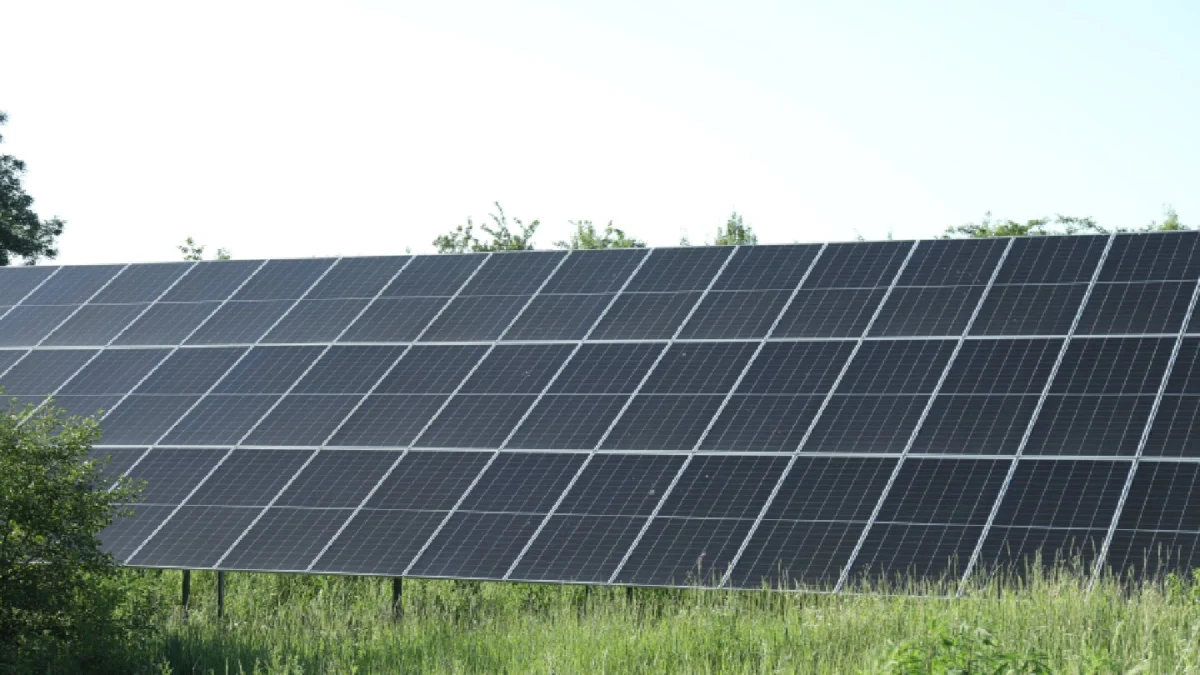
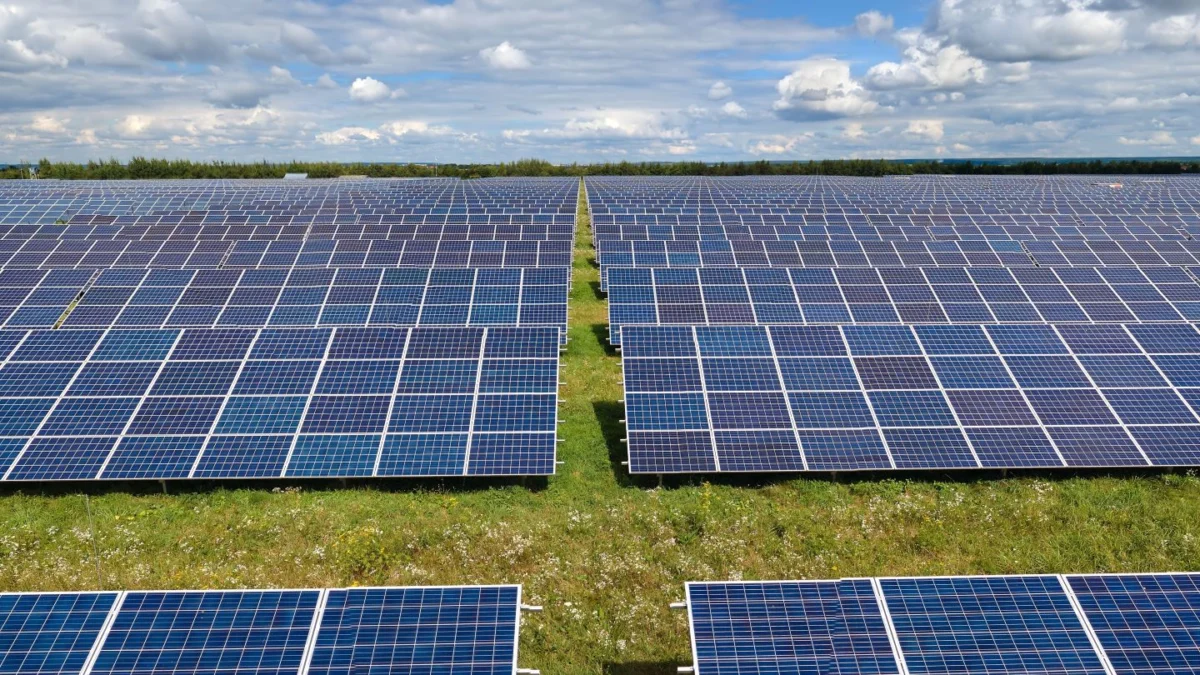
Oman’s geography provides it with a competitive advantage: high solar irradiance and strong wind speeds. By hosting green hydrogen projects, the country is transitioning from an oil and gas exporter to an exporter of renewable energy. The Kanadevia-BEC partnership provides the essential technical infrastructure to capitalize on these natural advantages.
Decarbonizing Industry
The impact of this collaboration extends beyond exports. The production of green hydrogen and e-methane within Oman provides local industries—such as steel, cement, and shipping—with a path to decarbonize their own operations. This internal demand is crucial for creating a robust market that does not rely solely on international exports.
The Shift from Hitachi Zosen to Kanadevia
The name change to Kanadevia is symbolic of a fundamental shift in the company’s business model. Moving away from the heavy-industrial focus of the 20th century, the firm is embracing a ‘Green Growth’ strategy. This transition is being closely watched by industry analysts as a case study in how large engineering conglomerates can successfully pivot to the green energy sector.
Risks and Challenges
Despite the optimism surrounding the partnership, several hurdles remain:
- Global Supply Chains: The ability to source raw materials for electrolyzer production at scale remains a volatile factor.
- Regulatory Hurdles: Standardizing green hydrogen certification across international borders will be necessary to ensure that Omani exports qualify for green premiums in European and Asian markets.
- Capital Intensity: While the partnership provides a framework, the actual construction of large-scale green hydrogen plants requires billions in investment, necessitating further financial partnerships with sovereign wealth funds and international development banks.
Conclusion: A Blueprint for International Cooperation
The partnership between Kanadevia and the Bahwan Engineering Company serves as a vital blueprint for how international cooperation can accelerate the global energy transition. By marrying Japan’s technological prowess with Oman’s natural resources and the localized execution capabilities of the Bahwan Group, the project represents a significant step toward a carbon-neutral future.
As the two firms move forward with their joint development plans, the eyes of the global energy sector will be fixed on the Sultanate of Oman. If successful, this collaboration will not only provide a model for technical synergy but will also prove that the transition to a hydrogen-based economy is both feasible and highly profitable when driven by strategic, cross-border partnerships. The era of the green molecule has begun, and in the sands of Oman, the foundation is being poured.