In a move that signals a significant consolidation of the American renewable energy sector, MN8 Energy has entered into a definitive agreement to acquire Greenbacker Renewable Energy Company. The cash-and-equity transaction, valued at up to $375 million, is set to create a formidable independent power producer (IPP) with a footprint spanning 33 states and a combined capacity exceeding 6GW.
As the energy transition accelerates across the United States, this merger represents more than just a business combination; it is a strategic alignment of two institutional-grade platforms designed to meet the escalating power demands of the nation’s enterprise sector.
Main Facts: The Anatomy of the Deal
The merger between MN8 Energy and Greenbacker Renewable Energy is a high-stakes transaction designed to scale operations and optimize capital efficiency. Under the terms of the agreement, the deal is valued at $375 million, with an upfront payment of $350 million due at closing. An additional $25 million in contingent cash consideration is tied to the successful attainment of specific commercial milestones.
Greenbacker shareholders are slated to receive consideration valued at approximately $1.712 per share, delivered through a mix of cash and MN8 equity. To provide flexibility, the deal includes a structure allowing shareholders to elect their preference for cash, equity, or a combination thereof. This is subject to a total cash cap of approximately $112.7 million. Should cash elections exceed this threshold, the excess will be settled in MN8 equity, ensuring that the transaction remains fiscally balanced.
The financial impact of the merger is expected to be immediate. On a run-rate basis, the combined entity is projected to generate adjusted earnings before interest, taxes, depreciation, and amortization (EBITDA), plus principal and interest, of approximately $501 million. Furthermore, the companies have identified significant synergies, forecasting annual run-rate cost savings of up to $20 million by the end of 2028, derived from streamlined operations in procurement, administration, financing, and engineering, procurement, and construction (EPC) activities.
A Chronology of the Strategic Union
The path to this merger reflects a calculated evolution for both companies.
- Pre-Merger Positioning: MN8 Energy, known for its vertically integrated approach, had been focusing on building an institutional-grade infrastructure platform. Simultaneously, Greenbacker Renewable Energy established itself as a resilient operator of high-quality, contracted clean energy assets.
- The Agreement: Following rigorous due diligence and internal review, the boards of directors of both organizations unanimously approved the merger. This decision followed months of negotiations aimed at aligning their complementary technology mixes and geographic footprints.
- Approval Phase: The transaction is currently subject to standard regulatory scrutiny and the necessary approvals from MN8 members and Greenbacker shareholders.
- Anticipated Closing: Barring unforeseen regulatory hurdles, both parties expect to finalize the transaction in the fourth quarter of 2026.
This timeline reflects a deliberate approach to integration, ensuring that the transition does not disrupt the ongoing delivery of power to their existing enterprise customers.
Supporting Data: By the Numbers
The scale of the new entity places it firmly among the top three clean power platforms in the United States. The merger creates a diversified portfolio that minimizes reliance on any single technology or region.
Capacity and Asset Diversification
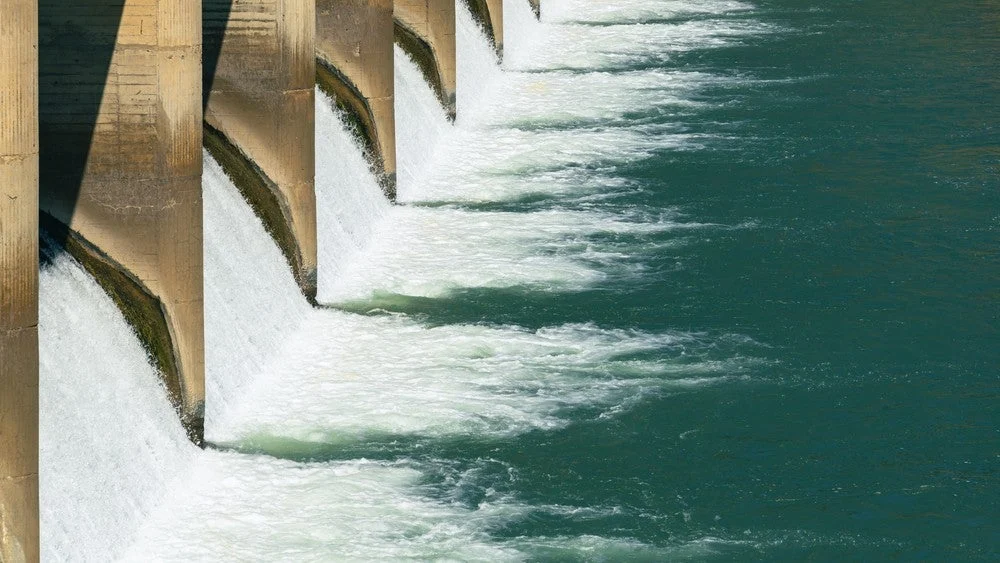
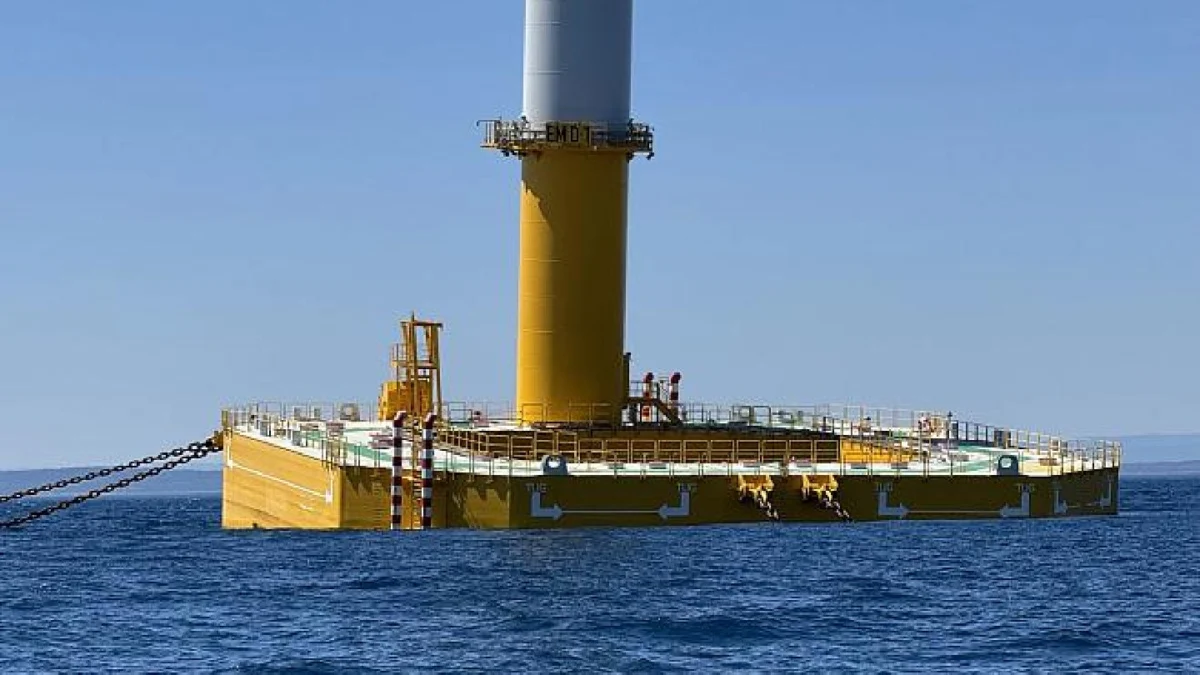
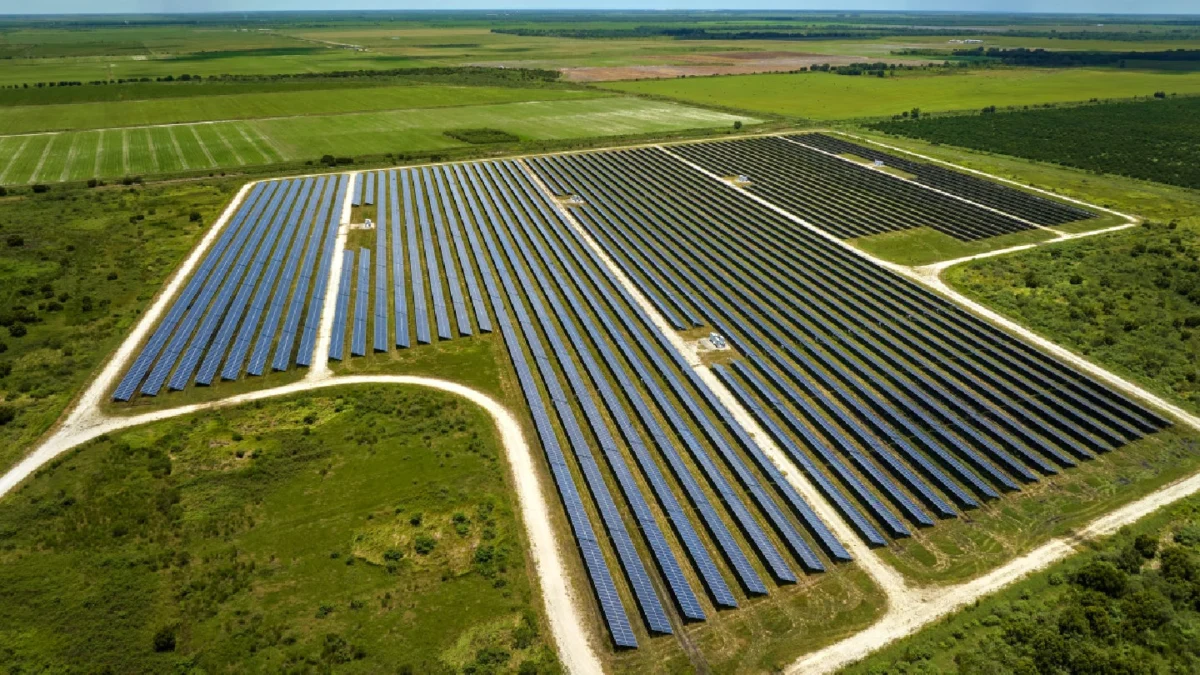
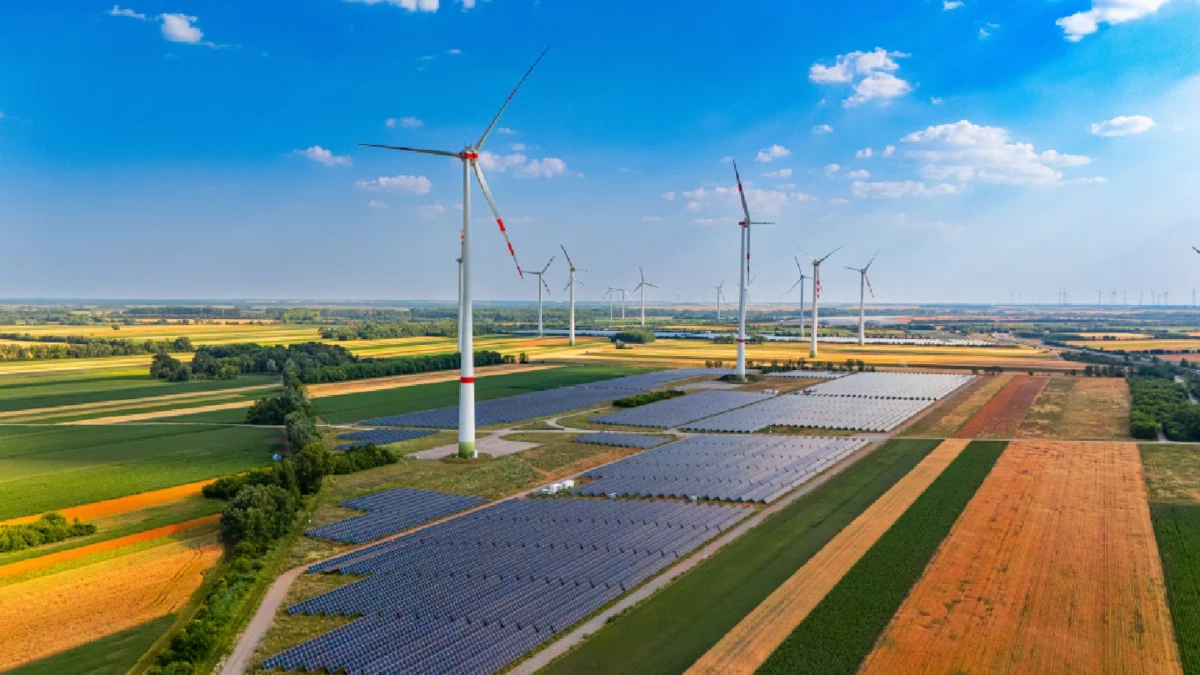
The combined company will manage over 6GW of capacity, covering:
- Utility-scale solar: Serving as the backbone of the generation fleet.
- Wind generation: Adding vital diversity to the energy mix.
- Distributed generation: Providing localized energy security.
- Battery storage: Essential for stabilizing the grid and managing intermittency.
Contractual Stability
One of the most attractive aspects of the portfolio is its high degree of revenue certainty. Approximately 94% of the combined capacity is already under long-term contract. The weighted average tenure for solar power purchase agreements (PPAs) stands at a robust 14 years, providing the merged entity with predictable, long-term cash flows that are highly attractive to institutional investors.
Future Growth
The deal does not merely consolidate existing assets; it provides a platform for future expansion. The combined business inherits a funded development pipeline of approximately 9.3GW. This backlog of projects, combined with the operational expertise of the enlarged team, positions the firm to aggressively pursue new opportunities in the rapidly evolving US energy market.
Official Responses: Leadership Perspectives
The merger has been met with optimism by the leadership of both organizations, who view the move as a transformative step for the industry.
Jon Yoder, President and CEO of MN8 Energy, emphasized the strategic necessity of the merger:
"This combination brings together two complementary platforms at a critical time. We have built MN8 to be an institutional-grade, vertically integrated operator with the development, financing, and asset management depth to serve the most demanding enterprise customers in the country. Together with Greenbacker, we will have the scale, diversification, and expertise to lead the next chapter of America’s infrastructure buildout."
Dan de Boer, CEO of Greenbacker, echoed these sentiments, highlighting the value provided to shareholders:
"Greenbacker was built to own and operate high-quality, contracted clean energy assets at an institutional scale. This transaction is the next chapter of that story—one that gives our shareholders the opportunity to participate in a combined platform built to grow."
The leadership teams have confirmed that Jon Yoder will continue to lead the combined entity as President and CEO, maintaining continuity in vision and execution.
Implications: A New Powerhouse in the Energy Transition
The implications of this merger extend far beyond the balance sheets of MN8 and Greenbacker. The creation of a "top-three" player in the US clean energy space suggests several key trends for the industry at large.
1. The Power of Geographic and Technological Breadth
By integrating Greenbacker’s significant assets in the Midwest and Northeast with MN8’s existing portfolio, the company achieves a level of geographic diversification that is rare for IPPs of this size. This reduces the risk associated with local regulatory changes, weather patterns, and transmission congestion. Furthermore, the expansion of the technology mix—specifically the integration of battery storage—is critical. As the US grid shifts toward intermittent renewables, the ability to pair solar and wind with storage is the key to maintaining a "baseload-like" reliability that large enterprise clients demand.
2. Operational Efficiency Through Scale
The $20 million in projected annual cost savings by 2028 highlights the benefits of scale. In the renewable energy sector, where margins are often pressured by rising equipment and financing costs, the ability to consolidate procurement and O&M (operations and maintenance) is a significant competitive advantage. This efficiency will likely allow the new entity to bid more aggressively on future projects, further accelerating the adoption of clean energy.
3. Institutionalizing the Clean Energy Asset Class
The involvement of major financial institutions—with J.P. Morgan Securities advising MN8, and Morgan Stanley and Wells Fargo advising Greenbacker—underscores the maturation of the renewable energy sector. Clean energy is no longer a niche, speculative venture; it is an institutional-grade asset class. This transaction provides a template for how future consolidation in the sector will likely occur: through the merger of specialized developers and operators to create large, stable, and vertically integrated firms capable of managing multi-gigawatt portfolios.
4. Meeting the Needs of Enterprise Customers
Corporate demand for clean energy is at an all-time high, driven by sustainability commitments and the power-hungry nature of data centers and advanced manufacturing. By having the scale to offer large-scale, long-term, and reliable energy solutions, the combined MN8-Greenbacker entity is perfectly positioned to serve the "most demanding enterprise customers in the country," as Yoder noted.
Conclusion
As the US energy landscape continues its rapid decarbonization, the merger of MN8 Energy and Greenbacker Renewable Energy serves as a barometer for the sector’s maturity. By pooling resources, expertise, and a substantial project pipeline, the new entity is poised to be a dominant force in the coming decade. With a focus on operational excellence, contractual stability, and strategic growth, the combined company is well-prepared to navigate the complexities of the American power market and solidify its role in the nation’s ongoing energy transition.