The landscape of the Winter Olympic Games is set for a historic transformation. Following a decisive meeting of the International Olympic Committee (IOC) executive board, the sporting world is reeling from the announcement that Nordic Combined—a cornerstone of the Winter Olympics since their inception in 1924—has been officially removed from the competition program for the 2030 French Alps Winter Games.
In a move that marks the end of a century-long tradition, the IOC has chosen to pivot toward modern, team-oriented disciplines. Alongside the removal of Nordic Combined, the committee confirmed the inclusion of "Synchro 9," a specialized nine-person team discipline derived from synchronized skating, as a new medal event within the figure skating program. The 2030 Games will also see the official Olympic debut of freestyle skiing and snowboarding disciplines, reflecting the IOC’s "Fit for the Future" strategy.
A Century of Tradition Ends: The Removal of Nordic Combined
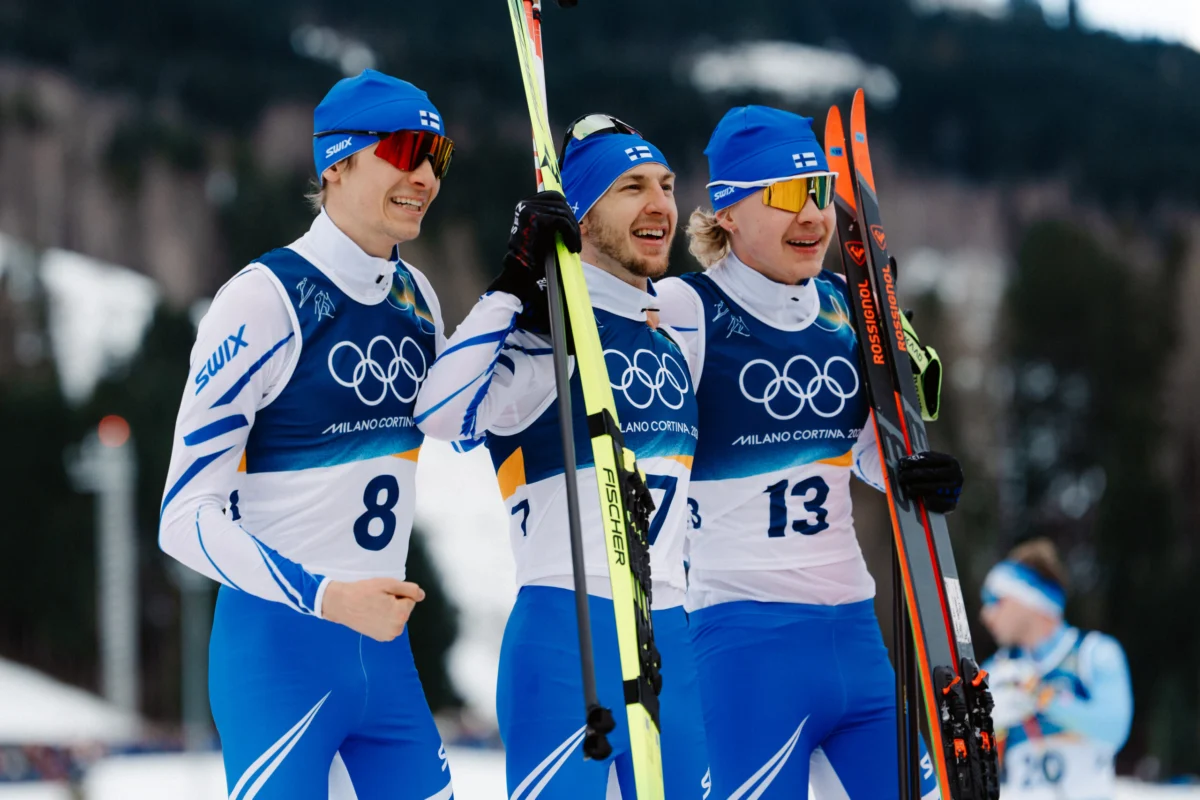
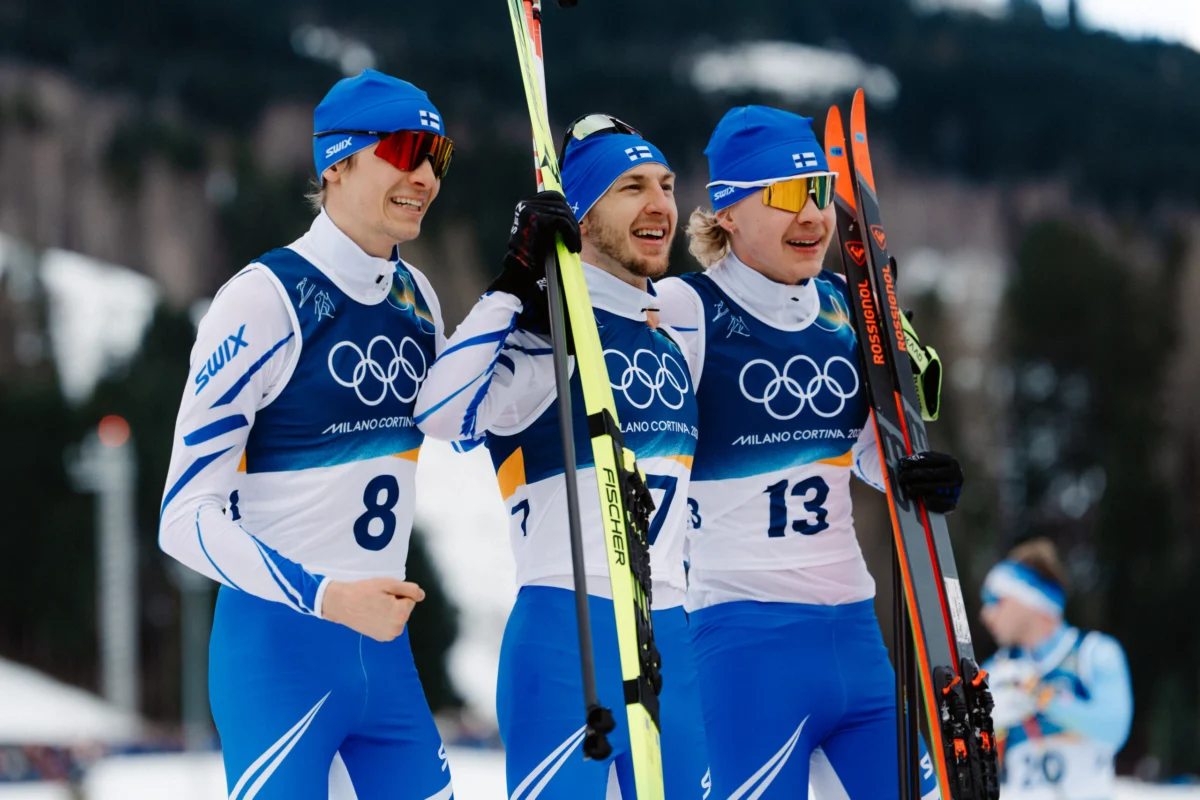
Nordic Combined, often referred to as the ultimate test of a winter athlete, requires the discipline of ski jumping and the physical endurance of cross-country skiing. Since the inaugural 1924 Winter Olympics in Chamonix, it has been a staple of the Games. For many, the removal of the sport is not merely a bureaucratic decision but a fundamental erosion of the "Olympic spirit" that has defined the winter movement for over 100 years.
The decision has particularly deep implications for nations with strong Nordic traditions, including Finland, Norway, and Austria. For these countries, the sport represents a deep cultural heritage. Furthermore, the exclusion means that female athletes, who have been campaigning for years for full Olympic inclusion in the discipline, will be denied the opportunity to compete on the world’s biggest stage in 2030.
Chronology: From Chamonix to the French Alps
To understand the magnitude of this change, one must look at the timeline of the sport’s evolution within the Olympic movement:
- 1924 (Chamonix): Nordic Combined is included in the first-ever Winter Olympic Games. It is established as a male-only discipline.
- 1924–2026: The sport undergoes various format changes—from the individual Gundersen method to team sprints—but remains a constant fixture of the Winter Olympic program.
- 2020s: As the IOC begins to prioritize gender parity and global media reach, Nordic Combined comes under intense scrutiny due to its relatively low global participation numbers and high logistical costs.
- June 2026: The IOC General Assembly adopts a new, more transparent methodology for defining the Olympic program, emphasizing flexibility and global appeal.
- May 2028 (Projected): Preliminary reports signal the potential removal of traditional "legacy" sports to make room for youth-oriented events.
- 2030 (French Alps): The first Winter Olympics since 1924 to be held without Nordic Combined.
The "Fit for the Future" Strategy: The IOC’s Rationale
The decision to reshape the Olympic program is driven by the "Fit for the Future" strategy, spearheaded by IOC President Kirsty Coventry. The strategy, approved in June 2026, aims to ensure that the Games remain relevant to younger audiences and economically sustainable for host cities.
Key Criteria for Inclusion
Under the new guidelines, the IOC evaluates potential sports based on a rigorous matrix:
- Global Participation: Is the sport practiced widely across multiple continents?
- Media Appeal: Does the event generate high viewership numbers and digital engagement?
- Gender Equality: Does the sport offer equitable opportunities for both male and female athletes?
- Cost-Effectiveness: Can the event be hosted within existing or temporary infrastructure without requiring massive new capital expenditures?
Nordic Combined, despite its historical prestige, struggled to meet the modern benchmarks for global growth and media reach. Conversely, Synchro 9 and the new freestyle events are perceived as high-energy, visually dynamic sports that appeal to the coveted 15–35 demographic.
Official Responses: Disappointment and Hope
The reaction from national sporting bodies has been one of profound disappointment, tempered by a pragmatic look toward the future.
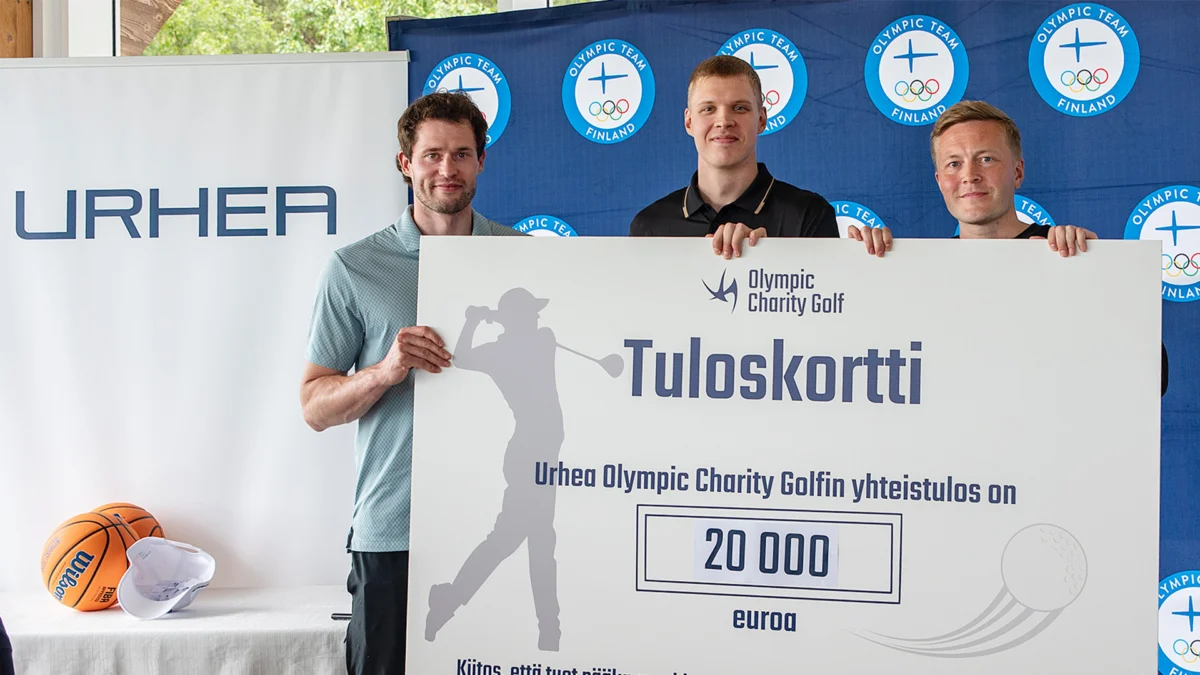
Janne Hänninen, the High-Performance Director of the Finnish Olympic Committee, expressed the sentiment of the Nordic sporting community: "The decision is a great disappointment to us. Nordic Combined is one of the most traditional sports of the Winter Olympics, and Finland has an exceptionally strong history in it. It is particularly regrettable that the women of Nordic Combined were not given the opportunity to compete in the Olympics. It is a disappointment for the athletes and the entire international sports community."
However, Hänninen also emphasized the need to look forward. "The Olympic status is important for the sport, but a single decision does not define the value of Nordic Combined. The sport has a strong history, world-class athletes, and a robust community. We believe in the future of the sport and will continue our work together with the Finnish Ski Association and the international community."
Embracing the New: Synchro 9
While the news regarding Nordic Combined was somber, the Finnish perspective on the inclusion of Synchro 9 was notably positive. Finland has a long and successful history in synchronized skating.
"While the decision on Nordic Combined is a disappointment, we are simultaneously very happy that Synchro 9 has been granted Olympic status," Hänninen noted. "Finland has a strong international position and a long, successful history in this discipline. We look forward to the sport’s first Olympic competition and are ready to support its development together with the Finnish Figure Skating Association."
The Implications: What Does This Mean for the Future?
The removal of Nordic Combined signals a permanent shift in the Olympic philosophy. The IOC is clearly moving away from the concept of "legacy sports" that have traditionally defined the Winter Games, favoring disciplines that offer more spectacle and broader commercial viability.
1. The End of the "Traditional" Winter Games
For decades, the Winter Olympics were defined by the "big three": Alpine skiing, ice hockey, and the Nordic disciplines. With Nordic Combined removed, the identity of the Winter Games will increasingly resemble the Summer Games—characterized by high-frequency, high-intensity events, team competitions, and a heavy focus on aesthetic and freestyle performances.
2. The Pressure on Legacy Sports
Other traditional winter sports may now feel the pressure to innovate. Organizations will likely be forced to modernize their competition formats, increase their efforts to engage female athletes, and demonstrate tangible growth in emerging markets to avoid being the next casualty of the "Fit for the Future" review process.
3. Challenges for National Federations
For smaller nations like Finland, this creates a resource allocation dilemma. With the loss of a medal-heavy sport like Nordic Combined, sporting committees must decide whether to continue investing in "non-Olympic" legacy sports or shift funding toward the new, IOC-approved disciplines like Synchro 9 and freestyle events.
4. The Impact on Athlete Development
The path for young athletes is also changing. Aspiring Nordic Combined athletes now face a reality where their ultimate career goal—an Olympic gold medal—is no longer attainable. This will likely lead to a decline in grassroots participation in the sport over the next decade, further challenging the long-term viability of the discipline outside of the World Cup circuit.
Conclusion: A New Era for the Winter Games
The 2030 French Alps Winter Games will be remembered as a watershed moment. By removing Nordic Combined, the IOC has signaled that sentimentality will no longer protect sports from the realities of the modern media and economic landscape.
As the world looks toward 2030, the focus shifts to how the international sports community will adapt. Will Nordic Combined survive as a premier independent event, or will it slowly fade into obscurity without its Olympic crown? And will the inclusion of Synchro 9 and other freestyle sports successfully capture the imagination of a new generation of spectators?
One thing is certain: the Winter Olympics of 2030 will look fundamentally different from anything that has come before. The Games are evolving, and for athletes and fans alike, this marks the beginning of an era where innovation is the only currency that matters.
For further information regarding the IOC’s decision-making process, stakeholders are encouraged to review the official "Fit for the Future" strategy documents available through the International Olympic Committee’s digital portal.