As the sun lingers long into the Nordic night, the rhythm of life at Uoma reaches a crescendo. In these latitudes, the transition between seasons is marked by the celestial geometry of solstices and equinoxes. For those of us tending the land, there is a profound sense of continuity in this bridge of time; spring flows seamlessly into the high summer of midsummer, and the work of the soil continues until the autumn equinox.
This June, our focus has shifted significantly toward the invisible workforce that sustains our ecosystem: the pollinators. From a sudden influx of 30,000 new winged residents to an ambitious scientific collaboration investigating the "hidden" nightlife of our gardens, this season is shaping up to be one of discovery and renewal.
The Hive: A New Chapter in Sustainable Husbandry
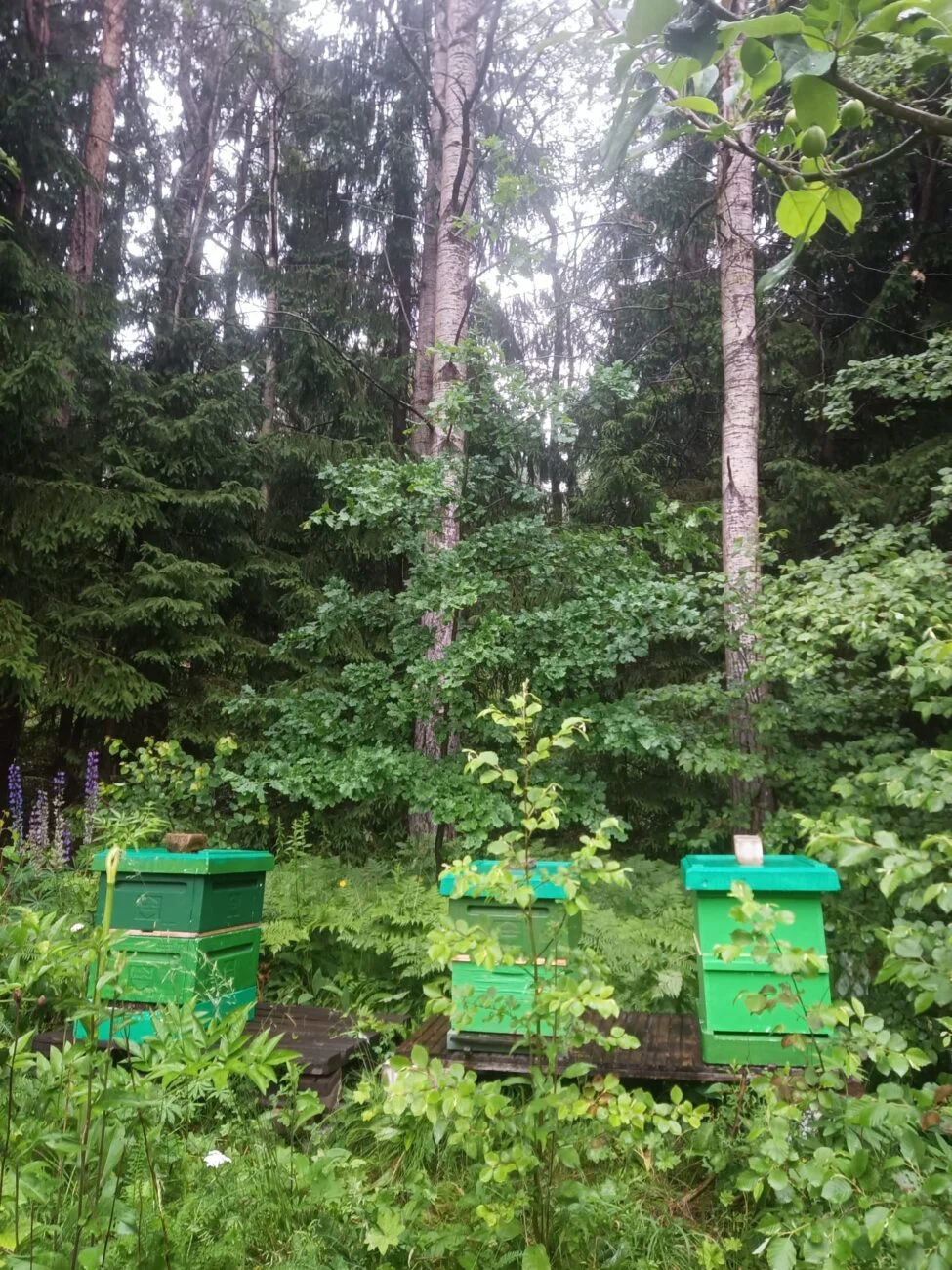
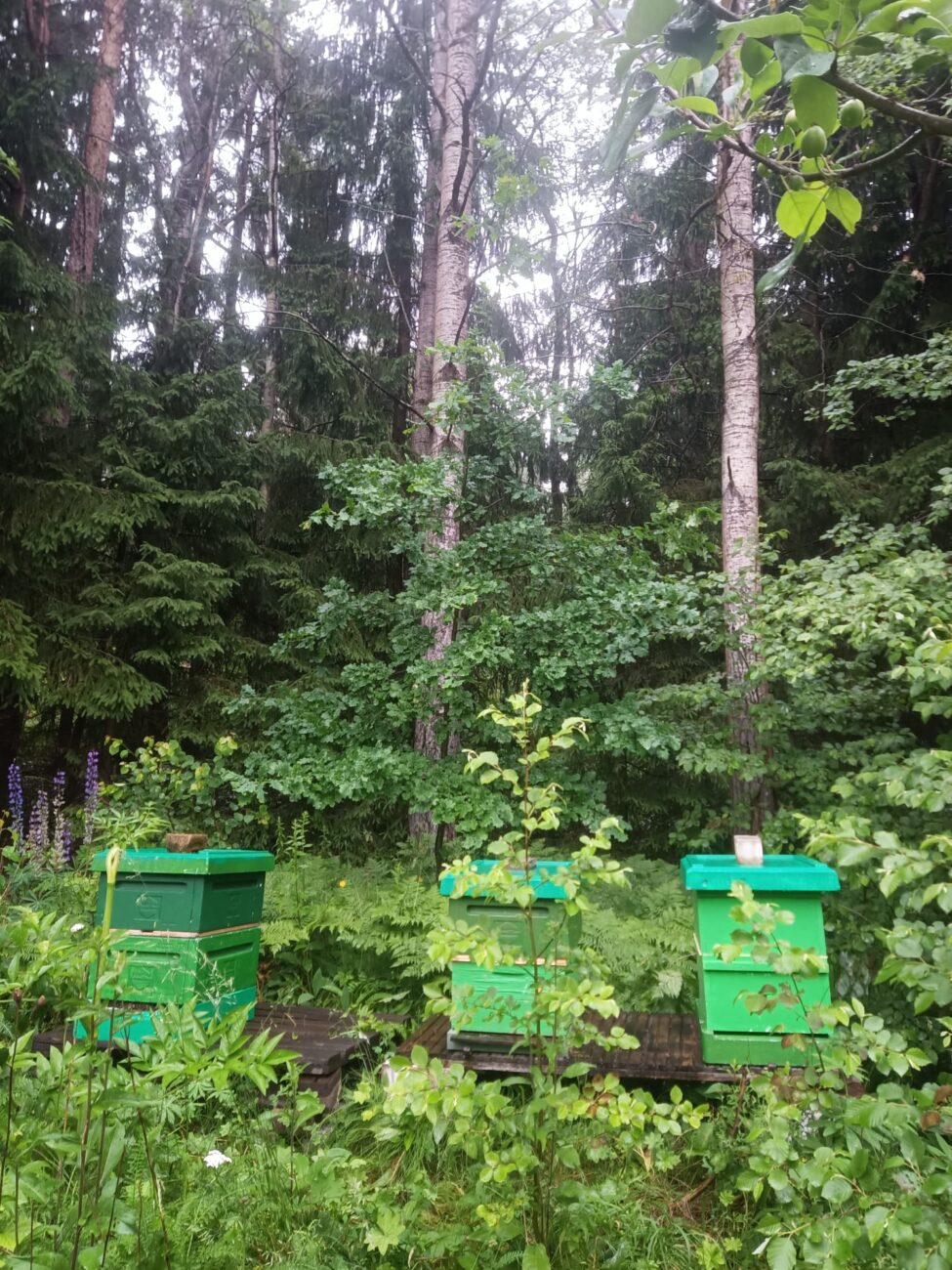
In early June, the pollinator department at Uoma underwent a dramatic expansion. Through a neighborly partnership with a local enthusiast named Mari, we welcomed 30,000 new "colleagues" to the farm. The arrival of these honeybee colonies is not merely an agricultural boon; it represents a cultural shift in how we manage our land.
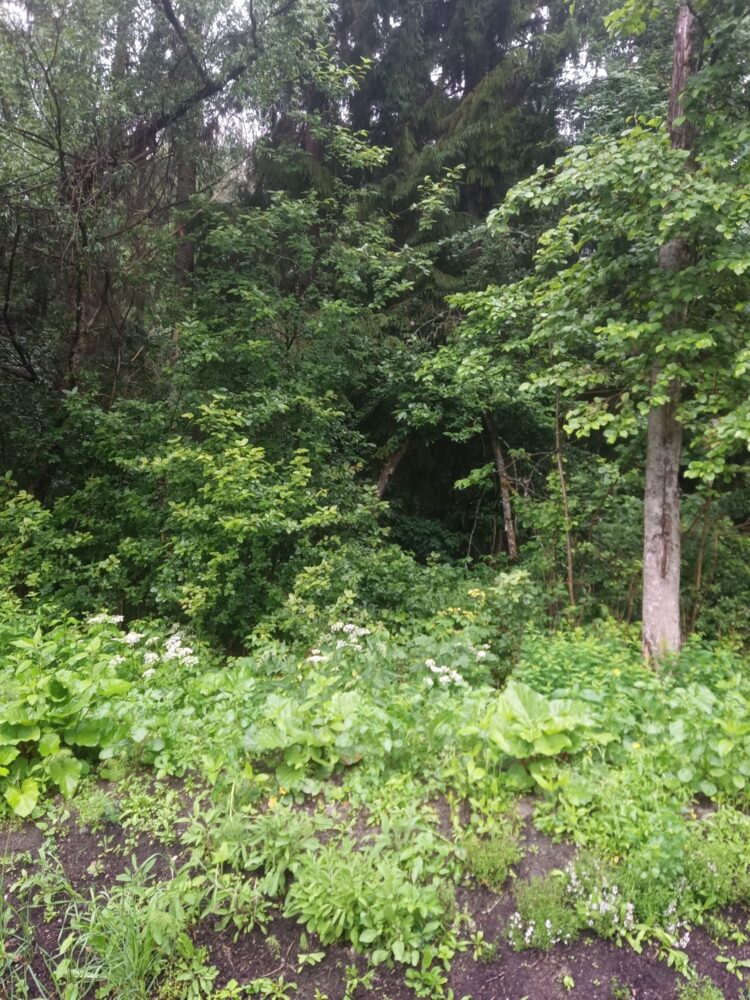
For years, the prospect of beekeeping remained an intimidating frontier for our team. However, the proximity of these hives has lowered the threshold for engagement. We are now in the process of learning the intricate art of apiary management. Honeybees are not just producers of honey; they are the ultimate indicators of environmental health. By integrating these colonies into our forest-edge landscape, we are creating a symbiotic relationship where the bees find sanctuary in our chemical-free environment, and in turn, provide the vital service of pollination for our diverse crops.
Shedding Light on the Darkness: The Nocturnal Pollinator Project
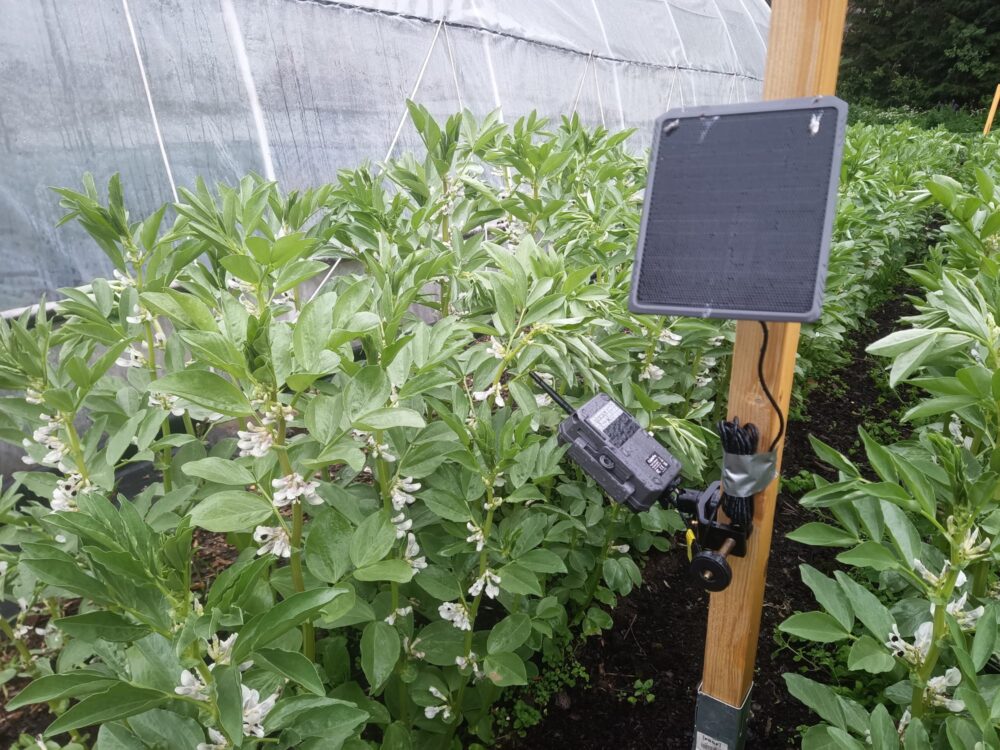
While the buzz of the honeybee is well-documented, the nocturnal world remains largely a mystery. This year, we are proud to participate in a pioneering project led by the Finnish Environment Institute (SYKE): “Pimeään jääneet pölyttäjät” (Pollinators Left in the Dark). This initiative utilizes advanced scientific and artistic photography to document the nocturnal pollination of plants.
The premise of the study is simple yet profound: because traditional pollination research relies on observation during daylight hours, the vital role of night-active insects remains under-researched. This data gap has significant implications for biodiversity and food security. If we do not understand who is visiting our flowers under the cover of darkness, we cannot effectively protect them.
Why Nocturnal Pollination Matters
The preliminary findings of the project suggest that many night-active insects play an underrated role in our food production. The challenge lies in the fact that observing these interactions requires specialized equipment and patience. By capturing these moments, researchers aim to shift public perception and influence policy, ensuring that conservation efforts are inclusive of all pollinator species, not just those that are active during the 9:00-to-5:00 window.
The Pesticide Paradox: A Warning from the Field
A recent discussion with a visiting expert highlighted a chilling reality regarding our modern agricultural practices. While many are aware that pesticides are lethal to honeybees, leading to regulations that often restrict spraying to nighttime hours (typically 10:00 PM to 6:00 AM), the logic reveals a dangerous oversight.
If we restrict spraying to the hours when bees are inactive, we are inadvertently targeting the night-active pollinators that the SYKE study is working so hard to protect. This "pesticide paradox" highlights the necessity of our commitment to organic farming. At Uoma, we reject all artificial fertilizers and synthetic pesticides, recognizing that the health of the soil and the safety of the pollinators are inextricably linked. The protection of one cannot come at the expense of another.
Horticultural Strategy: The Case for Pre-Cultivation
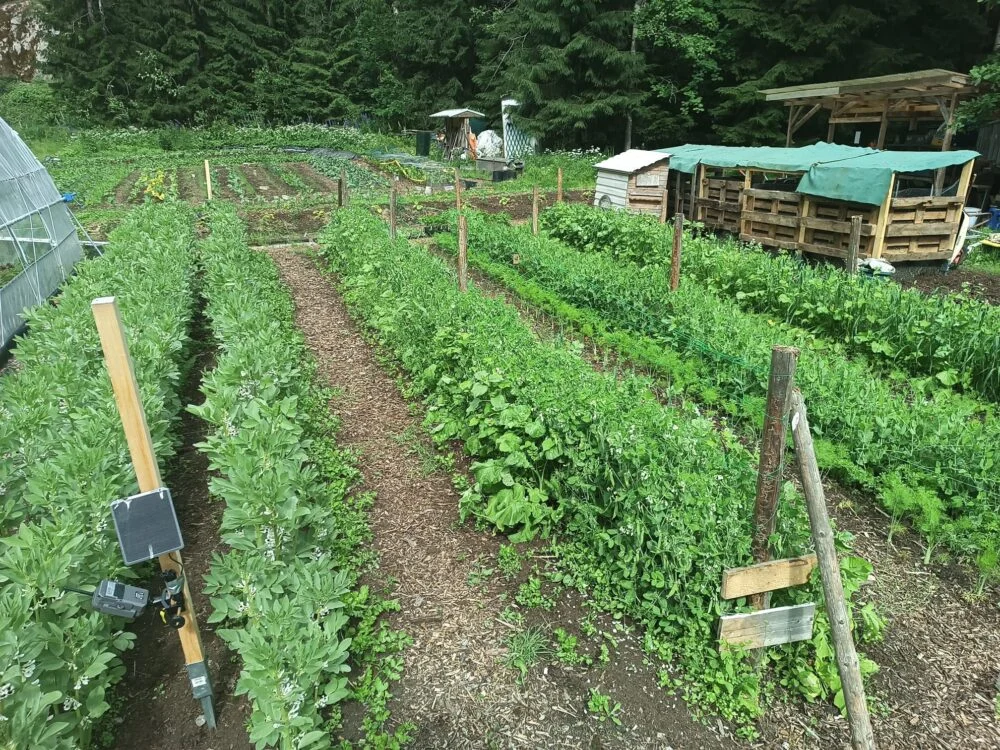
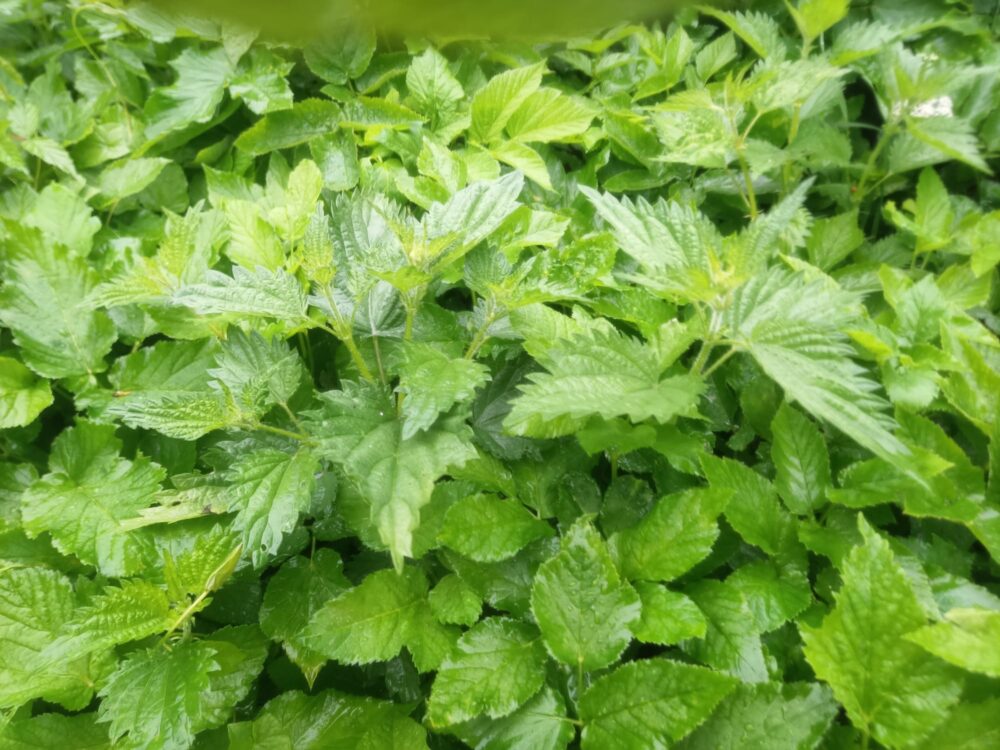
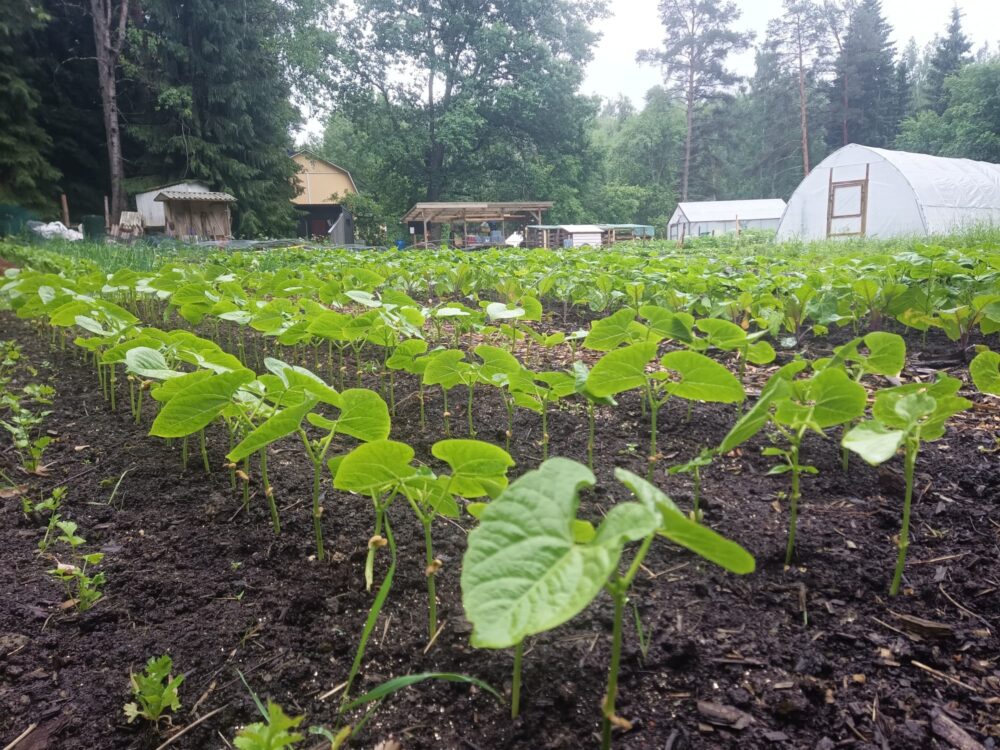
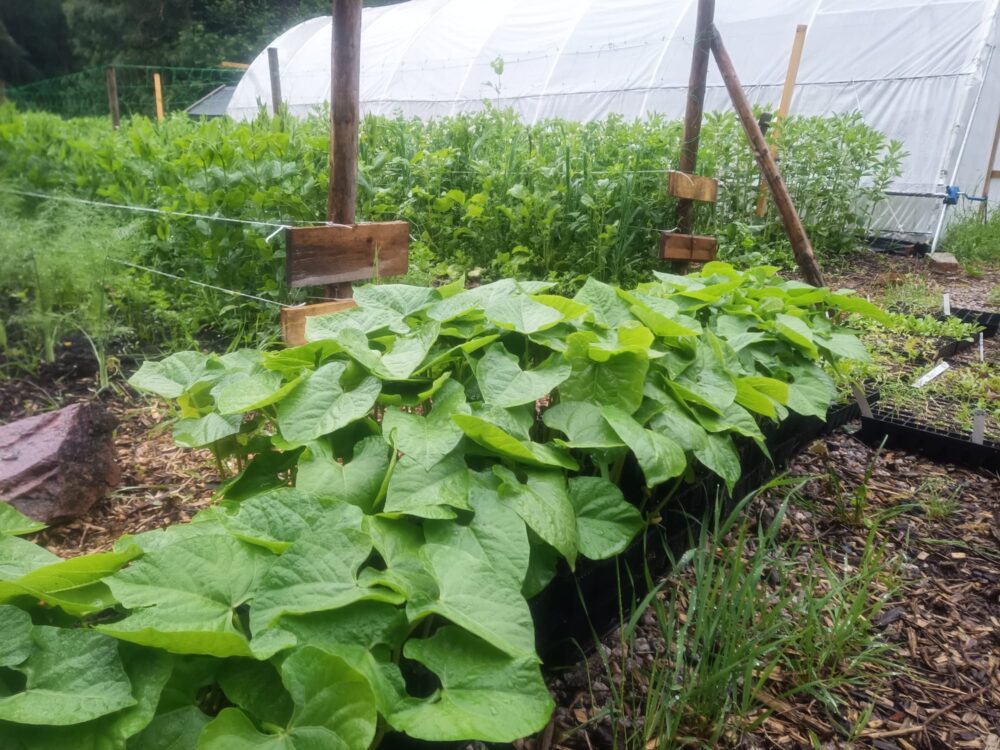
Beyond the world of insects, the vegetable garden is thriving. This year, we made a strategic decision to move all green bean production to a pre-cultivation model. In previous years, we experimented with both direct sowing and pre-cultivation. The results were clear: direct-sown seeds often fell prey to garden "connoisseurs"—the various insects and small mammals that view our seedlings as a gourmet snack. By giving the beans a head start in a controlled environment, we have seen a significantly higher success rate and a more robust crop.
Midsummer Rituals: The Medicinal Garden
As we approach the midsummer festivities, the focus in the kitchen garden shifts from production to wellness. The abundance of the season offers a treasure trove for those interested in herbal self-care.
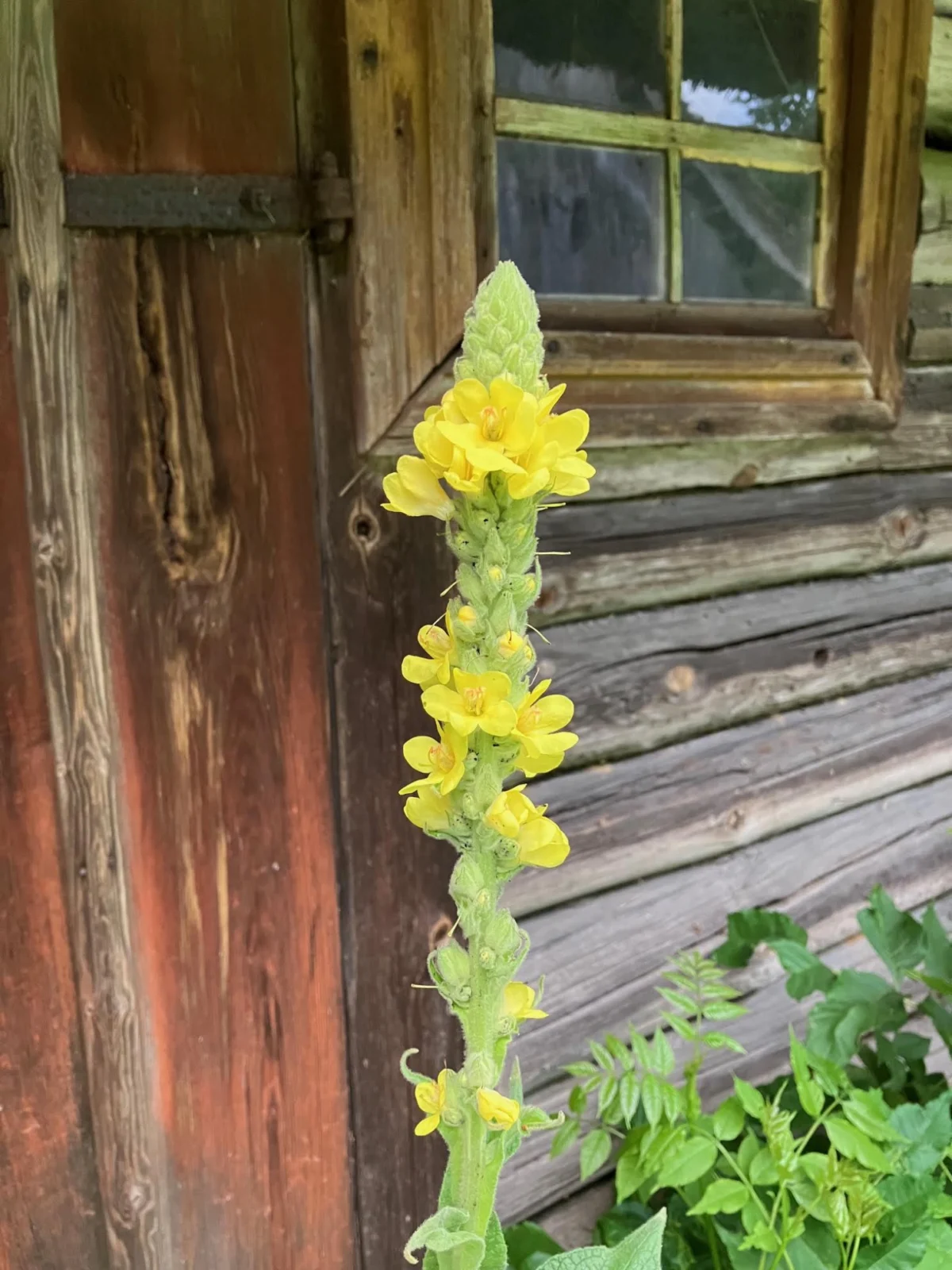
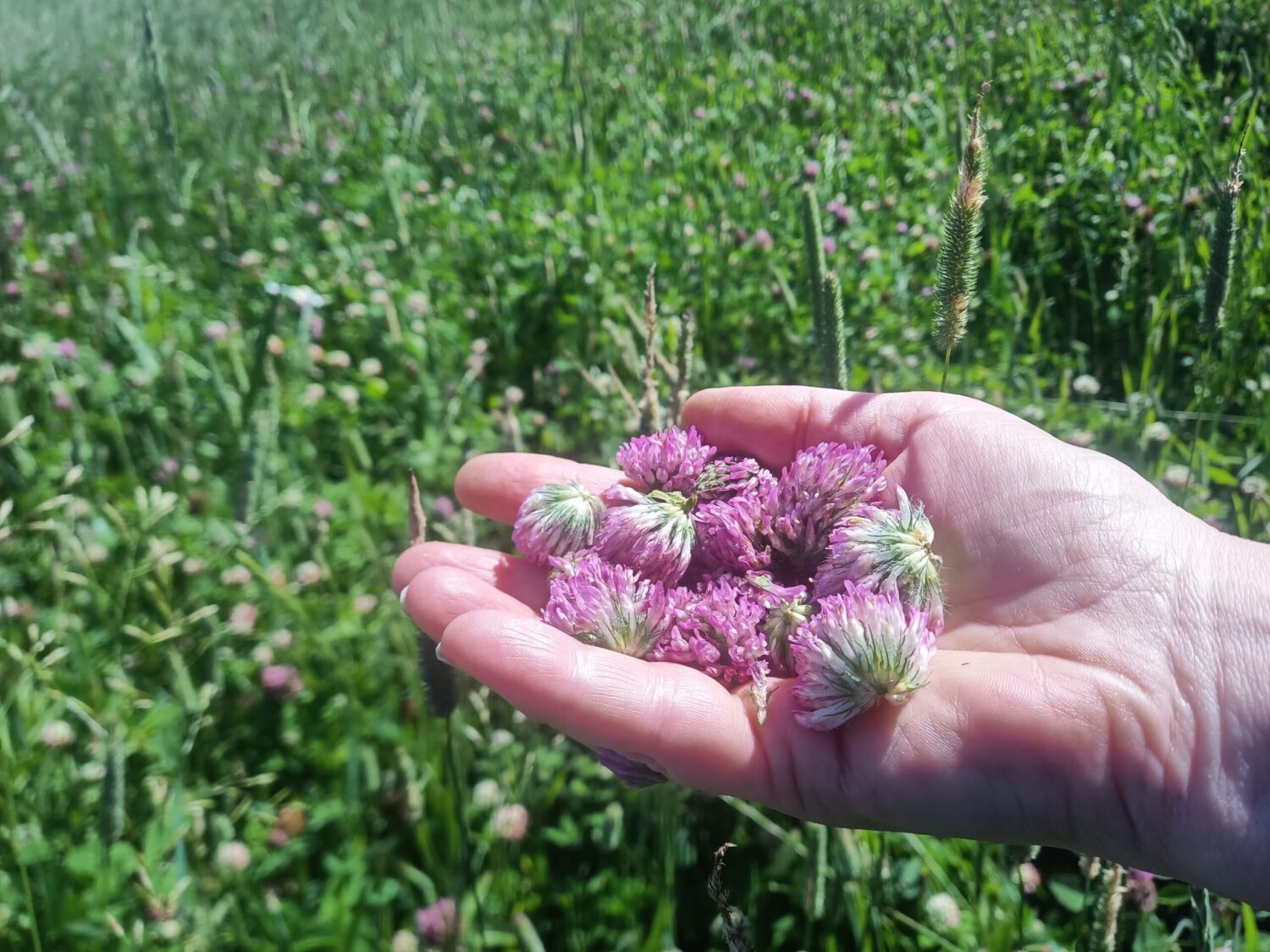
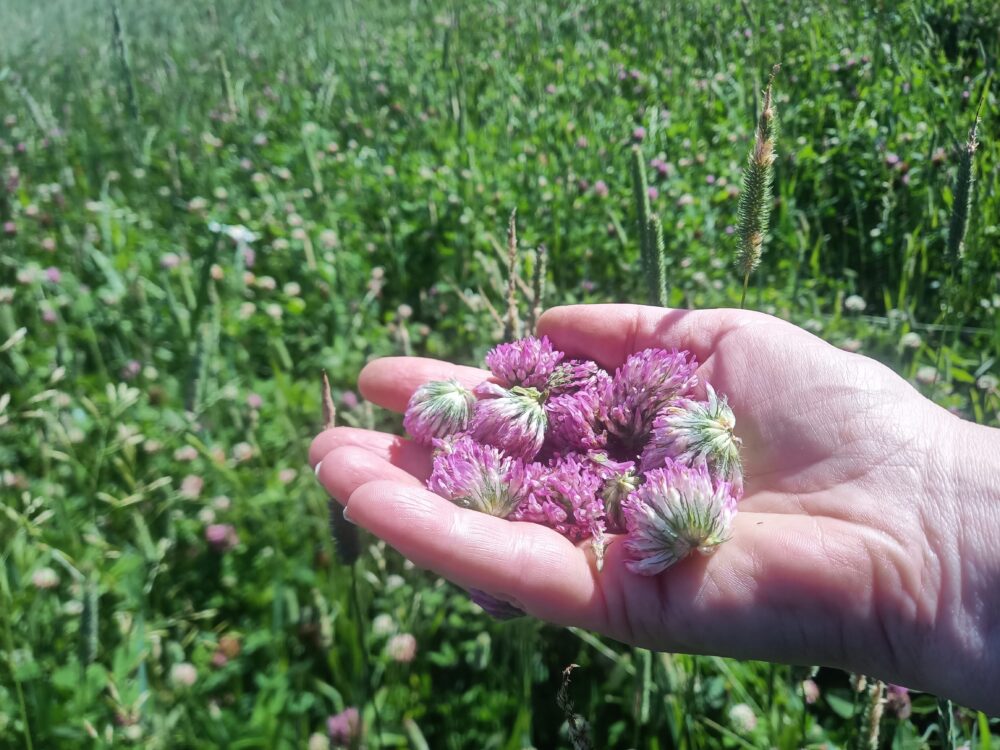
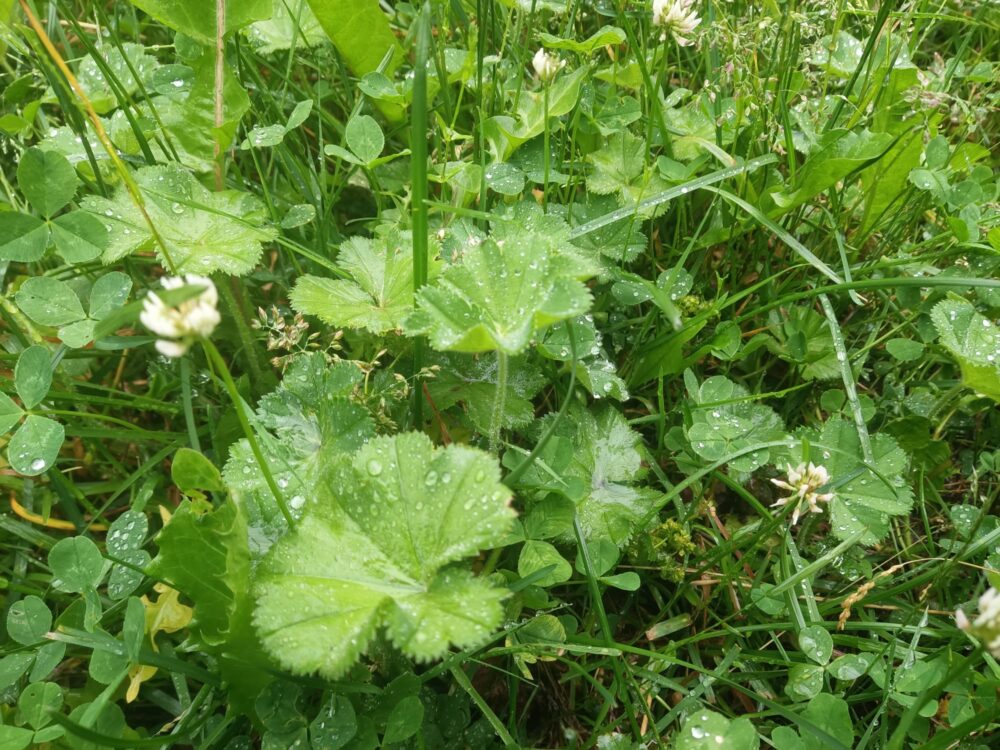
The red clover (Trifolium pratense) and forest clover, with their sweet, intoxicating fragrance, are currently at their peak. These, combined with the structural beauty of lady’s mantle (Alchemilla) and the hardy, medicinal rothosalvia (sage), create the perfect ingredients for a rejuvenating post-sauna foot bath.
The Science of Relaxation
There is more to these plants than their pleasant aroma. Red clover contains formononetin, a precursor to compounds that can positively influence mood. Incorporating these herbs into a warm bath provides a moment of respite after a long day in the fields. These same botanicals—lady’s mantle, sage, and clover—are also excellent for herbal teas, long championed for their ability to support women’s health and hormonal balance.
Culinary Innovation: The Art of the ‘Skeip’
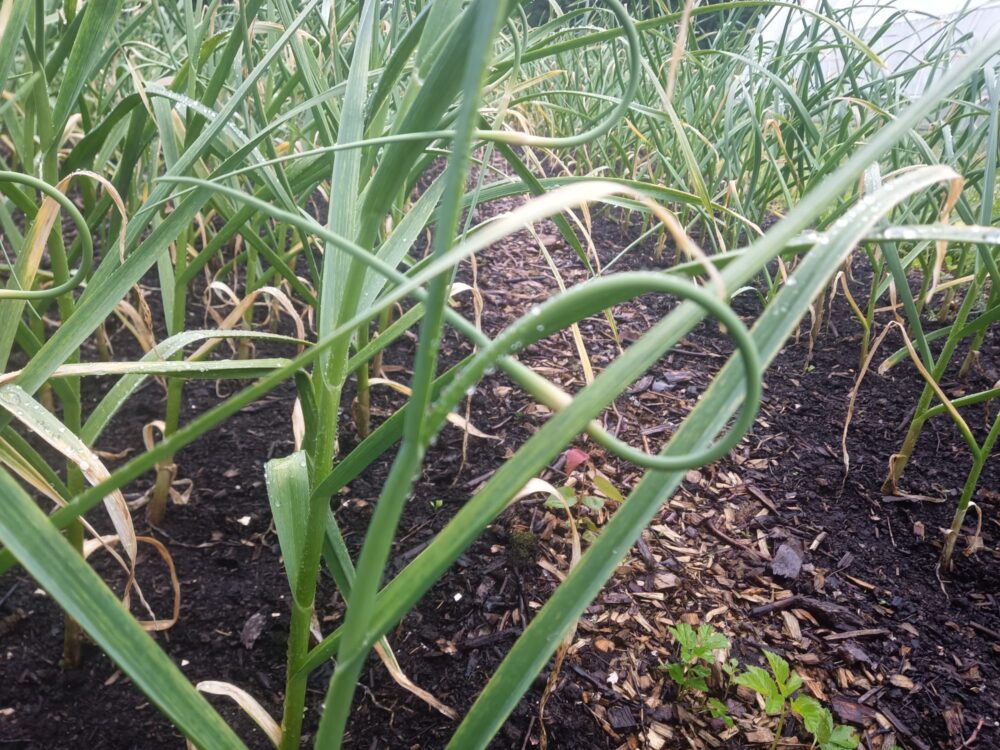
For the home chef, early summer brings the arrival of "scapes"—the long, curling flower stalks of hard-neck garlic. Many novice gardeners mistakenly leave these on the plant, but harvesting them is essential for the quality of the final garlic bulb. By removing the scape, the plant redirects its energy from flowering into the development of the bulb itself.
These scapes are a seasonal delicacy, possessing a subtle, refined garlic flavor that is far less aggressive than the mature clove.
The Uoma Signature: Skeip Orzotto
To celebrate this harvest, we recommend a simple but elegant orzotto—a risotto-style dish using orzo pasta.
Ingredients:
- A generous bunch of fresh garlic scapes, finely chopped.
- 1 cup of Orzo pasta.
- 4 cups of high-quality vegetable stock.
- A knob of high-quality butter.
- Fresh wild mushrooms (for topping).
- Parmesan cheese or nutritional yeast.
- Fresh parsley, salt, and black pepper.
Methodology:
- The Base: Sauté the chopped scapes in olive oil until translucent and fragrant.
- The Toasting: Add the dry orzo pasta to the pan, ensuring each grain is coated in oil.
- The Infusion: Gradually add the warm vegetable stock, one ladle at a time, stirring constantly. The starch from the orzo creates a creamy texture without the need for heavy cream. Continue until the pasta is al dente.
- The Topping: While the orzo cooks, sear your wild mushrooms in a separate pan with a butter-oil blend. Season with fresh parsley, salt, and pepper.
- The Finish: Once the orzo is cooked, stir in a knob of cold butter and a generous amount of grated parmesan. The result should be a silky, savory dish that highlights the unique, seasonal flavor of the garlic scape.
Implications for the Future
The work we do at Uoma is a microcosm of a larger, necessary shift in how we relate to our environment. Whether it is protecting nocturnal pollinators, choosing pre-cultivation over high-risk direct sowing, or finding value in the "waste" products like garlic scapes, our goal is to foster a system that is resilient, observant, and deeply connected to the natural cycles.
As we look toward the remainder of the summer, we are reminded that stewardship of the land is not just about the harvest—it is about the integrity of the ecosystem that makes that harvest possible. By participating in citizen science and choosing to work with nature rather than against it, we ensure that the fields of Uoma remain a sanctuary for years to come.
To support independent environmental journalism and stay updated on our research, consider subscribing to Suomen Luonto. Your support enables us to continue documenting the critical, often invisible work of our planet’s pollinators and the people who protect them.