In an era defined by digital saturation and the rapid consumption of bite-sized content, the act of deep reading remains a cornerstone of the wilderness experience. For those who view the trail not merely as a physical path but as a philosophical landscape, books serve as both map and compass. Recently, the fifth iteration of the "Hiking Books Guide"—a project curated by The Hiking Life—has been significantly expanded, now encompassing over 90 seminal works that define the ethos of outdoor exploration.

This collection, meticulously gathered over years of personal trekking and research, is divided into eight thematic pillars: Educational, Guidebooks, Humour, Inspirational, Literature, Memoirs, Philosophy, and Ultralight Backpacking. By bridging the gap between technical instruction and existential reflection, this library offers a comprehensive look at the evolution of modern hiking culture.

The Architecture of the Collection: A Chronology of Influence
The evolution of hiking literature mirrors the evolution of the activity itself. From the early 20th-century pioneers like Horace Kephart, who laid the groundwork for lightweight methodology, to the modern, data-driven guides of the digital age, the "Hiking Books Guide" traces a trajectory of increasing refinement.

The collection is categorized to serve the diverse needs of the modern outdoorsperson:

- Educational: Providing the technical bedrock for safety, navigation, and environmental stewardship.
- Guidebooks: Offering practical, field-tested data for navigating global terrains, from the Scottish Highlands to the American wilderness.
- Humour: Recognizing that the absurdity of suffering on the trail requires a healthy dose of perspective.
- Inspirational: Highlighting the narratives of those who pushed the boundaries of human endurance.
- Literature: Works that elevate the act of walking into an art form.
- Memoirs: Personal odysseys that capture the psychological toll and triumph of long-distance trekking.
- Philosophy: Exploring the deeper questions of why we venture into the "wild" and what it reveals about our internal state.
- Ultralight: The technical evolution of weight reduction, tracing back to the seminal works of the early 1990s.
Supporting Data: Why Literature Matters to the Hiker
The value of these books lies in their ability to provide "vicarious experience." For the novice, educational texts mitigate the risks inherent in remote travel. For the seasoned thru-hiker, literary works provide a vocabulary for the solitude and existential clarity often found in the backcountry.

The guide emphasizes that all 90+ works included are held on the curator’s personal—or digital—bookshelves. This is not merely a list of best-sellers; it is a curated archive of the most "experienced and knowledgeable hikers and outdoorsy folks on the planet." By prioritizing authors who have "walked the walk," the collection maintains a standard of authenticity that distinguishes it from generic outdoor reading lists.

The Philosophical Core: Beyond the Path
A defining feature of this collection is its inclusion of works that move beyond "how-to" and into "why-to."

Consider the inclusion of indigenous perspectives on the natural world, which challenge the Western hierarchy of "human as master of creation." As one featured excerpt suggests, viewing humans as the "younger brothers of Creation" changes the hiker’s relationship with the environment from one of conquest to one of apprenticeship.

Furthermore, the guide highlights the biological interconnectedness of forest ecosystems—the "wood wide web." By understanding the communication between trees and fungal networks, the hiker gains a profound appreciation for the complexity of the wilderness, transforming a simple walk into a lesson in ecology and interdependence.

Official Perspectives and Thematic Debates
The curation process has not been without its debates. A notable point of contention within the community—and addressed within the guide—is the exclusion of certain popular "thru-hiking memoirs." The curator notes that while works like Cheryl Strayed’s Wild have brought massive mainstream attention to the sport, they do not necessarily align with the specific, often more technical or philosophical, focus of this particular collection.

This intentionality is what gives the guide its weight. It does not aim to reflect the popular zeitgeist but rather to construct a "canon" of hiking thought that prioritizes the "odyssey" over the "celebrity."
Implications for the Future of Hiking
As the outdoor community grows, the implications of this guide are twofold.

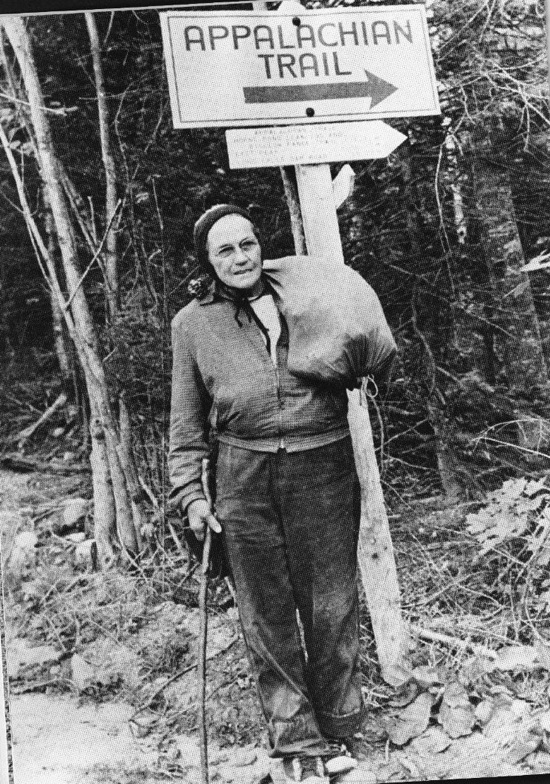
First, it serves as a preservation effort. By highlighting classic texts—such as the works of John Muir or the foundational "Ultralight" manuals of the 1990s—it ensures that the roots of modern backpacking are not forgotten as new technology, such as GPS and ultralight carbon-fiber gear, dominates the conversation.

Second, it encourages a "slow" approach to the wilderness. The guide argues that whether one is reading about the "Range of Light" or learning how to pack a lighter kit, the end goal is the same: to move through the world with less strain and greater awareness.

The Synthesis of "Being"
Perhaps the most significant takeaway from the fifth edition is the emphasis on "Being." As the guide notes, quoting the wisdom of mountain pilgrims, the journey is a "technique by which the god is sought." For the reader, the hiking book is not just a guide to a destination; it is a guide to the self.

As the author succinctly puts it: "The less you carry, the more you will see; the less you spend, the more you will experience." This ethos is woven through every category of the guide, reinforcing the idea that the ultimate destination of any trail—and any book—is a state of mind.

Conclusion: Building Your Own Library
The "Hiking Books Guide" stands as an invitation to curate one’s own intellectual and technical library. Whether you are a weekend warrior or a lifelong trekker, the integration of these 90+ works into your routine will undoubtedly sharpen your skills and deepen your appreciation for the natural world.

In a world that is increasingly loud and cluttered, this collection offers a quiet, steady path forward. As the guide suggests, the end of a journey—or a book—is not a goal attained, but merely another point in a continuing process. It is time to keep moving forward, refreshed, and well-read.

Note: This article is intended for informational purposes. The Hiking Life maintains a disclosure policy regarding affiliate links included in the guide, noting that commissions earned help sustain the ongoing effort to curate high-quality content for the global hiking community.