Introduction: The Hidden Peril of the Forest
In the quietude of the wilderness, the towering lodgepole pines and ancient cedars that frame our campsites are often viewed as symbols of stability and sanctuary. Yet, for the seasoned adventurer, these wooden monoliths can quickly transform into high-stakes hazards. While fatalities caused by falling trees—often referred to by woodsmen as "widowmakers"—are statistically rare compared to risks like hypothermia or falls, they represent a uniquely unpredictable danger. Unlike a cliff edge or a raging river, a compromised tree is a stationary hazard that can fail without warning, turning a peaceful night under the stars into a tragedy.
This article examines the science behind tree failure, the grim reality of recent backcountry incidents, and the critical assessment skills every hiker must develop to navigate forests safely.
The Anatomy of a Hazard: Why Trees Fall
To understand the risk, one must first understand the life cycle of a tree and the environmental stressors that precipitate failure. A "hazard tree" is defined as any tree with structural defects that make it prone to failing, potentially striking people or property.
1. The Burn Area Legacy
The 1988 Yellowstone wildfires, which scorched nearly 1.4 million acres, serve as a masterclass in long-term forest instability. When a wildfire sweeps through a landscape, it does not just consume needles and brush; it compromises the root systems and the structural integrity of the trunks. Years later, these "matchstick forests" remain standing, held up by decaying root balls and thinning bark. These trees are highly susceptible to "windthrow," where gusts topple trees that have lost their anchorage.
2. Pathogens and Decay
Beyond fire, the mountain west and other forested regions are plagued by root rot fungi, bark beetles, and heartwood decay. A tree may appear healthy from a distance, with a full canopy, while the interior of the trunk is hollowed out by rot. Insects like the mountain pine beetle weaken the vascular system of the tree, leading to rapid die-offs that leave standing dead timber—often called "snags"—which can remain standing for years before succumbing to gravity.
3. Environmental Triggers
Wind is the primary catalyst for failure. However, it is rarely just the wind speed that matters; it is the combination of wind and soil saturation. When heavy rain or rapid snowmelt softens the earth, the root systems lose their "grip" on the soil. A tree that would withstand a 40-mph gale on a dry, rocky ridge may easily topple in the same wind if its roots are sitting in a boggy meadow.
Chronology of Tragedy: A Pattern of Risk
While incidents remain statistically low-frequency, the past decade has highlighted a sobering reality: no location, from remote wilderness to maintained trails, is immune.
- August 2019 (Pacific Crest Trail): A thru-hiker was struck and killed by a falling tree while traversing a trail corridor, highlighting the risk even while in motion.
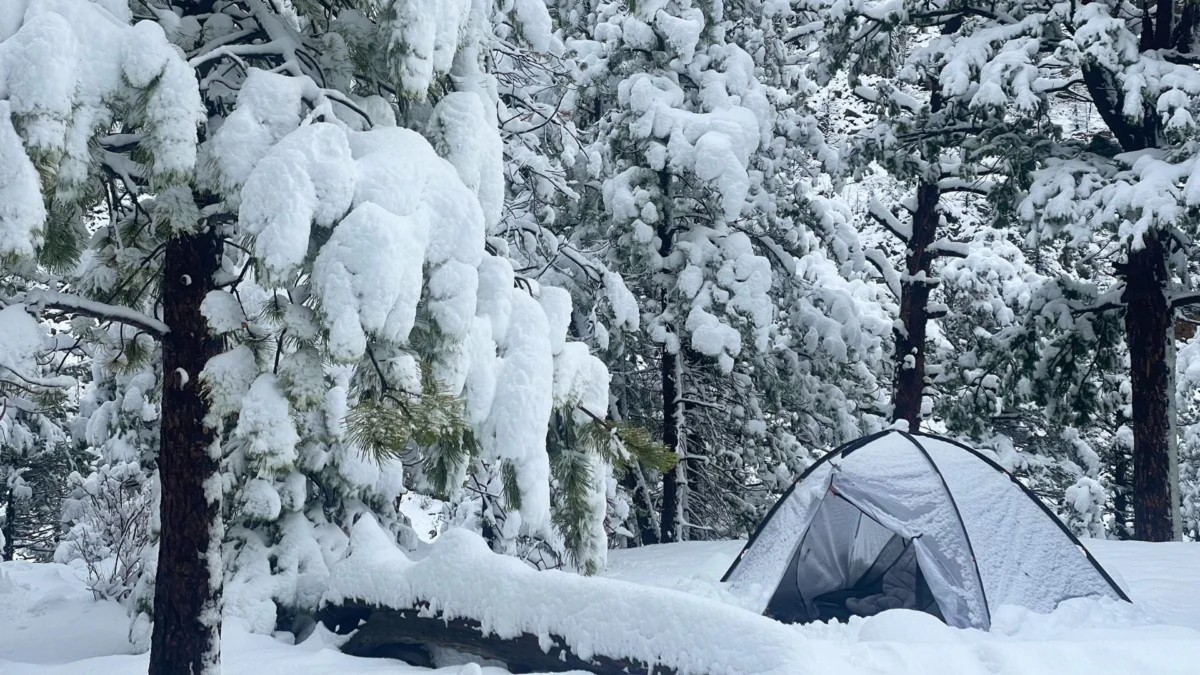
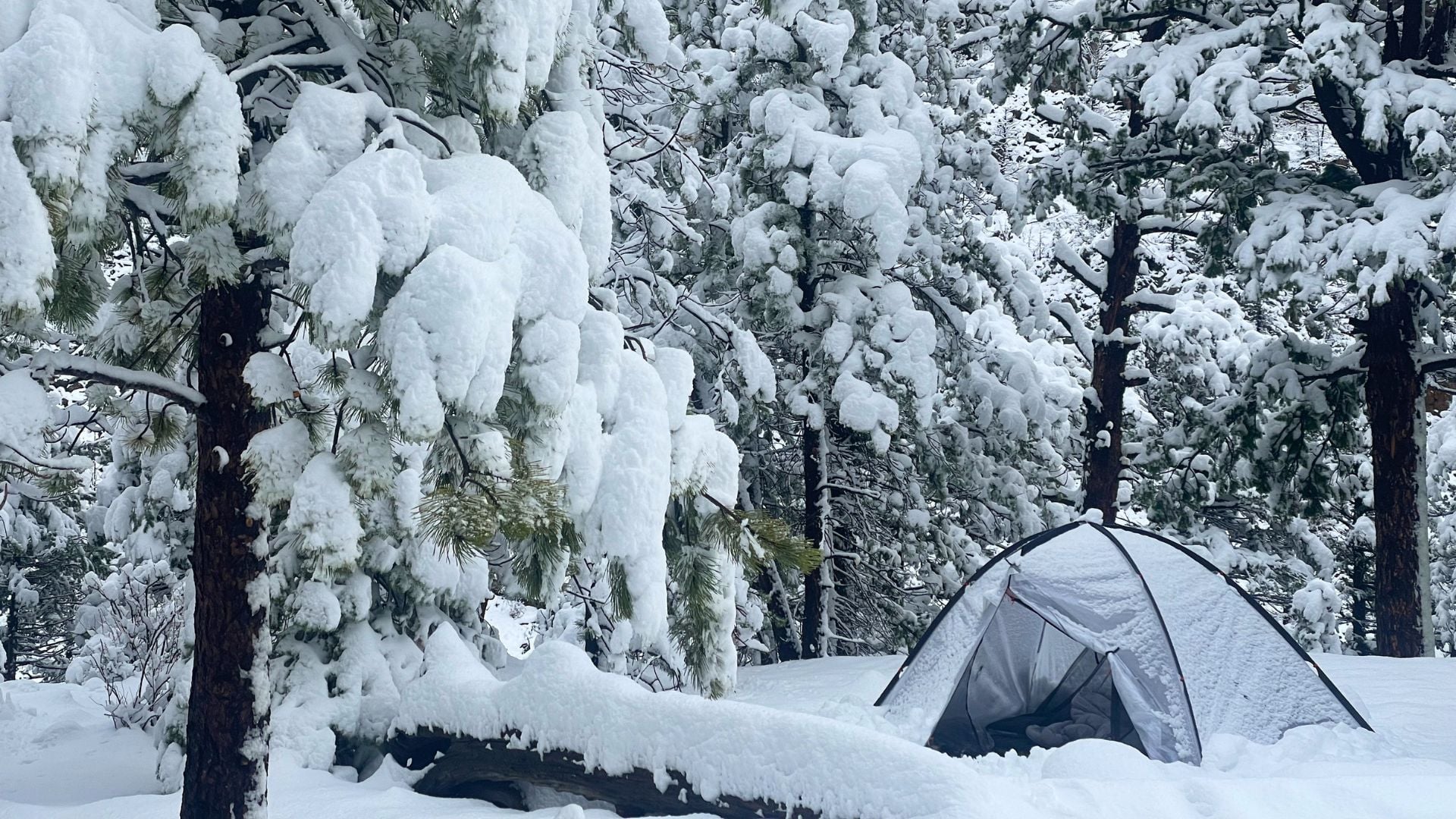
- August 2019 (Colorado Trail): A backpacker was killed when a tree collapsed onto her tent. This incident underscores the heightened vulnerability of campers who remain stationary in a single location for 8–10 hours.
- May 2021 (White Mountain National Forest): In a tragic illustration of how gear choice can influence risk, a backpacker utilizing a hammock was killed when the tree supporting his suspension system failed.
- August 2022 (Olympic National Park): A visitor was killed at the remote Elk Lake wilderness campsite when a tree fell directly onto their tent. This incident led to a complex recovery operation by the National Park Service, underscoring the severity of such events in backcountry settings.
These events are not isolated anomalies; they are indicators of a persistent hazard that grows as forests age and climate patterns shift.
Supporting Data: Understanding the Odds
According to data collected by various land management agencies, tree-related fatalities are categorized as "low-frequency, high-consequence" events.
- Exposure Time: A backpacker is significantly more at risk than a day hiker. While a day hiker passes through a hazard zone in seconds, a camper exposes themselves to the risks of a specific site for an entire night, often during the hours of darkness when wind patterns can shift unpredictably.
- Incident Distribution: Research suggests that incidents are most frequent in areas with high densities of "snags" (standing dead trees), particularly following drought cycles that weaken tree resilience.
- The "Sleep" Factor: A large percentage of fatalities occur at night. The lack of visibility and the inability to react to the sound of a creaking trunk make the hours of sleep the most dangerous time for the backcountry traveler.
Official Responses and Management
Land management agencies, including the National Park Service (NPS) and the U.S. Forest Service (USFS), have long struggled with the paradox of hazard trees. While they maintain "developed" campgrounds by removing obviously dangerous trees, they cannot—and do not—mitigate risk in the vast, untrammeled wilderness.
The Wilderness Management Paradox
The philosophy of the Wilderness Act of 1964 emphasizes "untrammeled" landscapes. Consequently, agencies generally do not perform tree removal in designated wilderness areas unless a trail is completely obstructed. This policy places the burden of risk assessment squarely on the shoulders of the individual. Official signage in many parks now includes warnings about "widowmakers," yet these are often ignored by visitors who lack the arboricultural training to identify specific risks.
Practical Implications: How to Assess and Mitigate Risk
The question should not be "Are trees dangerous?" but rather, "Am I about to spend the next several hours in a high-risk zone?" To mitigate this, hikers should adopt a rigorous site-selection protocol.
H3: The "Tree Safety" Checklist
- Look Up (The Canopy): Scan the tops of trees for "widowmakers"—broken branches that are hung up in the canopy, dead tops, or trees that have lost their needles. If you see a "leaner" (a tree leaning toward your site), move.
- Look Down (The Roots): Inspect the ground around the tree’s base. Look for "heaving" soil, which indicates the roots are pulling out of the ground. Avoid camping near trees with visible fungus, mushrooms, or significant rot at the base.
- The Wind Factor: Listen to the forest. If you hear the "groaning" or "creaking" of timber, you are in a high-risk environment. In windy conditions, seek out areas with younger, more flexible trees or open meadows far from the forest edge.
- Hammock Awareness: If you are a hammock user, your risk profile is different. You are physically tethered to the hazard. Always perform a "shake test" on the tree and ensure the tree shows no signs of decay, as you are exerting leverage on the trunk.
- Avoid the "Burn": When hiking through recent burn areas, be hyper-vigilant. These forests are the most volatile. If a storm is approaching, get out of the burn area entirely.
Conclusion: Cultivating Situational Awareness
The beauty of the backcountry is inherently linked to its wildness. Part of that wildness is a forest that is alive, changing, and eventually, dying. We cannot—and should not—expect the wilderness to be sanitized of all hazards. However, by cultivating a high level of situational awareness, we can move through these landscapes with respect for their risks.
The next time you pull into a campsite, take an extra five minutes. Look at the canopy, check the roots, and ask yourself if you are truly safe. That brief moment of consideration is the difference between a restful night and a tragic encounter with the forces of nature. The forest is not out to get us, but it is indifferent to our presence; it is our responsibility to ensure we are not standing in the way when the weight of gravity finally takes hold.