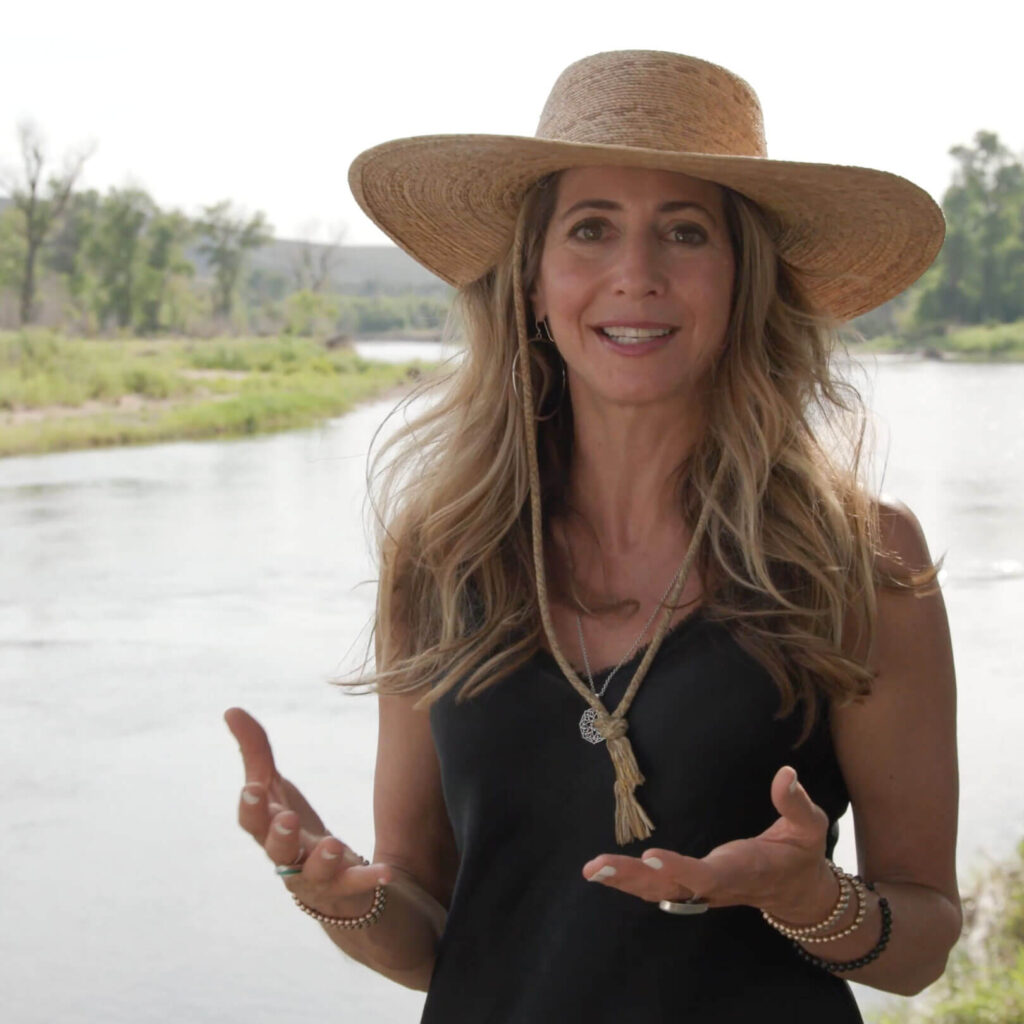
In an era defined by climate volatility, dwindling water supplies, and the encroachment of industrial development, the rivers of the American West face an existential crossroads. Standing at the intersection of science and advocacy is Tillie Walton—a hydrologist, seasoned river guide, and the visionary host of the PBS series Wild Rivers with Tillie. Through her lens, rivers are not merely geographical features or water delivery systems; they are the "exquisite jewels" of our planet, the lifelines that bind us to the landscape and to one another.
As a dedicated partner of American Rivers, Walton has spent her career translating the complex language of hydrology into a message that resonates with everyone from policy makers to casual outdoor enthusiasts. Her work is a testament to the idea that to save a river, one must first learn to love it.
The Genesis of a River Advocate: A Chronology of Commitment
Walton’s journey began not in a laboratory, but in the heart of the Rio Grande. As a high school senior on a three-week expedition in Big Bend National Park, she experienced a moment that would dictate the trajectory of her life.
"We were inner-city kids, some of us didn’t even know how to swim," Walton recalls. "I was terrified of the tippy canoes." It was the intervention of an instructor that transformed her fear into a lifelong vocation. "He told me to put my paddle down, lie back, and keep my eyes open. As I drifted, feeling the river beneath me and the canyon walls towering above, something just clicked. I knew right then that this was what I wanted to do."
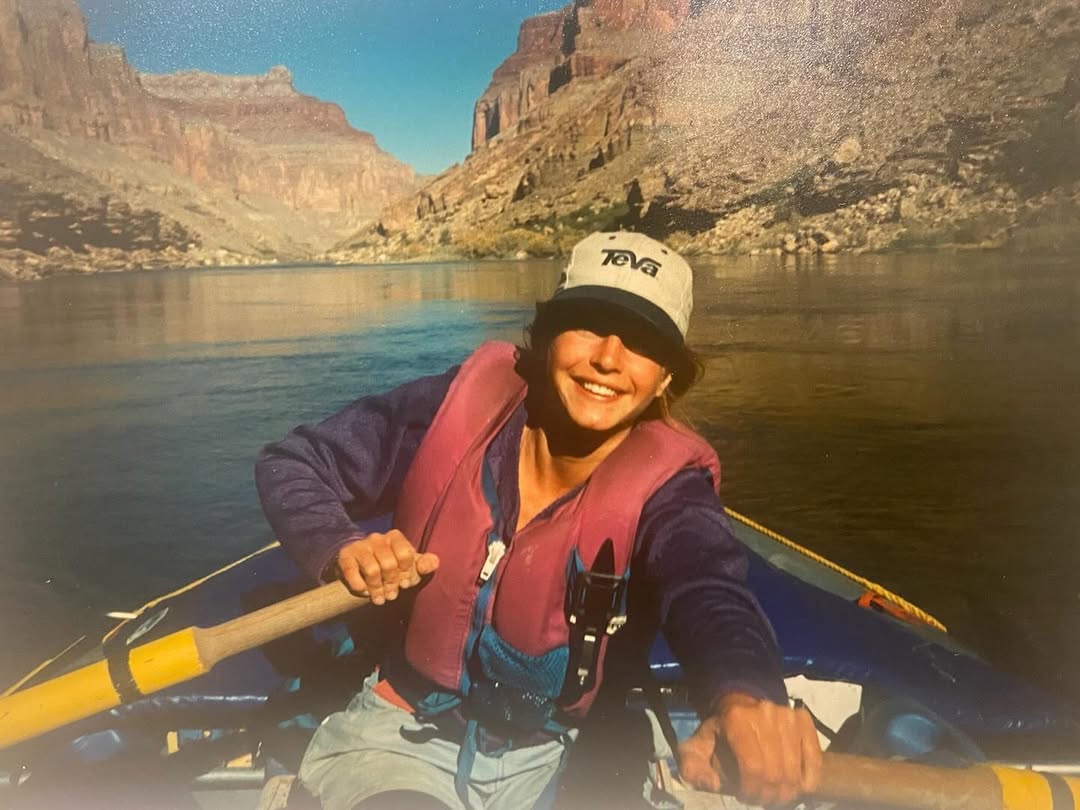
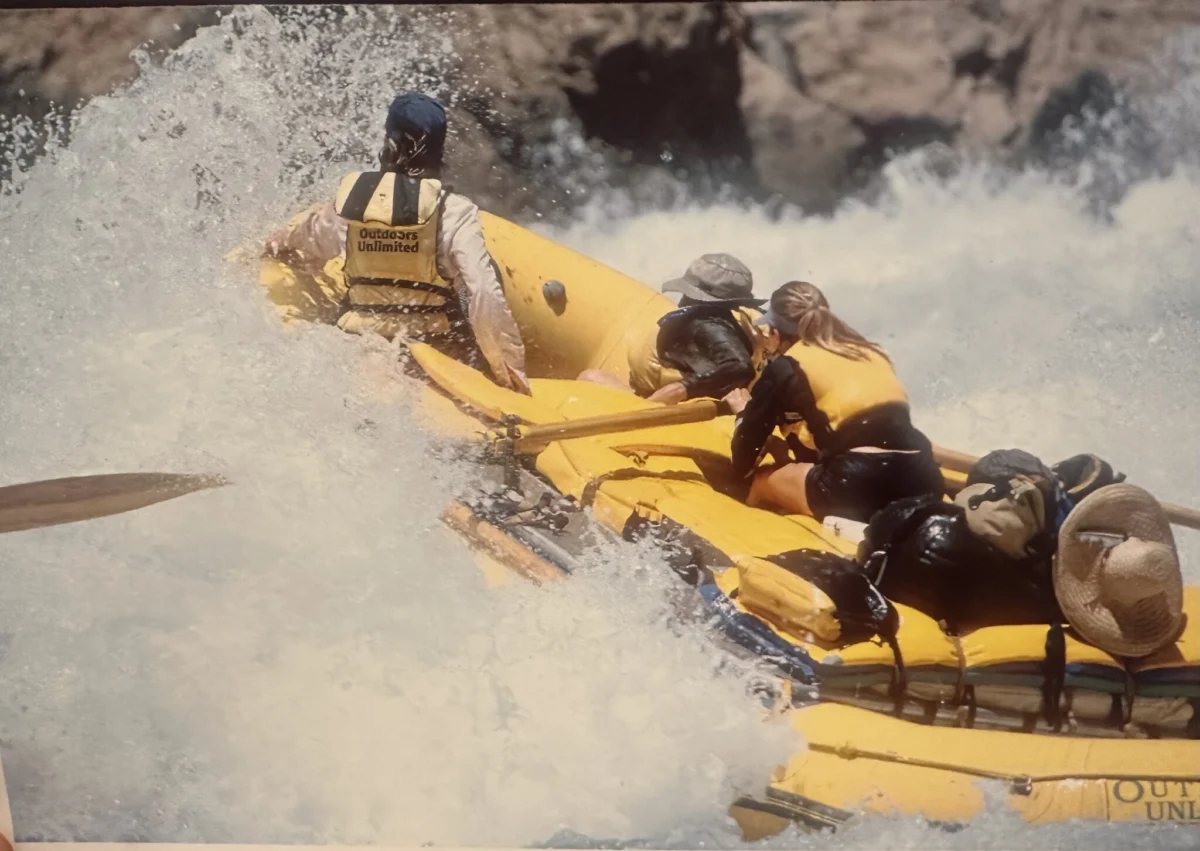
This foundational experience propelled her into a career as a professional Grand Canyon guide. For years, she observed the transformative power of the river on diverse groups of people. She saw how the water stripped away the artificial divides of politics, socioeconomics, and religion, leaving only the raw, human connection to nature. This realization became the bedrock of her subsequent conservation work and her eventual transition into media with Wild Rivers with Tillie.
The Anatomy of Wild Rivers with Tillie
Season one of the PBS series serves as both a travelogue and a call to action. Walton guides viewers through the Rogue, the Colorado, the Yampa, and the Snake rivers. The show is unique in its unscripted nature; the narrative emerges organically from the river’s rhythm and the people Walton encounters along the way.
"It’s always unscripted," Walton explains. "We are often meeting people for the first time on the banks of a river. We don’t know what the story is until the trip is over."
This approach allows for a rare, authentic dialogue. In the course of filming, Walton has facilitated conversations between unlikely allies—Native American tribal leaders, conservative ranchers, and environmental activists—all of whom share a singular, unifying concern: the health of their local waterways. The series highlights the stark reality of modern conservation: that the challenges facing these rivers, from drought to pollution, require a coalition of voices that transcends traditional ideological barriers.
Supporting Data: Why Rivers Matter
The urgency of Walton’s mission is backed by sobering hydrological data. Freshwater systems make up less than 1% of all water on Earth, yet they support the vast majority of terrestrial life. They are the arteries of the planet, providing drinking water, irrigation, and essential ecosystem services.
Despite their critical importance, rivers in the American West are under unprecedented stress. According to American Rivers, climate-driven drought and inefficient water management have pushed many systems to their breaking point. The Colorado River, for instance, has seen record-low reservoir levels, threatening the water security of millions of people across seven states and Mexico.
Walton uses these facts to frame her advocacy, but she avoids the paralysis of despair. Instead, she emphasizes the "infinite grandeur" of these places. She argues that by protecting less than 1% of the world’s water, we are essentially safeguarding the "glistening diamond necklaces" that make human civilization possible.
Behind the Scenes: The Realities of Field Production
While the final footage captures the serene beauty of the American wilderness, the production process is a lesson in grit. Walton and her small crew—led by photographer and producer Dan Duncan—often face grueling conditions.
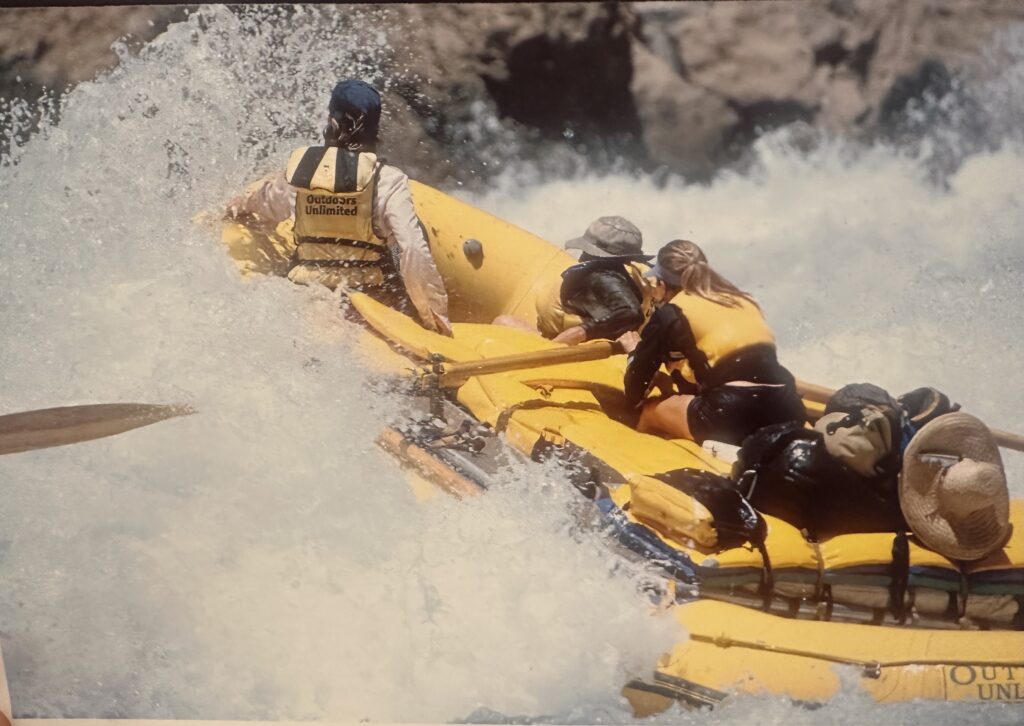
"The best part is the people," Walton admits. "The worst part is the cold river trips, the cramped cars full of gear, and the questionable hotels in the middle of nowhere." Yet, these hardships are precisely what forge the authenticity of the show. By immersing themselves in the same environments as the river users and local residents they interview, they strip away the veneer of a traditional documentary, creating a space for raw, unfiltered human connection.
Official Stances and Emerging Threats: The Case for Big Bend
Currently, Walton is focusing her advocacy on a pressing threat to her "home" river: the Rio Grande. Plans to construct a border wall through the heart of Big Bend National Park present a significant risk to the integrity of the ecosystem.
"This is a phenomenal place that needs to be protected," Walton states. "Our National Parks, and the rivers that flow through them, are some of America’s greatest treasures." Her strategy is not to lobby from a distance, but to bring the decision-makers to the water. She issues an open invitation to policymakers to join her on the river, believing that if they experience the majesty of the canyon, the necessity of its protection will become self-evident.
Implications for the Future of Conservation
The implications of Walton’s work are clear: conservation is no longer just about policy papers; it is about cultural engagement. By documenting the human-river relationship, she is creating a blueprint for environmental stewardship that relies on emotional resonance rather than just scientific data.
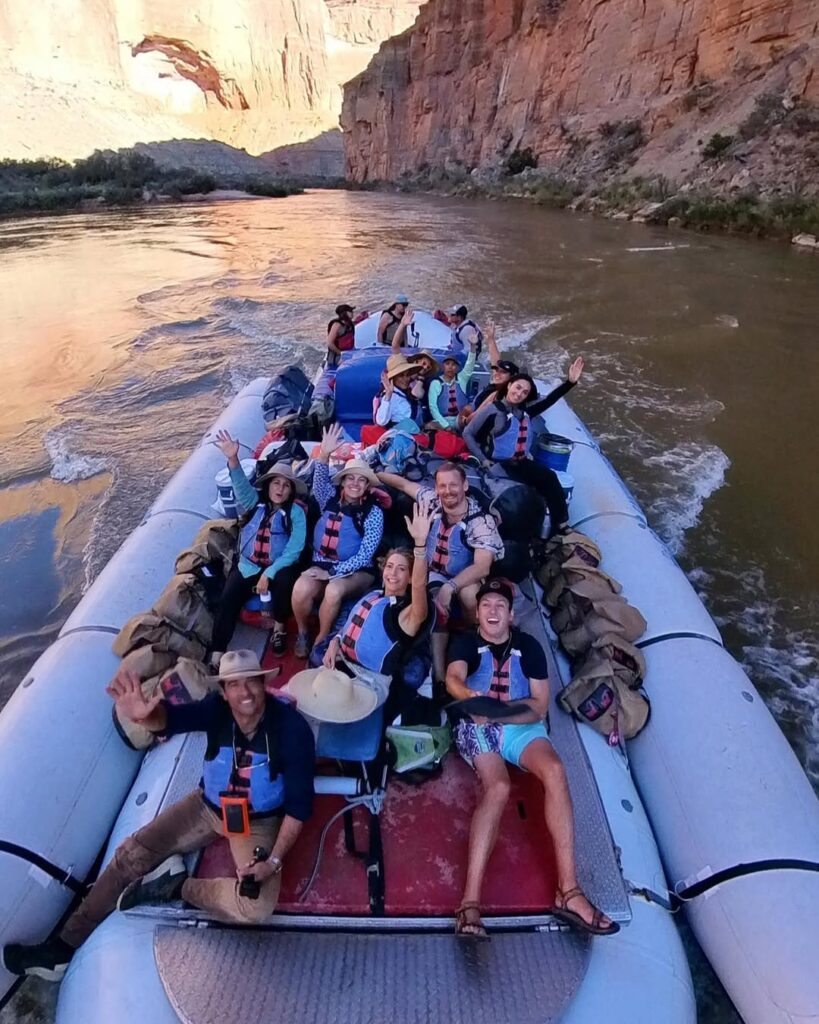
Her philosophy is simple: get people to the water. Whether it is an immersive virtual tour of the Grand Canyon or a physical trip down a local creek, the act of spending time by a river is an act of restoration.
"Rivers are so good for the soul," Walton says. "They put our smallness as humans into perspective, as well as our infinite grandeur."
As she looks toward the future, Walton remains committed to being a voice for the voiceless currents of the West. She challenges every individual to learn about their local river and to recognize that they are not just observers of the landscape, but integral parts of it. In a world that is increasingly disconnected, Tillie Walton reminds us that our fate is inextricably linked to the flow of our rivers—and that it is a love affair worth fighting for.
To learn more about Tillie Walton’s work and to view the immersive Grand Canyon experience, visit the American Rivers website or the official PBS page for Wild Rivers with Tillie.