As the snowpack in the high country continues its steady retreat, the rivers of Western Montana have settled into their mid-summer rhythm. For the team at Montana River Guides, this shift in the seasonal calendar marks a pivotal transition: the conclusion of their intensive swiftwater rescue training season and the commencement of full-scale commercial operations on the iconic Alberton Gorge of the Clark Fork River. With river levels hovering at a picturesque 4,000 cubic feet per second (CFS), the Gorge has become the epicenter for both high-adrenaline recreation and professional-grade safety education.
Main Facts: The State of the Clark Fork
The Alberton Gorge is currently operating at what river experts consider the "sweet spot" for summer rafting. At 4,000 CFS, the river provides a rare balance: enough hydraulic pressure to keep the Class II and III rapids lively, yet sufficient clarity and predictability for family-oriented adventures.
Key features of the current river landscape include:
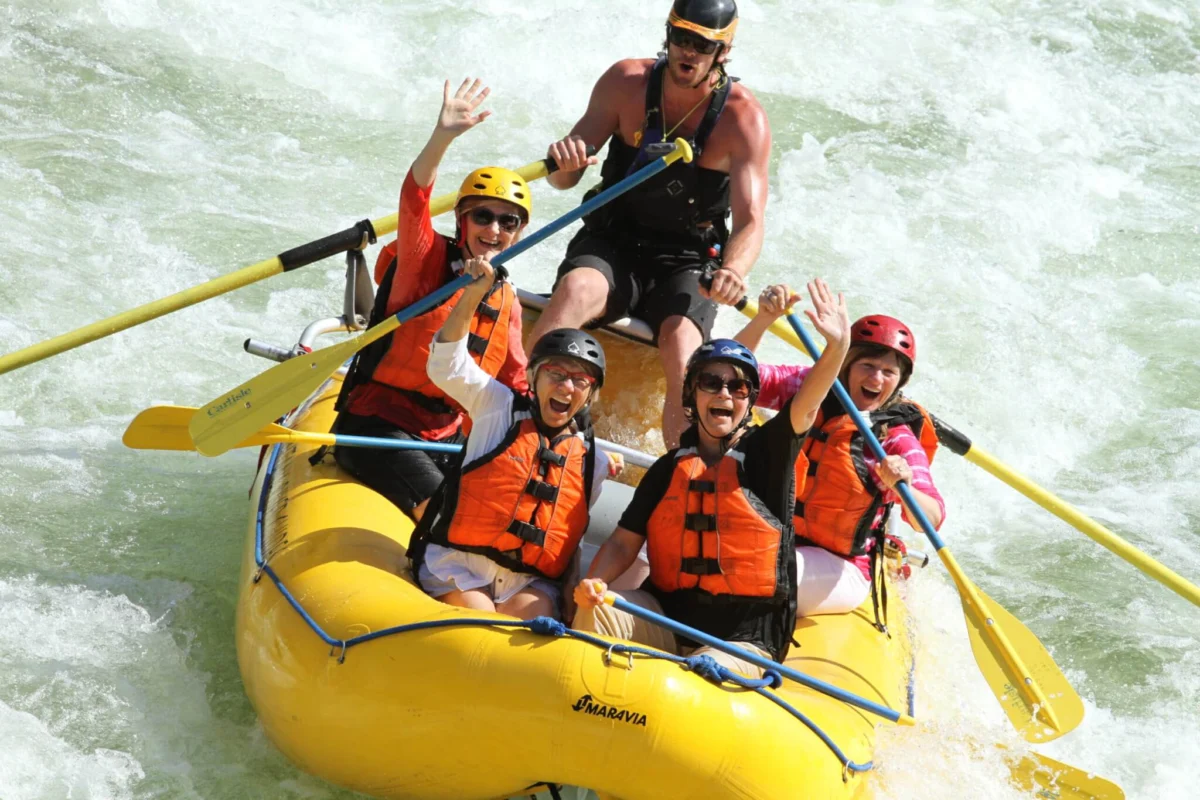
- The Rapid Landscape: Iconic sections like Tumbleweed and Fang rapids are currently providing the "big water" thrills that draw thousands of visitors annually. These features are currently producing enough turbulence to test the skills of even seasoned paddlers, often resulting in the occasional "swimmer"—industry parlance for a passenger who exits the raft.
- Topographic Evolution: As the water level gradually recedes, the upper section of the Gorge is undergoing a transformation. Rocks that were previously submerged during the high-water runoff are now beginning to emerge, adding a layer of technical complexity that keeps even returning guides on their toes.
- Commercial Availability: Montana River Guides has officially transitioned from a training-heavy schedule to a full slate of daily whitewater rafting and scenic kayaking tours, catering to both the thrill-seeker and the family looking for a relaxing day on the water.
Chronology: From Rescue Training to Recreational Peak
The operational calendar for Montana River Guides is meticulously engineered to mirror the hydrology of the Clark Fork.
Phase I: The Training Window (Spring)
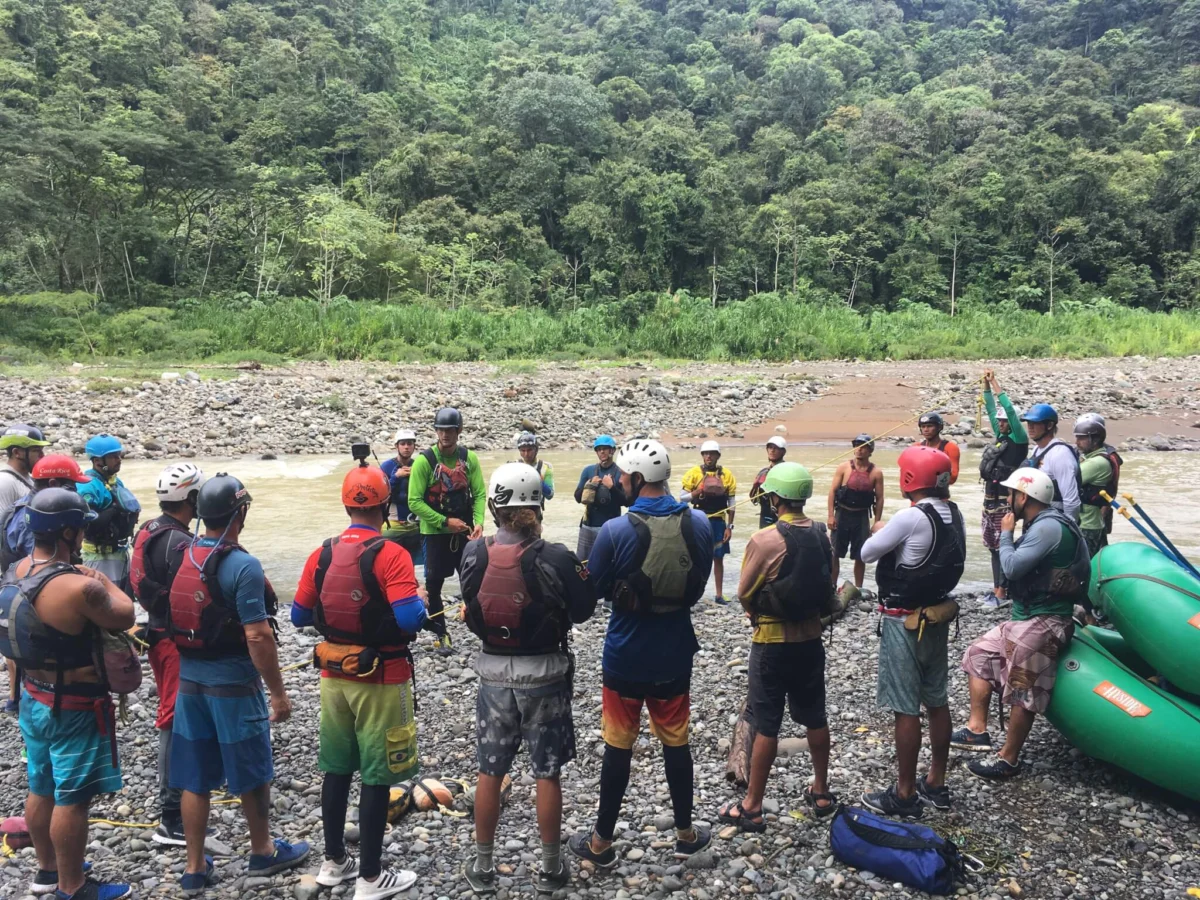
The season begins in early spring, a period dedicated to the rigorous discipline of Swiftwater Rescue. During this phase, the company focuses on certifying professional rescuers, emergency responders, and industry professionals. The curriculum is physically demanding, focusing on rope systems, mechanical advantage, victim extraction, and the psychology of river hazards.
Phase II: The Transition (Early Summer)
As the spring runoff begins to subside, the guides shift their focus from rescue operations to the logistics of commercial tourism. This period is essential for "guiding the guides"—ensuring that every member of the team is intimately familiar with the changing anatomy of the riverbed as the water levels shift.
Phase III: The High-Summer Season (Current)
We are currently in the height of the summer season. This phase is defined by consistent daily operations, high volume guest traffic, and the maintenance of safety protocols that have made the Alberton Gorge a premier destination for whitewater enthusiasts.
Supporting Data: Hydrology and Risk Management
The appeal of the Alberton Gorge is backed by specific hydraulic metrics. The current flow of 4,000 CFS is considered ideal for several reasons:
- Hydraulic Power: At this flow rate, the river moves with enough velocity to navigate the technical features of the Gorge without the dangerous "push" associated with peak spring runoff, which can exceed 20,000+ CFS.
- Safety Buffer: The current water levels allow for more effective "self-rescue" scenarios. When a passenger falls overboard, the current is strong enough to move them away from hazards but manageable enough for a swift recovery by the raft captain.
- Predictability: The emergence of rocks in the upper Gorge allows guides to teach guests about river reading. By observing where the water pillows against an obstacle, guests gain a better understanding of river dynamics, which inherently improves the safety culture of every trip.
Official Perspectives: The Culture of Responsibility
While the environment is currently "warm and friendly," the professionals at Montana River Guides emphasize that the river is never a static entity.
"We know you are all wearing the right gear and keeping an eye on each other," says a spokesperson for the organization. This sentiment reflects the core philosophy of Montana River Guides: that safety is not just the responsibility of the lead guide, but a shared commitment among everyone on the water.
The company stresses that for those who are unfamiliar with the specific intricacies of the Clark Fork, booking a guided trip is the most effective way to manage risk. Guided trips provide more than just navigation; they provide an education in river safety, proper life jacket (PFD) fitting, and the use of specialized rescue equipment that the average recreationalist may not possess.
Implications: Beyond Recreation—Swiftwater Spill Response
Perhaps the most significant implication of Montana River Guides’ current operational model is the extension of their expertise into the environmental sector. Later this summer, the company will pivot back to its roots, offering specialized "Swiftwater Spill Response" classes.
These courses are designed for environmental engineers, wastewater management professionals, and emergency responders who need to operate safely in contaminated or hazardous water environments.
The Curriculum of the Spill Response Classes:
- Day One: Fundamentals: Participants will cover the basics of swiftwater rescue, including knot-tying, throw-bag techniques, and the physics of river flow. This establishes a baseline of competency in moving water.
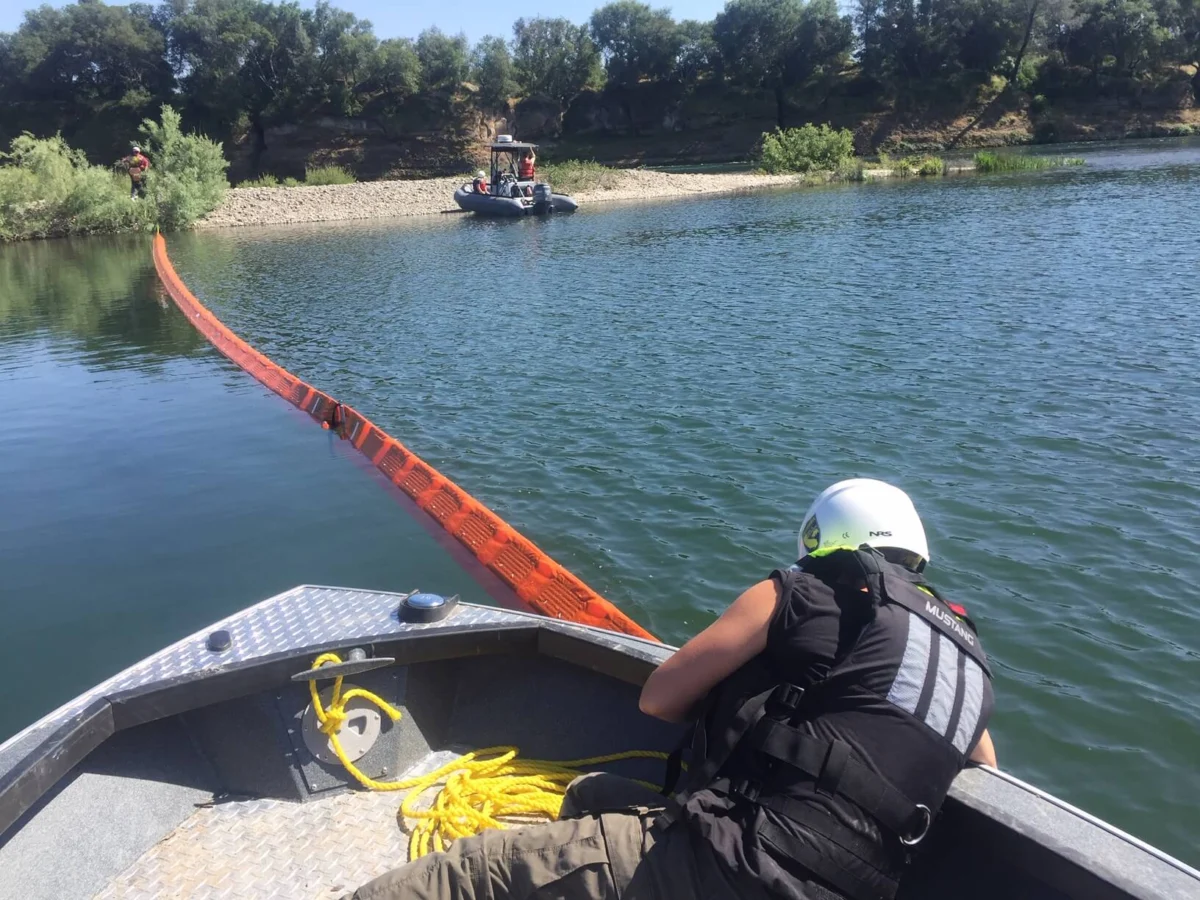
- Day Two: Specialized Deployment: The focus shifts to the deployment of spill response equipment. This includes the use of containment booms, skimmers, and sorbent materials designed to mitigate the impact of chemical or wastewater spills.
- Risk Mitigation: The goal is to ensure that when a spill occurs—whether from a transport accident or infrastructure failure—the responders themselves are not placed in unnecessary danger. Learning to read the river allows responders to place equipment in locations where the current will assist in containment, rather than work against it.
Conclusion: A Season of Stewardship
As the summer continues to unfold on the Clark Fork River, the juxtaposition between the high-energy thrills of the Alberton Gorge and the technical precision of the Swiftwater Spill Response classes defines the mission of Montana River Guides.
Whether you are a family looking to navigate the Tumbleweed rapid for the first time or a professional seeking to improve your ability to manage hazardous spill environments, the river remains the ultimate teacher. By combining recreation with education, Montana River Guides ensures that the Clark Fork remains a vital, respected, and accessible artery for both the people of Missoula and the professionals tasked with protecting our natural waterways.
For those planning to visit, the advice from the experts is simple: respect the water, wear the appropriate safety gear, and always be aware of your surroundings. If you are ready to experience the river under the guidance of seasoned professionals, the Alberton Gorge is waiting.