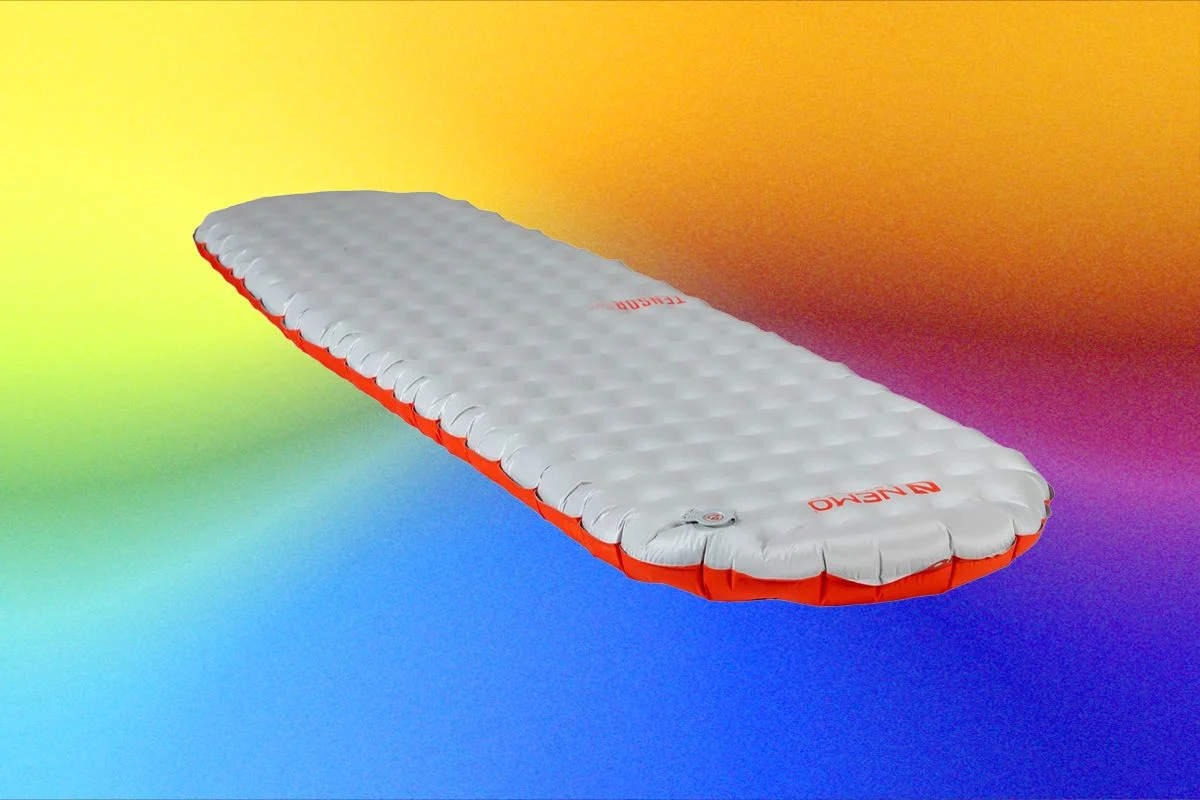
The era of "suffering for the sake of the summit" is rapidly fading into the annals of outdoor lore. For decades, the badge of honor for a backpacker was the ability to endure a night on the hard, unforgiving earth, cushioned only by a sliver of closed-cell foam that did little to stave off the chill of the ground or the intrusion of jagged stones. Today, that narrative has shifted. The modern backpacking sleeping pad has evolved from a basic barrier into a sophisticated, highly engineered component of a modular sleep system, designed to maximize thermal efficiency while minimizing pack weight.
As of July 2026, the market for these pads is more competitive than ever. With the introduction of high-performance models like the Exped Ultra 6.5R and the continued dominance of industry leaders like the Nemo Tensor All Season, the "standard" for a good night’s sleep in the wilderness has been fundamentally raised.
The Chronology of Comfort: From Foam to Inflation
The history of the sleeping pad is a study in material science. In the mid-to-late 20th century, the closed-cell foam (CCF) mat was the industry standard. Durable, inexpensive, and impossible to "pop," these pads were the backbone of backcountry expeditions. However, they lacked the loft necessary to provide true comfort for side sleepers or those traversing uneven terrain.
By the turn of the millennium, self-inflating pads—which utilize open-cell foam cores that expand when a valve is opened—offered a significant upgrade in comfort. Yet, they remained bulky and heavy. The current decade has been defined by the "Air Mat Revolution." Using advanced internal baffling, heat-reflective films, and ultralight fabrics, manufacturers have created pads that pack down to the size of a water bottle while providing R-values (thermal resistance) that rival the heavy mats of the past.
Supporting Data: Understanding the R-Value Standard
For years, the "R-value" was an arbitrary marketing metric, with each brand using its own testing methodology. This made it nearly impossible for consumers to compare a pad from Brand A against a pad from Brand B.
The ASTM Standardization
The outdoor industry has largely coalesced around the ASTM FF3340 standard. This standardized test measures the resistance of a pad to heat flow, providing a consistent numerical value that allows hikers to make data-driven decisions.
- R-Value 1.0 – 2.0: Suitable for summer use and warm-weather environments.
- R-Value 2.0 – 4.0: A "three-season" rating, appropriate for most spring, summer, and autumn conditions.
- R-Value 4.0 – 6.0+: Designed for winter camping, mountaineering, or for individuals who "sleep cold."
It is a common misconception that a high R-value pad will cause overheating in summer. While excessive insulation may be unnecessary, it is rarely detrimental. The primary trade-off for a high R-value is not temperature regulation, but rather the additional weight and packed volume of the insulating materials required to achieve that rating.
The Physiology of Sleep: "Know Thyself"
Selecting the correct pad requires an honest assessment of one’s physiology and sleeping habits. A side sleeper requires a thicker pad—typically 3 inches or more—to prevent their hips or shoulders from "bottoming out" against the ground. Conversely, a back sleeper may find a thinner, firmer profile more supportive.
Furthermore, biological factors play a critical role. Research consistently suggests that individuals with lower body mass—and those who naturally run cold—should look for an R-value roughly 1.0 point higher than the ambient temperature requires. This is particularly relevant when considering the interplay between the pad and the sleeping bag. Most industry-standard temperature ratings for sleeping bags assume the user is resting on a pad with an R-value of at least 5.0. If a hiker brings a 30-degree rated bag but pairs it with an R-2.0 pad, they will likely experience cold spots, as the ground will draw heat away from the body faster than the bag can retain it.

Strategic Implications: The Two-Pad System
A growing trend among seasoned thru-hikers and expedition mountaineers is the "dual-pad strategy." By combining a lightweight, inflatable pad with a thin, closed-cell foam mat, users achieve two critical goals:
- Redundancy: If the inflatable pad suffers a puncture—a rarity in modern gear, but a catastrophic event in the backcountry—the CCF pad serves as a reliable emergency backup.
- Versatility: The CCF pad acts as a durable, "no-fuss" seat during meal breaks, protecting the more delicate inflatable surface from sharp rocks and pine needles.
This hybrid approach acknowledges that the sleep system is not a singular item, but a foundation that must be tailored to the specific environment.
Best Practices and Maintenance
Despite the durability of modern materials, the longevity of a sleeping pad is dictated by how it is managed.
The Myth of Oral Inflation
While many users still inflate their pads by mouth, this is discouraged by most manufacturers. The warm, moist air from human breath introduces water vapor into the interior of the pad. Over time, this can lead to the growth of mold or mildew within the internal baffles, potentially degrading the insulation and materials. The industry has responded by including lightweight pump sacks—which use ambient air to inflate the pad—or by marketing ultralight motorized pumps, such as the Flextail series, which weigh only a few ounces.
Pressure Management
A common error is the desire to inflate a pad until it is rigid. A pad that is "rock hard" can actually be less comfortable and more prone to seam failure under pressure. The optimal inflation level is one where the pad is taut, followed by a slight release of air while lying on the pad to ensure the surface conforms to the user’s body shape.
Field Repairs
The "patch kit" remains a mandatory carry item. However, many experts suggest ditching the small, often brittle adhesive patches provided by manufacturers in favor of a small roll of Tenacious Tape. This high-strength, flexible repair tape is capable of sealing tears in everything from nylon tent flies to sleeping pad valves. Before a trip, it is advisable to test the tape on an inconspicuous area of the pad to ensure the adhesive bond is secure.
The Future of the Trail
The current landscape of backpacking gear suggests that the industry is moving toward even lighter, warmer, and more compact solutions. With the standardization of R-values and the proliferation of high-tech insulation, the barrier to entry for comfortable backcountry travel has never been lower.
However, the core tenet of backpacking remains unchanged: the gear is only as good as the knowledge of the person using it. Whether you are a weekend warrior or a long-distance thru-hiker, the transition from sleeping on the bare ground to utilizing a calibrated, modern sleep system is perhaps the most significant upgrade one can make. By understanding the science of thermal resistance and respecting the limitations of your equipment, you can ensure that the only thing you remember about your night on the trail is the quality of your rest—not the hardness of the pebbles beneath you.
Summary of Recommendations for 2026:
- Prioritize ASTM Ratings: Always check for the ASTM FF3340 label when comparing R-values.
- Mind the Gap: Ensure your sleeping pad’s R-value matches the insulation rating of your sleeping bag.
- Go Dual: Consider a thin CCF mat under your inflatable pad for increased warmth and modular utility.
- Maintain Your Gear: Use a pump sack to preserve the interior integrity of your pad and keep a roll of Tenacious Tape in your repair kit.