If you have spent any time browsing Amazon’s hardware storefront over the past few weeks, you likely noticed a jarring discrepancy between the price tags you expected and the ones currently listed. From the ubiquitous Fire TV Stick to the popular Echo smart speakers and Eero mesh routers, Amazon has quietly implemented widespread price increases across its hardware ecosystem. Depending on the device, consumers are now facing hikes ranging from $20 to as much as $100.
This shift, while seemingly sudden, is part of a broader trend in the consumer electronics sector, signaling a cooling of the "budget-friendly" era of smart home technology. As shoppers prepare for the inevitable barrage of marketing for upcoming seasonal sales events like Prime Day and Black Friday, it is critical to look past the "discount" labels and understand the new, elevated baseline of these devices.
The Scope of the Increases: What’s Changed?
The price adjustments have not been uniform, nor have they been limited to a single product line. Instead, Amazon has broadly recalibrated its pricing strategy across its most prominent hardware categories.
Kindle E-Readers
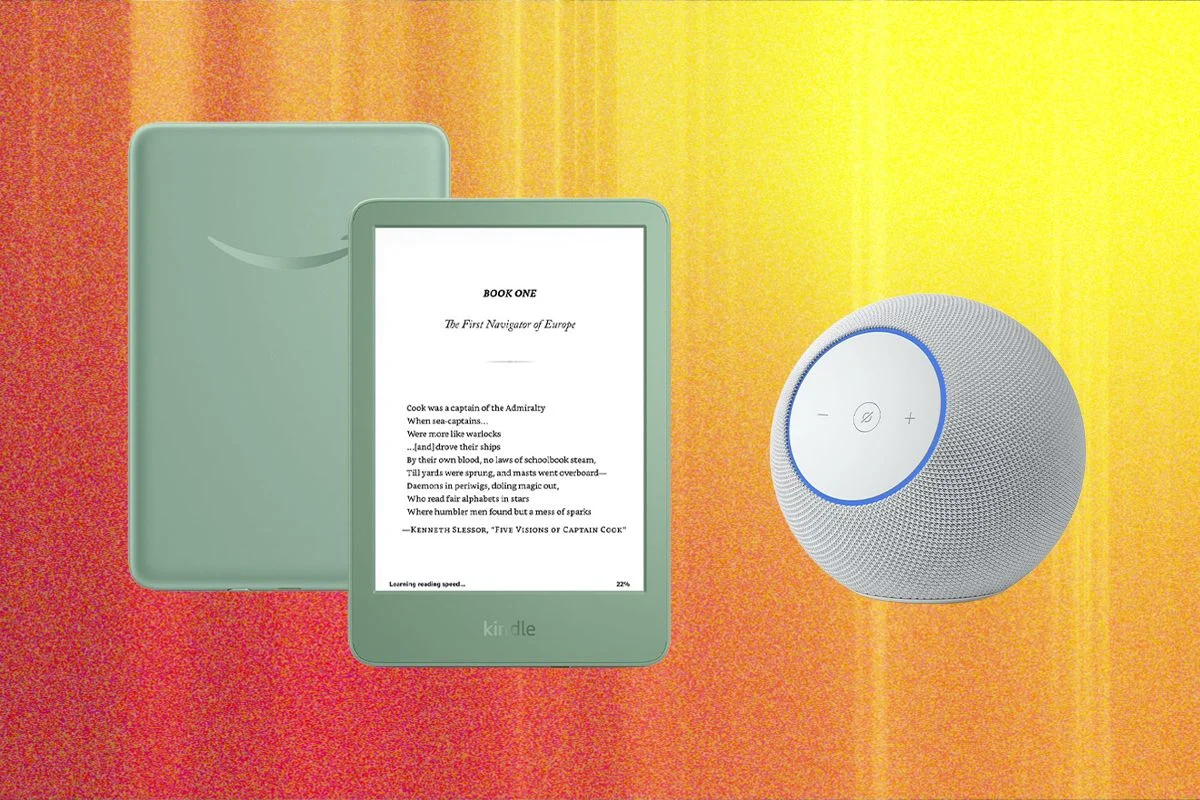
For the avid reader, the news is particularly discouraging. Nearly every model in the standard Kindle lineup has seen a base price increase of at least $30. Interestingly, this price hike appears to target the core e-reader models while leaving the premium Kindle Scribe line untouched. The Scribe, which doubles as a digital notebook, has maintained its current price point, creating a peculiar gap where the gap between entry-level devices and high-end professional tools has significantly narrowed.

Echo Smart Speakers
The Echo category has been hit with increases ranging from $10 to $100. The most dramatic hikes are reserved for the Echo Show lineup—devices equipped with integrated displays—which are now positioned at a higher entry point. While the entry-level Echo Dot has seen a modest increase, the aggregate effect across the entire Echo family suggests a strategic shift to push consumers toward higher-margin products or, alternatively, to create a "sale" environment that feels more lucrative than it truly is.
Eero and Fire TV
The Eero mesh Wi-Fi systems—a staple for home network upgrades—have also seen price adjustments, specifically affecting the high-performance Eero 7 and Eero Pro 7 models. Similarly, Amazon’s Fire TV streaming devices have seen incremental price jumps. While these remain among the most affordable streaming options on the market, the price creep is noticeable for long-time users who have come to rely on the Fire TV platform for low-cost media consumption.
A Chronology of the Shift
The timing of these price hikes is far from coincidental. Throughout the summer, we witnessed similar moves from other major technology players, including Apple and Kobo. By mid-August, it became clear that the tech industry was moving in lockstep toward a higher pricing floor.
For Amazon, the transition began quietly in late August. By August 20, devices like the Echo Dot were retailing at their historical base price of $50. Within days, that base price had been shifted upward. This allows Amazon to market "deals" during Labor Day or upcoming holiday events that bring the price back down to what it was just weeks ago. For the average consumer, a 20% "discount" on a device that costs 20% more than it did last month is effectively a net-zero transaction.
%2520comparison%2520hero%2520Reviewer%2520Photo%2520SOURCE%2520Nena%2520Farrell.jpg)
Understanding the "Why": Official Responses and Industry Factors
When asked to comment on these widespread increases, Amazon declined to provide a formal statement to WIRED. However, an Amazon spokesperson provided context to CNET, citing "rising prices in memory and storage components" as the primary driver for the adjustments.
This explanation aligns with current global supply chain realities. The semiconductor industry has faced significant volatility over the last year, with the cost of high-density flash memory and specialized system-on-a-chip (SoC) components rising due to increased demand in the AI and data center sectors. As manufacturers compete for the same raw materials, the cost of production for consumer-facing hardware inevitably rises.
However, industry analysts remain skeptical that supply chain costs alone justify the scale of the increases. Many point to the "psychological pricing" strategy—the act of raising base prices to inflate the perceived value of future discounts. By establishing a higher "sticker price," companies can leverage the "anchor effect," where shoppers are more likely to purchase an item if they believe they are getting it at a significantly reduced rate, even if that rate is the product’s actual, fair-market value.
The "Sale" Illusion: Implications for Holiday Shopping
The most significant implication for consumers is the need for increased skepticism heading into the final quarter of the year. We are currently in a period where "on sale" is becoming the new "regular price."

If you are looking to purchase an Amazon device, it is essential to ignore the red-lettered "savings" percentages and instead compare the current price against the historical data from earlier this year. In many cases, you are not finding a bargain; you are simply paying the price that should have been the baseline had the recent adjustments not occurred.
Furthermore, these price hikes provide an opportunity to reconsider brand loyalty. For instance, while the Eero 6 remains at a stable price, the market for mesh routers is currently saturated with competitors that offer better value-for-money propositions. If the price-to-performance ratio of Amazon’s hardware continues to decline, consumers may find themselves looking toward rival ecosystems that have not yet engaged in such aggressive price inflation.
What is Still Worth the Investment?
Despite the across-the-board increases, there are still specific devices that maintain their value proposition.
- Kindle Scribe (2nd Gen): Because this product line was excluded from the recent price hikes, it remains one of the few items in Amazon’s catalog that hasn’t seen a value drop. Its utility as both an e-reader and a high-end digital notebook makes it a rare "safe" buy in the current market.
- Echo Show 8 (3rd Gen): Unlike the newer, more expensive models, the 3rd Gen Echo Show 8 remains priced at its original $150 point. It offers a robust feature set, including a built-in smart home hub, and serves as a prime example of an older device that still beats its successors in value.
- Echo Studio (2nd Gen): While it is a premium device, the Echo Studio has maintained its $220 price point. Given its superior audio performance, it remains a sound investment for those who prioritize home theater or music listening over budget-tier hardware.
Final Thoughts: Navigating the New Normal
The era of cheap, disposable smart hardware appears to be hitting a plateau. As Amazon and its competitors adjust to the new costs of global manufacturing, consumers must be more discerning.

The strategy of "wait for the sale" is no longer a guaranteed path to savings. Instead, the new rule of thumb should be: evaluate the utility of the product against your budget regardless of the "discount" label attached to it. If you don’t absolutely need a new Echo or Fire TV device, the best advice remains to wait—not for a holiday sale, but for a moment when the market stabilizes or a competitor offers a compelling reason to switch ecosystems.
In the end, Amazon’s decision to raise prices is a reminder that the tech ecosystem is not static. Prices move, components become more expensive, and corporate strategies shift. For the consumer, the best defense against these fluctuations is awareness. Don’t let the next "limited-time offer" fool you; do your research, track the price history, and vote with your wallet accordingly.