Introduction
In the world of photography, the tripod is often the most begrudgingly purchased piece of gear. Novice photographers frequently cycle through flimsy, entry-level supports before finally conceding that stability is not a luxury—it is a necessity. For years, the market has been bifurcated: you either carry a lightweight, portable tripod that compromises on rigidity, or a rock-solid professional beast that remains glued to the studio floor because it is too cumbersome for field work.
With the launch of the Peak Design Pro Tripod (Tall model), the goal is to bridge this chasm. We recently spent several weeks putting the Pro Tall through its paces—from urban commutes to remote coastal shoots—to determine if it truly represents the "last tripod you’ll ever need."
Main Facts: Engineering the Pro Series
The Peak Design Pro Tripod is an evolution of the brand’s original Travel Tripod, which disrupted the market by utilizing a unique, compact leg geometry that wraps around the center column. The Pro series, specifically the "Tall" version reviewed here, scales up this design philosophy for users who require significant height, maximum rigidity, and the confidence to mount high-end cinema or telephoto setups.
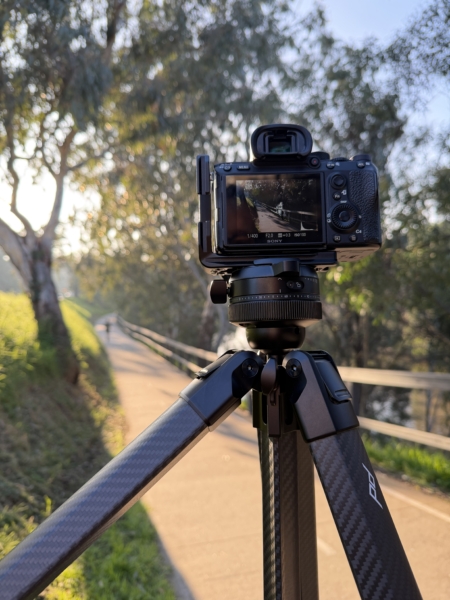
Key Specifications
- Max Height: 197.4 cm (77.7 inches)
- Min Height: 17.3 cm (6.8 inches)
- Folded Length: 58.2 cm (22.9 inches)
- Weight: 2.04 kg (4.5 lbs)
- Load Capacity: 18.1 kg (40 lbs)
- Material: 3K Weave Carbon Fiber
- Warranty: Peak Design Lifetime Guarantee
Unlike the original Travel Tripod, the Pro series is designed as an expansion of the ecosystem, not a replacement. It targets the professional market with a higher price point (approx. AU$1,799) and a focus on premium materials and uncompromising stability.
Chronology: From Concept to Pro-Grade Execution
Peak Design’s journey into support systems began with their foundational "Capture" clip in 2011, which forever changed how photographers carry their cameras. However, the move into tripods was a greater technical challenge.
- The Early Years: The company focused on camera carry solutions, establishing a reputation for high-quality, CNC-machined components and "obsessive" design.
- The Travel Tripod Launch: When the original Travel Tripod was released, it challenged the industry standard by eliminating the "dead space" typically found in folded tripods.
- The Pro Development: After years of feedback from professional users, the development team sought to increase the load capacity and height of the original platform. The Pro series is the result of that feedback, specifically engineered for photographers who found the original model too small for professional-grade telephoto lenses or tall-stature users.
During our testing, we took the unit on three-hour public transport journeys and rigorous field shoots to see if the "Pro" label held up under real-world duress. The consensus? It is a significant step forward.

Supporting Data: Why "Tall" Matters
For a photographer standing 6’3”, height is not just a preference; it is a ergonomic imperative. Most travel-sized tripods require the user to stoop, which leads to back strain and reduced precision.
The Stability-Height Equation
Every tripod experiences a loss of stability when the center column is fully extended. By building the extra height into the carbon fiber leg sections rather than the center column, Peak Design has managed to keep the center of gravity low. At 197.4 cm, the Pro Tall allows a tall photographer to shoot at eye level with the column retracted, maximizing the rigidity of the 3K Weave carbon fiber tubes.
Build and Operation
The use of flip-locks rather than twist-locks is a deliberate and welcome choice. In a professional setting, flip-locks provide instant visual confirmation that the legs are secured. Throughout our testing, there were no "near-miss" moments or accidental collapses. The 6061-T6 CNC-machined aluminum components feel substantial, and the overall construction exhibits the "rattle-free" precision expected at this price point.

The New Ball Head: Refining the Interface
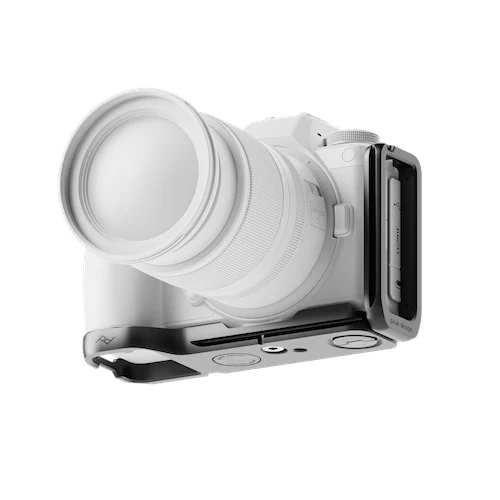
A primary critique of the original Travel Tripod was the ball head interface. The Pro series introduces a refined, integrated Pro Ball Head featuring 360° fluid panning with an independent lock.
Fluidity vs. Versatility
For the stills photographer, the panning mechanism is smooth and intuitive. However, it is important to note the distinction for hybrid shooters: while the head is excellent for stills, true "fluid" pan-and-tilt video performance requires the additional Tilt Mod accessory.
The quick-release system is Arca-compatible and includes a secondary safety lock. While some users have expressed concern regarding the security of such plates, our experience was entirely positive. The safety lock becomes muscle memory within a few uses. It is worth noting that for specialized lens feet (such as certain long telephoto collars), the integrated silver lock button may require the use of the included Peak Design plate to ensure a flush, secure fit.

Implications: Who Should Invest?
At AU$1,799, the Peak Design Pro Tall is an investment. It is not an impulse purchase, nor is it intended for the hobbyist using an entry-level camera and kit lens.
The Target Demographic
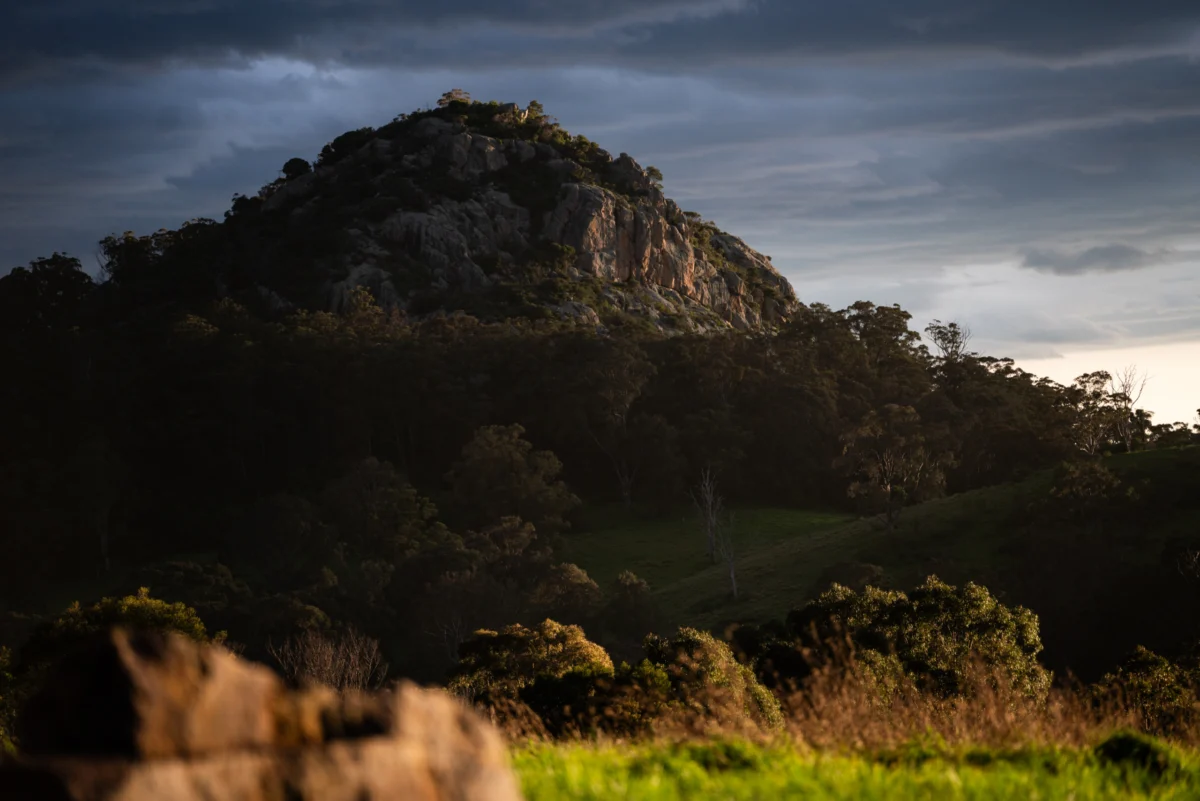
- Landscape & Wildlife Photographers: Those who work in challenging environments where wind and terrain demand absolute stability.
- Hybrid Shooters: Professionals who balance high-resolution stills with video work and require a system that can handle heavier rigs.
- The "Buy Once" Consumer: Users who have already spent money on cheaper tripods and are tired of the resulting limitations.
The implication of this product is clear: Peak Design is pivoting from "gadget-focused" carry gear to becoming a serious contender in the professional studio and field support market. They are no longer just "the camera bag company."
Conclusion: Final Assessment
The Peak Design Pro Tall Tripod is an impressive piece of engineering. It successfully maintains the brand’s signature portability while delivering the stability and height required by professionals.

What we liked:
- Unmatched Portability: It remains slim enough to slip into a backpack side pocket, defying the bulk typically associated with professional tripods.
- Stability: The increased load capacity and leg rigidity provide total confidence when mounting expensive glass.
- Ergonomics: The height is a game-changer for taller photographers, eliminating the need to compromise posture for stability.
What could be better:
- The "Hidden" Cost: Full video functionality requires the additional purchase of the Tilt Mod.
- Compatibility: Some specialized third-party lens feet may need the included plate to function with the safety lock mechanism.
In summary, if you are looking for a tripod that bridges the gap between travel-ready convenience and studio-grade performance, the Peak Design Pro Tall is a compelling candidate. It embodies the age-old philosophy: Buy well, buy once. For the serious photographer, it is a tool that finally matches the quality of the cameras it is meant to support.