For millions of Americans, the call of the water has become a primary source of recreation. Whether it is the tranquil reflection of a mountain lake or the rushing adrenaline of a river, paddlesports have surged in popularity. According to recent data from the Outdoor Industry Association, outdoor recreation participation in the United States reached over 181 million individuals in 2024—nearly 60% of the population. Within this boom, approximately 30 million people have gravitated toward paddlesports, leaving many prospective buyers facing a classic dilemma: Are you a "canoe person" or a "kayak person"?
Choosing between these two vessels is not merely a matter of aesthetic preference; it is a logistical, functional, and safety-oriented decision that dictates the quality of your time on the water.
Main Facts: Defining the Vessels
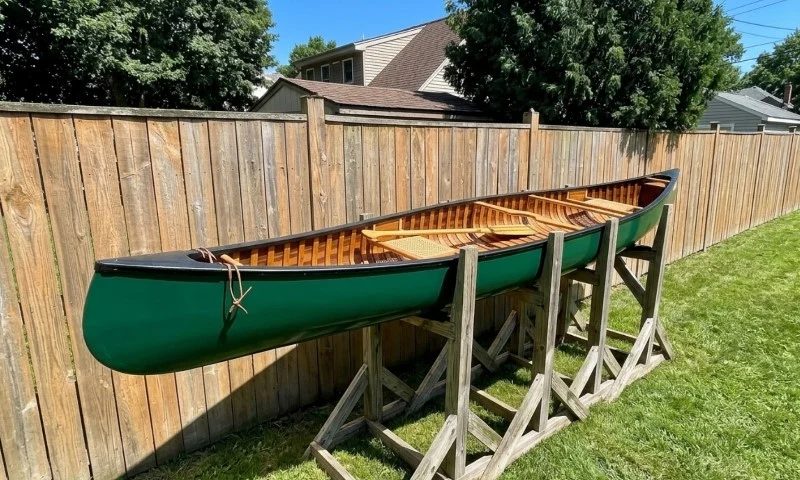
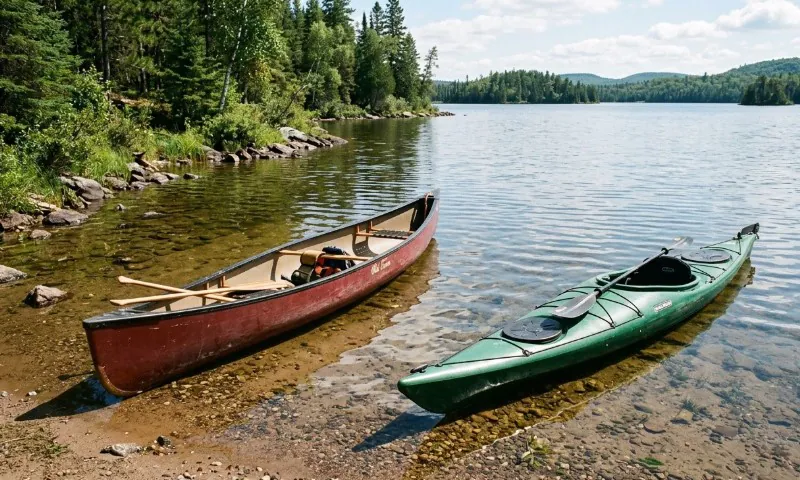
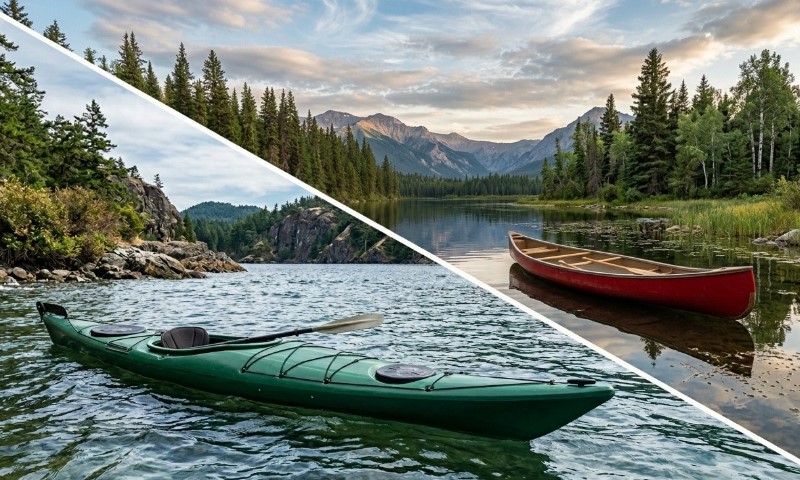
At their core, canoes and kayaks differ fundamentally in design, seating, and propulsion. A canoe is defined by its open-deck architecture, providing a spacious environment where paddlers typically sit on raised benches or kneel. It is propelled by a single-bladed paddle. Conversely, a kayak features a lower center of gravity, with the paddler sitting close to the floor of the hull, utilizing a double-bladed paddle for efficient, rhythmic movement.
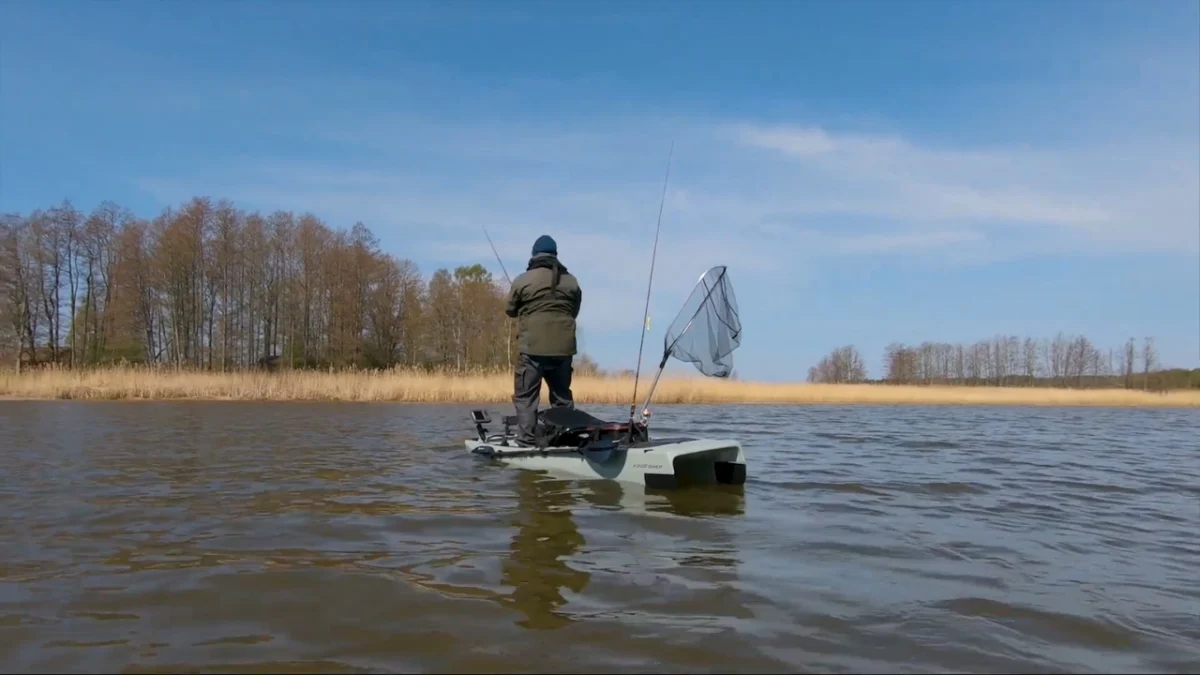
While these definitions seem rigid, the modern market has blurred the lines. We now see sit-on-top kayaks that offer the openness of a canoe, and hybrid canoes designed for solo performance. However, the distinction remains: if you are seated low with a double-bladed paddle, you are effectively kayaking. If you are positioned higher with a single-bladed paddle, you are canoeing.
Chronology and Evolution of Paddlesports
The origins of these vessels trace back thousands of years. The kayak, historically developed by the Inuit and Aleut peoples of the Arctic, was a specialized tool for hunting in icy, turbulent waters, requiring a deck to keep the occupant dry and warm. The canoe, utilized by indigenous cultures globally—most notably across North America—was designed as a workhorse for transport, trade, and communal travel on calmer inland waterways.
In the mid-20th century, the rise of synthetic materials like fiberglass and later polyethylene plastic transitioned these boats from artisanal, localized crafts to mass-produced consumer goods. By the early 2000s, the "recreational" segment of the market exploded, making both canoes and kayaks accessible to the general public. Today, the industry is seeing a shift toward "adventure-ready" gear, including pedal-drive fishing kayaks and lightweight folding crafts, reflecting a demand for both portability and high-tech performance.
Supporting Data: The Landscape of Participation
The surge in interest is not just anecdotal. The Outdoor Industry Association’s 2025 report highlights a massive shift in how Americans spend their leisure time.
Comparative Performance Metrics
| Factor | Canoe | Kayak |
|---|---|---|
| Paddle Type | Single-bladed | Double-bladed |
| Center of Gravity | Higher | Lower |
| Primary Utility | Cargo, family, fishing | Fitness, touring, solo |
| Wind Resistance | High | Low |
| Learning Curve | Higher for soloists | Lower for beginners |
The data suggests that while canoes remain the "floating SUVs" of the water—ideal for families, camping gear, and bulky equipment—kayaks are the "sports cars." They are statistically more efficient for covering long distances and are generally preferred for solo outings where wind resistance can quickly fatigue a canoeist.
Official Guidance and Industry Perspectives
Regulatory bodies and industry experts emphasize that the "best" boat is the one that aligns with your specific environment. The International Canoe Federation (ICF) maintains a strict distinction in competitive sports, where kayak athletes are seated and canoe athletes compete from a kneeling position to ensure specialized biomechanical efficiency.
However, for the average consumer, the perspective of the U.S. Coast Guard is arguably more critical. In their 2024 Recreational Boating Statistics, the Coast Guard noted that a significant percentage of boating-related fatalities involved operators of non-motorized craft who were not wearing life jackets. Official guidance from the National Park Service underscores that water temperature, not just air temperature, is the primary threat to safety. Even a calm day can turn dangerous if a paddler falls into cold water, leading to rapid onset hypothermia.
Implications of Ownership: The Logistics of "Launch Day"
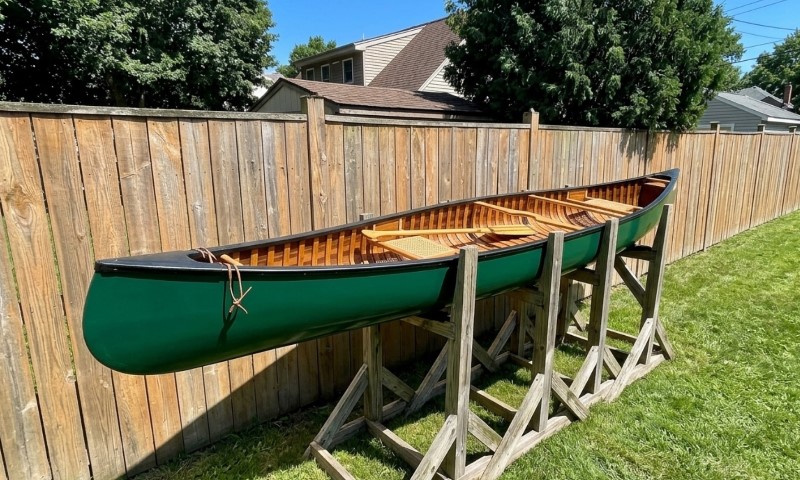
Beyond the water, the reality of ownership often involves storage and transportation. A 16-foot canoe, while stable and spacious, poses a significant storage challenge for those living in urban environments or smaller homes. Conversely, while a fishing kayak may offer incredible stability and customization, its weight—often exceeding 80–100 pounds—can make the simple act of transporting it to the water a deterrent to frequent use.
The Five Questions Every Buyer Should Ask:
- Where will I store the boat? (Garage, apartment, or outdoors?)
- How will I transport it? (Roof rack, trailer, or hand-cart?)
- Who is coming with me? (Solo, kids, dogs, or camping gear?)
- What is the typical water type? (Flat lake, winding river, or coastal?)
- How often will I realistically go? (Once a year or every weekend?)
Why Choose a Canoe?
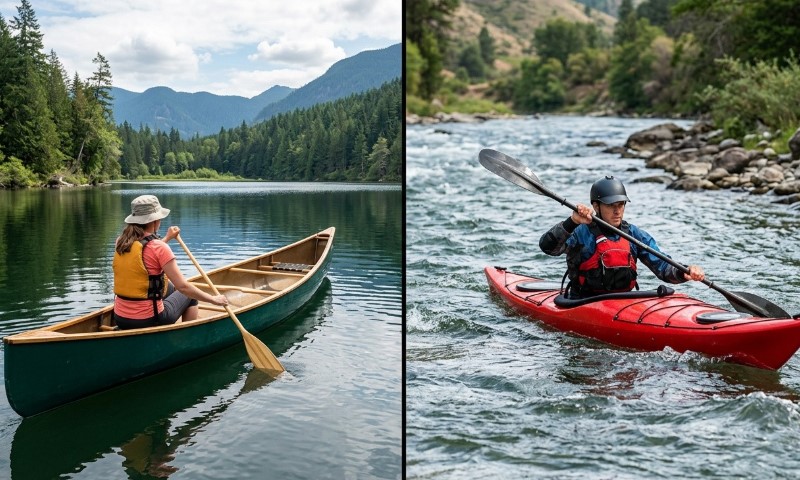
The canoe is the undisputed champion of utility. If your goal is a weekend of river camping, the canoe allows for "loose" packing—tossing in dry bags, coolers, and gear without the frustration of maneuvering items through small, narrow hatches. It offers a social experience, as the open seating arrangement allows for easy conversation and a higher vantage point for wildlife observation.
Why Choose a Kayak?
The kayak is the master of efficiency and individual control. For the solo paddler, the double-bladed paddle provides a symmetrical stroke that makes traveling in a straight line significantly easier for a novice. With specialized models available for everything from whitewater rapids to serene pond touring, there is a kayak for every niche. Furthermore, sit-on-top kayaks have revolutionized casual beach play, offering a "dunk-and-climb" flexibility that is hard to replicate in a traditional canoe.
Safety and Sustainability in 2026
As we move further into 2026, the emphasis on safety continues to evolve. The standard recommendation remains: always wear a life jacket, regardless of your swimming ability. The "shoved under the seat" approach is a relic of the past that has contributed to unnecessary tragedies.
Furthermore, environmental stewardship is becoming a core tenet of the paddling community. Whether you choose a canoe or a kayak, the responsibility to "leave no trace" and protect local waterways from invasive species (by cleaning and drying your hull between trips) is paramount.
Conclusion: Finding Your Perfect Match
There is no "perfect" boat, only the perfect boat for the life you actually live. If you are a social paddler who values cargo capacity and classic, leisurely travel, the canoe is your vessel. If you value efficiency, solo control, and the ability to cut through wind and waves, the kayak is the superior choice.
Before making a financial commitment, the most professional advice is to visit a local outfitter or join a club. Renting different models will expose the subtle nuances of weight, seat comfort, and handling that a spec sheet simply cannot convey. Remember: the "best" boat is the one that makes it easy for you to leave the garage and get out on the water. Every weekend spent on the lake in a boat you love is infinitely better than a high-end, expensive vessel that stays anchored to your roof rack. Happy paddling!
FAQs for the Modern Paddler
- Do I need to register my boat? Generally, non-motorized canoes and kayaks are exempt, but local state laws vary. Always check local requirements before heading out.
- Can I be charged with a BUI? Yes. Boating Under the Influence laws apply to all vessels, including non-motorized ones.
- What if I want to paddle at night? You are legally required to have a white light or flashlight visible to other vessels to prevent collisions.
- What is the most common mistake for beginners? Underestimating the weight of the boat and the importance of a properly fitted life jacket. Always dress for the water temperature, not the air temperature.