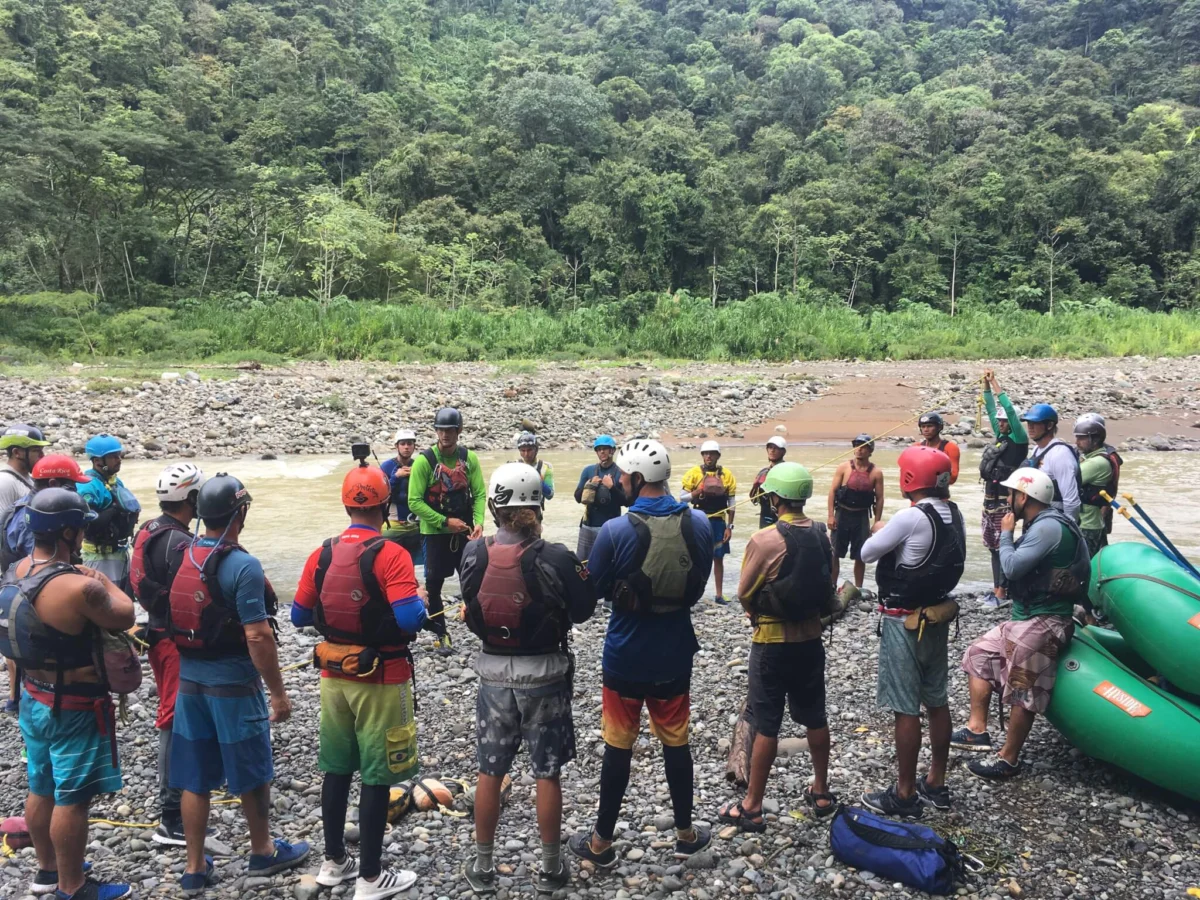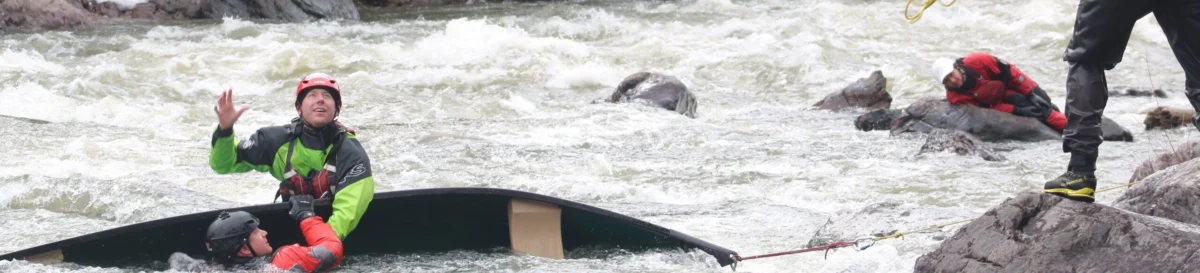
In the high-stakes world of river running, the margin between a successful multi-day expedition and a life-threatening emergency is often measured in inches—or, more accurately, in the length of a rope. While the "pin kit" has become a staple of river safety, a growing consensus among professional river guides suggests that the standard, off-the-shelf kits sold in gear shops are fundamentally inadequate for the realities of modern whitewater navigation.
"Accidents happen," notes one veteran river safety instructor. "How we prepare for and resolve those situations dictates how the tale is told. We are seeing a culture of convenience where boaters buy a pre-packaged kit and assume it is a ‘get out of jail free’ card. It rarely is."
The Reality of the River: A Case Study
To understand the limitations of standard equipment, consider a common scenario on a remote stretch of river, such as the Middle Fork of the Salmon. A raft crew, distracted by a broken oar entering Haystack Rapid, misses their line and becomes pinned broadside on a mid-stream rock. The boat is heavy with camping gear, kitchen supplies, and the group’s morale. The river is wide—over 250 feet—and the boat is stranded 100 feet from the nearest bank.
The group retrieves their commercial pin kit from the sweep boat. They manage to secure a line to the raft and anchor it to a tree on the shore. However, as they transition into a mechanical advantage "Z-drag" system, they find they have run out of rope.
The standard commercial kit usually includes 150 feet of ½-inch static line. In a scenario like this, the math is unforgiving. A "Z-drag" system consumes significant length, with the mechanical configuration alone reducing effective reach by up to one-third. Furthermore, tying a Figure-8 on a bight—the industry standard for a secure anchor point—consumes approximately four feet of rope. By the time the line is configured, the team is left holding a short, useless tag end. They are equipped, but they are not prepared.
Chronology of an Equipment Failure
The failure of standard pin kits often follows a predictable timeline during an emergency:
- Deployment: The kit is pulled from storage. In many cases, it is stored in a mesh bag or a non-waterproof container, meaning the rope is waterlogged and heavy before it even touches the water.
- Anchor Selection: On wide, rocky, or heavily vegetated shorelines, the ideal anchor point is rarely exactly where the rescuer wants it. The team must extend their reach, consuming precious rope length.
- The Rigging Phase: The team attempts to build a 3:1 mechanical advantage. They realize their 150-foot rope is being rapidly consumed by knots, redirects, and the "Z" configuration.
- The Crisis Point: The rope runs out. The team is forced to improvise, often using dangerous, non-rated webbing or attempting to daisy-chain multiple shorter ropes—a move that introduces multiple points of failure.
- Resolution or Failure: If the boat remains pinned, the team must either abandon the vessel or wait for specialized help, potentially leaving themselves in an exposed, dangerous environment as night falls.
Supporting Data: Why "Standard" is Not Enough
The industry standard of ½-inch static line is often cited for its strength—some ropes in this category can handle 10,000 lbs. (40 kN) of load. While safety is paramount, experts argue that in a pinning situation, you rarely need 10,000 lbs. of raw strength.
"My experience is that rather than pulling harder when a boat is not moving, you need to pull from a different angle," explains a senior rescue consultant. "If a boat isn’t budging, you are likely fighting the river’s force, not the weight of the boat. A 9mm static rope with a 5,000 lb. (22 kN) rating is more than sufficient. The advantage of a 9mm line is that you can carry 330 feet of it in the same space and weight as 150 feet of ½-inch line. That extra 180 feet is the difference between success and failure."
Anatomy of a Professional-Grade Kit
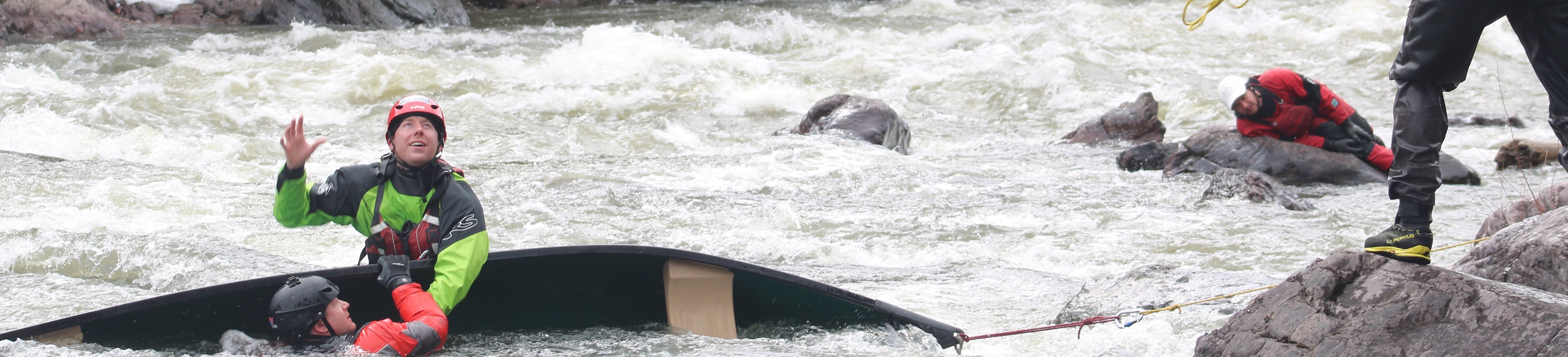
Building a kit that actually works requires moving away from the "one-size-fits-all" mentality. Here is what a robust, modern kit should prioritize:
1. Rope Dynamics
As noted, length is your greatest ally. By opting for a high-strength 9mm static line, you double your reach. Always ensure your rope is stored in a way that prevents it from tangling or absorbing moisture prior to deployment.
2. Webbing and Slings
Anchors are notoriously difficult to build. Relying on a measly 10 feet of tubular webbing is a recipe for disaster. Professionals carry at least 25 feet of 1-inch tubular webbing, supplemented by specialized gear like 13mm Dynex "Rabbit Runners" and 240cm slings. These manufactured slings are stronger, lighter, and more versatile than simple webbing loops.
3. Prusiks and Pulleys
A kit is only as good as its mechanical advantage system. Prusiks should be pre-tied or pre-sewn for speed and reliability, and they must be sized correctly—ideally 70–80% of the diameter of your main haul line. When it comes to pulleys, avoid the low-quality, plastic-sheaved hardware found in budget kits. Use Prusik Minding Pulleys (PMPs) and carry at least three to facilitate complex redirects and compound mechanical advantages.
4. Hardware Integrity
Your carabiners are the backbone of your system. They must be locking, load-rated, and dedicated exclusively to rescue. Using a non-rated "water bottle" carabiner to secure a haul line is a catastrophic error that introduces a high risk of gate failure under pressure.
The Importance of Storage and Maintenance
Even the most expensive equipment will fail if it is neglected. The "take care of your gear" rule is often ignored until a catastrophe occurs.
- Dry Storage: Never store gear wet. Moisture leads to rope degradation and corrosion in aluminum carabiners.
- Sand Management: Sand is the enemy of pulleys. A clogged pulley can cause friction that negates the very mechanical advantage you are trying to achieve.
- Dedicated Bags: Professional rescuers often invest in high-quality dry bags (such as those from Watershed). A dry bag ensures the rope remains dry and debris-free, and most importantly, it floats.
Implications for the Whitewater Community
The implications of relying on substandard gear are clear: commercial kits create a false sense of security. As rivers become more crowded and recreational rafting grows in popularity, the responsibility lies with the individual boater to educate themselves on physics, rope management, and site assessment.
If you are a trip leader, the question is not "Do I have a pin kit?" but rather, "Is my kit capable of handling the worst-case scenario at the most difficult rapid on this run?"
The shift from buying "off the rack" to "customized for the mission" is the next necessary evolution in river safety. Consult with reputable gear shops, take a certified swiftwater rescue course, and evaluate your equipment with the cold, hard logic of someone who might actually need to use it in the dark, in the cold, and in the middle of a raging river.
Your kit should be a reflection of the river you are running, not a collection of parts you bought because they were in a pre-packaged box. When the water is high and the boat is pinned, you won’t be looking for a receipt—you will be looking for five more feet of rope. Don’t let your preparation be the reason the story ends in tragedy.