For decades, popular culture has painted the piranha as a ravenous, flesh-stripping terror of the Amazon. Hollywood blockbusters and sensationalized documentaries have cemented a reputation for these fish that is nothing short of nightmarish. Yet, for the indigenous populations and local communities throughout South America, the piranha is not a monster—it is a staple, a reliable source of protein, and a centerpiece of regional cuisine.
Yes, you can eat piranha, and for many, it is a culinary experience that defies the creature’s fearsome reputation. However, moving from the silver screen to the dinner plate requires a shift in perspective. Whether you are an adventurous traveler planning a trip to the Amazon or simply curious about the biological and culinary reality of this species, understanding the nuances of piranha consumption is essential.
Main Facts: What is Piranha Cuisine?
At its core, piranha is a firm-fleshed, white-meat freshwater fish. When prepared correctly, it offers a clean, mild flavor that many compare to other common river fish like tilapia or bass. The "scary" part of the fish—its razor-sharp teeth and aggressive jaw—is purely a biological adaptation that bears no relation to the quality of the meat itself.
The Taste Profile
The flavor of a piranha is dictated by its environment. Because they are freshwater fish, their taste is highly sensitive to the water quality of their habitat.
- Mild to Moderate: In clean, flowing rivers, the flesh is mild and delicate.
- Fishy or Earthy: In stagnant or warmer waters, the fish can take on a stronger, "muddy" profile, which is common among many freshwater species.
- Texture: The meat is notably firm, which makes it resilient during cooking. However, the primary challenge for the diner is the bone structure. Piranhas are notoriously bony, often requiring the diner to navigate a complex skeleton while eating.
Chronology: The Evolution of Piranha Perception
The narrative surrounding the piranha has evolved significantly over the last century.
Early Exploration (19th – Early 20th Century):
Early European explorers and naturalists documented the piranha as a formidable river inhabitant, noting its bite force. However, it was not yet the global icon of terror it would become.
The Hollywood Era (Mid-20th Century – 1970s):
The release of sensationalized films and the propagation of exaggerated stories regarding "school attacks" transformed the fish into a cultural boogeyman. During this period, the idea of eating a piranha was often met with disbelief or revulsion by Westerners, who viewed the fish strictly as a predator rather than a food source.
The Culinary Renaissance (Late 20th Century – Present):
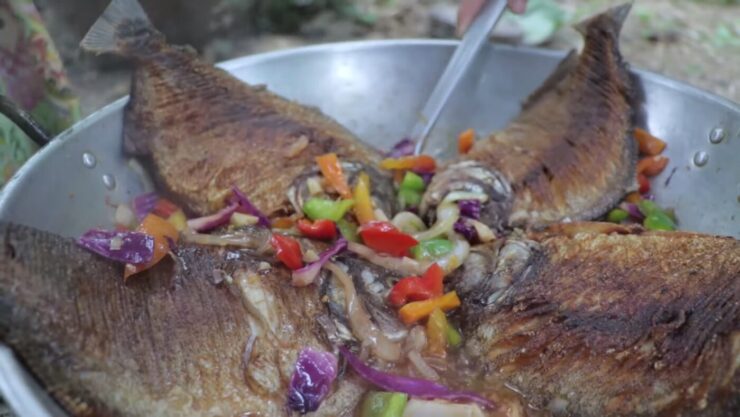
As ecotourism exploded in the Amazon basin, travelers began to witness the reality of local life. Guides started incorporating piranha fishing into excursions, followed by open-fire cooking. This "catch-and-cook" culture helped demystify the fish, shifting the public perception from "dangerous monster" to "exotic catch."
Supporting Data: Nutritional and Safety Profiles
When considering the viability of piranha as a food source, one must look at the data provided by health agencies and environmental researchers.
Nutritional Value
Like most freshwater white fish, piranha is a lean protein source. It is low in fat and provides essential amino acids. While specific nutritional panels vary by species (as there are dozens of types of piranha), they generally mirror the profile of other river-dwelling carnivores.
The Safety Threshold
The safety of eating piranha is not a matter of the fish being "poisonous"—it is a matter of food hygiene.
- Pathogens: As with all freshwater fish, the risk of parasites is present. Proper cooking—reaching an internal temperature of at least 145°F—is non-negotiable.
- Mercury Levels: The Environmental Protection Agency (EPA) and the FDA have long advised that predatory freshwater fish can accumulate mercury. Because piranhas sit higher on the food chain than smaller forage fish, it is critical to consult local advisories in the specific region where the fish was caught.
- Handling: The primary danger is not in the meat, but in the handling of the live fish. Their teeth are capable of inflicting deep lacerations, which can lead to secondary infections if the angler is not careful.
Official Responses and Regulatory Frameworks
Regulatory bodies, including the FDA and various international environmental agencies, maintain strict guidelines regarding the importation and consumption of non-native species.
The Legality of Piranha
In the United States, Canada, and much of Europe, piranha is not a commercial food fish. This is due to two primary factors:
- Invasive Species Risk: Many jurisdictions ban the import or possession of live piranhas because, if released, they could potentially threaten native ecosystems in warmer climates.
- Lack of Demand: Because piranha is not a part of the traditional Western diet, there is no established supply chain for it.
Expert Advice: The FDA explicitly recommends that individuals checking local fish advisories for wild-caught fish should treat any unfamiliar, non-commercial catch with extreme caution. If you are not in a region where piranha is a standard food source, you should not attempt to source or import it.
Implications: The Ethics of Eating Piranha
When we choose to consume an animal that has been vilified, we must look at the broader implications for the environment and local ecosystems.
Sustainable Harvesting
In the Amazon, piranha populations are vast. In many areas, they are considered a nuisance species by local fishermen because they steal bait and tear nets. Consequently, eating piranha can actually be a sustainable choice, as it utilizes a fish that is abundant and, in some cases, overpopulated.
Cultural Respect
For the traveler, the implications are clear: consume piranha only when invited to do so by local providers who are experts in the region. Buying fish from unknown, unauthorized sources in South America can inadvertently support illegal fishing practices or contribute to the depletion of sensitive waterways. Always rely on established lodges, guided tours, and local markets that operate within the law.
Practical Handling and Preparation
If you find yourself in the Amazon with a fresh catch, the following professional guidelines will ensure a safe and culinary-grade experience.
Handling the "Toothy" Predator
- Use Tools: Never use your fingers to remove a hook. Always use long-nosed pliers or a dedicated hook-remover.
- Containment: Keep the fish in a secure container. If fishing from a kayak or small boat, ensure the fish is incapacitated immediately to prevent accidents.
- Protective Gear: When cleaning the fish, wear cut-resistant gloves if possible. The jaw muscles of a piranha are powerful even after death.
Cooking Methods
The goal in cooking piranha is to mitigate the bony texture while highlighting the firm, white flesh.
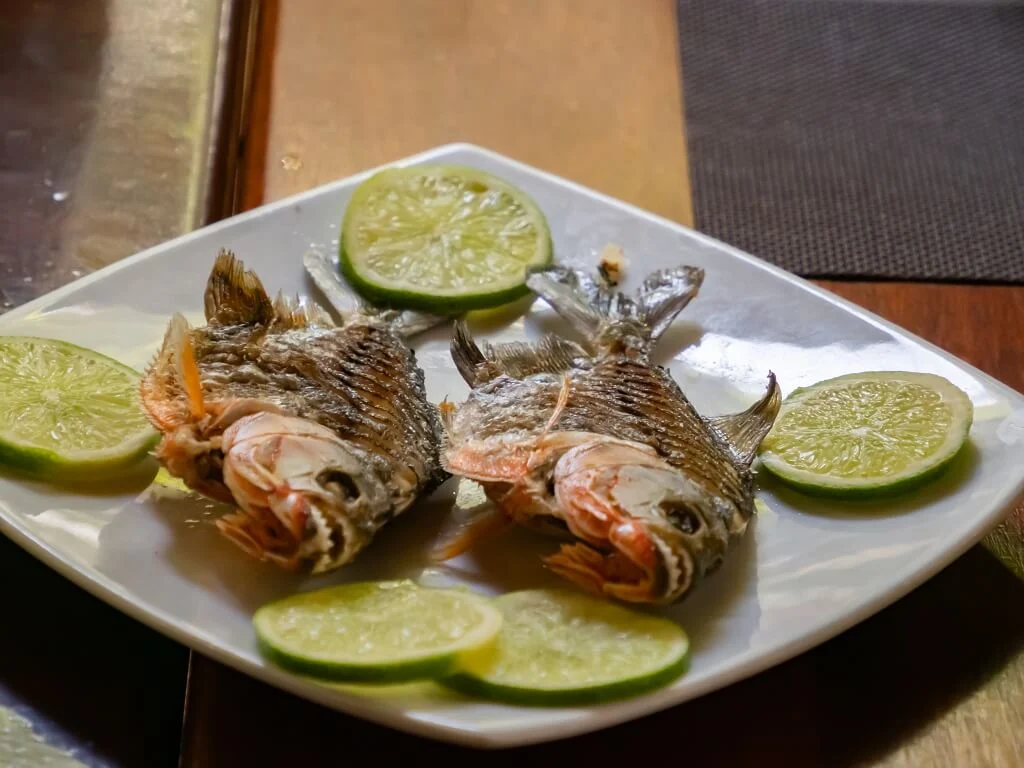
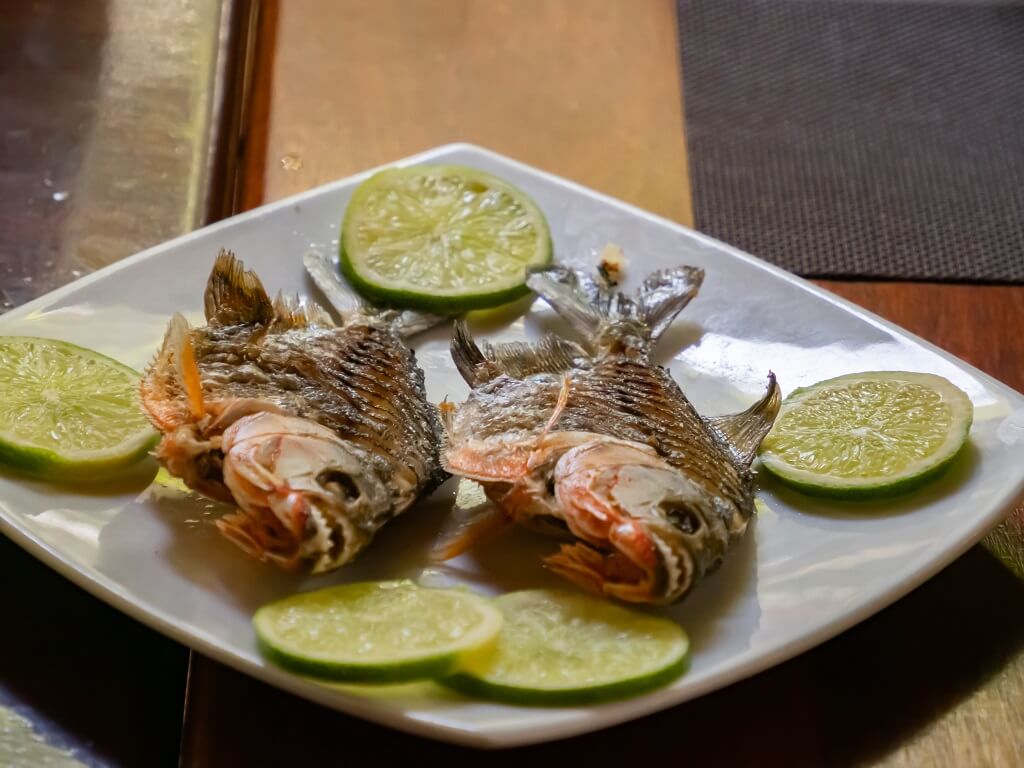
- Frying: This is the most common preparation. By deep-frying the whole fish (often scored), the bones become less of a hindrance, and the skin becomes crispy and delicious.
- Piranha Soup: A staple in Amazonian households. Simmering the fish allows the meat to separate from the bones, which can then be strained or picked out, leaving a flavorful, nutrient-rich broth.
- Grilling: Best for larger specimens. If you fillet the fish, be extremely meticulous about pin-bones. Season with lime, garlic, and local chilies to balance the natural, mild flavor of the meat.
Frequently Asked Questions
Is Piranha Toxic to Eat?
No. There is no toxin naturally present in the flesh of a piranha. Toxicity, when it occurs, is usually the result of consuming fish from polluted water sources.
Why are they so bony?
Piranhas possess a complex skeletal structure—a trait common to many characins. It is simply a biological reality, not a sign of poor quality.
Can they really eat a person?
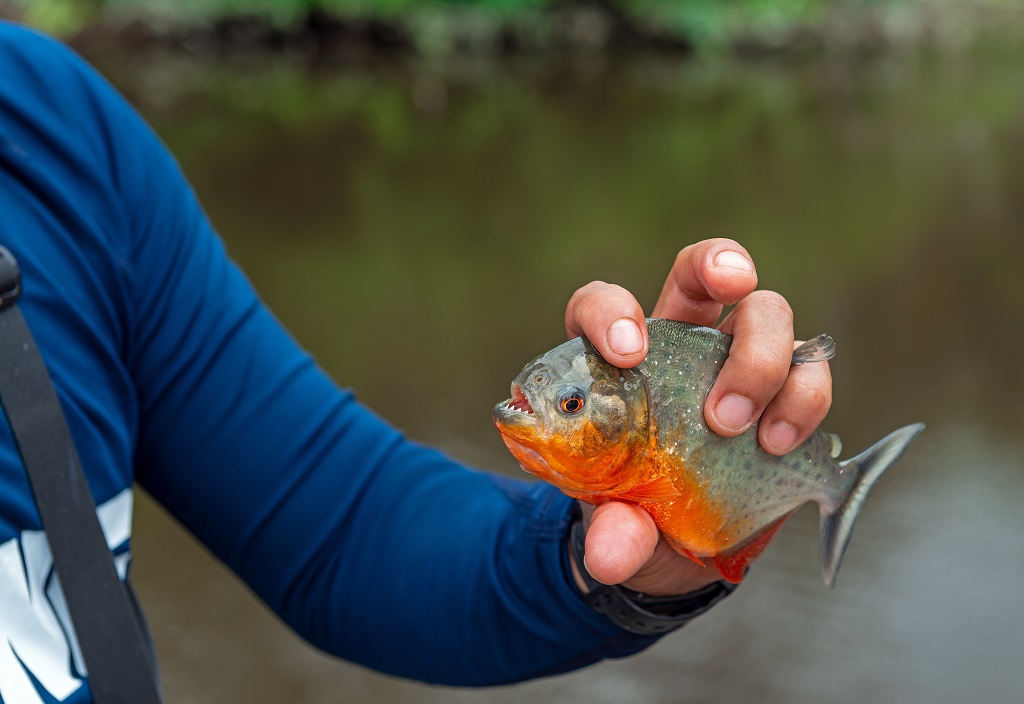
The "man-eating" myth is largely a byproduct of fiction. While they can and do bite when threatened, in pain, or during extreme drought conditions when food is scarce, they do not hunt humans as prey.
What is the best way to avoid a "muddy" taste?
If you are catching the fish yourself, bleed it immediately and keep it on ice. The "muddy" flavor is often a result of blood or bile tainting the meat after the fish has died.
Final Thoughts: A Culinary Opportunity
The piranha is perhaps the most misunderstood creature in the animal kingdom. By separating the cinematic myth from the biological reality, we find that the piranha is just another freshwater fish—a vital food source for millions of people and an interesting, albeit challenging, ingredient for the culinary explorer.
When approached with respect for the local environment, the necessary safety precautions, and an open mind, eating piranha is a quintessential Amazonian experience. It reminds us that nature rarely fits into the boxes we create for it, and that the things we fear the most are often much simpler—and much more delicious—than we imagine.
Whether you are casting a line from a kayak in a remote tributary or dining at a riverside lodge in Brazil, remember: the piranha’s reputation is far scarier than the bite on your plate. Enjoy the experience, respect the river, and always leave the dangerous work to the experts.