Introduction: The Hidden Peril in the Canopy
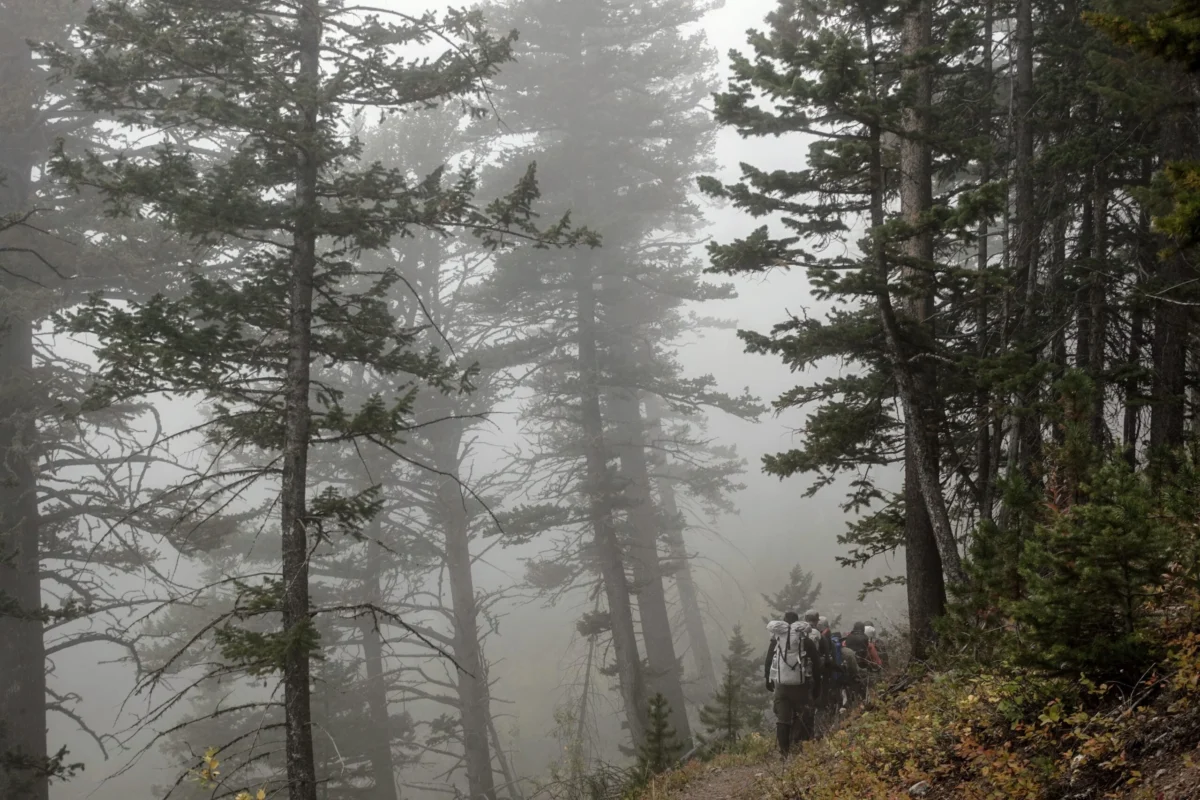
In the summer of 1996, while trekking through a wildfire-scarred landscape north of Yellowstone National Park, the atmosphere shifted with the sudden, violent arrival of a thunderstorm. As winds whipped through the skeletal remains of a lodgepole pine forest, a deafening crack shattered the air. A massive, fire-weakened trunk collapsed, slamming into the earth less than 20 feet behind me—and mere strides in front of my hiking partner.
That singular moment served as a visceral introduction to one of the wilderness’s most underestimated dangers: the "hazard tree." While backpackers meticulously plan for water filtration, bear encounters, and navigational challenges, the very canopy providing shade and shelter often conceals a lethal, unpredictable threat.
The Chronology of Risk: From Yellowstone to the Present
The 1988 Yellowstone fires, which scorched nearly 1.4 million acres, created a legacy of standing, decaying timber that has served as a decades-long laboratory for forest succession and danger. However, the risk is not limited to post-burn areas. It is an omnipresent factor in every forested ecosystem, from the lush, rot-prone forests of the Pacific Northwest to the arid, beetle-killed slopes of the Rocky Mountains.
The historical record is punctuated by tragic, isolated incidents that serve as somber reminders of the danger:
- August 2019: A thru-hiker on the Pacific Crest Trail (PCT) was struck and killed by a falling tree while traversing a trail corridor.
- August 2019: A backpacker camping along the Colorado Trail lost her life when a tree collapsed onto her tent.
- May 2021: A backpacker utilizing a hammock in the White Mountain National Forest was killed when the tree serving as his anchor failed, striking him in his sleep.
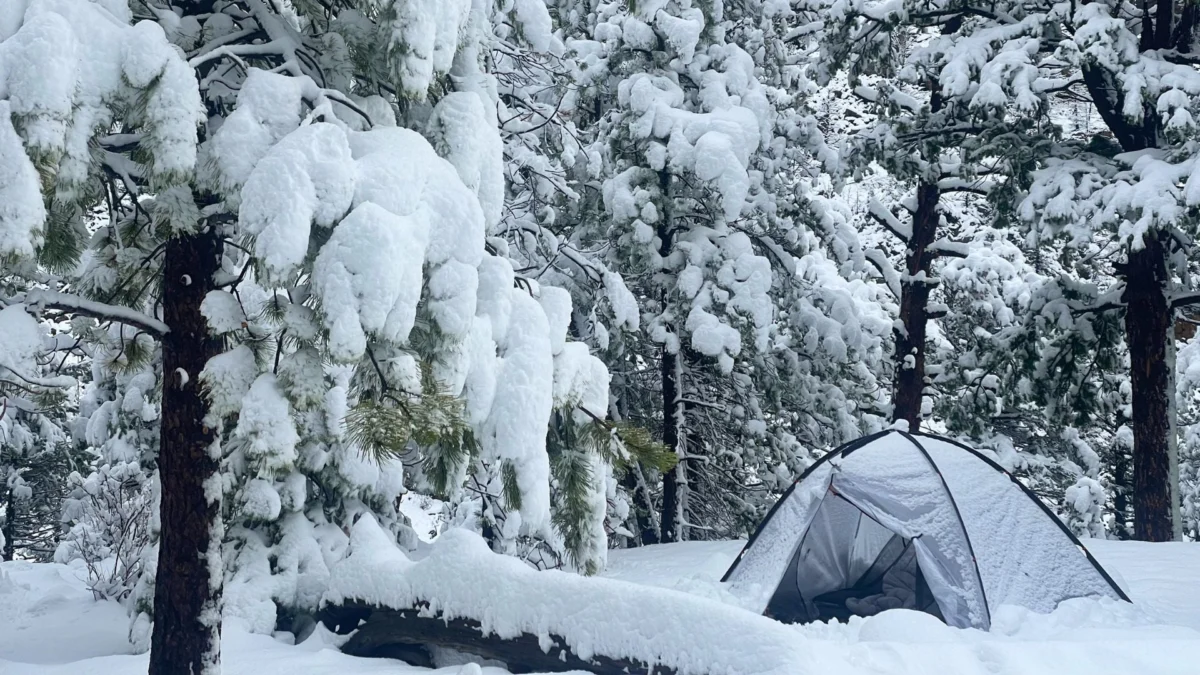
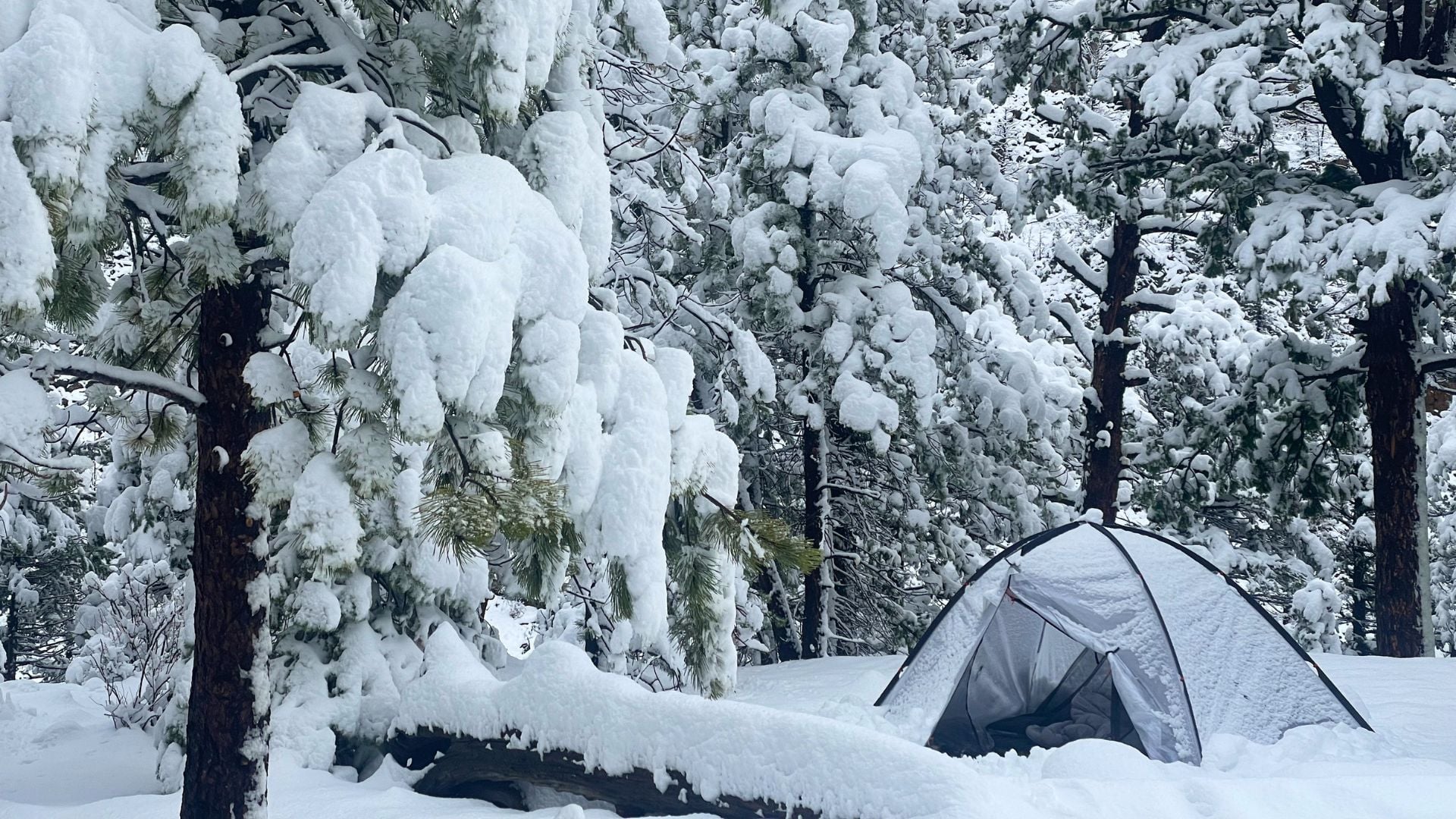
- August 2022: A visitor at the remote Elk Lake campsite in Olympic National Park was killed instantly when a tree fell onto their tent, necessitating an emergency helicopter extraction by the National Park Service.
These incidents, while statistically rare, highlight a critical vulnerability: the stationary nature of camping. Unlike a hiker moving through a forest—who might hear a creak and step aside—a sleeper in a tent or hammock is tethered to the ground, often unaware of the structural integrity of the timber above them.
Supporting Data: Why Trees Fail
To manage risk, one must first understand the biology of tree failure. Forestry experts categorize hazard trees based on several primary vectors of decay and instability.
Root System Compromise
A tree is only as stable as its subterranean foundation. In mountain environments, soil is often thin and rocky. Excessive rain, flooding, or heavy snowpack can saturate the soil, weakening the "root plate." Conversely, drought can cause roots to wither or lose their grip on parched earth. Indicators of imminent failure include "heaving" soil on the side opposite the lean or the presence of fungi near the base of the trunk, which suggests internal root rot.
Structural Decay and Fungal Infection
Trees are living organisms that suffer from "cancer" of the wood. Fungal conks—shelf-like growths appearing on the bark—are a definitive sign of internal decay. If a tree has visible conks, the heartwood is likely compromised, significantly reducing its structural integrity. Other indicators include deep, vertical fissures (frost cracks), missing bark (cankers), and "cat-faces" (scars from previous fires or lightning strikes).
Environmental Stressors
The "Widowmaker"—a term used by loggers for loose, hanging branches—is perhaps the most frequent cause of injury. These limbs are often dislodged by wind, snow loading, or simply the natural shedding process. Furthermore, trees that have survived wildfires are often "case-hardened" on the outside but rotting on the inside, making them look deceptively sturdy while remaining structurally brittle.
Official Responses and Safety Protocols
The National Park Service (NPS) and the U.S. Forest Service (USFS) have long grappled with the management of hazard trees in developed campgrounds. In areas where the public gathers, agencies employ arborists to identify and remove high-risk trees. However, in the vast, unmaintained backcountry, this level of intervention is impossible.
"The wilderness is inherently dynamic," says one land management official. "Visitors must understand that they are entering an environment where natural processes—including the death and decay of trees—are allowed to run their course. There is no such thing as a 100% safe campsite in a forest."
Recent guidance from wilderness safety organizations emphasizes the "Look Up, Look Down, Look Around" (LULA) protocol:
- Look Up: Scan for dead tops, hanging branches, or trees with sparse foliage that may be dead.
- Look Down: Inspect the base of the tree for fungus, cracks, or loose soil.
- Look Around: Assess the overall density of the stand. If there are many downed logs, it is a sign that the forest is actively shedding trees.
The Psychology of Complacency
The most dangerous element in the wilderness is often the hiker’s own mind. Because most of us have spent hundreds of nights in the woods without incident, we fall into a state of "normalcy bias." We assume that because we have slept under trees safely in the past, we are safe to do so tonight.
This familiarity dulls our threat-detection capabilities. We choose a campsite based on convenience, proximity to water, or flat ground, often ignoring the "dead-man walking" canopy directly above our tent stakes. We must shift our mindset from "Is this a pretty place to camp?" to "Is this a lethal place to camp?"
Implications for Future Backcountry Travel
As climate change continues to impact forest health—manifesting in longer, more intense fire seasons, more frequent drought, and shifts in insect populations—the number of standing dead trees (snags) is expected to increase.
Hikers should adopt the following behavioral shifts:
- Avoid "Ghost Forests": When selecting a campsite, prioritize stands of healthy, green trees over areas dominated by fire-killed or beetle-killed snags.
- The Wind Test: If the wind is blowing hard enough to sway trees, do not set up camp in a dense stand. Move to a more open area, even if it is less comfortable.
- Check the Hammock Anchors: Hammock camping adds a new layer of risk, as the user is placing tension on the tree. Ensure the anchor trees are alive, healthy, and show no signs of rot.
- Respect the "Death Zone": When hiking, be aware of the "fall zone"—the radius around a tree equal to its height. In high-wind events, minimize time spent in areas with high concentrations of dead timber.
Conclusion: Living with the Risk
Falling trees represent a low-frequency but high-consequence event. While we cannot eliminate the risk of a tree falling—that is, after all, a fundamental part of the forest life cycle—we can control our exposure. By treating the forest with a healthy dose of skepticism, maintaining constant situational awareness, and prioritizing safety over convenience in our campsite selection, we can enjoy the wilderness while respecting the gravity of its hidden dangers.
The next time you walk into the deep woods, remember: you are a guest in a dynamic, shifting environment. Look up, assess your surroundings, and choose your campsite with the vigilance of someone who understands that the canopy above is, in many ways, as wild as the creatures that roam beneath it.